
New General Trailers For Sale
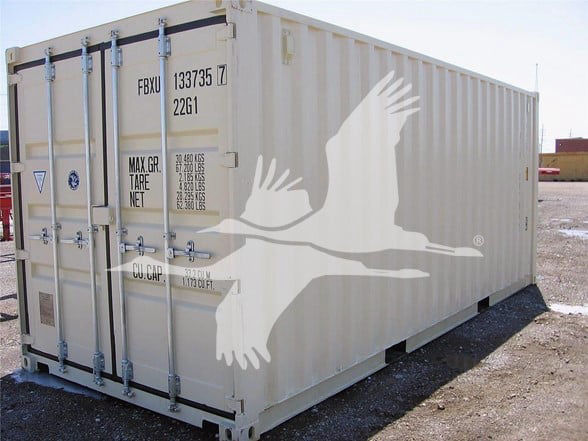
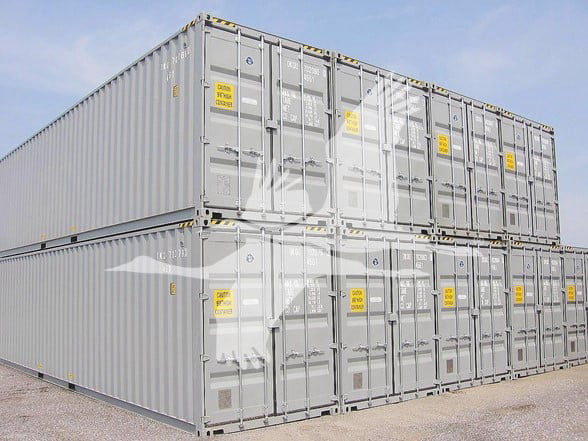
Shop new General trailers for sale, including steel shipping containers in 20-foot and 40-foot sizes, standard, high cube, and double-door models.
Selling a new general trailer? List your new general trailer for sale and reach thousands of commercial buyers.
New General Trailers
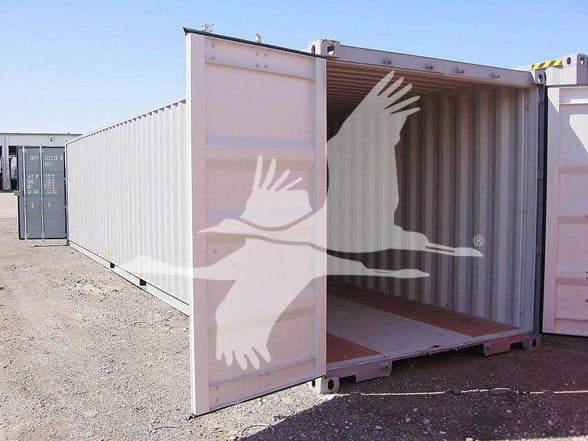
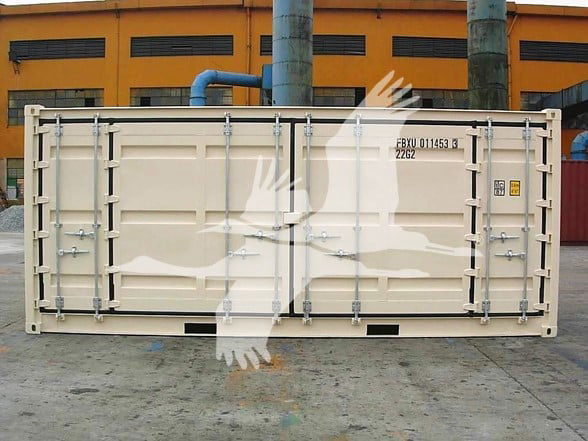
Door layout is one of the most important spec decisions in this equipment class. Traditional rear-door containers are the baseline for secure storage and sealed loading, but double-door or open-side configurations can improve access when cargo needs to be reached from either end or along the sidewall. That matters for contractors, equipment rental companies, retail overflow storage, and operations staging materials at multiple stops. Features like lock boxes, wind-and-water-tight construction, and heavy cargo doors are standard points to evaluate because they directly affect security, weather resistance, and long-term usability.
Condition matters even on new containers because buyers may be choosing between one-trip units, newly built storage containers, and import-style overseas boxes. For many commercial users, the value is in clean structural condition, straight side rails, solid flooring, good door alignment, and minimal corrosion from the start. On a 20-foot container, the shorter footprint is easier to place at crowded yards and urban jobsites. A 40-foot container delivers better cost per cubic foot, and a 40-foot high cube is often the preferred option when the goal is maximum enclosed storage without stepping up to a different equipment type.
General containers are often used as ground-level storage, but buyers also use them for plant maintenance inventory, agricultural supplies, temporary warehousing, and modified applications. If the container will be moved loaded, verify gross weight ratings, corner casting condition, and handling requirements. If it will stay in place, focus on site prep, drainage, floor condition, and door clearance. For buyers comparing new General trailers for sale in the container category, the best unit is usually the one that matches access needs, interior volume requirements, and placement constraints without adding unnecessary length or height.
Frequently Asked Questions about New General Trailers
What sizes are most common for new General container trailers?
The most common sizes in this category are 20-foot and 40-foot containers. A 20-foot unit is easier to position on tighter sites and is often chosen for dense storage, tools, and jobsite materials. A 40-foot unit offers more usable cubic capacity and typically lowers storage cost per square foot or cubic foot. Buyers that need extra interior clearance often move to a 40-foot high-cube model rather than adding another container.
What is the difference between a standard container and a high-cube container?
A standard container has the conventional exterior and interior height used across much of the shipping and storage market. A high-cube container is typically about one foot taller, which increases internal volume and makes loading bulky or stacked freight easier. High-cube models are especially useful for warehousing, construction materials, and operations that need better vertical storage efficiency, but buyers should confirm overhead clearance at the delivery site before choosing one.
Why do double-door or open-side containers matter?
Access configuration changes how useful a container is in daily operation. A double-door container allows loading and unloading from both ends, which helps when material needs to be staged by sequence or separated by destination. An open-side container provides wider side access for awkward freight, long items, or retail and event storage where frequent entry is required. Standard rear doors remain the simplest and most common setup for secure enclosed storage.
What should buyers inspect on a new shipping container?
Even with a new container, buyers should inspect door alignment, locking gear operation, floor condition, roof panel straightness, corner castings, and signs of transit damage. Wind-and-water-tight integrity is critical for storage use, especially if the container will hold inventory, tools, or paper goods. It is also smart to confirm interior height, exact door opening dimensions, and flooring type because those details affect forklift entry, pallet fit, and overall cargo usability.
Are steel shipping containers considered trailers?
In marketplace listings, containers are often grouped under trailers because they serve freight, storage, and transport-related commercial uses. A shipping container is not a road trailer by itself because it has no running gear, axles, or fifth wheel. It is a steel intermodal container designed to be handled by chassis, cranes, forklifts, or other equipment depending on the application. Buyers should evaluate them as container equipment first, with attention to storage, handling, and placement requirements.