
New General Container Trailers For Sale
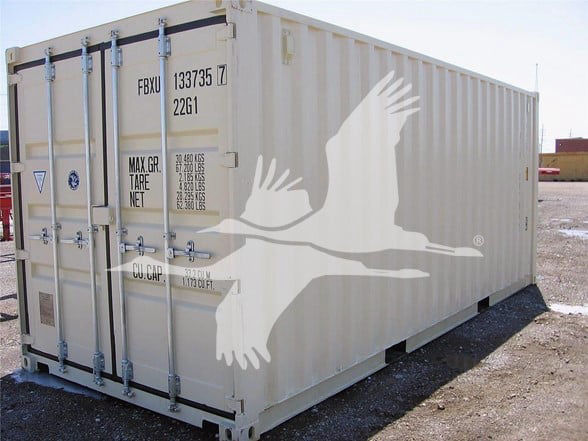
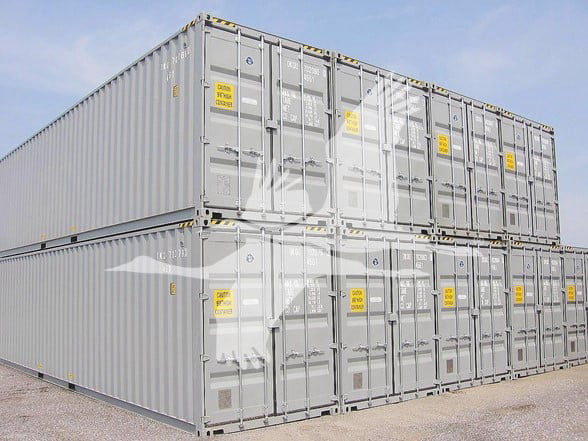
Shop new General container trailers and shipping containers, including 20' and 40' standard, high cube, double-door, and open-side options.
Selling a new general container trailer? List your new general container trailer for sale and reach thousands of commercial buyers.
New General Container Trailers
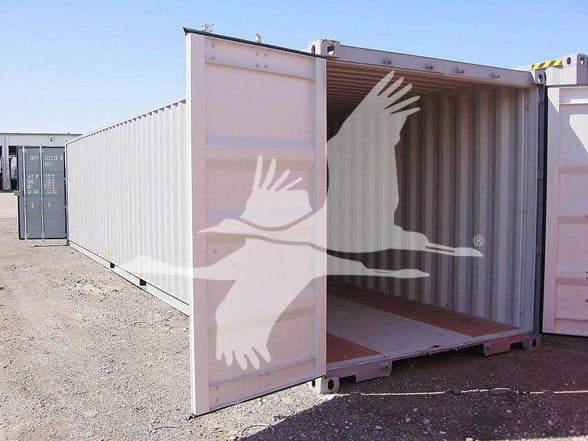
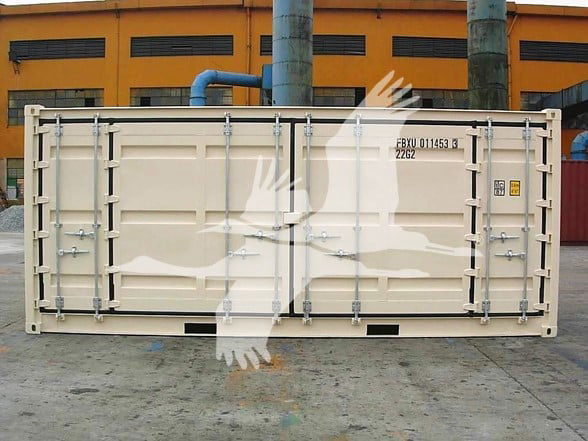
Construction details matter more than the paint color. Buyers usually look for corten-style steel construction, marine-grade plywood flooring, cargo door gaskets, and wind-and-water-tight condition. Security features such as lock boxes are common on new General containers and are important for tools, retail inventory, agricultural supplies, and construction materials stored in remote locations. Double-door, also called tunnel-door, containers provide access from both ends and can reduce unloading time when freight needs to be staged by sequence. Open-side configurations are useful when forklifts need broad side access for oversized pallets or irregular cargo.
The key buying decision is matching container layout to how it will actually be loaded, moved, and placed. A 20-foot unit is often preferred when payload density is high because it can handle heavy materials without wasting floor space. A 40-foot standard or high cube unit makes more sense when cube is the limiting factor. If the container will be used as stationary storage, door swing clearance, site drainage, and pad preparation should be considered before delivery. If it will be moved through ports, rail ramps, or container chassis service, confirm ISO compatibility, corner castings, and door hardware condition.
New General container equipment is commonly used by contractors, equipment dealers, farms, manufacturers, and distribution operations that need durable enclosed space with predictable dimensions. Buyers comparing listings should pay attention to length, height, door arrangement, flooring condition, lock protection, and whether the unit is standard or high cube. Those details determine how well the container fits the freight, the site, and the handling method long after the initial purchase price is forgotten.
Frequently Asked Questions about New General Container Trailers
What is the difference between a standard container and a high cube container?
A standard container has conventional exterior and interior height, while a high cube container adds roughly one extra foot of height. That additional vertical space is important for bulky freight, stacked materials, and applications where cubic capacity matters more than floor footprint. Many buyers choose high cube models for warehouse overflow, lighter high-volume cargo, or equipment storage that needs extra headroom.
When should I choose a 20-foot container instead of a 40-foot container?
A 20-foot container is often the better choice when storage space is limited, placement access is tight, or the cargo is dense and heavy. Heavy tools, metal stock, parts, and compact machinery often fit well in a 20-foot unit without paying for unused cubic space. A 40-foot container is usually preferred when the application is driven by volume, such as pallet storage, retail inventory, or larger jobsite material staging.
What does wind-and-water-tight mean on a new container?
Wind-and-water-tight means the container is built and sealed to keep out normal weather, including rain intrusion and drafts through the structure or doors. Buyers should still inspect door seals, flooring, side panels, roof condition, and locking hardware, because those components determine how well the unit protects cargo over time. For storage use, this standard is a baseline requirement for protecting tools, boxed goods, and moisture-sensitive materials.
What are double-door and open-side containers used for?
Double-door containers, sometimes called tunnel containers, have cargo doors at both ends so operators can load from one side and unload from the other. This is useful for first-in, first-out access and faster staging. Open-side containers have large side openings that allow forklift access across a wider span, making them practical for oversized pallets, long materials, event equipment, and cargo that is awkward to load through end doors.
What should I check before buying a new container for storage or transport?
Start with the basics: length, height, door style, flooring, lock box design, and overall structural condition. Then confirm the unit fits the actual use case. For storage, check site access, door clearance, and ground preparation. For transport or intermodal handling, verify ISO dimensions, corner castings, and compatibility with the chassis or lifting equipment that will be used. Those details affect usability far more than appearance alone.