
General Container Trailers For Sale
Browse General container trailers and shipping containers, including 20-foot, 40-foot, and high cube units for storage, transport, and jobsite use.
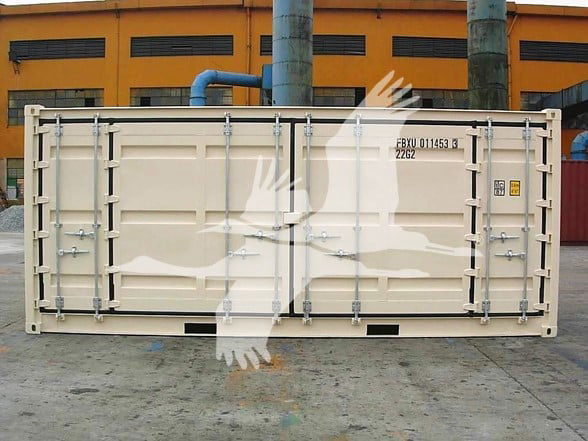
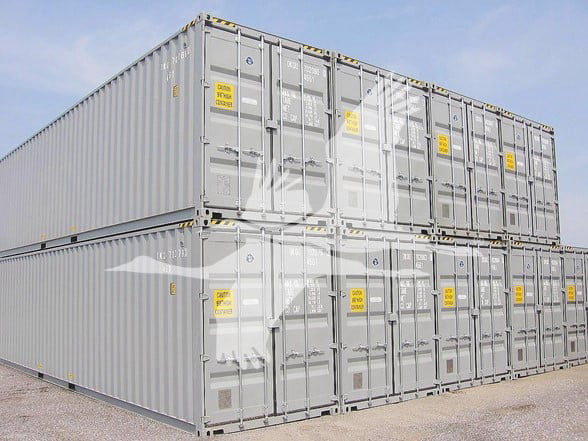
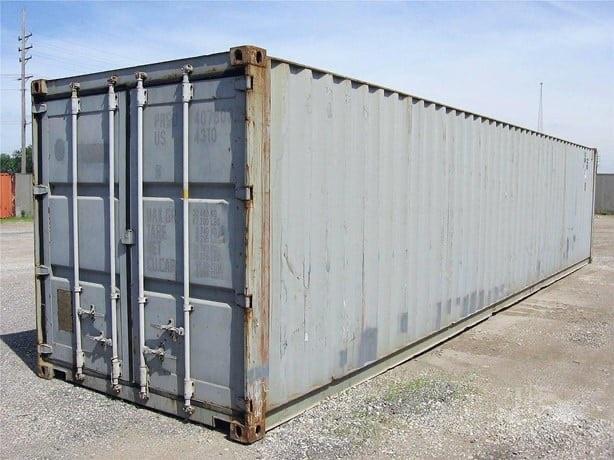
Selling a general container trailer? List your general container trailer for sale and reach thousands of commercial buyers.
General Container Trailers
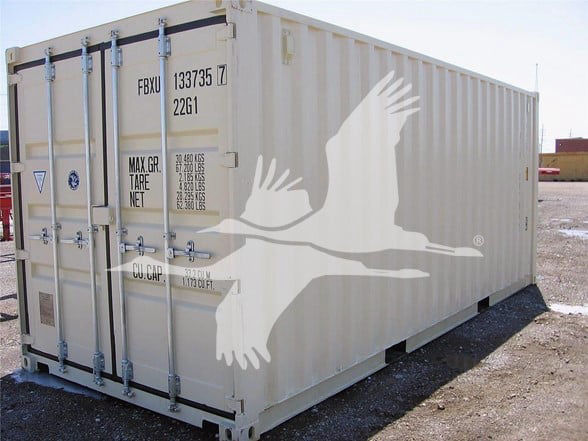
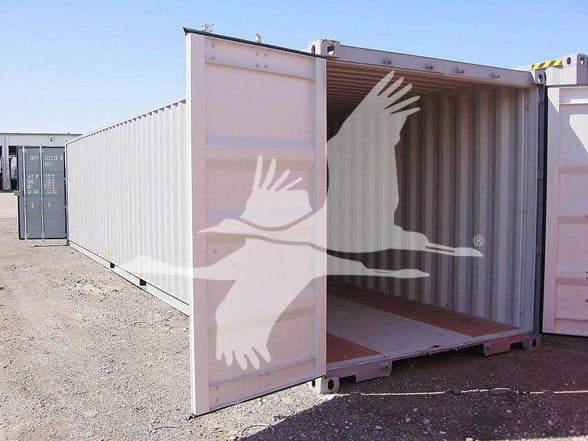
Construction details matter more than the basic length. Most units in this category use steel walls and roof panels with a wood floor, a combination that remains common because it balances durability, repairability, and load support. Buyers should pay close attention to floor condition, door alignment, crossmember integrity, corner castings, and signs of corrosion along the lower rails and front wall. For used containers, wind and water tight condition is often the baseline standard, but that does not always mean cargo worthy for international shipping. If the unit will be lifted, stacked, or used in intermodal service, verify CSC compliance, door seal condition, and structural soundness rather than assuming all containers are rated the same.
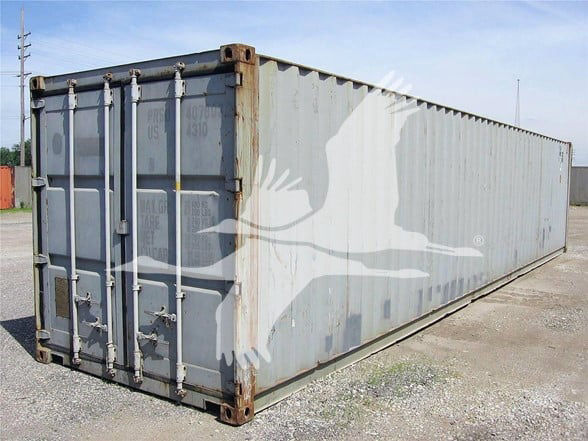
The main spec breakpoints are simple but important. Standard exterior width is generally 8 feet, with internal height around 7 feet 9 inches on standard units and about 8 feet 9 inches on high cube containers. A 20-foot container is easier to place on tighter properties and jobsites, while a 40-foot unit offers better cost efficiency per cubic foot when space is available. Lock boxes are a worthwhile feature for theft resistance in storage applications, especially on construction sites, equipment yards, and agricultural properties. Color, paint condition, and cosmetic dents usually matter less than door operation, floor wear, and the overall square condition of the frame.
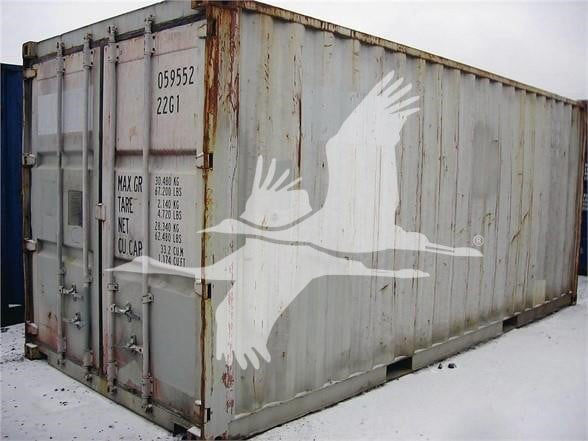
For buyers comparing listings, the right decision usually comes down to intended use rather than age alone. A newer container may be the better fit for retail storage, municipal use, or applications where appearance and weather resistance matter. An older used unit can still be a strong value for farm storage, scrap segregation, shop overflow, or stationary jobsite use if the structure is sound. If the container will be moved frequently, confirm tare weight, forklift or crane handling requirements, and compatibility with the trailer, chassis, or site equipment that will load and unload it. In this category, the best purchase is usually the one that matches the freight, the site, and the handling method without adding unnecessary cube, weight, or cost.
Frequently Asked Questions about General Container Trailers
What is the difference between a standard container and a high cube container?
A standard container is typically 8 feet wide with an internal height of about 7 feet 9 inches, while a high cube container adds roughly 12 inches of interior height. That extra vertical space is useful for palletized freight, shelving, equipment, and lighter cargo that cubes out before it weighs out. High cube units are especially popular in 40-foot lengths because they improve usable storage volume without changing the basic footprint.
Is a used container good enough for storage, or should I look for a newer unit?
A used container can be a very practical choice for storage if the frame is straight, the doors seal properly, and the floor and lower rails are still solid. For stationary use, many buyers focus on wind and water tight condition, lock protection, and overall structural integrity instead of model year. A newer unit usually makes more sense when appearance, long-term weather resistance, or reduced repair needs are priorities.
What should I inspect first on a container before buying?
Start with the doors, floor, and understructure. Container doors should open and close without excessive force, locking rods should move freely, and the door gaskets should be intact. Inside, check for soft spots, delamination, patches, or chemical staining in the wood floor. Underneath, look at crossmembers, corner castings, and lower side rails for rust, impact damage, and signs that the container is out of square.
Are all 20-foot and 40-foot containers suitable for shipping?
No. Many containers are suitable for secure storage but are not automatically certified for active international shipping. If the container will be used in ocean service or formal intermodal transport, confirm that it meets current cargo-worthy or CSC requirements and inspect the structure, doors, seals, and corner fittings accordingly. Storage-grade and shipping-grade containers are not always the same thing.
Which size container makes the most sense for a typical buyer?
A 20-foot container is often the better all-around choice when access is tight, the unit needs to fit on a smaller property, or the cargo is dense and heavy. A 40-foot container usually delivers better value per cubic foot for lighter materials, inventory storage, and larger site needs. The decision should be based on available placement space, handling equipment, and whether your cargo is more likely to weigh out or cube out first.