
General Container Trailers For Sale in Illinois
Shop General container trailers and storage containers in Illinois, including 20-foot, 40-foot, high cube, open side, and double-door configurations.
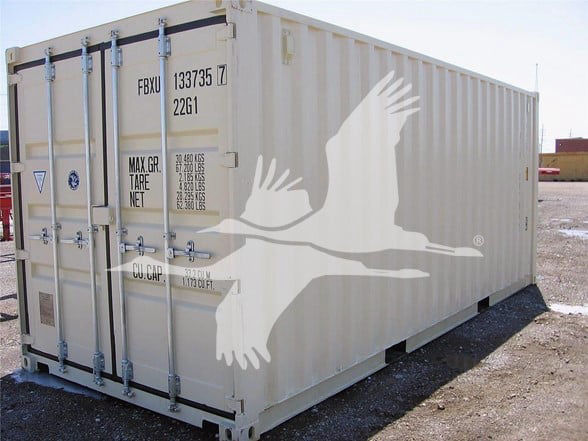
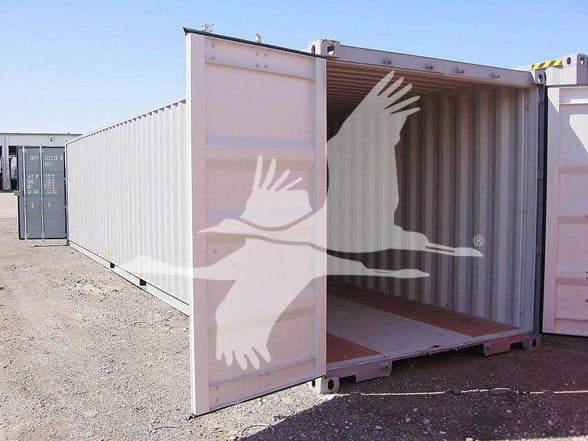
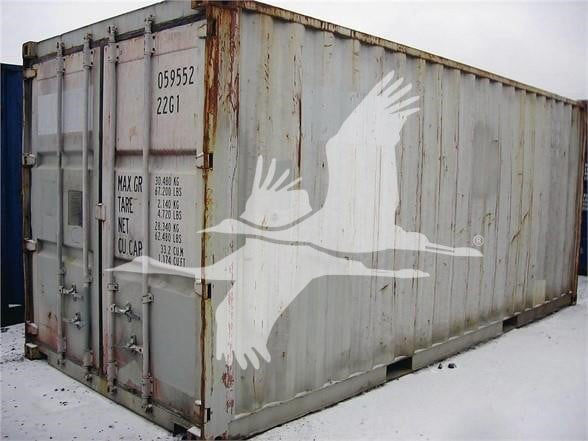
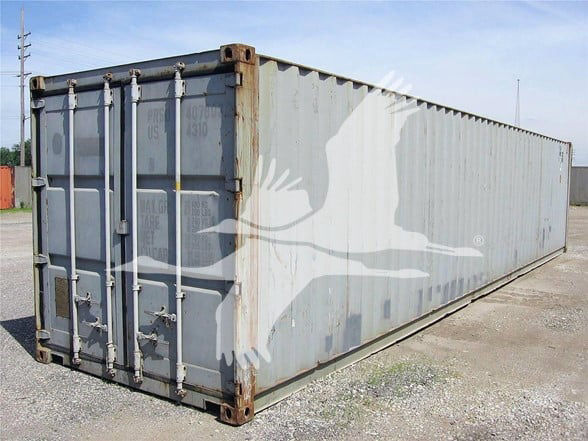
Selling a general container trailer? List your general container trailer for sale and reach thousands of commercial buyers.
General Container Trailers in Illinois
Condition matters as much as dimensions. New containers are typically chosen when appearance, long service life, and consistent door seals are priorities. Used containers can be a practical lower-cost option for storage, static yard use, or modified applications, but buyers should inspect floor condition, door operation, corner castings, roof straightness, and signs of previous structural repairs. Wind and water tight condition is a common benchmark, but it is still important to confirm the actual state of the doors, locking bars, gaskets, and understructure, especially on older units that may have seen marine service.
For Illinois buyers, climate and handling logistics should be part of the decision. Snow, freeze-thaw cycles, and wet seasonal conditions make roof integrity, floor durability, and proper site placement more important for long-term use. If the container will be moved frequently, verify tare weight, forklift access if applicable, and compatibility with the chassis or handling equipment in your operation. If it will stay in one location, security features like lock boxes, cargo door hardware, and overall wall condition become more important. High cube units are often preferred when maximizing cubic capacity on a fixed footprint, while standard-height units may be easier to match to certain loading dock or site restrictions.
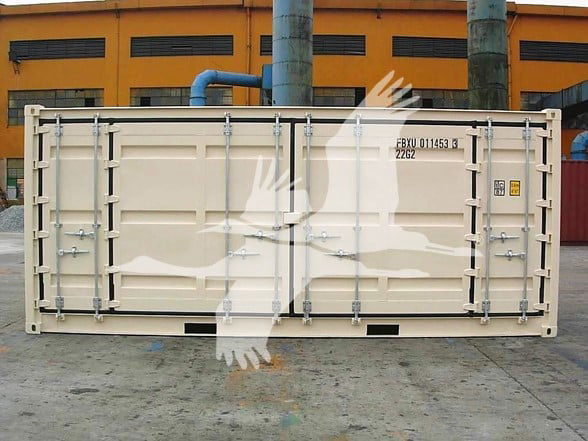
A General container in this category may be used as an intermodal freight container, a ground-level storage unit, or a specialized site container depending on configuration. That makes the details more important than the badge alone. Buyers should compare interior cubic capacity, CSC compliance if export use is planned, door opening dimensions, floor type, and overall structural straightness. Open-side containers offer excellent lateral access, while double-door models simplify loading from either end. For storage, the best value is usually the unit with the cleanest structure and the right access layout for the cargo, not simply the newest year model.
Frequently Asked Questions about General Container Trailers in Illinois
What size General container is best for storage or freight use?
A 20-foot container is often the practical choice when space is limited or the unit will hold dense cargo that reaches weight limits before cubic capacity. A 40-foot container works better for higher-volume storage, lighter freight, or operations that want fewer separate units to manage. A 40-foot high cube adds extra interior height, which helps with bulky materials, stacked goods, and maximizing cubic storage on the same footprint.
What is the difference between a standard container, a high cube, an open-side container, and a double-door container?
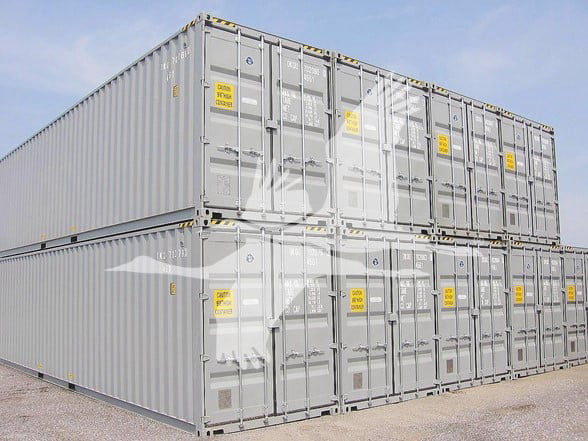
A standard container typically has cargo doors at one end and standard interior height. A high cube container adds about one extra foot of height, which increases usable cubic capacity. An open-side container has side access that allows easier loading of pallets, long materials, or equipment that cannot be efficiently loaded through the end doors. A double-door container has doors at both ends, which improves access, staging, and unloading flexibility.
What should I inspect on a used container before buying?
The key inspection points are the roof, floor, doors, locking gear, corner castings, crossmembers, and sidewall straightness. Buyers should check for soft spots in the floor, severe rust, bent frame members, hard-closing doors, damaged seals, and evidence of patchwork repairs. If the container is advertised as wind and water tight, confirm that the doors seal properly and that there are no active leaks, daylight gaps, or structural distortions that affect security or weather resistance.
Do I need a CSC plate on a container?
A CSC plate is important if the container will be used in international shipping or certain regulated transport applications. For static storage on private property, a CSC plate may not be necessary, but buyers should still confirm structural condition and legal requirements for their intended use. If export service is planned, verify that the container has current certification and that its condition meets the standards required by the carrier or shipping line.
Are high cube containers worth the extra cost?
High cube containers are usually worth the premium when the cargo is bulky, stackable, or light enough that cube matters more than gross weight. They are also popular for storage because the extra height improves usable space and can make loading more efficient. The tradeoff is that buyers should confirm clearance requirements, site restrictions, and compatibility with any transport or placement equipment before choosing a high cube over a standard-height unit.