
General Trailers For Sale
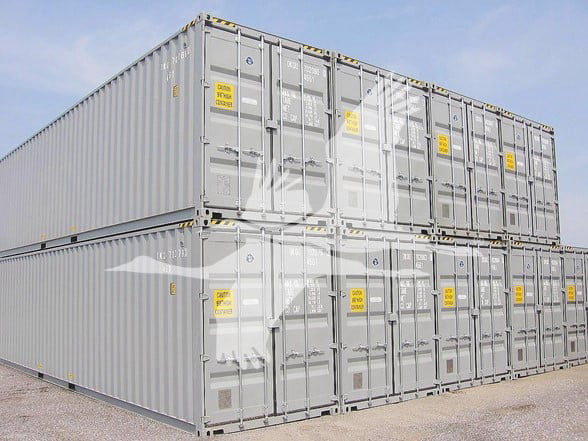
Shop General trailers and containers, including 20-foot and 40-foot steel storage and shipping containers in standard and high cube configurations.
Selling a general trailer? List your general trailer for sale and reach thousands of commercial buyers.
General Trailers
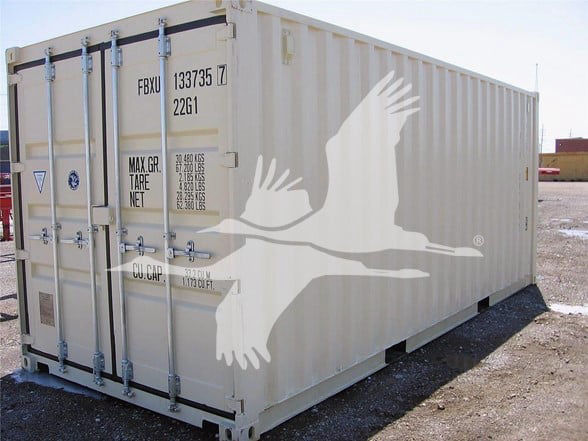
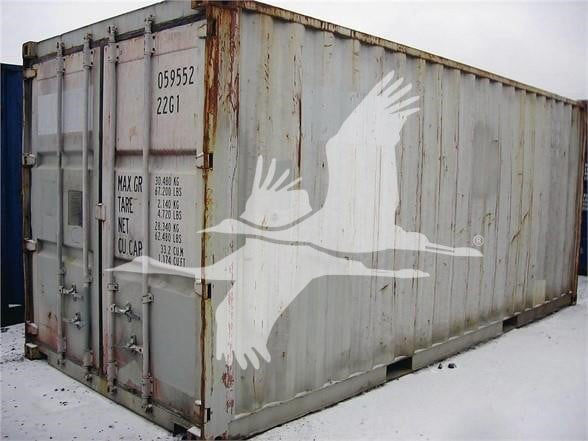
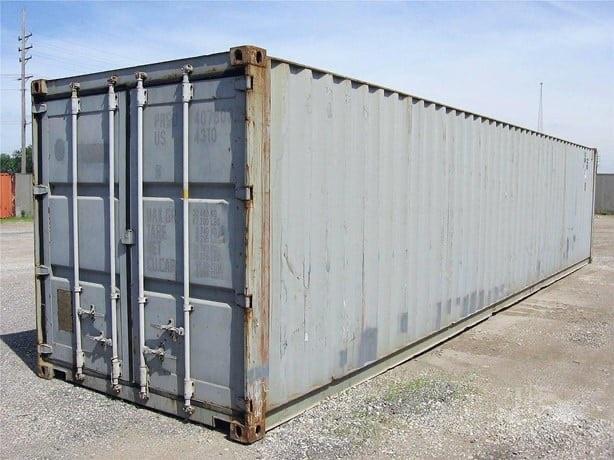
On used General containers, condition matters more than model year alone. A buyer should pay close attention to wind and water tight integrity, roof straightness, floor wear, door seal condition, corner castings, and how easily the cargo doors open and latch. Many units use steel construction with wood floors, and that floor should be checked for soft spots, delamination, contamination, and forklift damage. If the container will be moved regularly, structural soundness at the crossmembers and corner posts becomes especially important.
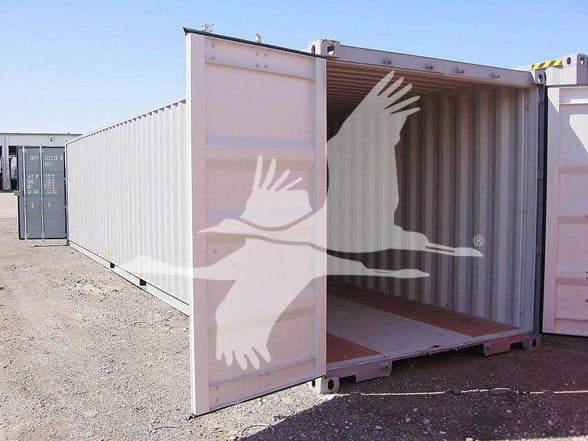
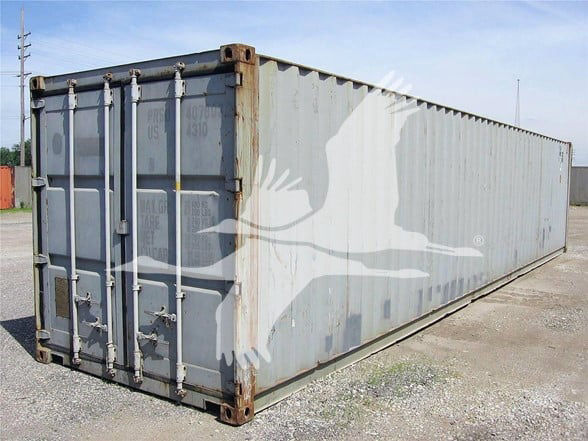
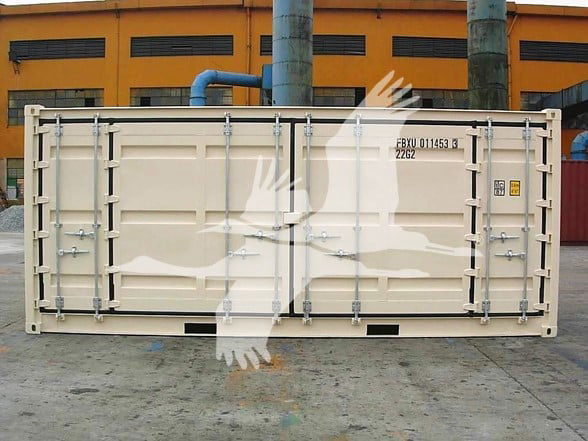
The biggest spec decision usually comes down to 20-foot versus 40-foot length, then standard height versus high cube. A 20-foot container is easier to place in tighter yards and often better for dense, heavy materials because weight concentrates over a shorter footprint. A 40-foot container gives more linear storage for pallets, equipment, or retail overflow. High cube containers add about a foot of interior height compared with standard units, which helps with taller freight, racking, or maximizing cubic capacity. Open-side configurations can also be useful when full side access matters more than traditional rear-door loading.
For many buyers, a General container is less about over-the-road trailer specs and more about security, usable cube, and site practicality. Lock boxes, solid door hardware, straight sidewalls, and a sound floor usually matter more than appearance. If the unit is being used for export or marine service, confirm CSC compliance and current certification requirements. If it is being used strictly for ground storage, placement access, drainage, and pad preparation should be part of the buying decision just as much as the container’s age or paint condition.
Frequently Asked Questions about General Trailers
What is the difference between a 20-foot and 40-foot General container?
A 20-foot General container is typically easier to transport, place, and load in confined areas, and it is often preferred for heavy cargo because the weight sits on a shorter footprint. A 40-foot container provides substantially more storage volume and works well for palletized goods, equipment storage, and applications where cubic capacity matters more than compact placement. The right choice usually depends on site space, intended cargo density, and how often the container will be relocated.
What does high cube mean on a General container?
A high cube container is taller than a standard container, usually by about 12 inches of exterior and interior height. On a 40-foot General high cube, that extra vertical space can make a real difference for tall freight, shelving systems, stacked materials, or maximizing overall storage cube. Buyers should still confirm actual internal height and door opening dimensions, since usable clearance is what affects loading.
What should I inspect on a used General container before buying?
The most important inspection points are wind and water tight condition, roof and sidewall straightness, door operation, floor integrity, and structural condition at the corner castings and underframe. Look for rust-through, patched panels, bent crossmembers, worn door gaskets, and signs that the container has been overloaded or handled roughly. A container can still be serviceable with cosmetic wear, but leaks, bad doors, or structural distortion can create expensive problems quickly.
Are General containers suitable for shipping as well as storage?
Some General containers are suitable for both storage and transport, but not every unit should be assumed ready for international shipping. If the container will be used in marine or export service, verify CSC plate status, structural compliance, and any inspection or recertification requirements. For stationary storage, those certifications may not matter, and buyers usually focus more on security, weather resistance, and floor condition.
Why would a buyer choose an open-side container?
An open-side container gives access along the side of the unit instead of relying only on rear cargo doors. That makes loading easier for long materials, frequent hand access, retail stock rotation, or jobsite tools that need to be reached without unloading the full container. The tradeoff is that buyers should inspect side-door hardware and sealing surfaces carefully, because those components are critical to keeping the container secure and weather resistant.