
General Trailers For Sale in Illinois
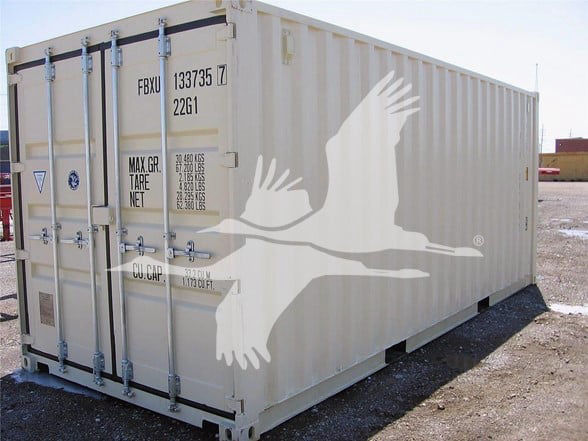
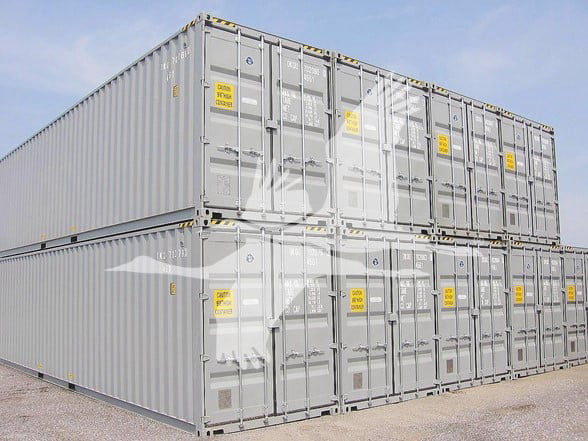
Browse General trailers for sale, including steel shipping containers in 20-foot and 40-foot sizes, standard and high cube formats.
Looking for the easiest place to sell your general trailer? List it here to reach thousands of buyers.
General Trailers in Illinois
For Illinois buyers, condition and weather resistance matter as much as dimensions. Wind and water tight containers are often the baseline for storage use, especially when the unit will sit outdoors through rain, snow, and freeze-thaw cycles. Check door alignment, gasket condition, floor wear, and corrosion around the corner castings, roof seams, and lower rails. Newer one-trip containers usually offer straighter panels, tighter door seals, and better cosmetic condition, while used containers can be a practical value if structural integrity is still sound. Lock boxes are another key feature for theft deterrence on jobsites, farms, industrial yards, and contractor storage setups.
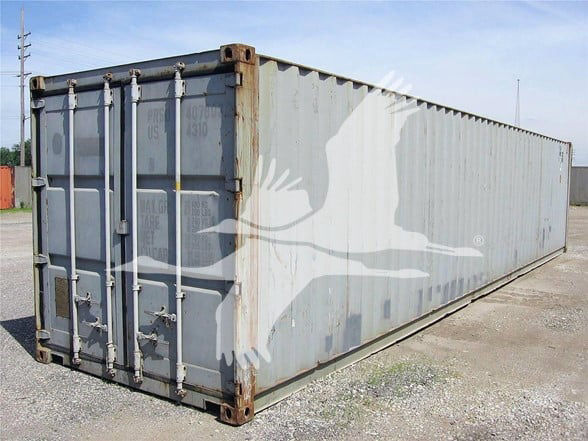
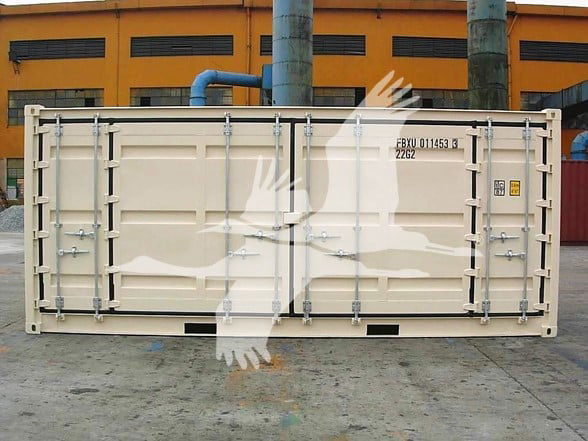
The main spec decision often comes down to 20-foot versus 40-foot. A 20-foot container is easier to place in tighter spaces and can better match smaller fleets, local contractors, and property owners who need compact secure storage. A 40-foot container provides substantially more cubic capacity and is commonly chosen for bulk storage, seasonal inventory, or larger equipment and material staging. High cube models add roughly one extra foot of interior height, which helps with taller cargo, stacked goods, and maximizing usable volume. If side access is important, open-side containers can save labor and improve loading efficiency when forklifts need broader entry.
A serious buyer should also confirm how the container will be used and moved. ISO-style steel containers are built for durability, but not every unit is set up the same for transport, placement, or modified use. Verify overall length, internal height, floor condition, door hardware, and any prior repairs before purchase. If the container will be used for storage only, cleanliness, dry interior condition, and door operation may matter more than cosmetic dents. If it will support freight handling or repeated relocation, pay closer attention to frame condition, corner castings, and structural straightness. General container trailers in this category are best suited for buyers who need simple, rugged enclosed storage with predictable dimensions and proven steel construction.
Frequently Asked Questions about General Trailers in Illinois
What is the difference between a standard container and a high cube container?
A standard container is the conventional height used in most shipping and storage applications, while a high cube container is typically about one foot taller internally. That extra height increases cubic capacity and makes it easier to load taller materials, stacked pallets, shelving, or bulky equipment. For buyers focused on storage efficiency, the high cube version often delivers more usable space without increasing the footprint.
Is a 20-foot or 40-foot General container better for storage?
The better choice depends on available space, access, and how much material needs to be stored. A 20-foot container is easier to position on smaller properties and tighter jobsites, and it works well for tools, parts, and contractor equipment. A 40-foot container offers much more total storage volume and is better suited for inventory, long-term material staging, or larger commercial use. The tradeoff is that a 40-foot unit requires more room for placement and door swing clearance.
What should I inspect on a used steel shipping container before buying?
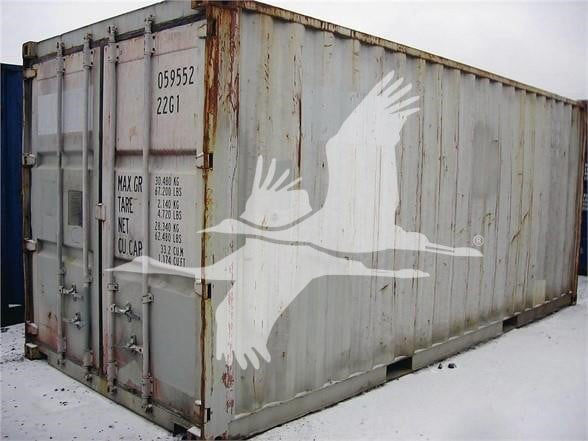
Start with the structural areas first. Look for damage at the corner castings, lower rails, roof seams, and door frame, since those areas affect strength and weather resistance. Check that both doors open and close correctly, the gaskets seal well, the floor is solid, and there are no soft spots, major rust-through, or signs of standing water inside. Cosmetic dents are common, but door misalignment and structural corrosion are more important concerns.
What does wind and water tight mean on a container?
Wind and water tight generally means the container is enclosed well enough to keep out normal rain and outside air intrusion for basic storage use. It does not automatically mean the unit is like-new or certified for international cargo service. Buyers should still inspect door seals, roof condition, floor integrity, and repair history, especially if the container will protect valuable equipment, inventory, or moisture-sensitive materials.
Why would a buyer choose double doors or an open-side container?
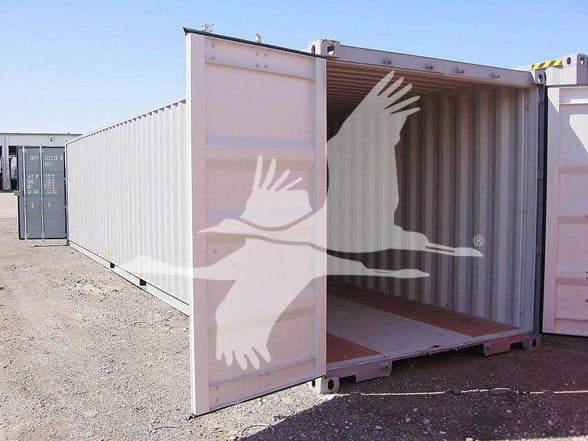
Access can be as important as size. A container with double doors or doors at both ends allows easier loading and unloading when cargo needs to be reached quickly without moving everything inside. An open-side container provides broad side access, which is useful for forklifts, long materials, and applications where the container functions more like a secure onsite storage bay than a traditional sealed box. These access options can improve labor efficiency and reduce handling time.