
New General Trailers For Sale in Illinois
Shop new General trailers for sale in Illinois, including 20-foot and 40-foot container units with high-cube, double-door, and open-side options.
Selling a new general trailer? List your new general trailer for sale and reach thousands of commercial buyers.
New General Trailers in Illinois
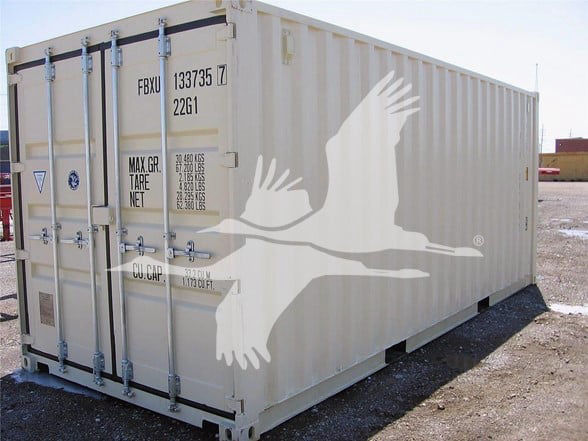
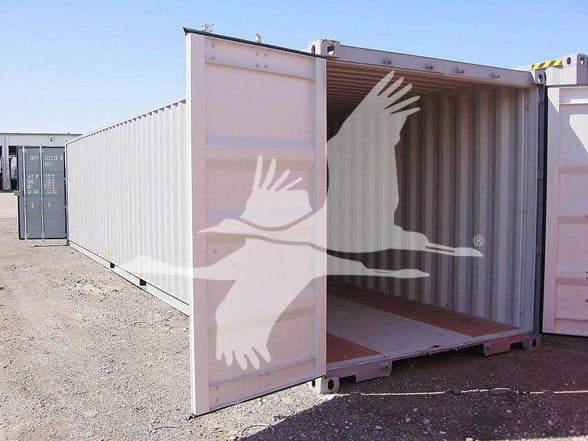
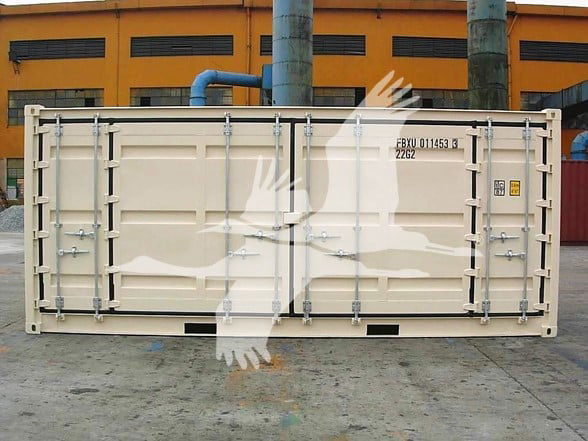
Door arrangement is another major buying point. Standard end-door containers work well for straightforward storage and transport applications, while double-door or open-side designs improve access when cargo needs to be loaded from multiple positions or unloaded quickly without shifting everything inside. Lock boxes are a common feature on new General container trailers and are worth paying attention to if theft prevention is a priority. Buyers also tend to look for wind and water tight construction, solid door seals, straight frame rails, and flooring condition, especially when the container will be used for long-term outdoor storage in Midwest weather.
For Illinois use, corrosion resistance, paint condition, and overall weather sealing matter more than many buyers expect. Freeze-thaw cycles, road salt exposure, and seasonal moisture can shorten service life if the unit is not properly coated and maintained. New containers are often chosen over used units when appearance, structural consistency, and reduced repair time are part of the calculation. A new unit can also make sense for retail storage, farm supply storage, construction staging, municipal use, and manufacturing sites where doors, locking hardware, and floor integrity need to be dependable from day one.
When comparing General container trailers, check inside cubic capacity, standard versus high-cube height, door opening dimensions, side access options, flooring material, and security hardware. Some buyers need a basic storage box, while others need a container that can support repeated loading cycles with forklifts or provide easier access for tools, parts, or inventory. The best choice usually comes down to footprint, access, and how the container will be used over the next several years, not just the purchase price.
Frequently Asked Questions about New General Trailers in Illinois
What is the difference between a standard container and a high-cube container?
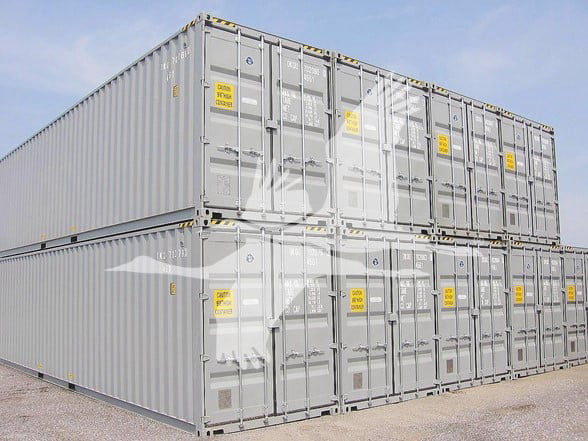
A high-cube container is typically about one foot taller than a standard-height container, which increases internal cubic capacity and improves clearance for taller cargo, shelving, or stacked materials. For many buyers, that extra height makes loading easier and creates more usable storage volume without increasing the container's overall length. Standard-height containers still make sense when site restrictions, stacking plans, or compatibility requirements favor a lower profile.
Are double-door and open-side containers better than standard end-door containers?
It depends on how the container will be loaded and accessed. Standard end-door containers are common and efficient for general storage, but double-door and open-side configurations can save time when cargo needs to be reached from more than one end or from the side. These layouts are especially useful for jobsite tools, long materials, retail inventory, and applications where partial unloading is frequent.
Why do buyers look for wind and water tight construction on a new container trailer?
Wind and water tight means the container is built and sealed to keep out normal weather intrusion, which is critical for protecting equipment, parts, paper goods, tools, and packaged inventory. Buyers should still inspect door gaskets, locking bars, roof panels, corner castings, and flooring because overall weather resistance depends on the complete condition of the unit, not just one feature. In Illinois, strong weather sealing is especially important because of rain, snow, and seasonal temperature swings.
What size container is better for most buyers, 20-foot or 40-foot?
A 20-foot container is often easier to place on tighter sites and works well for dense, heavy cargo or compact storage needs. A 40-foot container provides much more floor space and is often preferred for larger inventory, equipment storage, construction materials, or applications where organization inside the unit matters. The right size depends on available site space, loading method, expected cargo volume, and whether the container will be moved frequently or left in place.
What should I inspect on a new General container before buying?
Focus on structural straightness, door operation, seal condition, flooring integrity, roof condition, corner castings, paint finish, and security features such as lock boxes. If the container will be used with forklifts, check floor strength and door opening clearance. If outdoor placement is planned, look closely at coating quality and any areas that may be prone to moisture retention or corrosion over time.