
New 2027 Gasoline - Fuel Trailers For Sale
Shop new 2027 gasoline fuel trailers, including DOT 406 petroleum tank trailers with multi-compartment designs and modern loading specs.
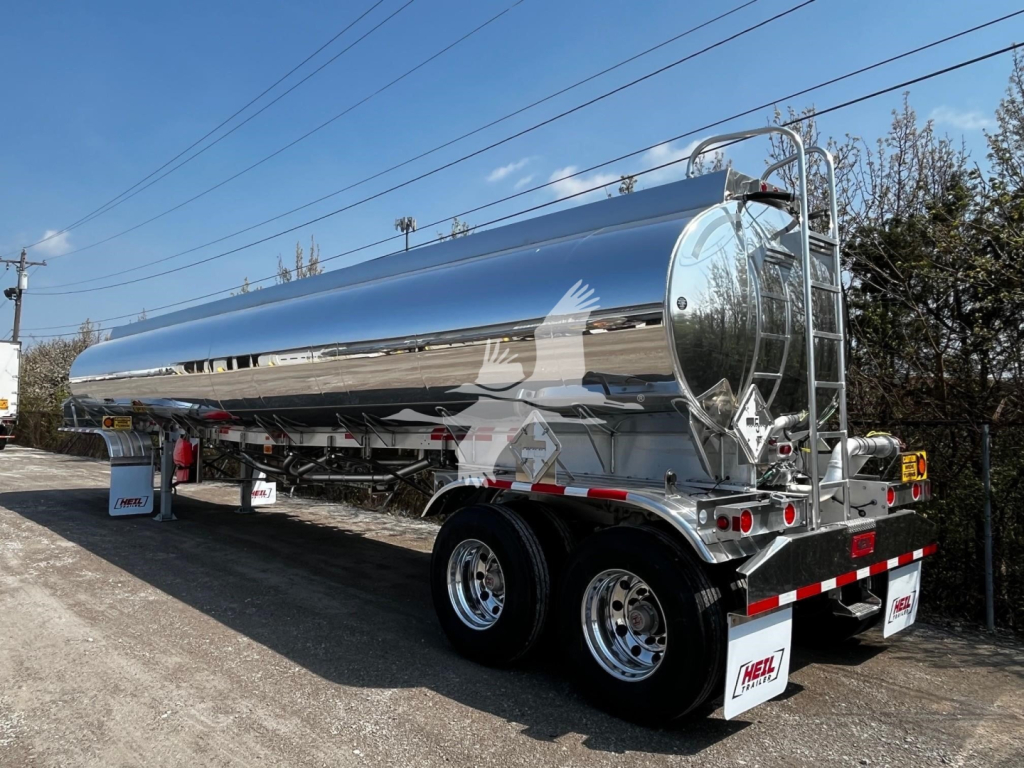
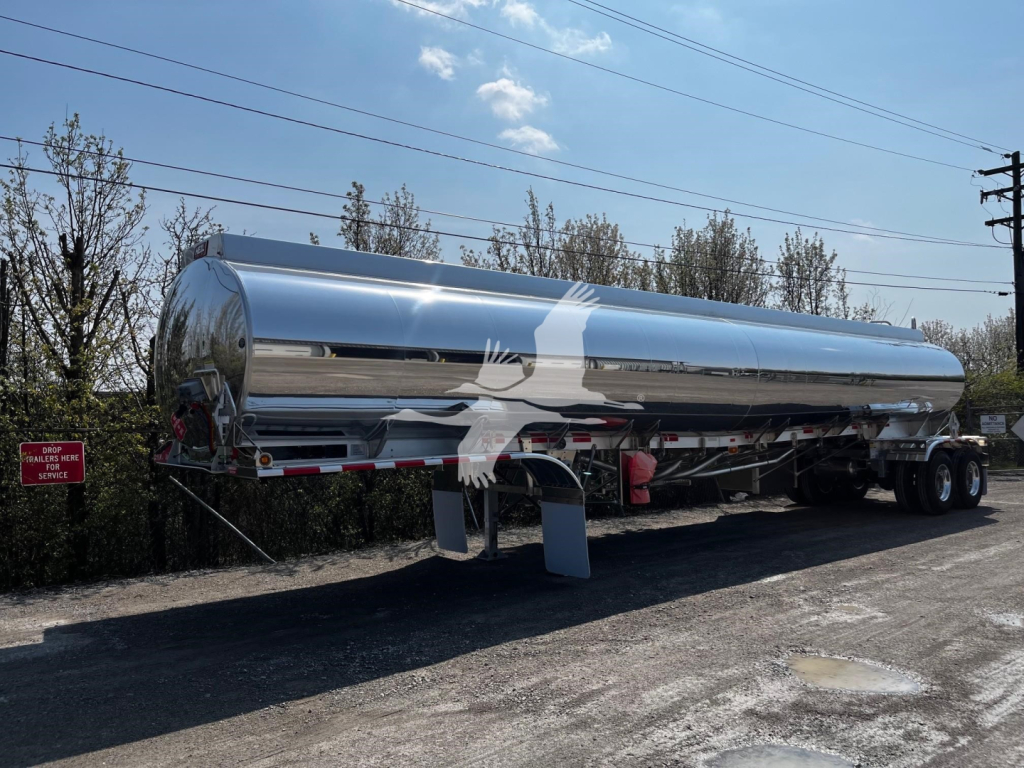
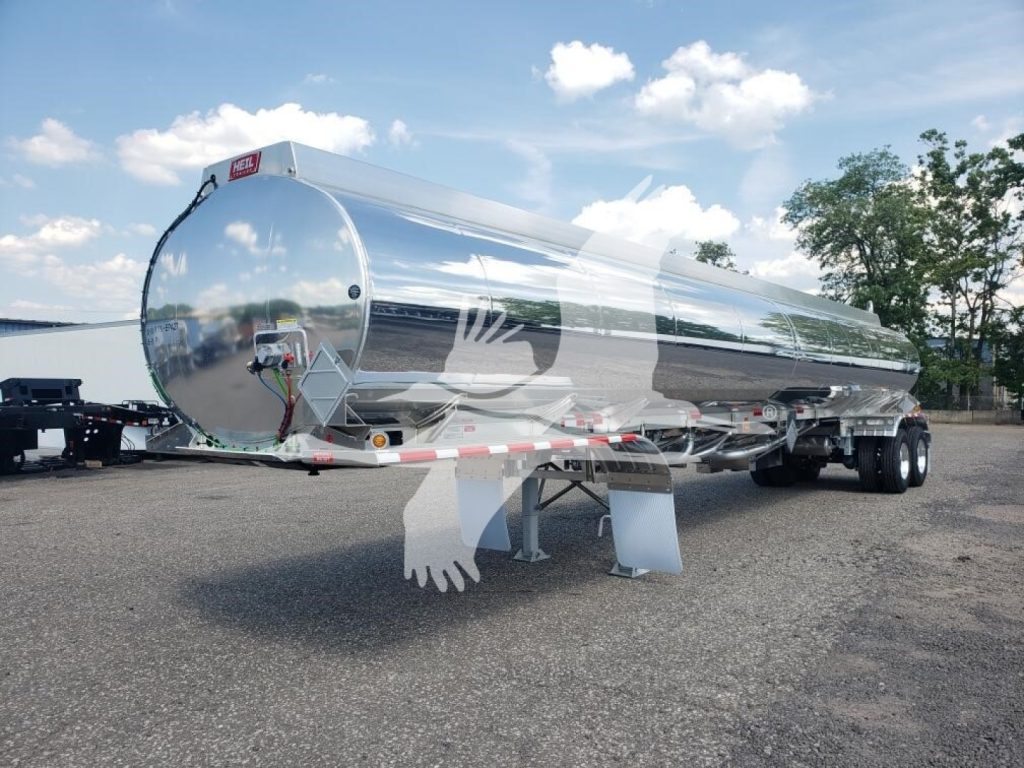
Selling a new 2027 gasoline - fuel trailer? List your new 2027 gasoline - fuel trailer for sale and reach thousands of commercial buyers.
New 2027 Gasoline - Fuel Trailers
A serious buyer should pay close attention to the tank construction and product handling package. Aluminum piping is common for weight savings and corrosion resistance, while API discharge valves, drop adapters, sight glasses, and vapor recovery outlets are standard on many petroleum specs. Overfill systems from Flo-Tech, Civacon, Dixon, or Bayco are common, and they matter if the trailer will load at modern fuel racks with optic or onboard monitoring requirements. Bulkhead design also matters. Single, double, or mixed bulkhead configurations affect slosh control, contamination prevention, and long-term durability when hauling multiple grades. Drain troughs, commodity indicators, emergency air-operated valves, and a well-laid-out EVO cabinet all add up to faster, cleaner, and safer terminal and store deliveries.
Running gear choices are just as important as the tank itself. Many new gasoline trailers in this class ride on tandem air ride suspensions from Hendrickson or similar premium suppliers, often with 11R22.5 tires, aluminum wheels, and fixed tandem settings that support stable road manners and predictable weight distribution. Buyers moving fuel into tighter retail locations should also look at kingpin setting, overall trailer length, rear ladder placement, hose tray design, and cabinet placement, since these details affect maneuverability and day-to-day driver usability. Disc brakes, roll stability systems, and ABS packages are increasingly relevant on new-spec petroleum trailers, especially for fleets focused on safety scores, maintenance intervals, and controlled stopping performance under loaded conditions.
The best gasoline fuel trailer spec is the one that matches your delivery pattern, terminal requirements, and product mix. A higher-capacity 4-compartment trailer may fit a streamlined route structure with larger drops, while a 5-compartment design can give more flexibility for regular, mid-grade, premium, diesel, and additive-separated loads. New 2027 models are generally ordered with current rack-compatible loading equipment, lighting upgrades, full-length hose trays, fittings cabinets, flip or slide-in placards, and work-light packages to support night deliveries. For a buyer comparing multiple listings, the critical differences are usually compartment sizes, vapor system type, overfill package, brake spec, suspension package, and tare weight, because those are the details that affect payload, compatibility, and operating efficiency every day.
Frequently Asked Questions about New 2027 Gasoline - Fuel Trailers
What is a DOT 406 gasoline fuel trailer?
A DOT 406 gasoline fuel trailer is a cargo tank trailer designed for transporting flammable liquid petroleum products such as gasoline, diesel, and ethanol blends. It is the standard trailer type used in retail fuel delivery because it is built for lower-pressure service, supports multi-compartment product segregation, and can be equipped with API bottom loading, vapor recovery, and overfill protection systems required at modern fuel terminals.
What capacity is typical for a new gasoline fuel trailer?
Many new gasoline fuel trailers fall in the 9,000 to 9,500 gallon range, although exact capacity depends on barrel shape, axle spacing, tare weight targets, and compartment configuration. A 4-compartment trailer often favors larger drop sizes and fewer product splits, while a 5-compartment trailer usually gives better flexibility for multi-grade station deliveries.
Why do compartment sizes matter on a petroleum trailer?
Compartment sizes determine how efficiently the trailer can serve the routes you run. If your delivery schedule includes multiple stores, different fuel grades, or smaller-volume stop patterns, the wrong compartment layout can create partial-load inefficiencies or force extra trips. Buyers should compare the listed compartment breakdown to actual average drop sizes rather than looking only at total gallon capacity.
What features should buyers look for on a new 2027 gasoline trailer?
The most important features are usually the overfill protection system, vapor recovery configuration, discharge valve brand and style, emergency valve controls, suspension and brake package, and overall tare weight. Buyers should also confirm terminal compatibility for optic sensors, API equipment, and grounding systems. Operational details such as hose tray length, fittings cabinet layout, ladder location, placard style, and work lights have a real impact on driver efficiency and serviceability.
Are air ride suspension and disc brakes worth it on a fuel trailer?
For many operators, yes. Air ride suspension can improve stability and reduce shock transfer into the tank and running gear, while disc brakes can provide more consistent stopping performance, easier inspection, and cleaner service intervals than traditional drum setups. On petroleum equipment, those benefits matter because the trailer operates at high utilization, often in stop-and-go delivery conditions and on tight schedules where safety and uptime are critical.