
New 2027 Heil Gasoline - Fuel Trailers For Sale
New 2027 Heil gasoline fuel trailers for sale. Compare DOT 406 tank specs, compartments, vapor recovery, safety systems, and suspension options.
Have new 2027 heil gasoline - fuel trailer to sell? List it here to reach thousands of buyers.
New 2027 Heil Gasoline - Fuel Trailers
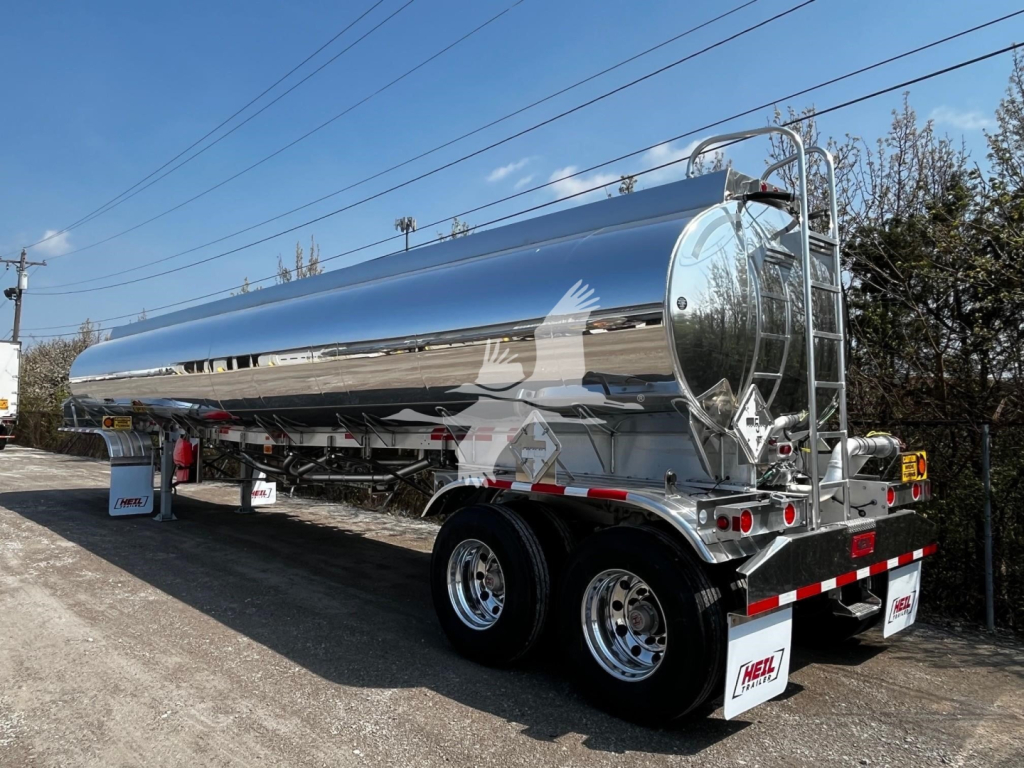
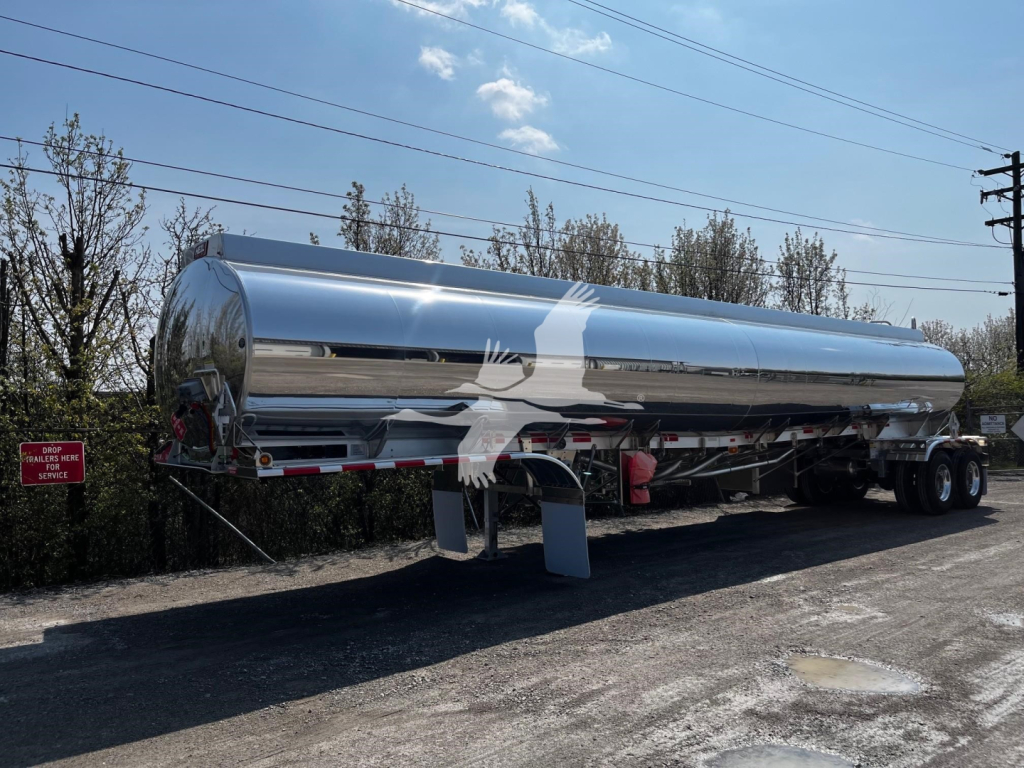
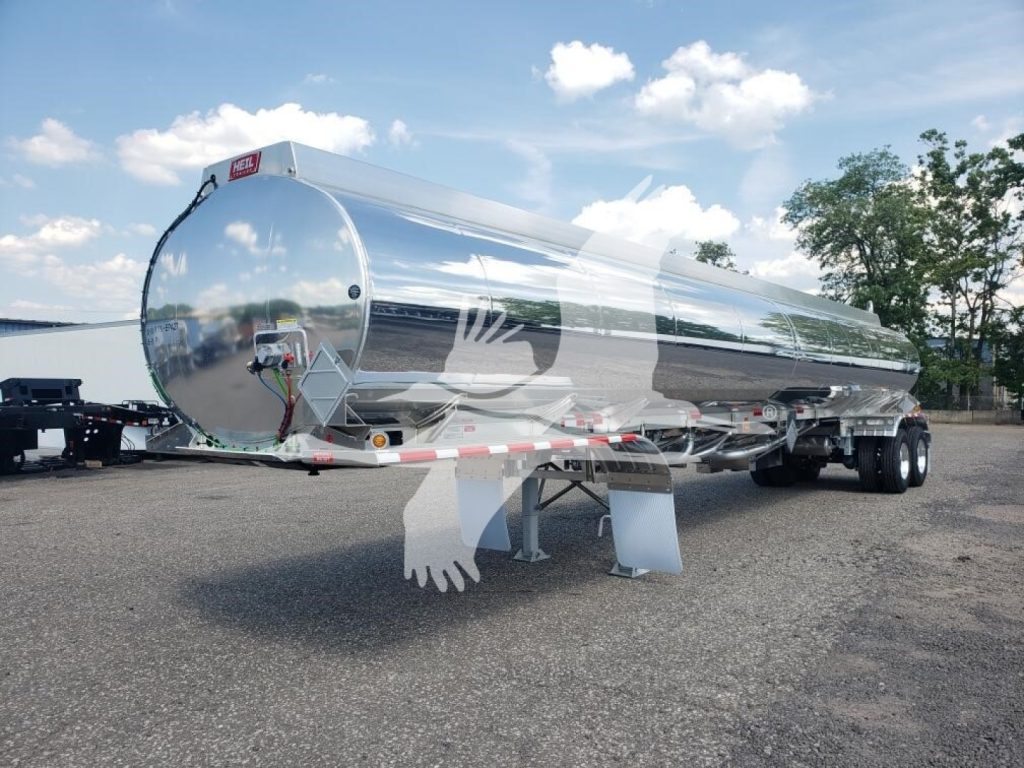
The biggest spec decision is how the trailer fits your delivery pattern. A 4-compartment fuel trailer can simplify maintenance and loading while still handling standard station drops. A 5-compartment configuration gives dispatch more flexibility for mixed-product runs and smaller-volume deliveries. Buyers should look closely at bulkhead construction, drain troughs, and discharge layout. Common equipment in this category includes 4-inch API discharge valves, openable adapters, sight glasses, internal or external vapor recovery, and emergency air-operated valves housed in an EVO cabinet. Overfill protection systems such as Flo-Tech or Civacon ROM III are standard expectations for new builds, especially when the trailer must integrate cleanly with modern terminal loading racks and retail unloading procedures.
Suspension, brake, and chassis details matter more than many first-time tanker buyers expect. New Heil fuel trailers in this class are commonly tandem axle units with air ride suspension, Hendrickson running gear, 11R22.5 tires, aluminum wheels, and fixed tandem settings. Disc brakes, roll stability systems, and ABS packages are increasingly important for fleets focused on uptime, driver control, and maintenance intervals. Kingpin setting, landing gear spec, and suspension frame material all affect weight distribution, maneuverability, and long-term durability. Buyers comparing new units should also pay attention to cabinet layout, hose tray length, ladder position, placard style, work lights, and fender configuration because those details influence everyday loading, unloading, and inspection efficiency.
For petroleum service, Heil remains a recognized name because these trailers are generally spec'd for practical fleet use rather than cosmetic appeal alone. The right trailer depends on terminal compatibility, state compliance requirements, axle weight targets, and the number of products you expect to haul on a single route. If payload and corrosion resistance are priorities, aluminum construction and well-planned piping layouts are key. If route density and station access are the bigger issue, compartment sizing, rear access design, and discharge ergonomics deserve extra attention. A properly spec'd new gasoline trailer should support safe vapor-tight loading, fast compartment identification, dependable product control, and straightforward serviceability over years of fuel delivery work.
Frequently Asked Questions about New 2027 Heil Gasoline - Fuel Trailers
What is a DOT 406 gasoline-fuel trailer used for?
A DOT 406 trailer is designed for transporting refined petroleum products such as gasoline, diesel, and similar liquid fuels under the regulations that apply to low-pressure cargo tank service. In practical fleet use, this is the standard trailer class for fuel delivery to service stations, cardlock locations, municipal tanks, and commercial customers. Buyers choose DOT 406 designs because they match common terminal loading systems, vapor recovery requirements, and unloading hardware used in petroleum distribution.
How many compartments should a fuel trailer have?
The right number of compartments depends on the mix of products and the number of stops on a route. A 4-compartment trailer is common for straightforward station work where load planning is predictable and larger drops are routine. A 5-compartment trailer gives more flexibility for carrying multiple grades or splitting loads across smaller deliveries, but it also adds complexity in loading, unloading, and maintenance. Compartment size matters as much as compartment count because it determines how efficiently the trailer can be matched to your customer base.
What safety systems are standard on new gasoline trailers?
Most new gasoline-fuel trailers are equipped with overfill protection, vapor recovery, emergency shutoff valves, grounding provisions, ABS, and lighting packages designed for loading and unloading visibility. Many also include roll stability systems, air-operated emergency valves, and clearly marked commodity indicators for each compartment. Buyers should confirm compatibility with terminal optic sensors, rack equipment, and local inspection requirements because a trailer can be well-equipped and still need specific hardware to match a particular operating region or customer profile.
Why do buyers choose aluminum fuel trailers?
Aluminum is widely used in fuel trailer construction because it helps reduce tare weight while offering strong corrosion resistance in petroleum service. Lower empty weight can improve legal payload and operating efficiency, especially on routes where every gallon matters. Aluminum components are also common in piping, wheels, and structural elements for the same reason. Buyers should still evaluate frame design, suspension mounting, and brake package carefully because overall durability depends on the full chassis specification, not just tank material.
What specs matter most when comparing new Heil fuel trailers?
The most important comparison points are total capacity, compartment layout, tank shape, discharge system, vapor recovery design, overfill protection brand, suspension type, brake package, and kingpin setting. Cabinet placement, hose tray design, ladder location, and placard arrangement also affect day-to-day usability more than many buyers expect. For fleet buyers, terminal compatibility and serviceability should be near the top of the list because a trailer that fits the loading rack, unloads efficiently, and is easy to maintain usually delivers better long-term value than a unit chosen on capacity alone.