
New Heil Gasoline - Fuel Trailers For Sale
New Heil gasoline and fuel trailers with DOT 406 specs, multi-compartment tanks, air ride suspensions, and petroleum delivery features.
Have new heil gasoline - fuel trailer to sell? List it here to reach thousands of buyers.
New Heil Gasoline - Fuel Trailers
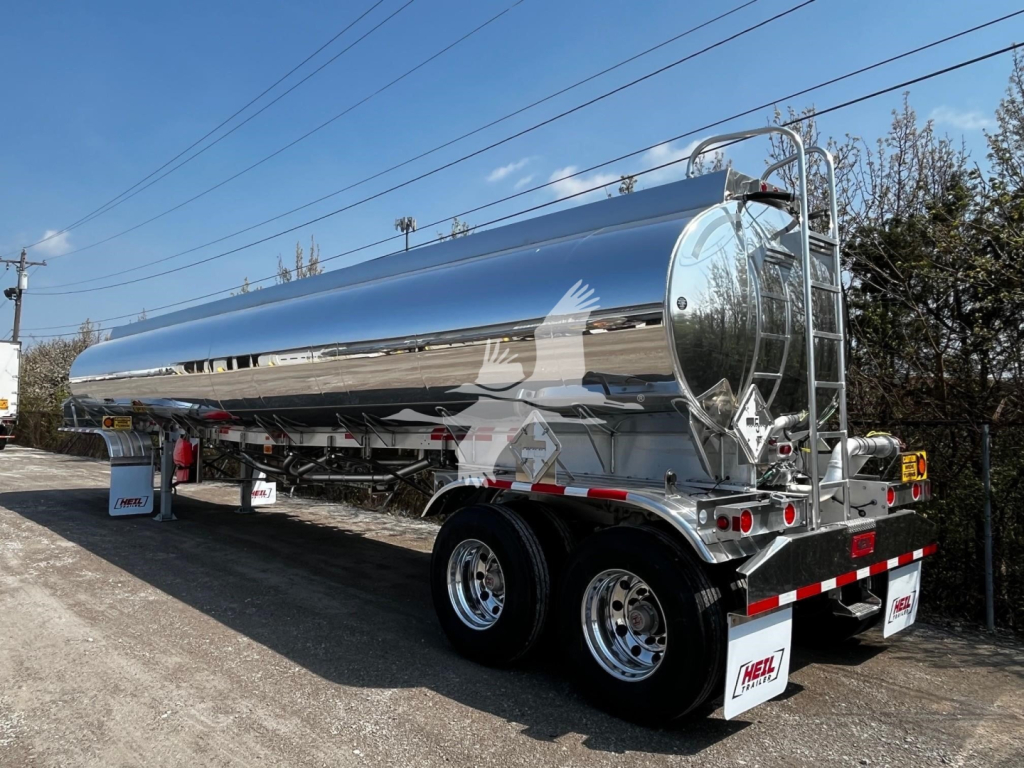
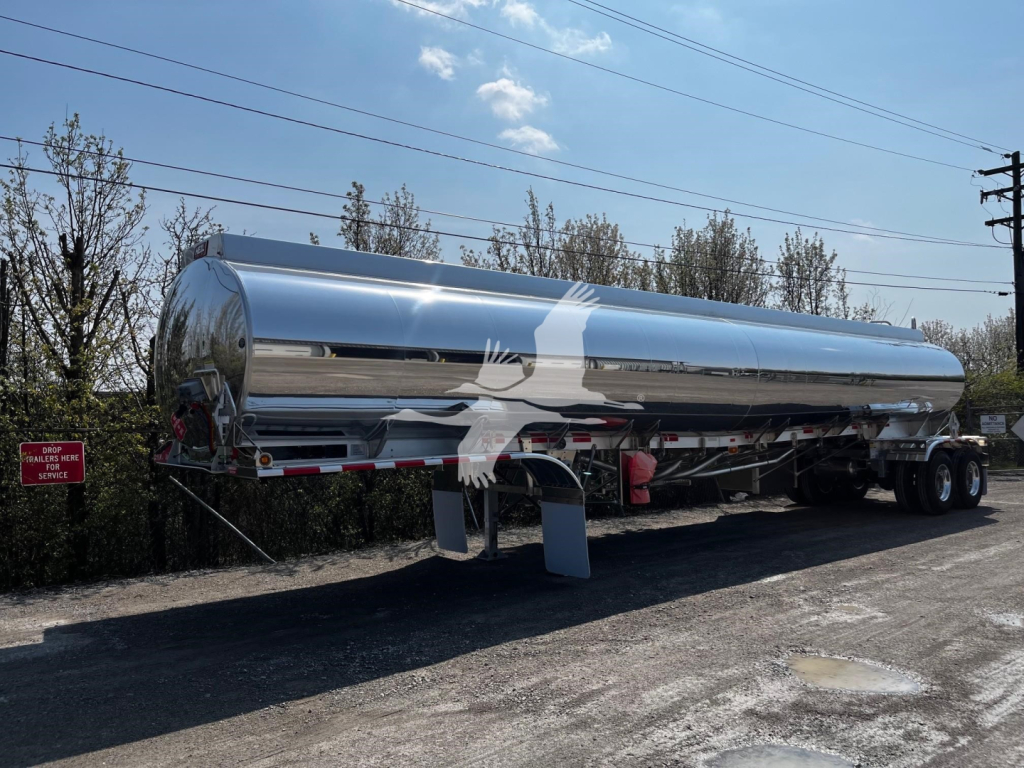
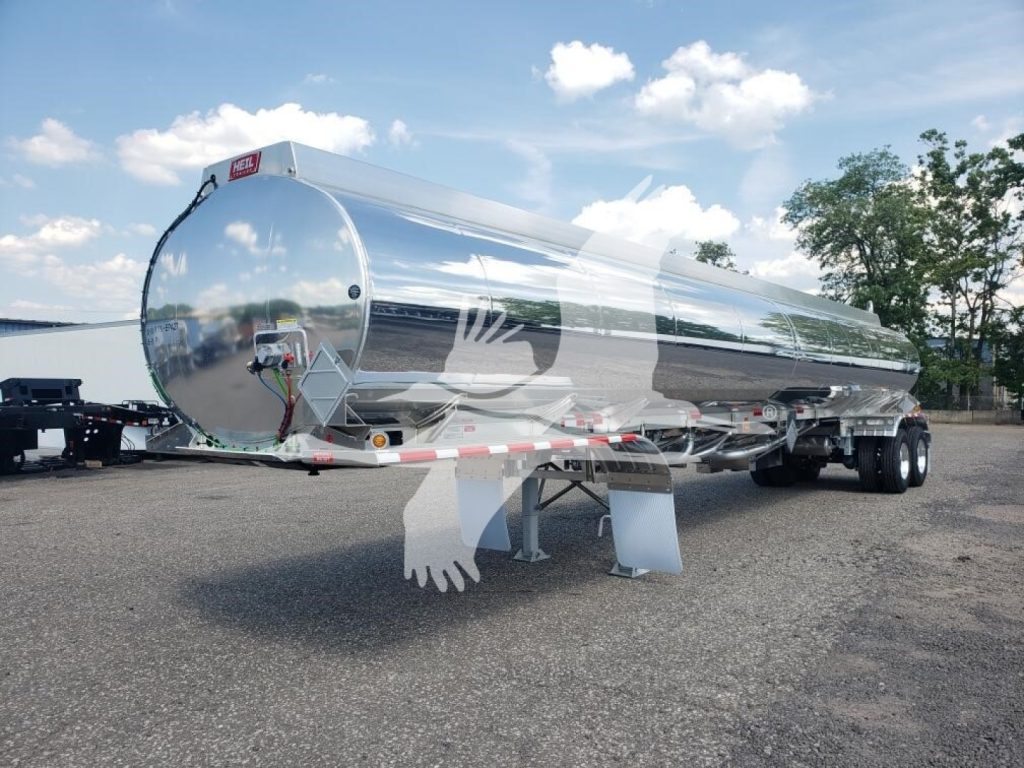
The first decision usually comes down to tank design and compartment package. Common Heil fuel trailer setups in this class run around 9,200 to 9,500 gallons, often with four or five compartments sized to match regular, mid-grade, premium, diesel, or ethanol-blended product drops. Buyers should compare elliptical and double-taper designs based on center of gravity, drain characteristics, and route profile. Bulkhead design also matters. Double bulkheads can add protection against product migration and are often preferred in harder-use applications. Product control hardware is equally important, including API discharge valves, drop adapters, sight glasses, vapor recovery, overfill systems such as Flo-Tech or Civacon, and air-operated emergency valves housed in a protected EVO cabinet.
Chassis and running gear choices affect operating cost as much as the tank itself. Tandem axle air ride suspensions from Hendrickson are common in this category, often paired with 11R22.5 tires, aluminum wheels, and fixed tandem settings that help balance maneuverability with bridge law compliance. Disc brakes, roll stability systems, galvanized suspension hangers, and aluminum subframes are all worth attention for fleets running high stop counts or corrosive environments. Kingpin setting, landing gear spec, and the placement of cabinets, hose trays, and stick tubes should be reviewed with your loading rack and delivery style in mind. A full-length hose tray, rear ladder, contoured fenders, and work lights around the unload area are simple details that make a measurable difference for drivers working night shifts or tight retail sites.
A new Heil petroleum trailer should be evaluated as a delivery tool, not just a tank. Buyers should look closely at compartment sequencing, outlet arrangement, vapor manifold design, overfill compatibility with terminal systems, and placarding setup for the products being hauled. Lightweight trailers can improve revenue payload, but serviceability, parts support, and driver-friendly layout are what keep a fuel hauler productive over the long term. If the trailer is going into gasoline service, make sure the spec matches your terminal requirements, state regulations, and product mix from day one, because retrofitting petroleum equipment after purchase is usually more expensive than ordering the right configuration up front.
Frequently Asked Questions about New Heil Gasoline - Fuel Trailers
What is the typical capacity range for a new Heil gasoline-fuel trailer?
Most new Heil gasoline-fuel trailers in this class fall in the 9,000 to 9,500 gallon range, although exact capacity depends on axle spacing, tank shape, tare weight, and the compartment layout ordered. Capacity alone does not tell the whole story. Buyers should match total gallons and compartment sizes to their stop profile, product mix, and legal payload targets in the states where the trailer will run.
Why do compartment layouts matter so much on a petroleum trailer?
Compartment layout determines how efficiently the trailer can handle split loads and multi-product deliveries. A four-compartment or five-compartment Heil trailer can be set up to support gasoline grades, diesel, ethanol blends, or additive programs without forcing inefficient partial loads. The right compartment sizing reduces retained product, improves dispatch flexibility, and can help a fleet serve more stations per route with fewer compromises.
What features should buyers look for on a DOT 406 fuel trailer?
Key features include aluminum piping, API discharge equipment, vapor recovery outlets, overfill protection, air-operated emergency valves, visible commodity indicators, and well-designed cabinets for fittings and controls. Many buyers also prioritize air ride suspension, disc brakes, roll stability systems, aluminum wheels, and strong lighting around the loading and unloading areas. These features affect compliance, driver safety, maintenance cost, and unloading speed.
Are elliptical and double-taper tanks used for different fuel hauling needs?
Yes. Elliptical and double-taper tanks each have advantages depending on route conditions and operating preference. Elliptical tanks are often chosen for stable handling and familiar petroleum spec packages, while double-taper designs can be attractive for drainage characteristics and weight distribution. The better choice depends on terminal compatibility, center-of-gravity preference, and how the trailer will perform on urban delivery routes versus longer highway runs.
What should a buyer confirm before putting a new gasoline trailer into service?
The buyer should confirm that the trailer spec matches terminal rack requirements, overfill and grounding system compatibility, state and local regulations, product compatibility, and the fleet's standard maintenance practices. It is also smart to verify kingpin setting, tandem location, cabinet placement, and hose tray design against the intended tractor and delivery environment. Small spec mismatches can create daily operating issues on petroleum equipment, even when the trailer is otherwise well built.