
New Gasoline - Fuel Trailers For Sale
New gasoline fuel trailers for petroleum delivery, with MC-406 specs, multi-compartment tanks, vapor recovery, and aluminum construction.
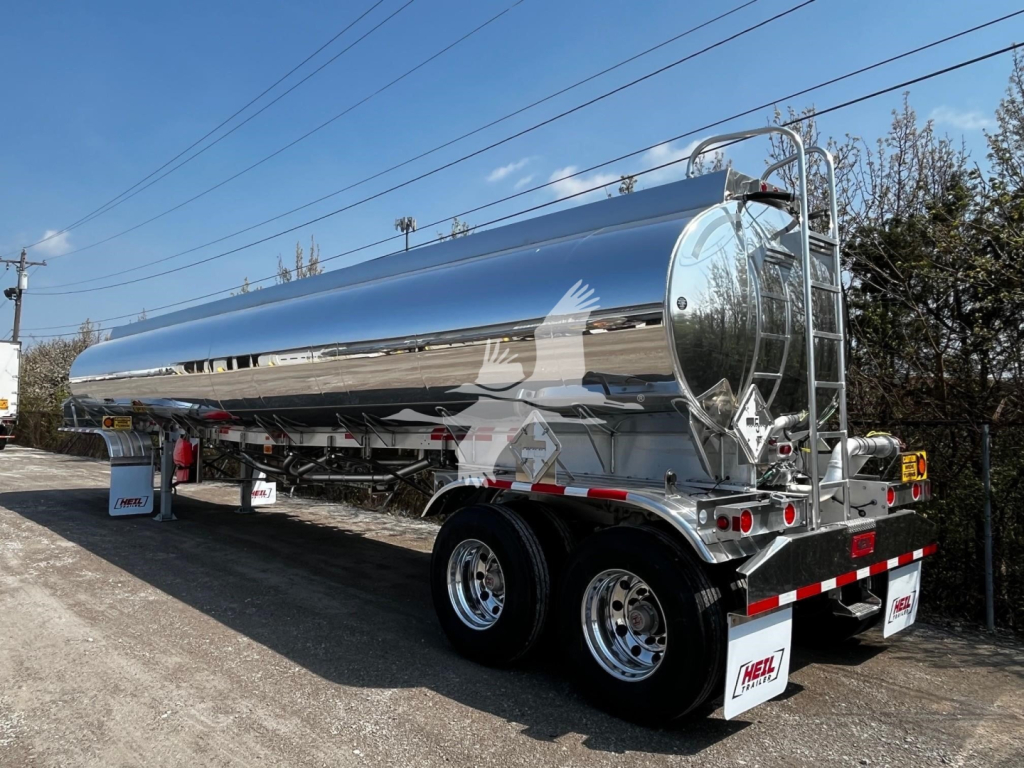
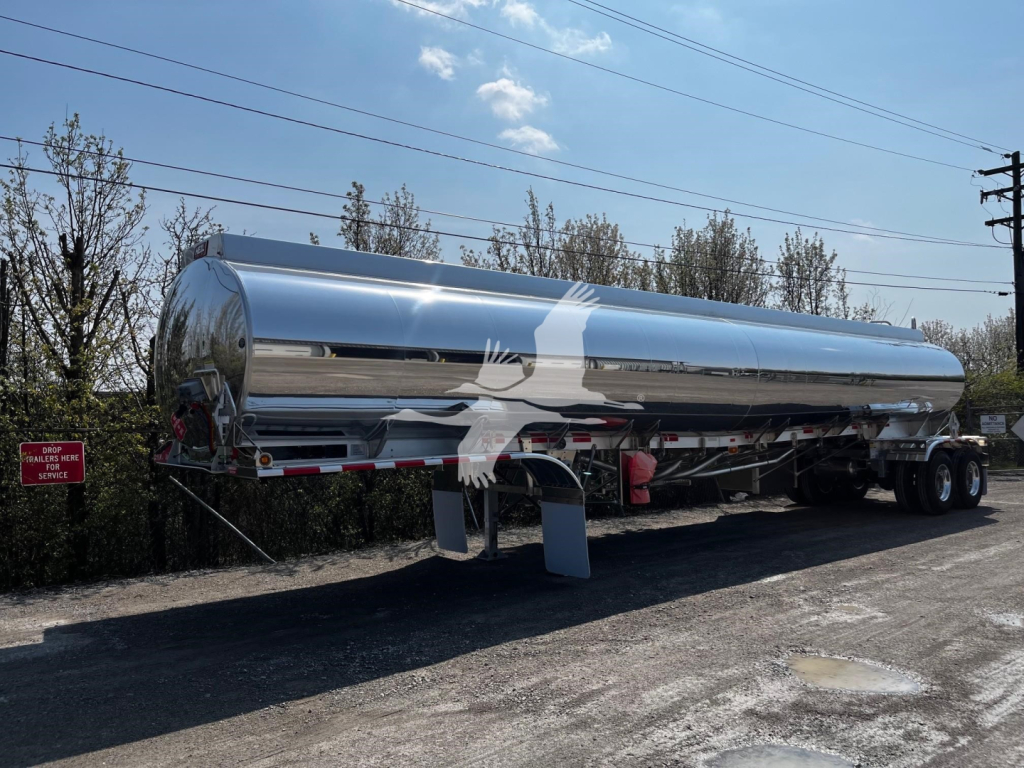
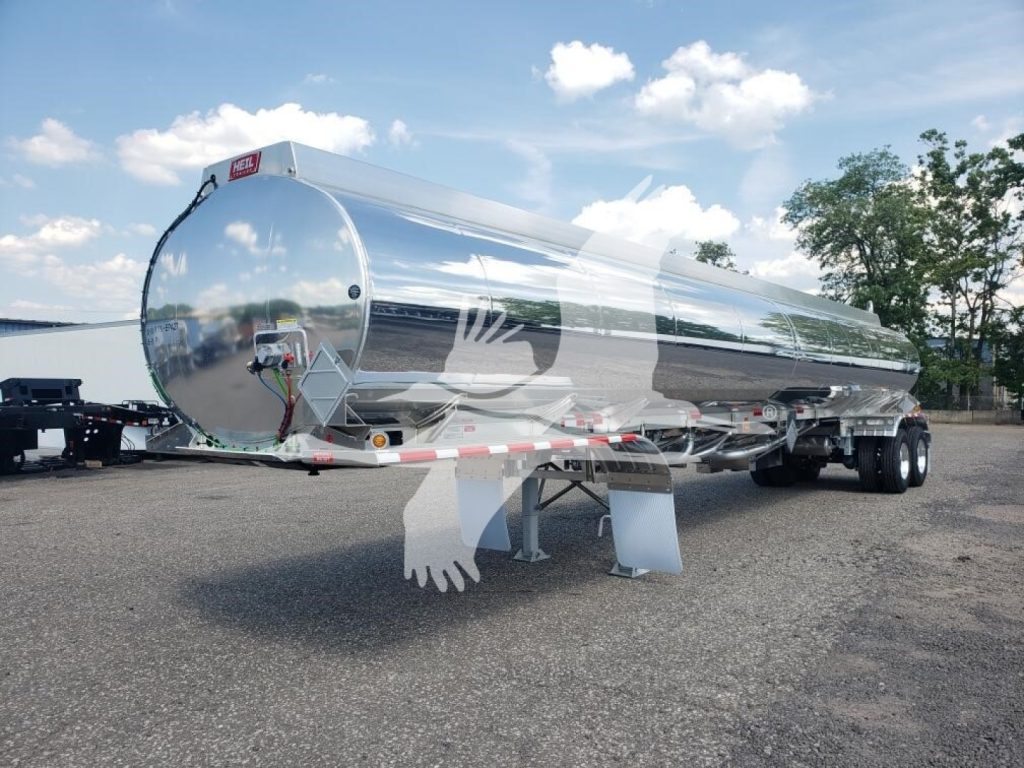
Selling a new gasoline - fuel trailer? List your new gasoline - fuel trailer for sale and reach thousands of commercial buyers.
New Gasoline - Fuel Trailers
Tank construction and running gear drive both tare weight and long-term service costs. Aluminum barrels, aluminum frames, and polished outer wheels are common on new fuel trailers because they help keep empty weight down and improve corrosion resistance. Tandem axle setups with air ride suspension are standard for on-road petroleum work, and many newer specifications include disc brakes, roll stability, and ABS packages for better stopping performance and control. Buyers should pay close attention to kingpin setting, tandem location, and overall length, especially if the trailer will spend time in older stations with tight turns, short drops, or restrictive yard access.
The discharge and safety package is just as important as the barrel itself. Look for petroleum-grade emergency valves, overfill protection, internal vapor recovery, opendable API adaptors, sight glasses, and clearly marked product indicators. These details affect loading rack compatibility, unloading speed, and compliance with terminal and customer requirements. Full-length hose trays, curbside fittings cabinets, EVO cabinets, rear ladders, drain troughs, and stick tube placement also matter in day-to-day operation because they influence ergonomics, hose handling, and spill control. If the trailer is expected to haul multiple fuel grades regularly, a well-planned piping and compartment layout can reduce cross-contamination risk and simplify delivery sequencing.
A good new gasoline trailer spec balances legal payload, route type, and serviceability. Regional fuel haulers often prioritize low tare weight and flexible compartment sizes, while dedicated retail delivery operations may focus more on standardized fittings, safety systems, and fleet commonality. Check axle ratings, GVWR, brake spec, vapor recovery design, and compartment capacities against the products you plan to haul and the terminals you load from. The best fit is usually the trailer that matches your delivery pattern, not simply the one with the highest advertised gallon capacity.
Frequently Asked Questions about New Gasoline - Fuel Trailers
What is an MC-406 gasoline fuel trailer?
An MC-406 gasoline fuel trailer is a highway cargo tank trailer built for transporting refined petroleum products such as gasoline, diesel, and ethanol blends. In practical fleet terms, MC-406 refers to the petroleum tank specification commonly used for multi-stop fuel delivery. These trailers are typically aluminum, elliptical in shape, and equipped with petroleum-specific components such as emergency valves, API adaptors, vapor recovery, and overfill protection.
How many compartments should a gasoline fuel trailer have?
The right number of compartments depends on the mix of products and stop patterns on your routes. Five-compartment trailers are common because they give a fuel hauler enough flexibility to carry multiple grades and split drops across several locations. Fewer compartments can increase usable volume per compartment and simplify plumbing, while more compartments improve load-building flexibility but add complexity and some weight.
Why is vapor recovery important on a new fuel trailer?
Vapor recovery is important because it helps control emissions during loading and unloading and is often required for terminal and regulatory compliance. An internal vapor recovery system allows fuel vapors to be routed properly during product transfer, which improves safety and supports environmental requirements. Buyers should confirm that the vapor recovery setup matches the terminals and delivery locations the trailer will serve.
What specs matter most when comparing new gasoline trailers for sale?
The most important specs usually include total gallon capacity, compartment sizes, tank material, axle configuration, suspension type, brake package, kingpin setting, and overall trailer length. Buyers should also review overfill protection, emergency valve type, piping material, vapor recovery, and cabinet layout because these features affect loading rack compatibility and delivery efficiency. Tare weight matters as well, since a lighter trailer can improve legal payload depending on tractor setup and state bridge laws.
Are aluminum gasoline fuel trailers better than steel?
Aluminum gasoline fuel trailers are widely preferred in petroleum service because they reduce empty weight and offer strong corrosion resistance in normal fuel hauling applications. Lower tare weight can translate to more legal payload, which matters on high-volume routes. Steel may be used in other tank applications, but for over-the-road refined fuel delivery, aluminum remains the standard choice for many fleets and owner-operators.