
Fontaine Trailers For Sale in Pennsylvania
Shop Fontaine trailers for sale, including lowboy, hydraulic detachable, and extendable flatbed models built for heavy haul and specialized loads.
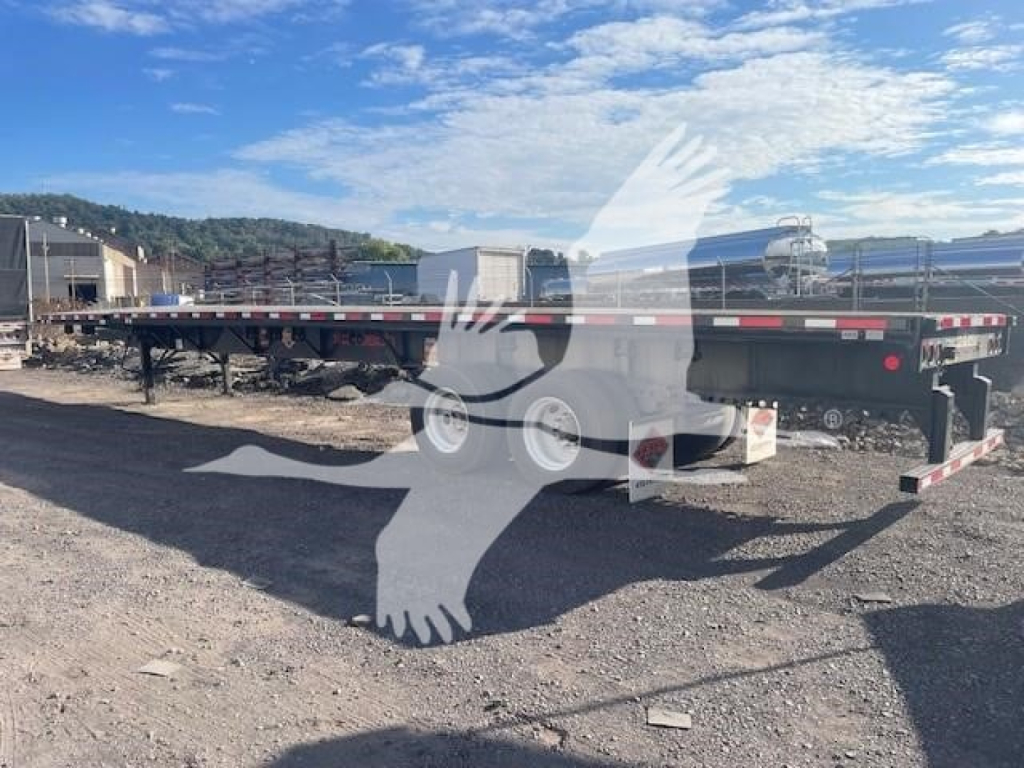
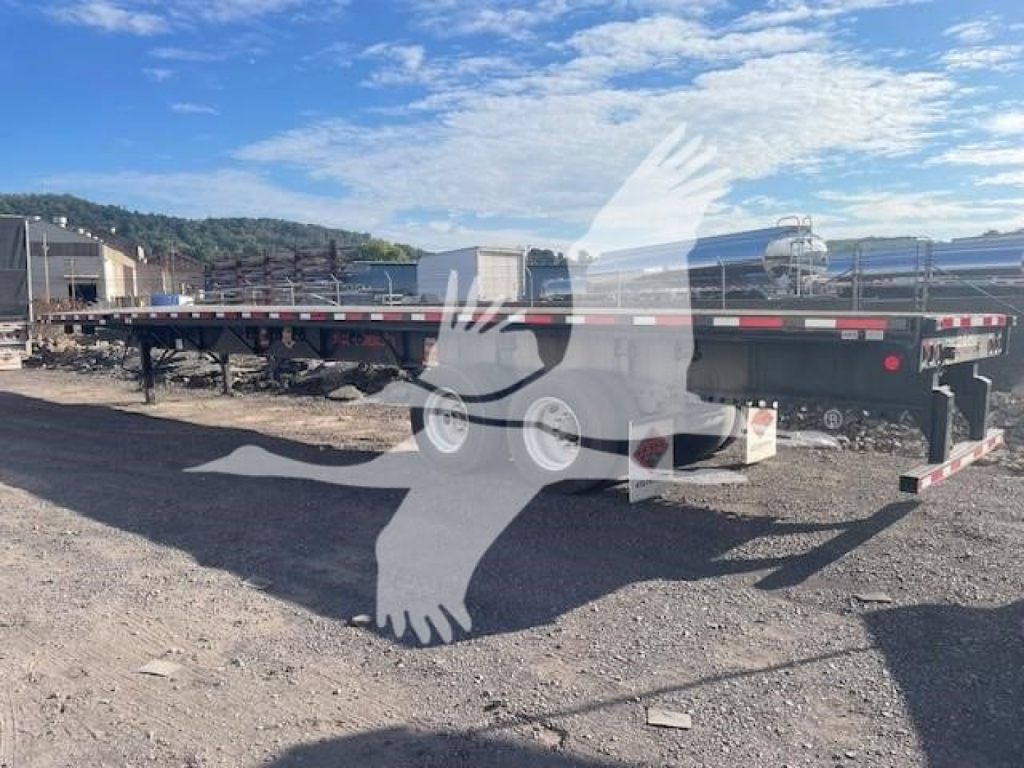
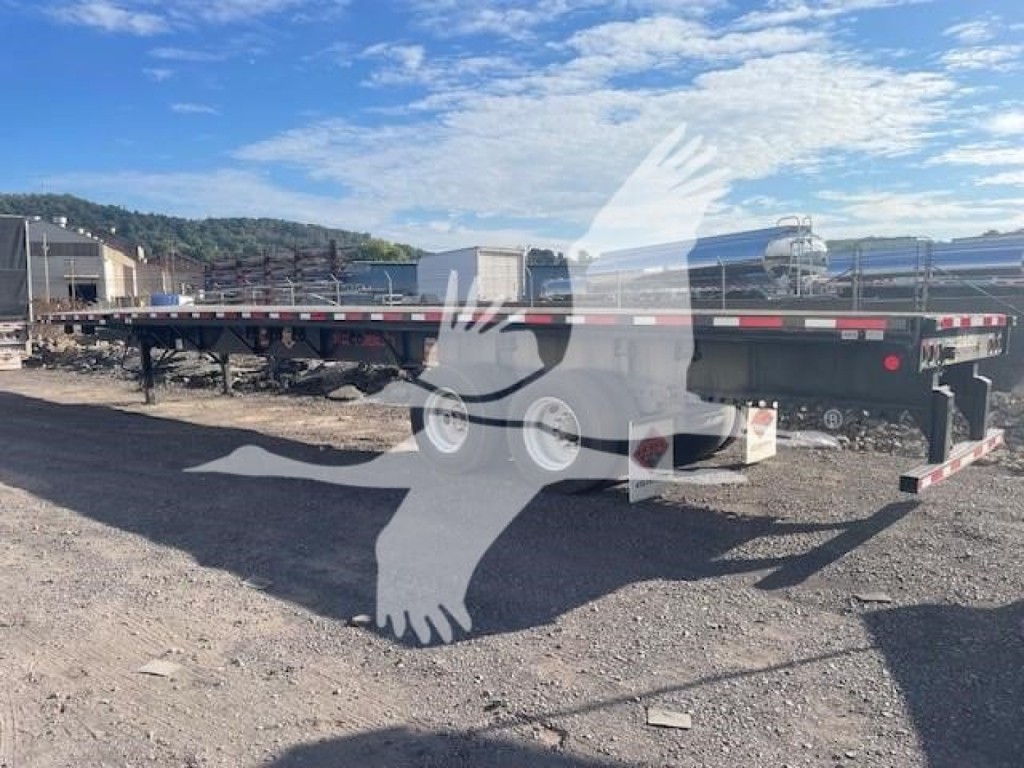
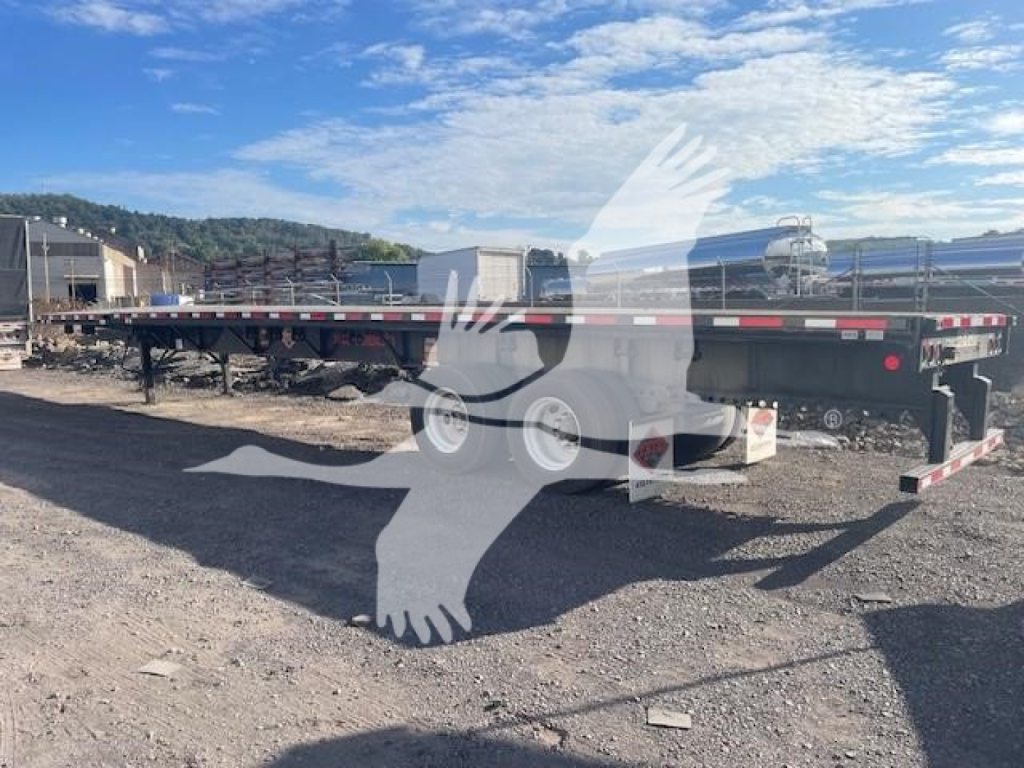
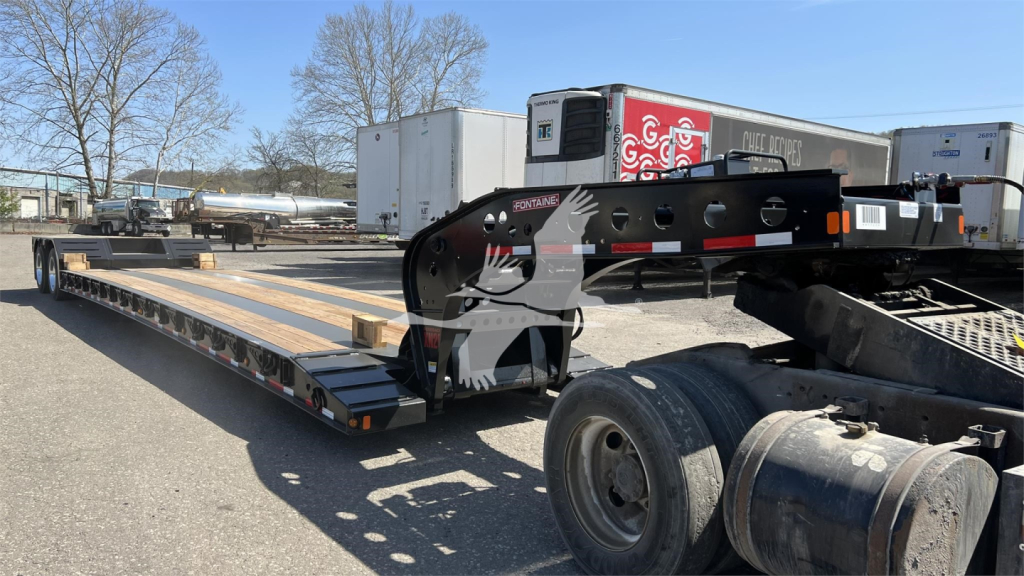
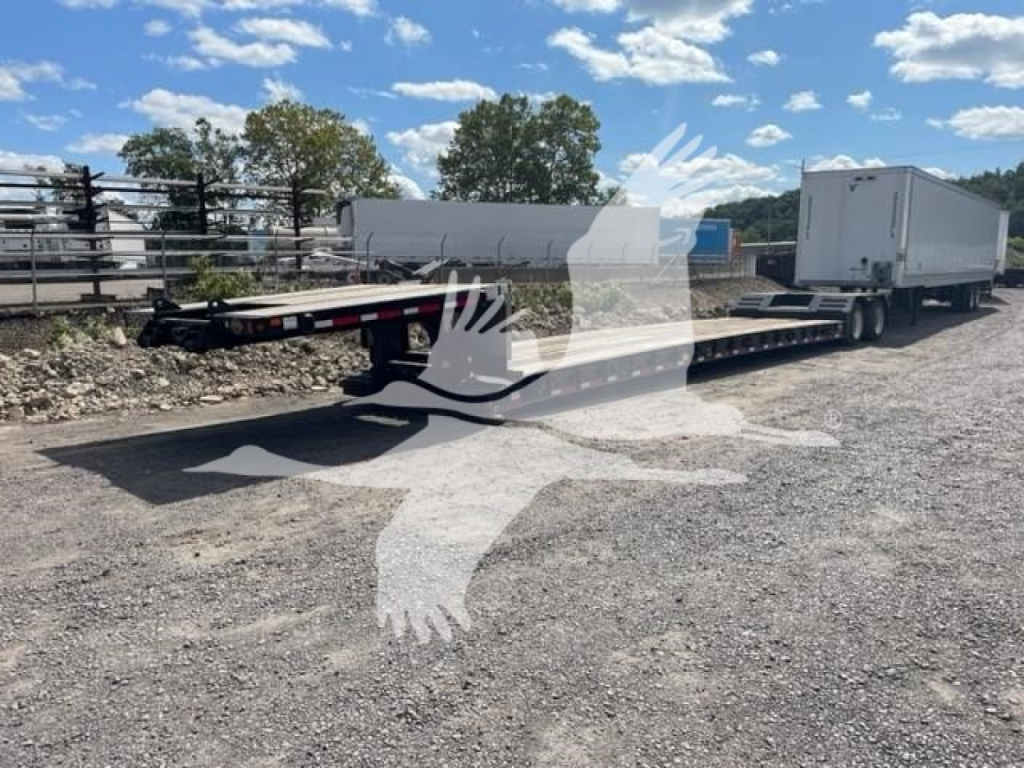
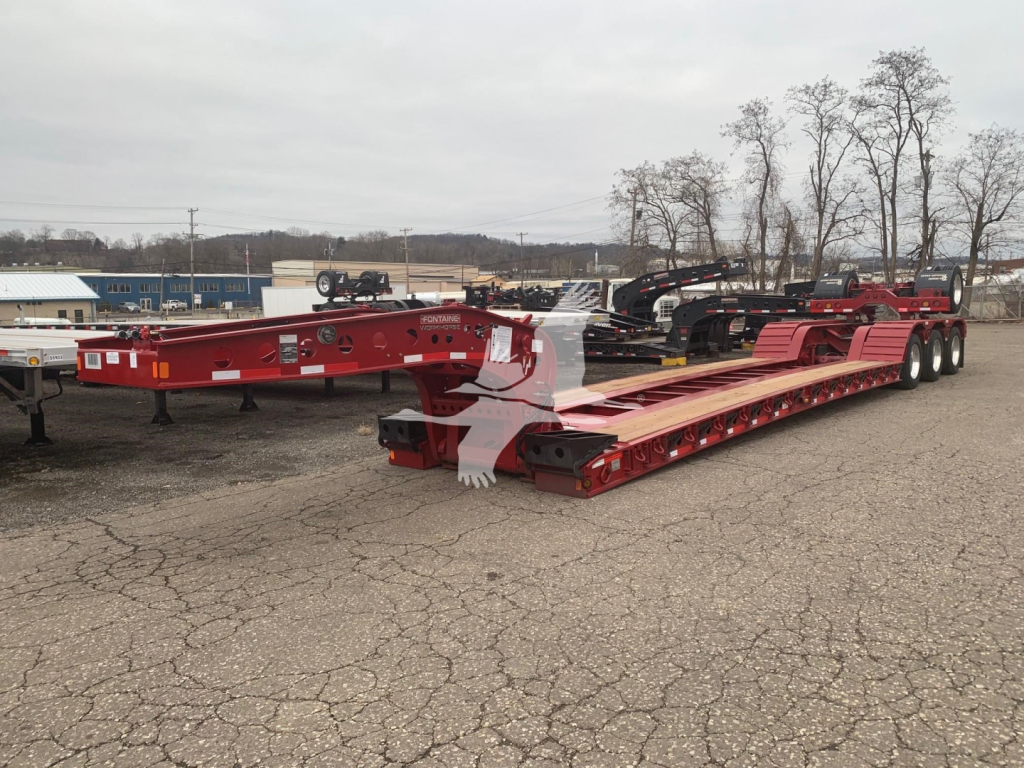
Showing 49 to 63 of 63 results
Have fontaine trailer to sell? List it here to reach thousands of buyers.
Fontaine Trailers in Pennsylvania
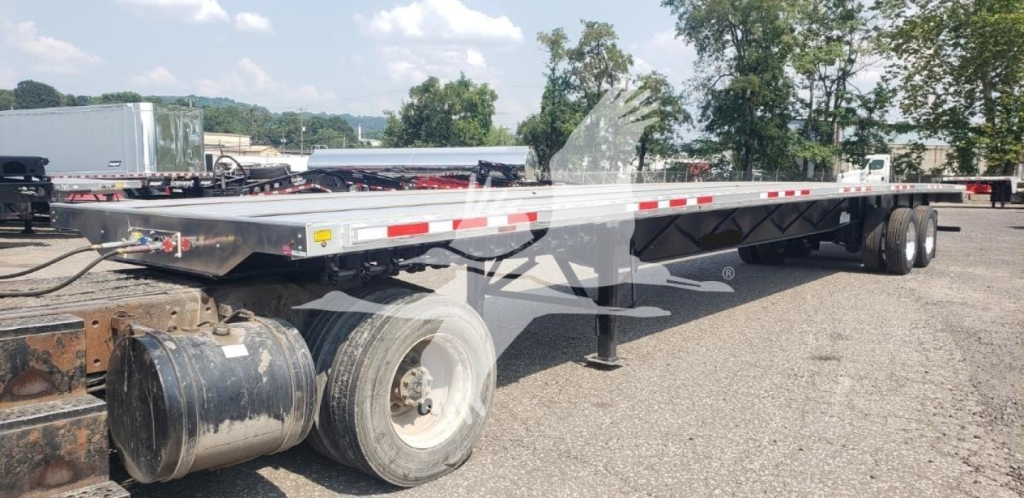
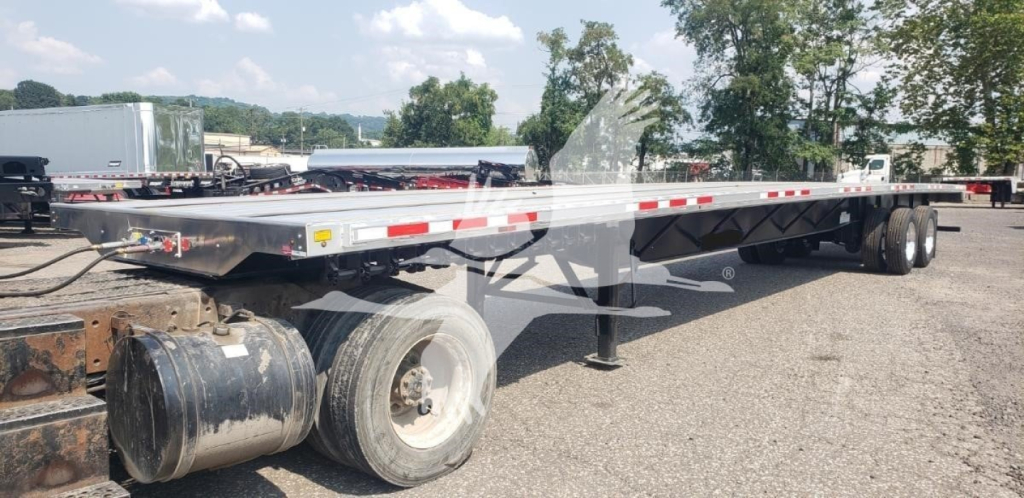
On the flatbed side, Fontaine extendable trailers are typically built around a steel frame with Apitong flooring, sliding tandems, winch tracks, and extension lock positions set in usable increments such as 5 feet. Common deck widths are 102 inches, with closed lengths around 48 feet and extended lengths reaching 80 feet depending on configuration. Important buying points are the extension design, crossmember spacing, kingpin setting, side rail strength, and whether the trailer is spec'd for distributed freight or more specialized loads like pipe, steel, or precast. A roadside winch track, sliding winches, pipe spools, and a durable wood floor matter if the trailer will spend most of its life in open-deck service.
Fontaine lowboys and detachable gooseneck trailers are built for heavier, denser cargo where deck height, load angle, and axle group layout matter more than pure deck length. Common specs include hydraulic detachable necks, non-ground-bearing goosenecks, tri-axle air ride suspensions, mechanical ride height control, rear lift axles, boom wells, bucket wells, swing-out outriggers, and wood-filled ramp systems. Capacity ratings vary by model and deck length, but many buyers will compare them in the 55-ton to 60-ton class. Deck height is a major decision point because it affects overall loaded height, while swing clearance, loaded fifth wheel height, flip axle compatibility, and flip neck extension options determine how flexible the trailer will be across different machines and permitting requirements.
A smart Fontaine trailer purchase usually comes down to matching the trailer structure to the freight profile instead of buying strictly by rated tonnage. Check the main deck length, concentrated load rating, axle spacing, suspension type, outriggers, D-ring count, and flooring layout. For lowboys, pay close attention to ramp angle, detachable neck design, and whether the trailer is already equipped for future expansion with flip axles or neck extensions. For extendables, focus on tare weight, extension stability, tandem travel, and tie-down layout. Fontaine has long been recognized in specialized hauling because these trailers are typically spec'd for practical field use, not just brochure capacity, and that matters when the work includes jobsite loading, permit routing, and mixed freight throughout the season.
Frequently Asked Questions about Fontaine Trailers in Pennsylvania
What types of Fontaine trailers are most common on the used and new market?
The most common Fontaine trailers buyers will see are extendable flatbeds and lowboy trailers with detachable goosenecks. Extendable flatbeds are used for long freight such as steel, pipe, and construction materials, while Fontaine lowboys are aimed at hauling heavy equipment with lower deck height and stronger concentrated load capability. In specialized hauling, Fontaine is especially well known for hydraulic detachable lowboys in the 55-ton to 60-ton range and for stretch flatbeds that can adapt to varying load lengths.
What should I look for when comparing Fontaine lowboy trailers?
Start with the rated capacity in the deck length that matches your equipment, not just the headline tonnage. After that, compare deck height, main deck length, gooseneck style, axle configuration, suspension, lift axle setup, swing clearance, and whether the trailer accepts flip axles or neck extensions. Features such as boom wells, bucket wells, outriggers, D-rings, wood-filled ramps, and ride height adjustment can make a major difference in how easily the trailer loads and how many machine types it can legally and safely haul.
Are Fontaine extendable trailers a good fit for general flatbed work?
They can be, provided the trailer is spec'd for the freight you actually move. A Fontaine extendable flatbed is a strong fit for operations that haul pipe, steel, long construction materials, or irregular loads that do not fit a standard 48-foot deck. Buyers should check closed and extended length, lock spacing, floor type, side rail design, winch track placement, sliding tandem setup, and tare weight. If most loads are standard palletized freight, a fixed flatbed may be simpler, but for mixed open-deck freight with frequent overlength shipments, an extendable trailer offers more flexibility.
Why does deck height matter so much on a Fontaine lowboy?
Deck height directly affects legal loaded height and the types of equipment you can move without routing problems or extra permits. A lower main deck gives more room for tall machines such as pavers, excavators, and dozers, especially when hauling under bridges or through urban corridors. It also affects loading angle, center of gravity, and stability. When comparing Fontaine lowboys, a small difference in loaded deck height can have a real impact on day-to-day usability in heavy haul service.
What flooring and structural details are important on Fontaine trailers?
Apitong flooring is common because it holds up well in heavy-duty trailer service and stands up to chains, tracked equipment, and repeated loading better than lighter wood options. Structural details such as crossmember spacing, side rail construction, kingpin setting, and axle slide or fixed suspension layout affect durability and weight distribution. On lowboys, buyers should also examine the neck connection, main beam design, covered tool storage, ramp construction, and tiedown placement because those details influence service life and loading efficiency as much as the published capacity does.