
Fontaine Trailers For Sale in Illinois
Shop Fontaine trailers for sale in Illinois, including aluminum flatbeds and heavy-haul lowboys built for payload, durability, and uptime.
Learn moreBrowse Fontaine Trailers by Category
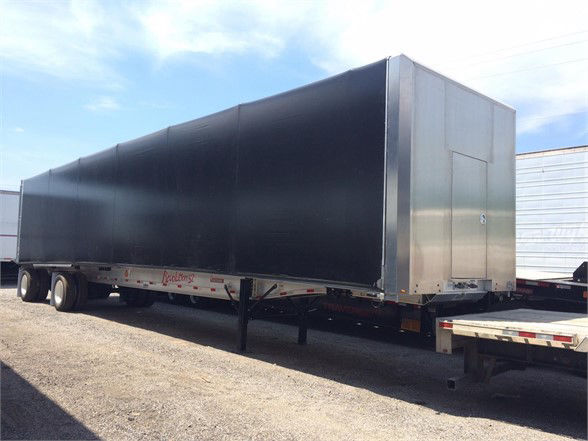
Showing 25 to 29 of 29 results
Have fontaine trailer to sell? List it here to reach thousands of buyers.
About Fontaine Trailers in Illinois
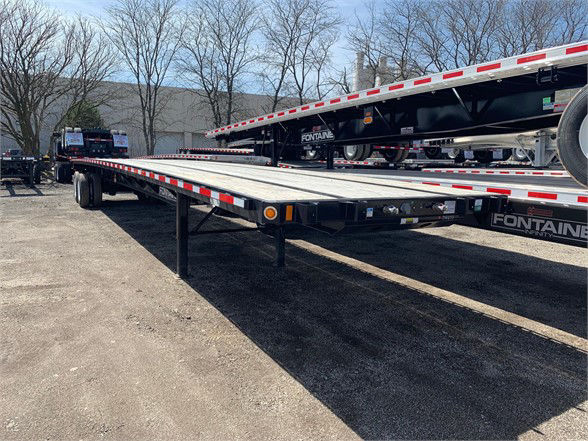
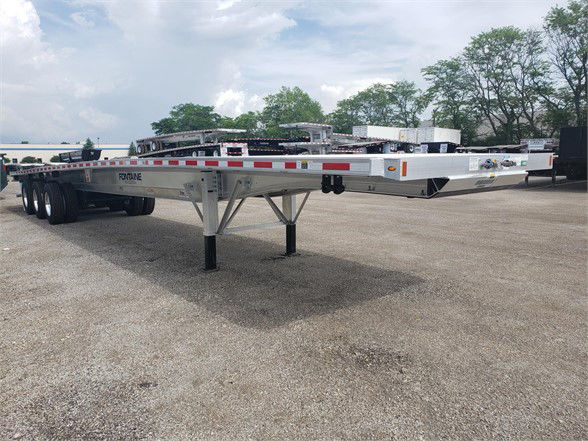
On the flatbed side, Fontaine is well known for aluminum and aluminum-composite designs in 48-foot and 53-foot lengths, typically 102 inches wide with tandem or spread axle configurations. Common specs include air ride suspension, sliding tandems or spread axles, aluminum floors, nail strips, sliding winch tracks, coil package setups, and outside aluminum wheels. Fontaine’s aluminum platform trailers are popular with carriers hauling steel, lumber, building products, pipe, machinery, and general freight because they balance tare weight with structural strength. If payload matters, pay close attention to floor construction, side rail design, crossmember layout, axle spacing, and whether the trailer is equipped for the securement methods your lanes require.
Fontaine lowboys, including Magnitude and Workhorse models, are built for machinery, construction equipment, and other high-weight loads that need a lower center of gravity and more deck capacity than a standard flatbed can offer. Buyers should look closely at loaded deck height, deck length, neck style, swing clearance, axle configuration, rear bogie design, and lift axle or flip axle compatibility. In this class, a tri-axle 55-ton setup is common, and details such as pony motor operation, ride height adjustment, covered wheel areas, outriggers, and front ramp configuration can make a real difference in daily use. For Illinois operators handling paving equipment, excavators, dozers, or agricultural machines, bridge law compliance, route restrictions, and ease of loading are just as important as rated capacity.
Condition and spec matching matter more than model year alone. A used Fontaine trailer with the right suspension, axle layout, decking, and securement package can outperform a newer unit that is mismatched to the freight. Check for frame repairs, deck wear, tire condition, bushing and suspension health, neck and hinge condition on detachable lowboys, and overall corrosion exposure from Midwest road treatment. Fontaine trailers are widely recognized in the market, so buyers typically have solid parts support and broad familiarity among drivers, shops, and fleet managers. That makes them a practical choice for operations that value uptime, straightforward maintenance, and equipment that fits real freight demands.
Frequently Asked Questions
What types of Fontaine trailers are most common in Illinois?
The most common Fontaine trailers in Illinois are aluminum flatbeds and heavy-haul lowboys. Flatbeds are typically used for steel, building materials, machinery, and general open-deck freight, while lowboys are used for construction equipment and other tall or concentrated loads that need a lower deck height. The right choice depends on your freight profile, payload goals, and the axle and bridge requirements on your regular routes.
Are Fontaine flatbed trailers a good choice for maximizing payload?
Yes. Fontaine flatbeds are well known for lightweight aluminum and aluminum-composite construction, which helps increase legal payload compared with heavier platform trailers. Buyers should still compare actual tare weight against the trailer’s floor design, side rail strength, axle configuration, and securement equipment. A lighter trailer is valuable only if it is still built for the freight you haul every day.
What should I look for when buying a Fontaine lowboy trailer?
Start with rated capacity, loaded deck height, clear deck length, neck design, and axle configuration. Then review practical operating details such as swing clearance, ride height adjustment, ramp style, outriggers, pony motor setup, and compatibility with flip axles or jeep configurations if your operation uses them. For used lowboys, inspect the neck area, main beams, suspension, axle alignment, deck condition, and signs of structural repair or repeated overloading.
What axle setups are common on Fontaine trailers?
Fontaine flatbeds are commonly found with tandem sliding axles or spread axle layouts, usually with air ride suspension. Fontaine lowboys often use tri-axle rear configurations for 55-ton class hauling, with some setups including lift axles or provisions for additional axle equipment. Axle layout affects payload distribution, maneuverability, tire wear, and state bridge compliance, so it should match both your freight and your operating territory.
How important is trailer material on a Fontaine flatbed or lowboy?
Material choice is a major buying factor. Aluminum flatbeds reduce tare weight and are favored when payload is critical, while steel construction is common on lowboys because it handles concentrated equipment loads and jobsite abuse well. Some platform trailers also use aluminum-steel composite construction to balance durability and weight. The best material depends on load type, duty cycle, corrosion exposure, and how aggressively the trailer will be used.