
Fontaine Flatbed Trailers For Sale in Illinois
Browse Fontaine flatbed trailers for sale in Illinois, including aluminum and steel models built for payload, durability, securement, and road life.
Learn more
Have fontaine flatbed trailer to sell? List it here to reach thousands of buyers.
About Fontaine Flatbed Trailers in Illinois
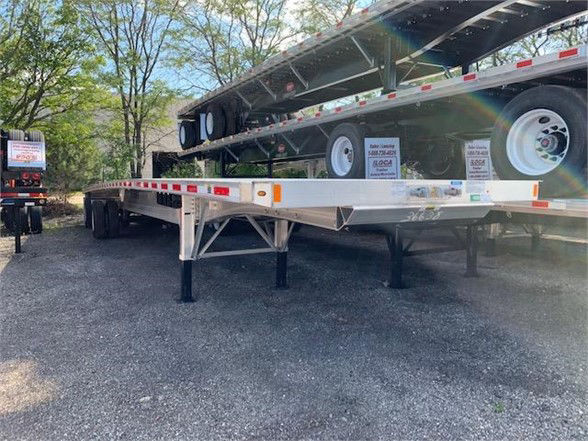
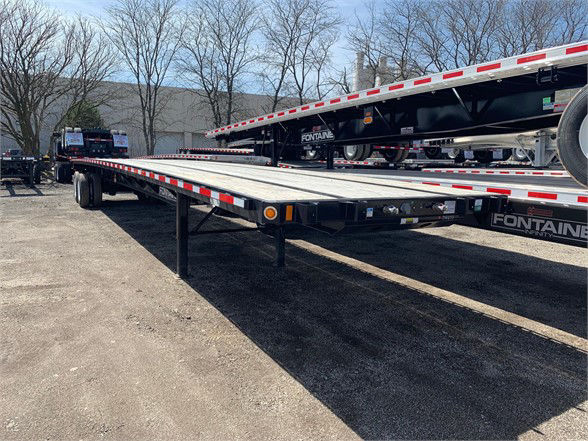
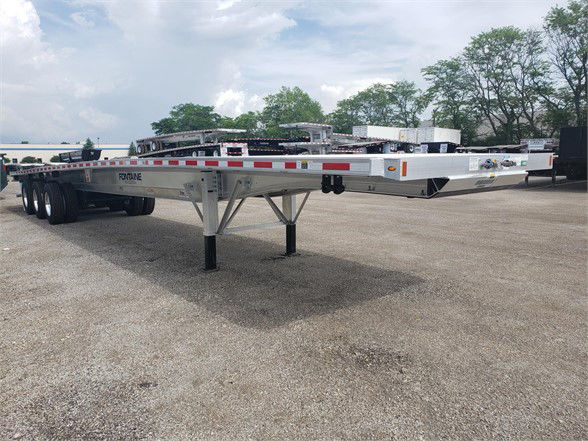
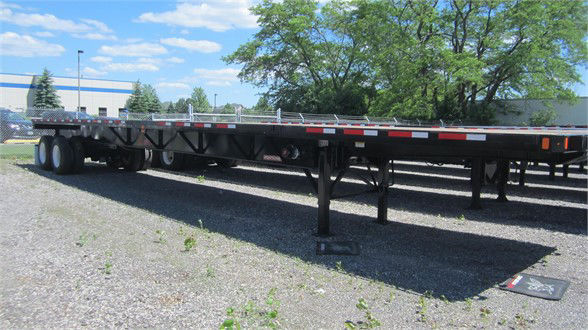
Length and axle configuration matter early in the buying process. Many Fontaine flatbeds are 48-foot or 53-foot by 102-inch wide, with tandem sliders being common and tridems showing up for heavier concentrated loads or application-specific routing. In Illinois and across the Midwest, axle placement, bridge law compliance, and load distribution are practical concerns, especially for steel, building products, machinery, and coil hauling. Buyers should pay attention to frame ratings, concentrated load capacity, rear axle slide setup, suspension type, and wheel material. Air ride is often preferred for more sensitive freight, while spring ride can still make sense for cost-conscious operations and tougher duty cycles.
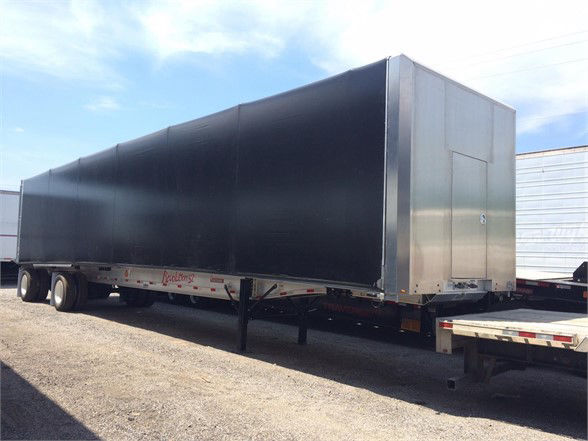
The deck and securement package often tell you more about a flatbed’s usefulness than the badge on the nose. Common features on Fontaine trailers include aluminum construction, wood nailer strips, sliding winches, dunnage storage, toolboxes, and heavy-duty siderails designed for repeated tie-down use. If the trailer will see coil freight, machinery, or dense construction materials, look closely at concentrated load ratings, reinforced coil package areas, and the condition of the floor and crossmembers. If the trailer will move general freight, building materials, or palletized loads under cover, a retractable tarp system can add flexibility without giving up open-deck access.
A good Fontaine flatbed spec is one that matches lane mix and loading style, not just published weight. Buyers should evaluate deck height, landing gear, tire and brake condition, slider travel, and how the trailer is set up for tarping, chaining, and daily securement work. Fontaine has long been recognized in the flatbed market for balancing practical design with fleet-grade durability, and that makes these trailers relevant for both owner-operators and larger fleets. The best fit usually comes down to freight profile: aluminum for maximizing payload and corrosion resistance, steel for value and ruggedness, and specialty configurations for heavier or more concentrated cargo.
Frequently Asked Questions
What is the difference between a Fontaine aluminum flatbed and a Fontaine steel flatbed?
The main difference is weight, corrosion resistance, and operating cost over time. A Fontaine aluminum flatbed, such as a Revolution model, is built to reduce trailer tare weight and improve payload capacity, which can matter on high-volume lanes or dense freight. A steel flatbed, such as a Velocity, usually carries a lower purchase price and offers a rugged structure that many fleets prefer for harsh jobsite use and regional hauling. The right choice depends on freight type, annual miles, and how much value your operation places on every pound of payload.
What sizes are common on Fontaine flatbed trailers?
The most common Fontaine flatbed sizes are 48-foot and 53-foot by 102 inches wide. Tandem axle sliders are common for general freight and flexible axle positioning, while tridem setups are used in heavier applications or where concentrated load requirements justify the extra axle. Buyers should match trailer length and axle layout to state bridge rules, loading dock needs, and the freight they haul most often.
What should I look for when buying a used Fontaine flatbed trailer?
Start with the frame, deck, suspension, brakes, tires, and slider assembly. On an aluminum flatbed, inspect for previous repairs, cracks, gouging, and wear around crossmember and securement stress points. On a steel flatbed, check closely for corrosion, structural rust, and impact damage. Also review winch track condition, nailer strips, landing gear, lighting, air system integrity, and any added equipment such as toolboxes, dunnage racks, or tarp systems. A used flatbed’s value is tied closely to structural condition and securement readiness.
Are Fontaine flatbed trailers good for heavy concentrated loads?
Many Fontaine flatbeds are designed for demanding freight, but the answer depends on the exact frame rating and deck configuration. Some models are built with reinforced load zones, heavy-wall extrusions, and higher concentrated load capacity for coils, machinery, or dense building materials. Buyers should verify both distributed and concentrated load ratings, especially if the trailer will carry steel products or freight that puts a lot of weight into a short section of deck.
Can a Fontaine flatbed be equipped with a tarp system?
Yes. Fontaine flatbeds can be paired with manual or retractable tarp systems depending on the trailer design and freight application. A sliding tarp system can improve efficiency for weather-sensitive loads and reduce time spent climbing or handling loose tarps. Buyers should confirm how the tarp frame affects usable deck width, loading method, and maintenance access, especially if the trailer will handle mixed freight that sometimes requires overhead loading.