
Fontaine Double Drop Deck Trailers For Sale in Illinois
Shop Fontaine double drop deck trailers in Illinois. Compare detachable neck, deck height, capacity, axle setup, and heavy haul specs.
Learn more
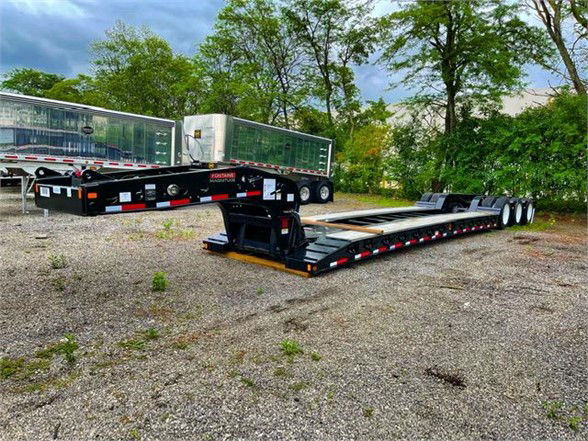
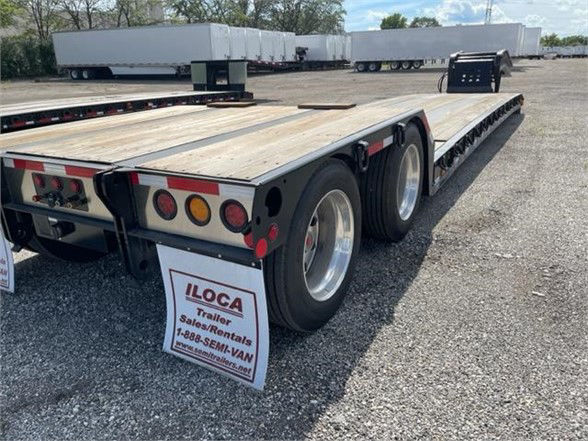
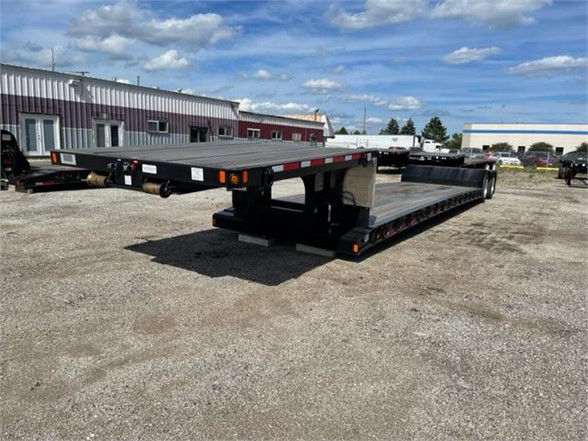
Have fontaine double drop deck trailer to sell? List it here to reach thousands of buyers.
About Fontaine Double Drop Deck Trailers in Illinois
The biggest spec decision is usually the neck. A mechanical removable gooseneck is simpler, lighter, and often attractive for fleets that load predictable equipment and want less hydraulic complexity. A hydraulic detachable neck adds convenience and speed at the jobsite and can be the better fit for frequent detach cycles or more varied loading conditions. Fontaine Renegade and Magnitude platforms are common reference points in this category, with configurations that may include 40 ton to 55 ton class capacities, air ride suspensions, tandem or tridem axle groups, flip axle provisions, and wet-line readiness. If your freight mix changes often, pay attention to trailers with extension capability, flip axle connections, and adjustable setups that can help manage axle weight distribution and permit compliance.
Well deck layout matters as much as rated capacity. A flat level deck is useful for machines with long track contact, while sloped approach sections and traction cleats can make loading safer and easier. Outriggers expand the trailer's usefulness for wider machines or concentrated loads, and rear deck dimensions affect how cleanly attachments, buckets, and counterweights can be positioned. Buyers should also look closely at ground clearance under load, swing radius at the neck, axle spread, and whether the trailer is set up for close-coupled booster or flip axle combinations. Those details directly affect maneuverability, turning room, legal payload strategy, and how well the trailer fits your tractors and permits.
For Illinois operations, corrosion resistance, serviceability, and parts support should not be overlooked. A quality finish, durable wiring protection, and straightforward air and hydraulic routing all matter on trailers that see dirt, salt, and repeated loading cycles. Fontaine has a strong presence in specialized hauling because these trailers are typically engineered for real fleet use, with practical features like aluminum outside wheels, air controls for ride height management, and deck designs intended to balance low tare weight with strength. The right Fontaine double drop deck trailer is usually the one that matches your most common freight first, then gives you enough flexibility in neck style, deck opening, and axle options to stay productive when the load mix changes.
Frequently Asked Questions
What is a Fontaine double drop deck trailer best used for?
A Fontaine double drop deck trailer is best suited for hauling tall or heavy equipment that needs a lower deck height than a standard flatbed or step deck can provide. Common loads include excavators, loaders, dozers, pavers, agricultural equipment, tanks, and industrial components. The dropped well helps keep overall loaded height down, which can reduce routing problems and permit complications on over-height freight.
What is the difference between a mechanical detachable neck and a hydraulic detachable neck?
A mechanical detachable neck uses a simpler coupling system and is often lighter and less complex to maintain. It is a strong choice for fleets with consistent loading practices and predictable equipment dimensions. A hydraulic detachable neck uses hydraulic power to assist with neck removal and hookup, which can speed up loading and unloading and reduce effort at the jobsite. The better option depends on how often the trailer is detached, the type of equipment being loaded, and how much flexibility is needed in daily operation.
How important is loaded deck height on a double drop deck trailer?
Loaded deck height is one of the most important specifications because it directly affects legal height, route planning, and the type of freight the trailer can carry. An 18 to 20 inch loaded deck height can make a major difference when hauling machines with cabs, booms, or other tall structures. Lower deck height also improves center of gravity, which can help with stability, but buyers still need to balance that advantage against ground clearance and the terrain where the trailer will operate.
What capacity should I look for in a Fontaine double drop deck trailer?
Capacity should be matched to the actual axle group, deck design, and the legal conditions under which the trailer will run, not just the headline ton rating. Many buyers start in the 40 ton class for general construction equipment, while heavier or more specialized applications may push into 55 ton and above with tridem or additional axle options. The practical payload depends on axle spacing, tractor setup, permit requirements, and whether flip axles or boosters are part of the configuration.
Which features matter most when comparing Fontaine double drop deck trailers?
The most important comparison points are neck type, deck length, loaded deck height, rear deck length, swing clearance, suspension type, and axle configuration. After that, look at outriggers, extension capability, flip axle connections, wet-line setup, and tare weight. Those features determine how easily the trailer can handle different machine sizes, how legal axle weights can be managed, and how efficient loading will be across your normal freight mix.