
Used 2020 Flatbed Trailers For Sale in Pennsylvania
Browse used 2020 flatbed trailers for sale in Pennsylvania. Compare 48-foot to 53-foot specs, axle setups, deck materials, and payload-friendly designs.
Learn more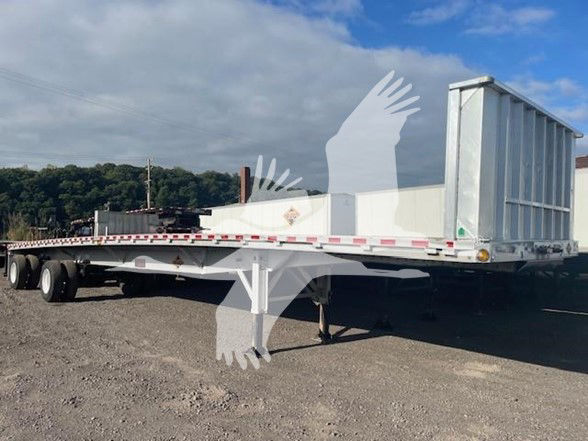





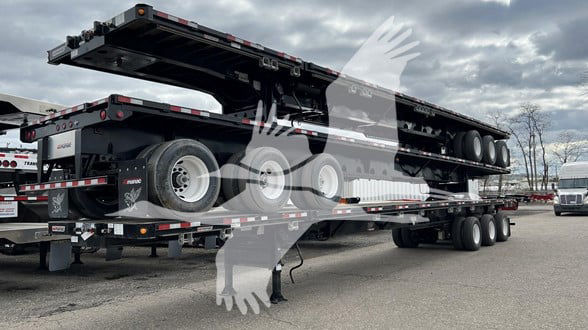
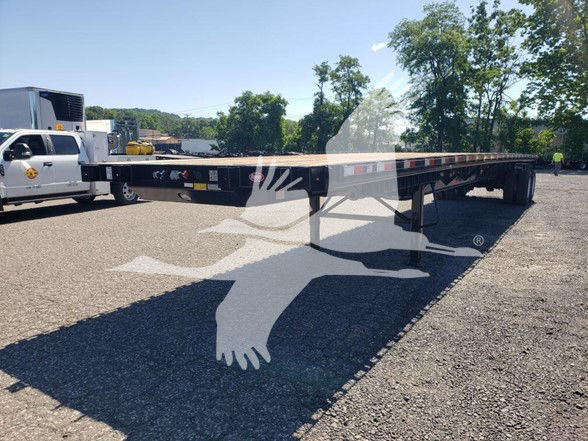
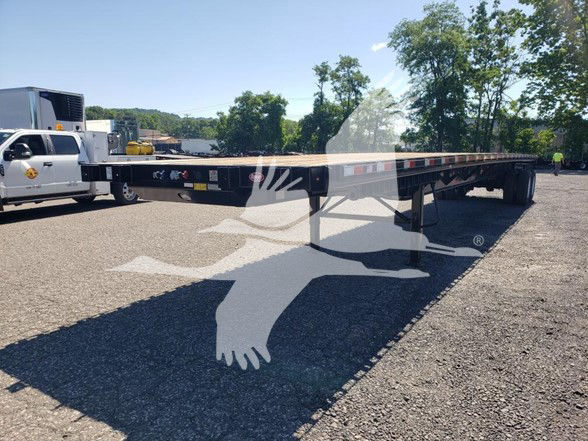
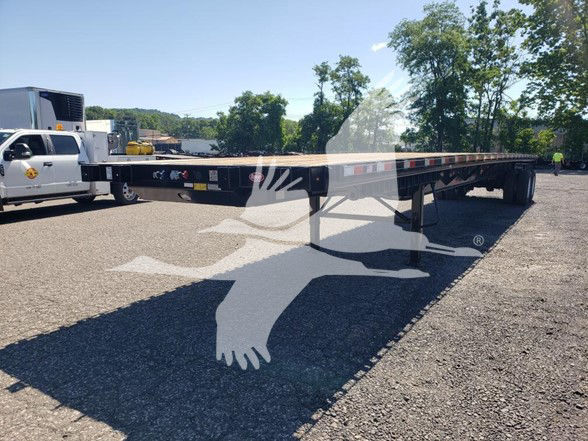
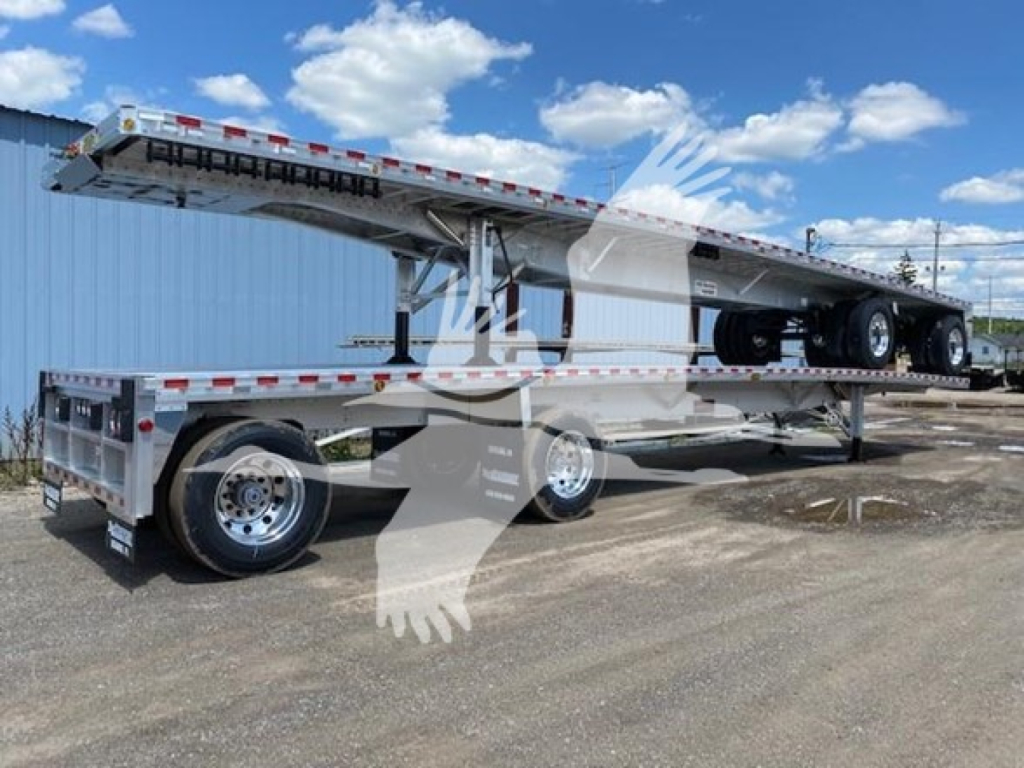
Showing 25 to 36 of 36 results
Have used 2020 flatbed trailer to sell? List it here to reach thousands of buyers.
About Used 2020 Flatbed Trailers in Pennsylvania
The spec details matter more on a flatbed than the badge on the nose. Buyers should look closely at trailer length, axle spread or tandem setting, kingpin setting, crossmember spacing, and deck construction. Pennsylvania operators often move steel, machinery, building products, and palletized freight, so deck strength and tie-down layout are critical. Common features in this class include full-length winch tracks, sliding winches, pipe spools, coil package options, and apitong flooring over steel or aluminum substructure. A mini coil package can be especially useful for carriers handling concentrated loads that need secure positioning without moving up to a dedicated coil trailer. Air ride spread axles are popular for ride quality and load distribution, while sliding tandem setups can offer more flexibility for bridge law compliance and dock positioning.
A used 2020 flatbed trailer should also be evaluated for wear points that directly affect uptime. Check deck condition for rot, gouging, or fastener pull-through, especially on trailers that have seen heavy forklift traffic. Inspect side rails for damage around winch track sections, look for cracked welds near crossmembers, and confirm the suspension type and axle alignment are still working in your favor. Tire size, wheel type, landing gear condition, brake components, and lighting layout all affect operating cost after purchase. On aluminum trailers, pay extra attention to previous repairs and any signs of distortion around concentrated load areas. On steel trailers, surface corrosion is expected, but scale, rail damage, or recurring structural repairs deserve a closer look.
For buyers comparing listings, the best 2020 flatbed trailer is the one whose spec matches the freight lane. A lightweight 48-foot aluminum flatbed with air ride spread axles can make sense for general commodity hauling and payload-sensitive freight. A heavier 53-foot steel flatbed with close crossmember spacing, full winch track, and durable flooring may be better suited to construction materials, machinery, or repeated forklift loading. In Pennsylvania, road conditions, bridge restrictions, and mixed regional haul patterns make axle configuration and suspension choice especially important. Focus on legal payload, securement flexibility, and structural condition first. Cosmetics matter far less than deck integrity, straight rails, and a suspension that tracks correctly.
Frequently Asked Questions
What should I look for first on a used 2020 flatbed trailer?
Start with structural condition and freight-matching specs. Inspect the frame, crossmembers, side rails, flooring, suspension, and axle alignment before focusing on appearance. On a flatbed, the deck, tie-down system, and running gear determine how well the trailer will perform in daily service. A straight trailer with solid flooring, healthy suspension components, and the right securement setup is usually a better buy than a cleaner trailer with the wrong spec.
Is an aluminum flatbed better than a steel flatbed?
It depends on the freight. Aluminum flatbeds are favored when payload matters because they typically weigh less, which can translate into more legal cargo. Steel flatbeds are often chosen for durability, concentrated loading, and applications with frequent forklift traffic or rougher jobsite use. Buyers should compare tare weight, repair history, deck support, and the type of freight they plan to haul rather than assuming one material is always better.
Why does axle setup matter on a flatbed trailer in Pennsylvania?
Axle configuration affects bridge compliance, load distribution, ride quality, and maneuverability. Spread axles can improve weight distribution and are common on flatbeds hauling general freight, while sliding tandems offer more flexibility for state bridge laws, loading docks, and varying load lengths. In Pennsylvania, where operators may run a mix of local, regional, and interstate freight, the axle setup can directly affect how easily a trailer fits your routes and customer requirements.
What is a coil package on a flatbed trailer?
A coil package is a specialized deck arrangement that allows steel coils or other concentrated loads to sit lower and more securely on the trailer. A mini coil package is a lighter-duty variation that adds versatility for carriers that occasionally haul coils but still need a general-purpose flatbed. If your freight mix includes metal products, concentrated machinery loads, or dense freight that benefits from controlled positioning, a coil package can add real value.
Are 48-foot or 53-foot flatbeds more common for used 2020 models?
Both are common, but they serve different operations. A 48-foot flatbed remains popular for general freight, maneuverability, and certain customer or lane preferences. A 53-foot flatbed offers additional deck space for longer loads, more pallets, and broader freight flexibility. The better choice depends on your load profile, legal weight distribution, shipper requirements, and how often extra deck length actually generates revenue.