
Used 2016 Flatbed Trailers For Sale
Shop used 2016 flatbed trailers with specs that matter, including length, axle setup, deck construction, suspension, and securement options.
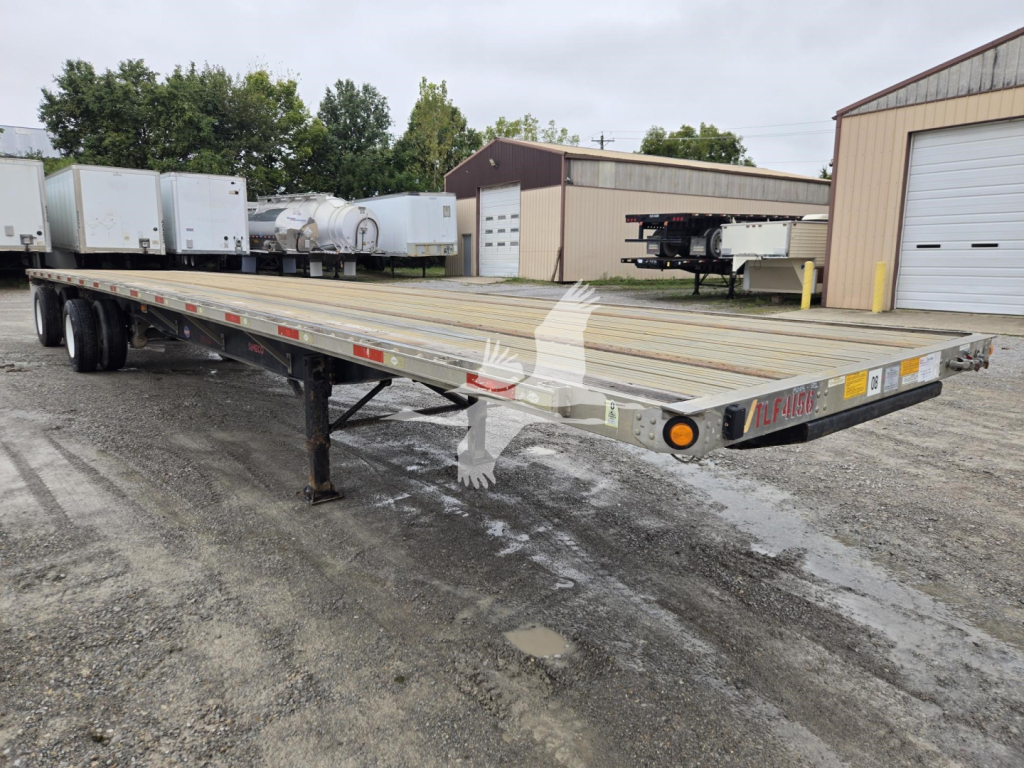
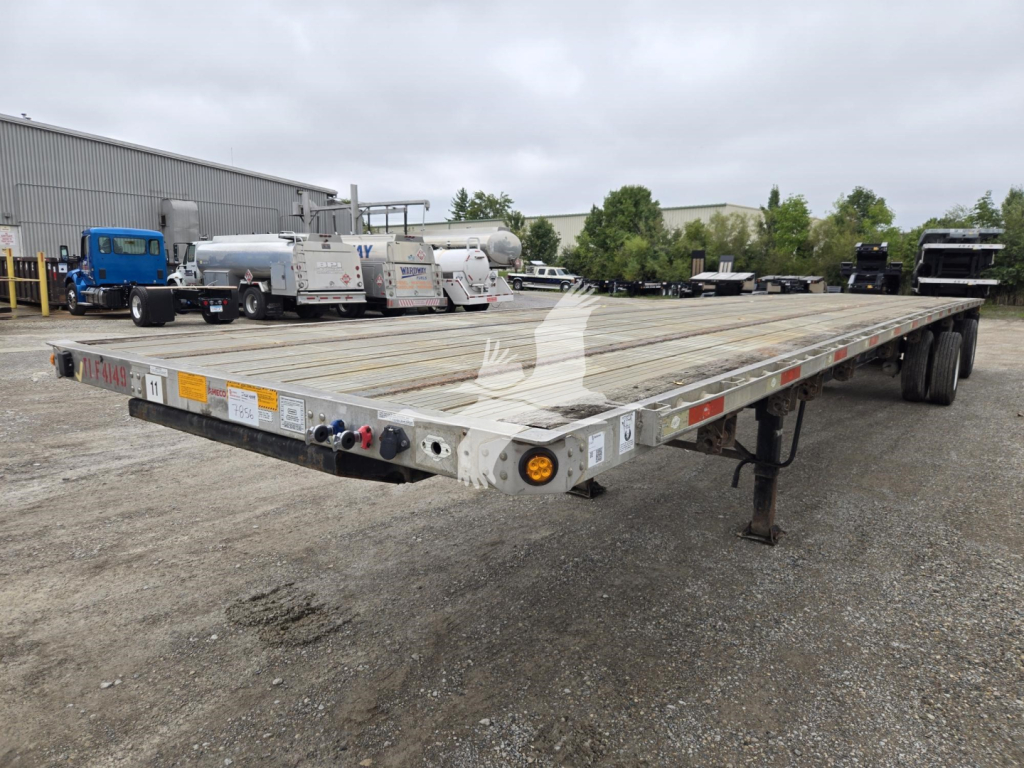
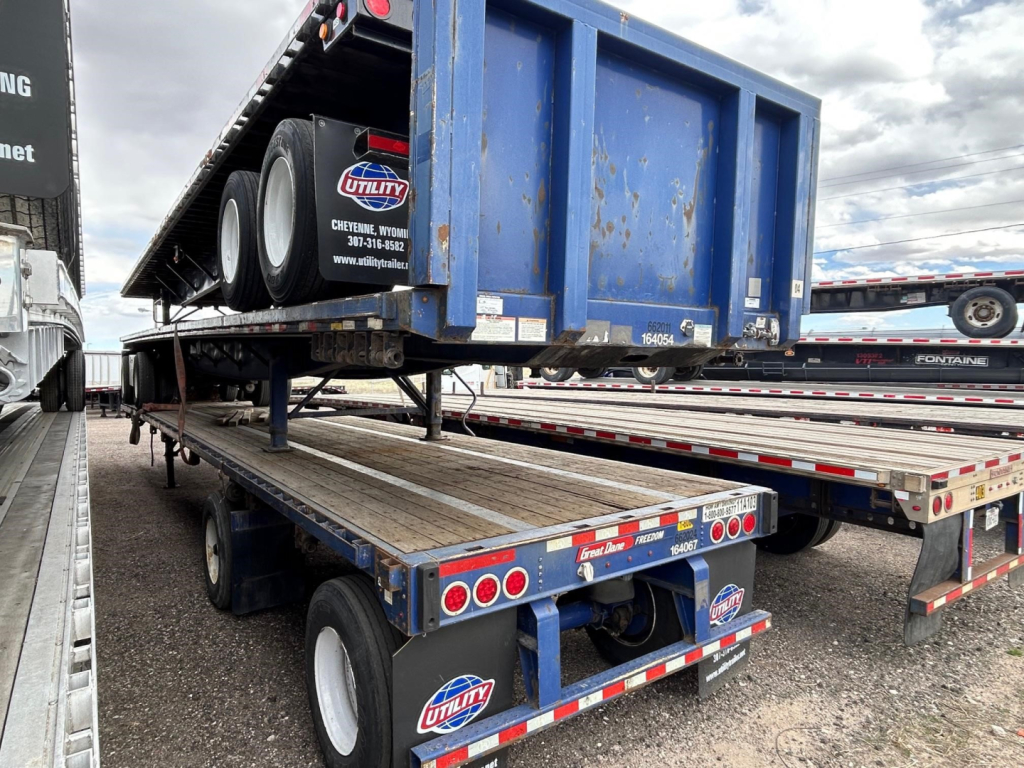
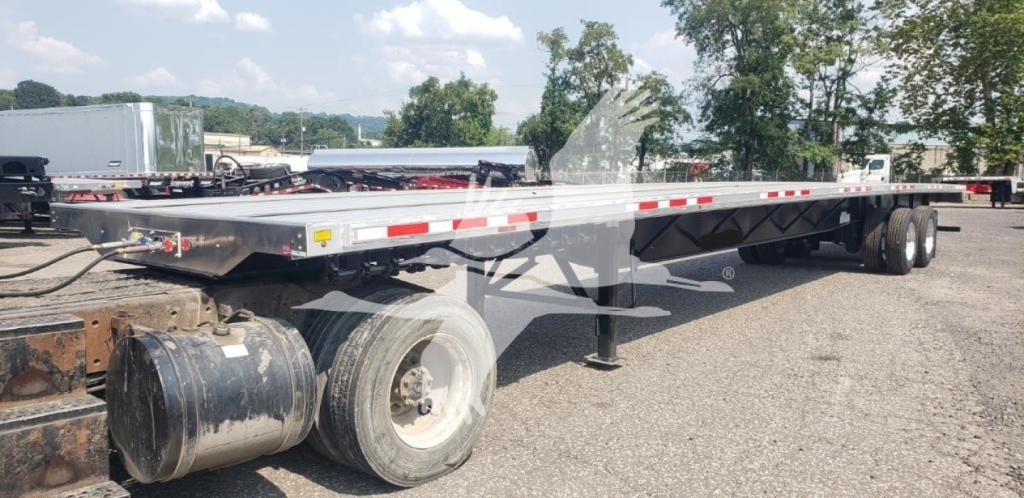
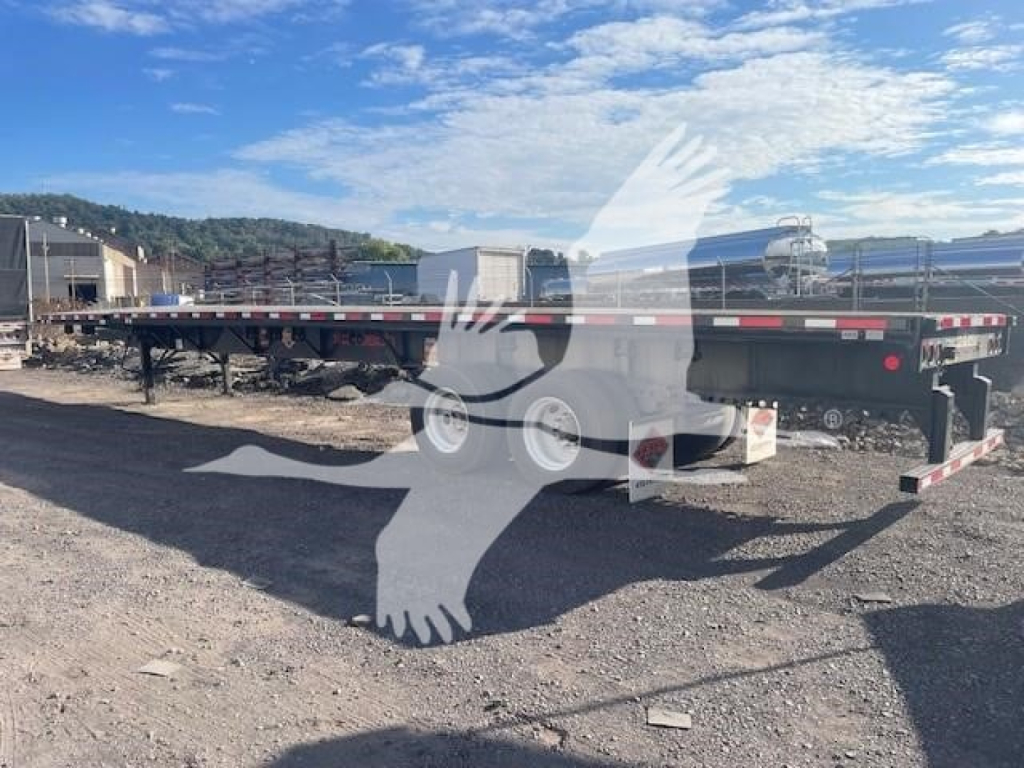
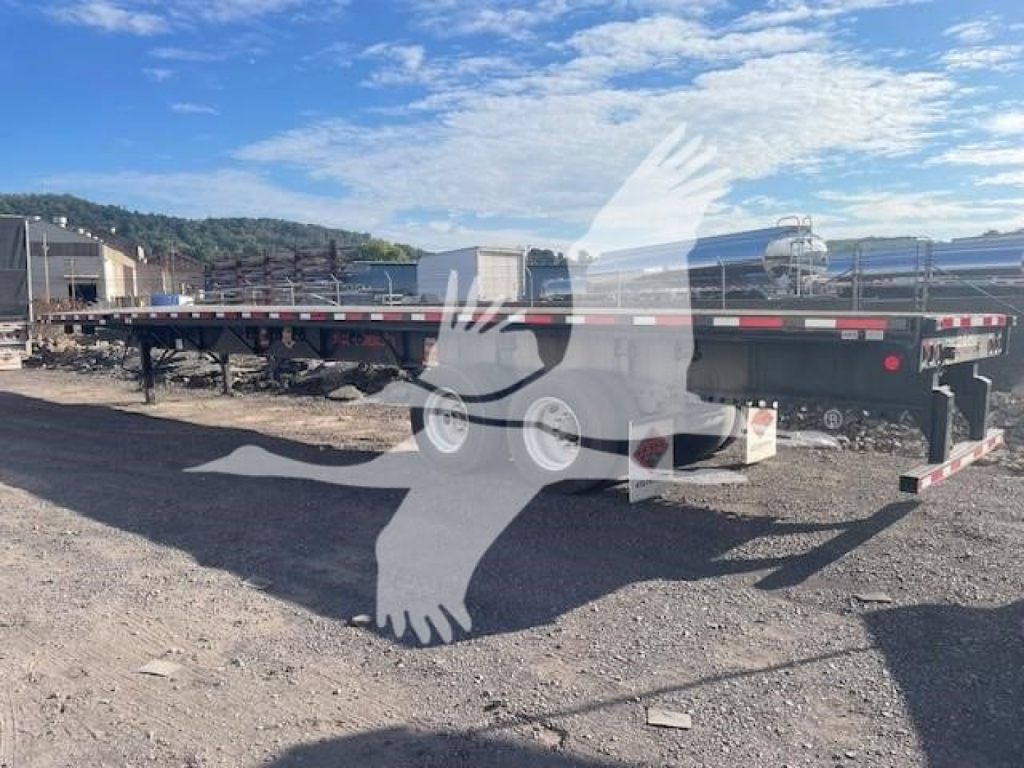
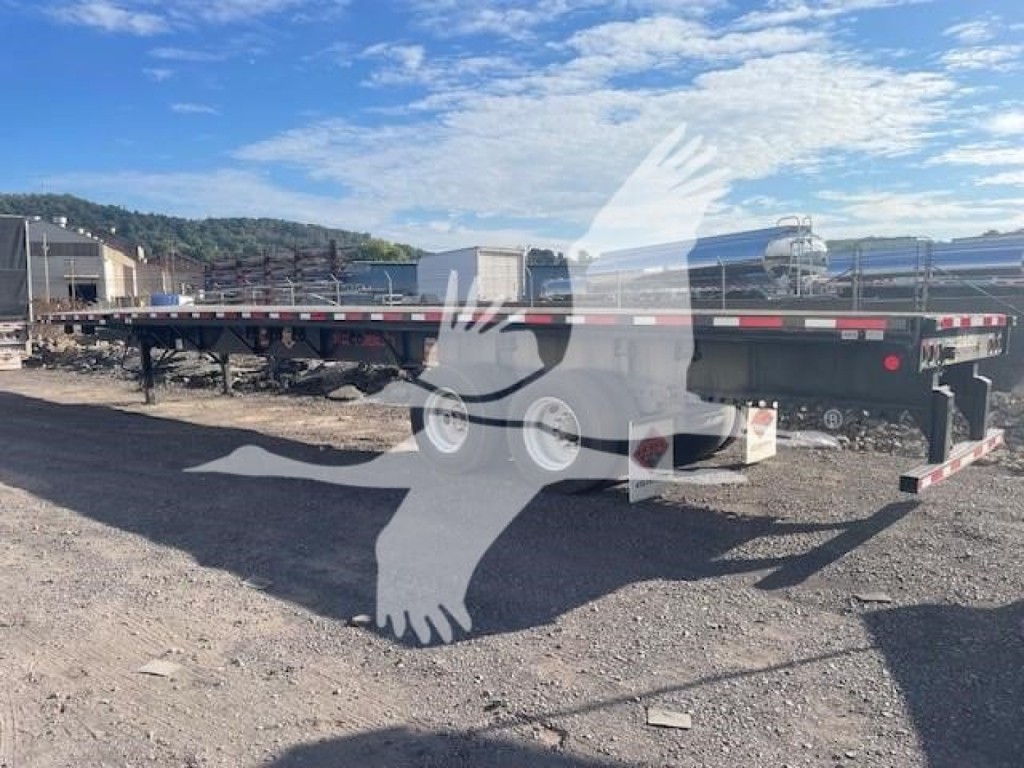
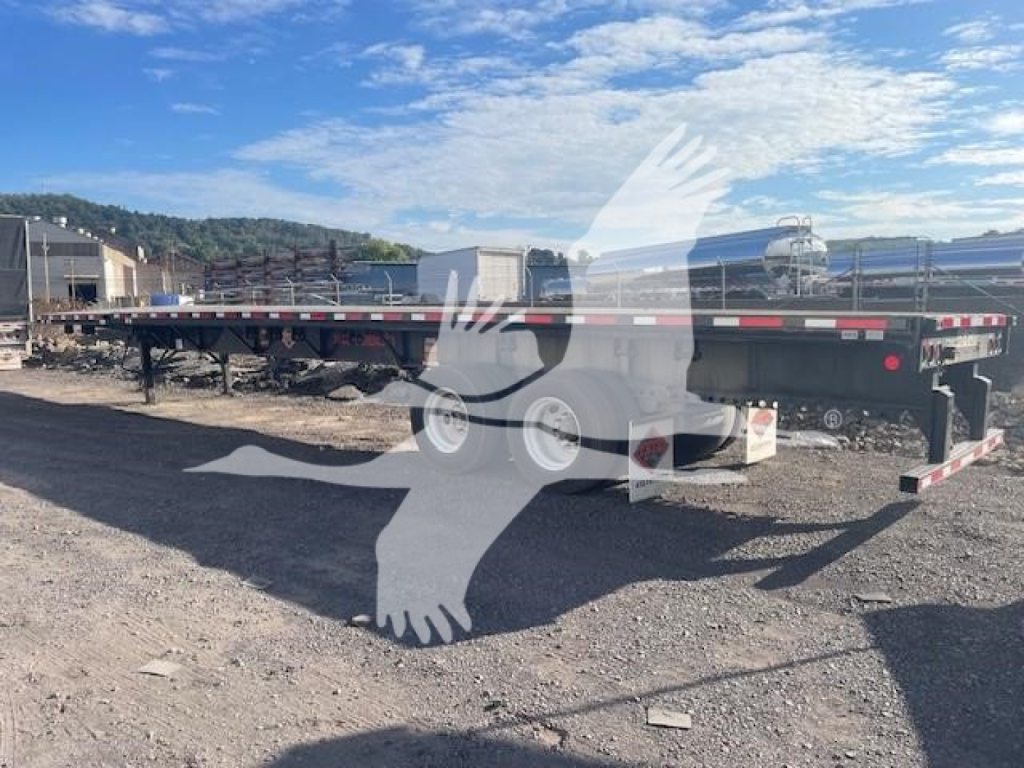
Selling a used 2016 flatbed trailer? List your used 2016 flatbed trailer for sale and reach thousands of commercial buyers.
Used 2016 Flatbed Trailers
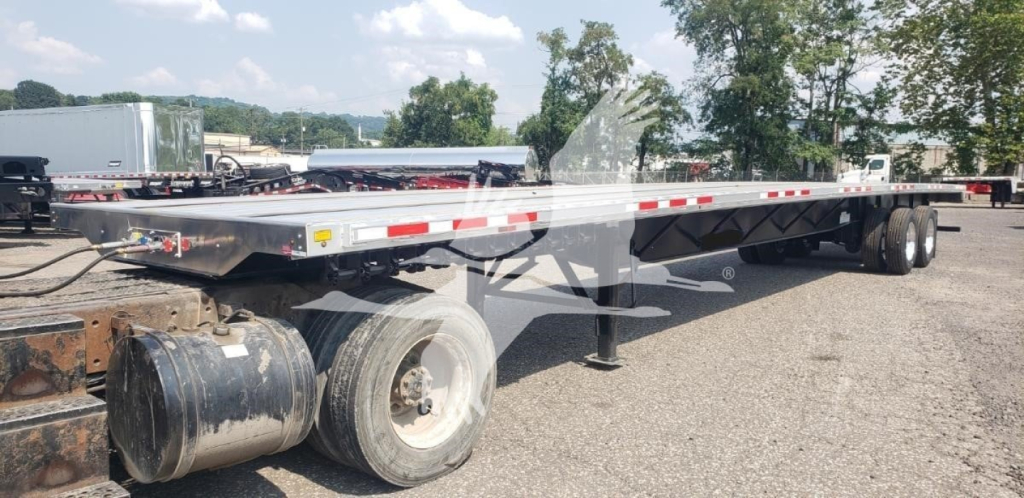
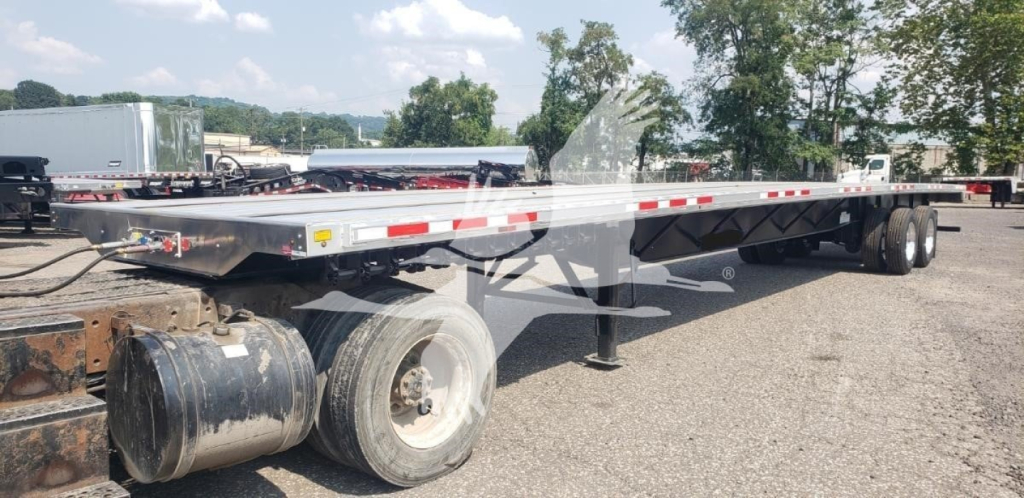
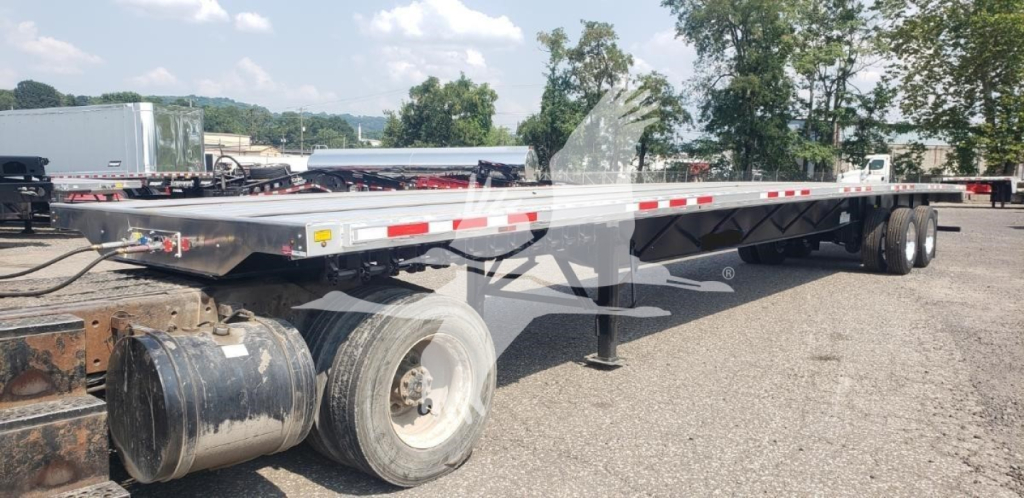
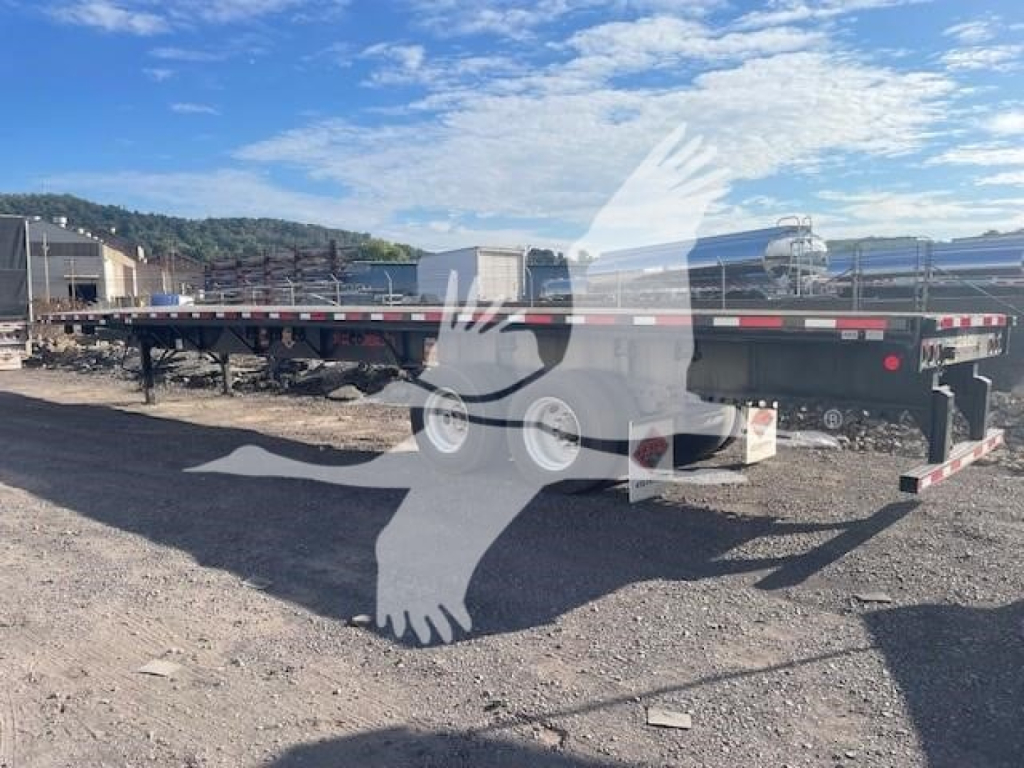
The core spec decisions start with deck material and weight. Aluminum flatbeds typically offer lower tare weight and more payload capacity, while steel flatbeds can be attractive for demanding applications where repairability and up-front cost matter. A 2016 flatbed may have an apitong floor, aluminum deck package, or a mixed-material combo design that uses steel where strength is needed and aluminum where weight savings count. Buyers should also check for winch tracks, sliding winches, pipe spools, coil package equipment, and the condition of the rub rail. A trailer built for daily steel or machinery service should have clean securement points, straight side rails, and no signs of fatigue around the crossmembers or suspension hangers.
Axle layout affects both operations and resale. Spread axle flatbeds remain common for load distribution and bridge compliance, but they can add scrub and tire wear in tight urban work. Sliding tandems offer flexibility for axle scaling and dock approach, especially in mixed-route freight. Air ride suspension is common and generally preferred for ride quality and cargo protection, but suspension brand, bushing wear, and alignment history deserve attention on any used 2016 trailer. Also verify kingpin setting, landing gear condition, tire size consistency, wheel type, brake condition, and whether the trailer has ABS and current lighting upgrades such as LED marker and rear lamps.
For a buyer sorting through used 2016 flatbed trailers for sale, the smartest comparison is not just price or brand. It is structural condition, empty weight, deck length, axle configuration, and how well the trailer matches the freight you actually haul. A lighter 48-foot aluminum flatbed may be the better revenue tool for regional building products, while a heavier-duty steel or combo trailer may make more sense for concentrated loads and tougher jobsite handling. Service records, prior duty cycle, and signs of frame or deck repairs can tell you more than paint. On a flatbed, the useful life is often defined by maintenance discipline and load history, not age alone.
Frequently Asked Questions about Used 2016 Flatbed Trailers
What should I inspect first on a used 2016 flatbed trailer?
Start with the structural components. Check the main beams, crossmembers, side rails, suspension hangers, and rear frame for cracks, repairs, corrosion, or impact damage. Then inspect the deck for rot, soft spots, broken boards, fastener pull-through, and wear from forklifts or concentrated freight. Securement hardware such as winch tracks, sliding winches, rub rails, and chain tie-down points should also be checked closely because they affect both safety and day-to-day usability.
Is an aluminum or steel flatbed better in a 2016 model year?
It depends on the freight. Aluminum flatbeds usually weigh less, which helps maximize payload and can improve revenue on legal-weight freight. Steel flatbeds are often chosen for durability, repair familiarity, and lower acquisition cost. Combo trailers split the difference by using aluminum and steel together. The better choice is the one that matches your cargo type, loading method, and maintenance expectations rather than just the one with the lowest tare weight.
What axle configuration is common on a used 2016 flatbed trailer?
Many 2016 flatbeds are set up as spread axle or sliding tandem trailers. Spread axles are popular for load distribution and bridge law advantages, especially in open-deck freight. Sliding tandems offer more flexibility when scaling loads or operating in areas where turning space is limited. The right setup depends on your lanes, state bridge requirements, and how often you need to reposition weight for legal compliance.
How important is deck condition on a used flatbed trailer?
Deck condition is critical because it directly affects cargo support, securement, and forklift loading. A flatbed with a worn or damaged floor can create safety issues and expensive downtime. Apitong flooring is common because it handles heavy service well, but even good wood decks need to be checked for rot, splitting, moisture damage, and uneven wear. A clean-looking trailer can still have hidden deck problems if it spent years hauling steel, coil, or construction materials.
What features add value on a used 2016 flatbed?
Features that improve securement, versatility, and uptime usually matter most. Buyers often look for air ride suspension, LED lighting, quality landing gear, a straight rub rail, functional winch tracks, sliding winches, pipe spools, and coil package equipment if needed for the freight. Consistent tire wear, documented brake service, and evidence of proper alignment also add value because they suggest the trailer has been maintained correctly rather than simply cleaned up for sale.