
Used 2015 Flatbed Trailers For Sale
Shop used 2015 flatbed trailers with 48-foot decks, air ride, winch tracks, coil packages, and aluminum or steel construction.
Learn more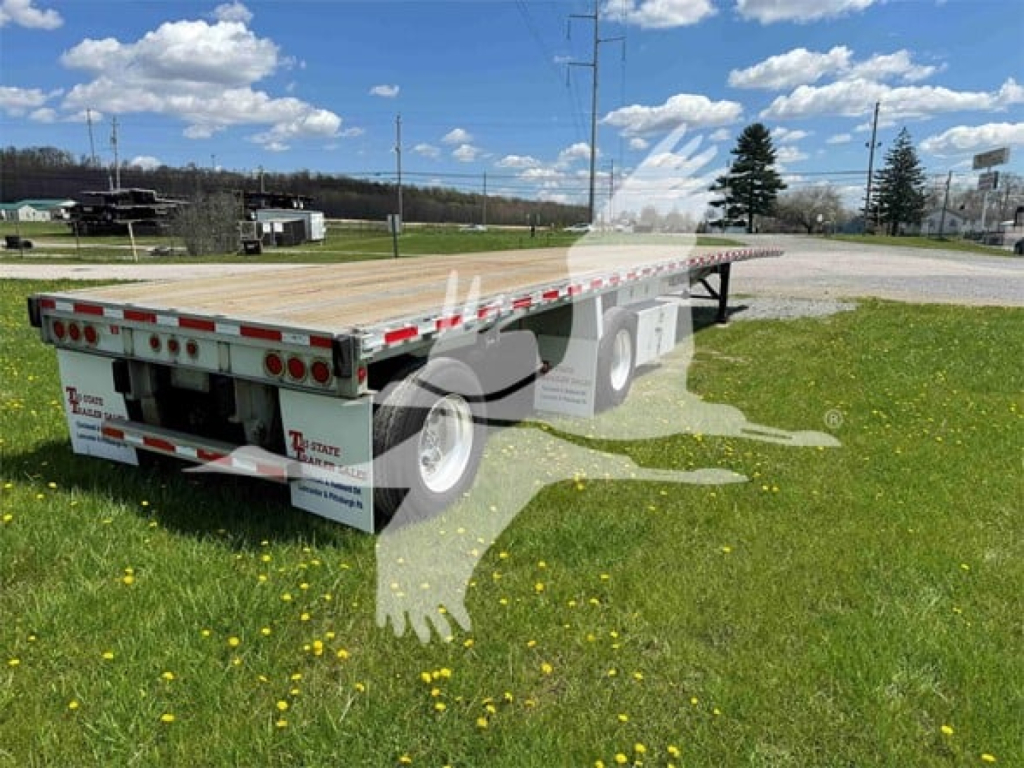
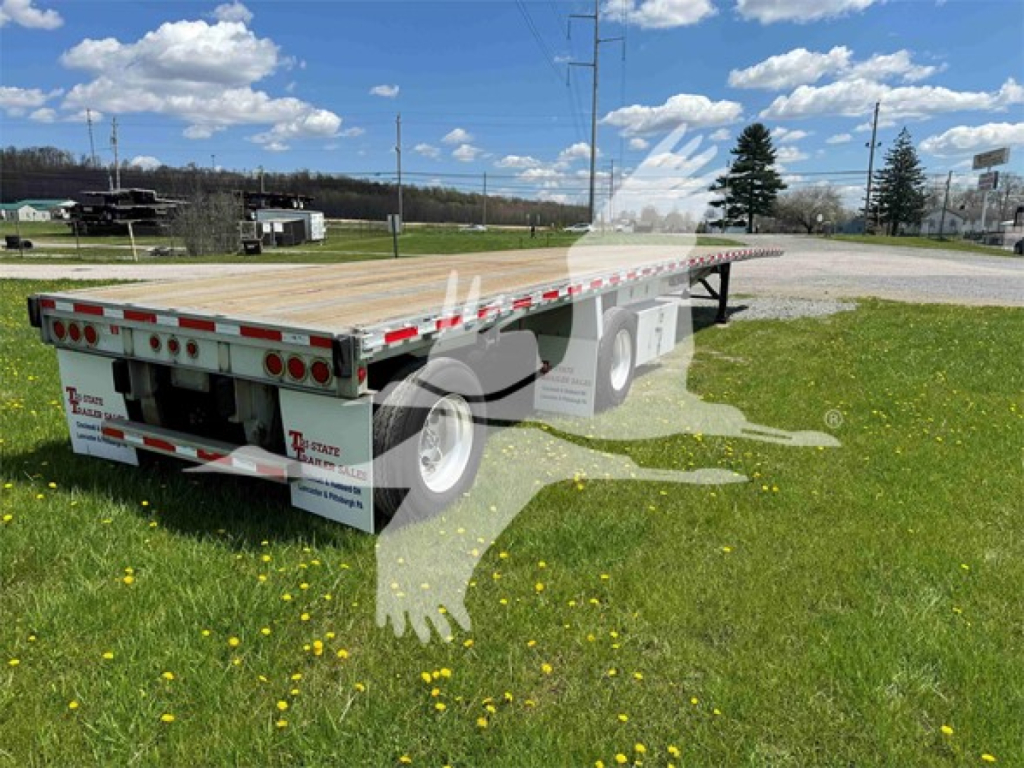
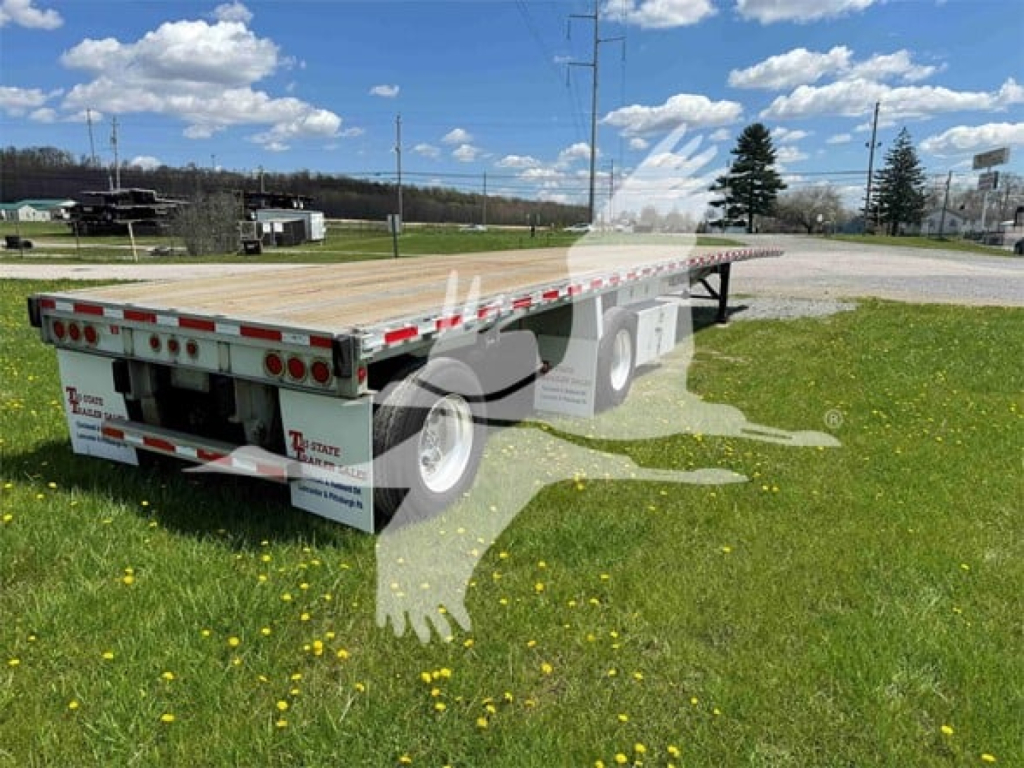
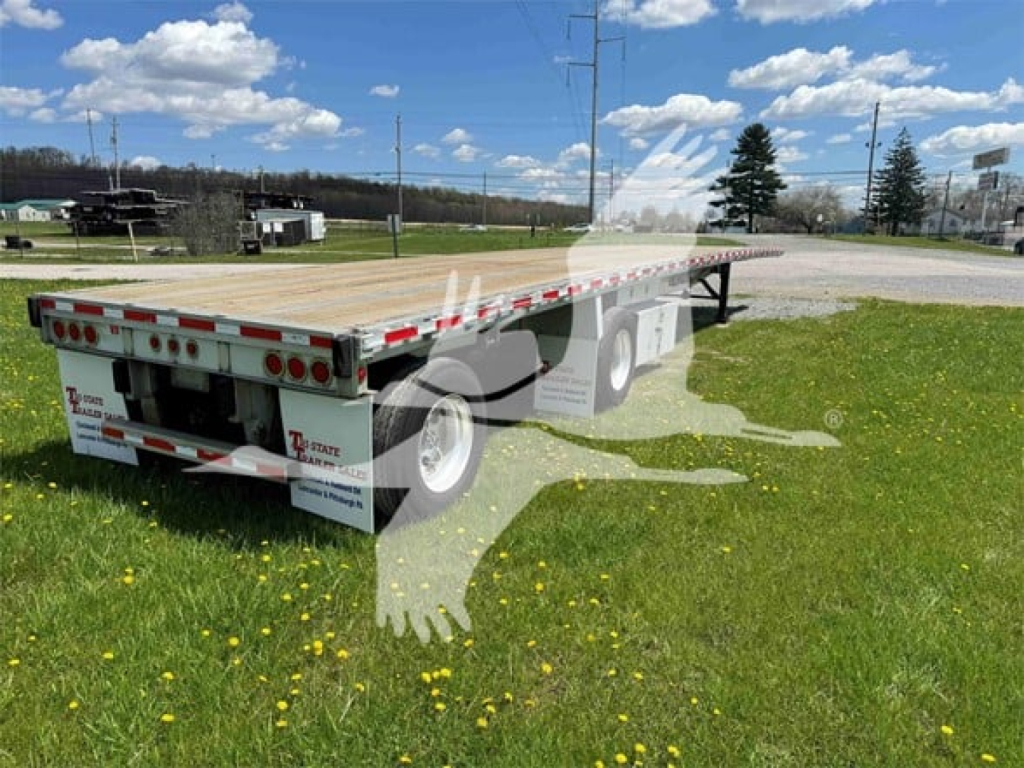
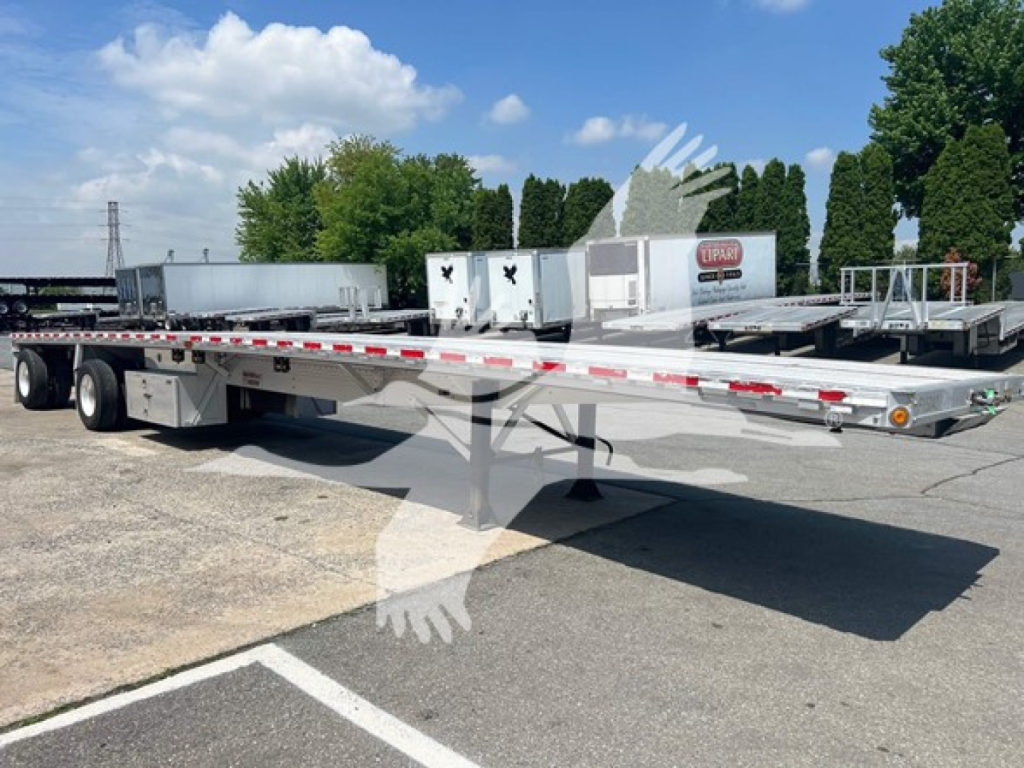
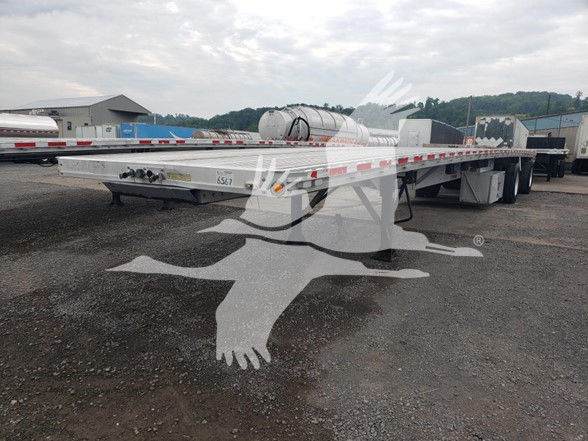
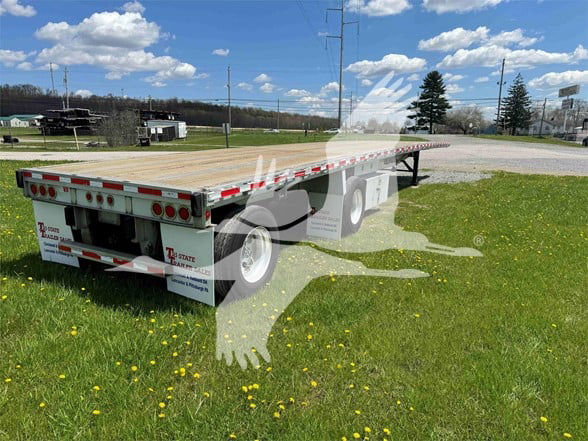
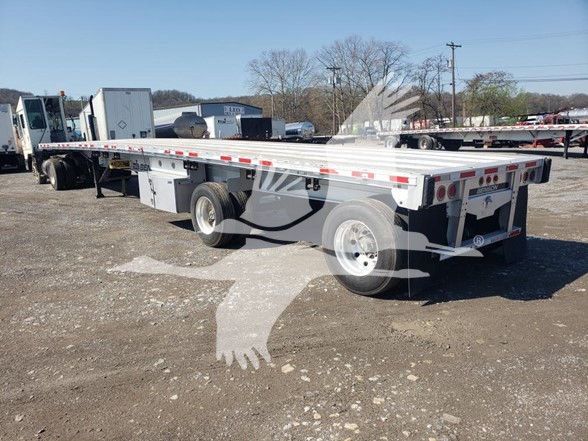
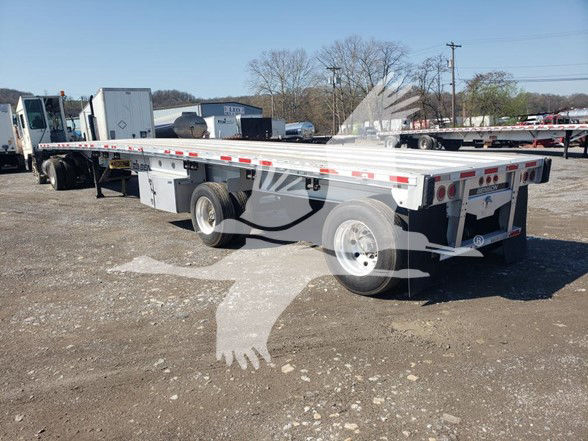
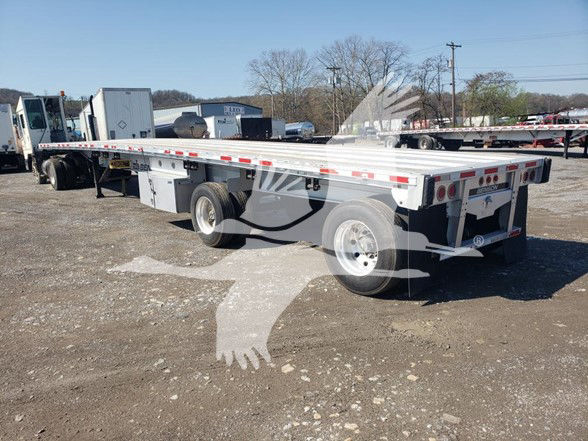
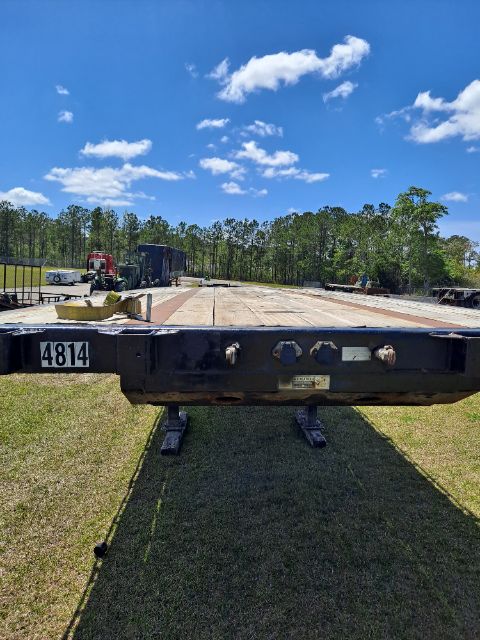
Showing 13 to 24 of 24 results
Have used 2015 flatbed trailer to sell? List it here to reach thousands of buyers.
About Used 2015 Flatbed Trailers
Construction type is one of the first decisions to make. Aluminum flatbeds generally offer lower tare weight and more payload, which matters for dense commodities and multi-stop freight. Steel flatbeds usually cost less up front and can be a good fit for tougher jobsite use, but they carry more empty weight. Combo flats, typically with steel main beams and aluminum components, split the difference and remain popular in general freight service. Deck material also changes how the trailer works day to day. Wood floors are common for traction and ease of repair, while aluminum decking can reduce weight and hold up well when maintained. Look closely at nail strips, side rails, stake pockets, pipe spools, and rub rails, since these areas take repeated securement stress.
Axle configuration affects both freight flexibility and where the trailer can run. A closed tandem is simple and familiar for many fleets, while a spread axle flatbed can improve weight distribution and loading options. Buyers running in California or other bridge-sensitive lanes should confirm kingpin setting, axle spread, and slider dimensions before purchase. Air ride suspension is common on 2015 flatbeds and is generally preferred for ride quality and freight protection. Features like air pin sliders, dump valves, tire inflation systems, and low-profile 22.5 rubber are worth checking because they influence maintenance cost and daily usability.
Securement equipment often separates a basic trailer from one that is truly ready to work. Many 2015 flatbeds will have sliding winches, winch tracks on one or both sides, chain tie-downs, coil package setups, bulkheads, toolboxes, dunnage racks, and forklift kits. For buyers hauling steel coils, plate, pipe, or machinery, those details matter as much as make or model. On any used 2015 flatbed trailer, inspect deck wear, cracked welds, tire condition, brake life, bushing wear, air system leaks, and evidence of frame repairs. A clean service history and a trailer spec that matches your freight lanes will usually matter more than brand name alone.
Frequently Asked Questions
What is the most common size for a used 2015 flatbed trailer?
The most common configuration is a 48-foot by 102-inch flatbed trailer. That size works for a wide range of open-deck freight and is the standard spec many shippers and carriers expect. Most buyers will also see tandem axle and spread axle versions, with air ride suspension being common in this model year.
Is an aluminum or steel 2015 flatbed trailer better?
It depends on payload needs and operating conditions. Aluminum flatbeds usually weigh less, which helps maximize payload and fuel efficiency. Steel flatbeds often have a lower purchase price and can be a good choice for harder-use applications, but they add tare weight. Combo construction is a middle-ground option that uses steel where strength matters most and aluminum where weight savings help.
What should I inspect first on a used 2015 flatbed trailer?
Start with the structural and wear items. Check the main beams, crossmembers, side rails, and rear frame for cracks, repairs, or corrosion. Then inspect the deck condition, suspension, brakes, tires, wheels, and air system. Securement components such as stake pockets, winch tracks, sliding winches, pipe spools, and rub rails should also be checked closely because they see repeated stress in normal service.
Are spread axle 2015 flatbed trailers better than closed tandem trailers?
Neither layout is automatically better. Spread axle flatbeds can improve weight distribution, stability, and loading flexibility, especially on certain freight types. Closed tandem trailers are often simpler to maneuver and can be easier to manage in tighter docks or urban settings. The better choice depends on the freight, the states you run, and the bridge law requirements that apply to your lanes.
What features add the most value on a used 2015 flatbed trailer?
The most valuable features are usually the ones that reduce setup time and expand freight capability. Coil packages, sliding winches, dual winch tracks, bulkheads, toolboxes, dunnage racks, forklift kits, and tire inflation systems can all improve daily operation. A well-maintained air ride suspension and a trailer spec matched to your freight mix often add more practical value than cosmetic appearance.