
Used 2015 Flatbed Trailers For Sale in Colorado
Browse used 2015 flatbed trailers in Colorado. Compare 48' and 53' specs, deck types, tandem setups, winch tracks, and hauling features.
Learn more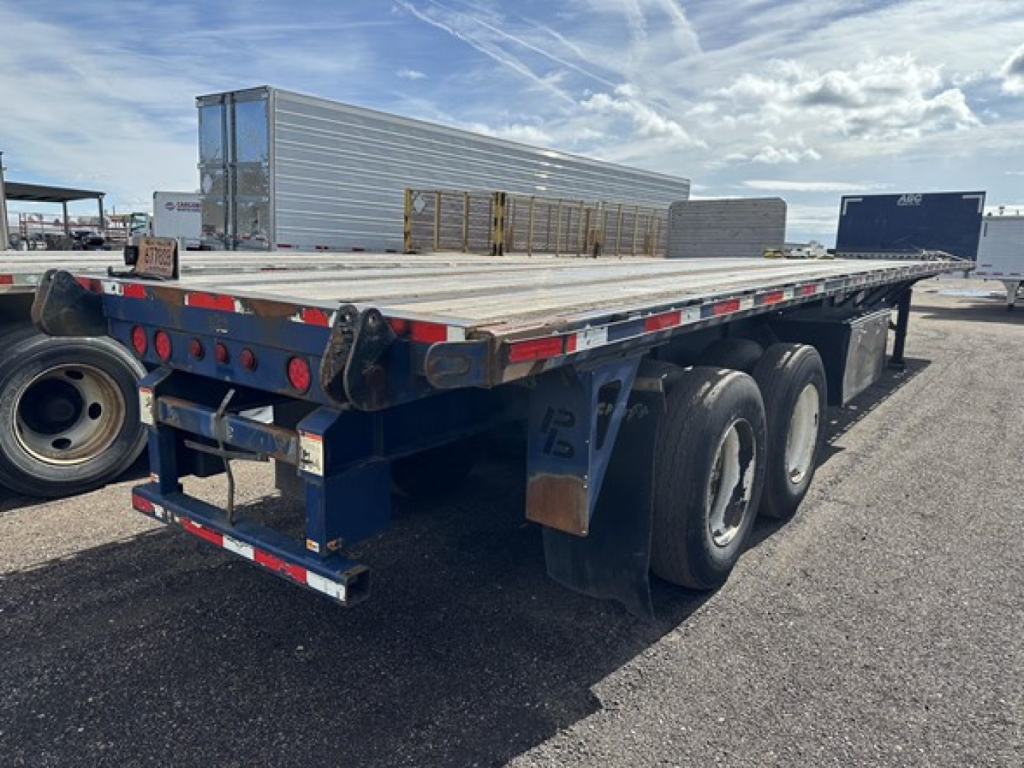
Have used 2015 flatbed trailer to sell? List it here to reach thousands of buyers.
About Used 2015 Flatbed Trailers in Colorado
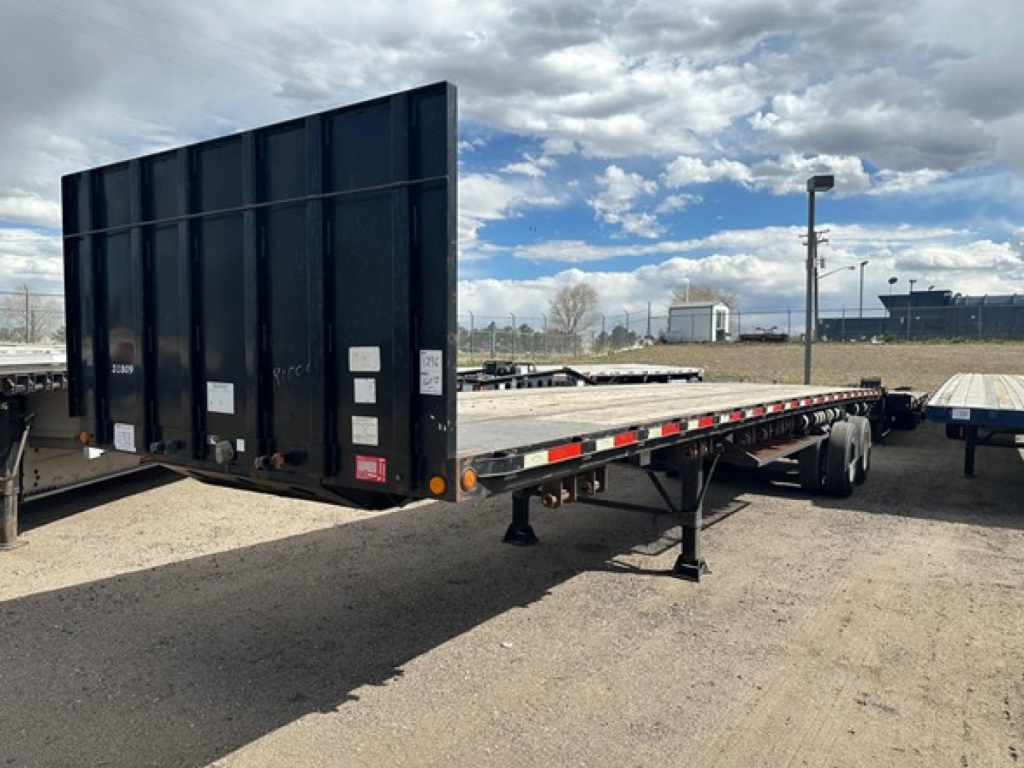
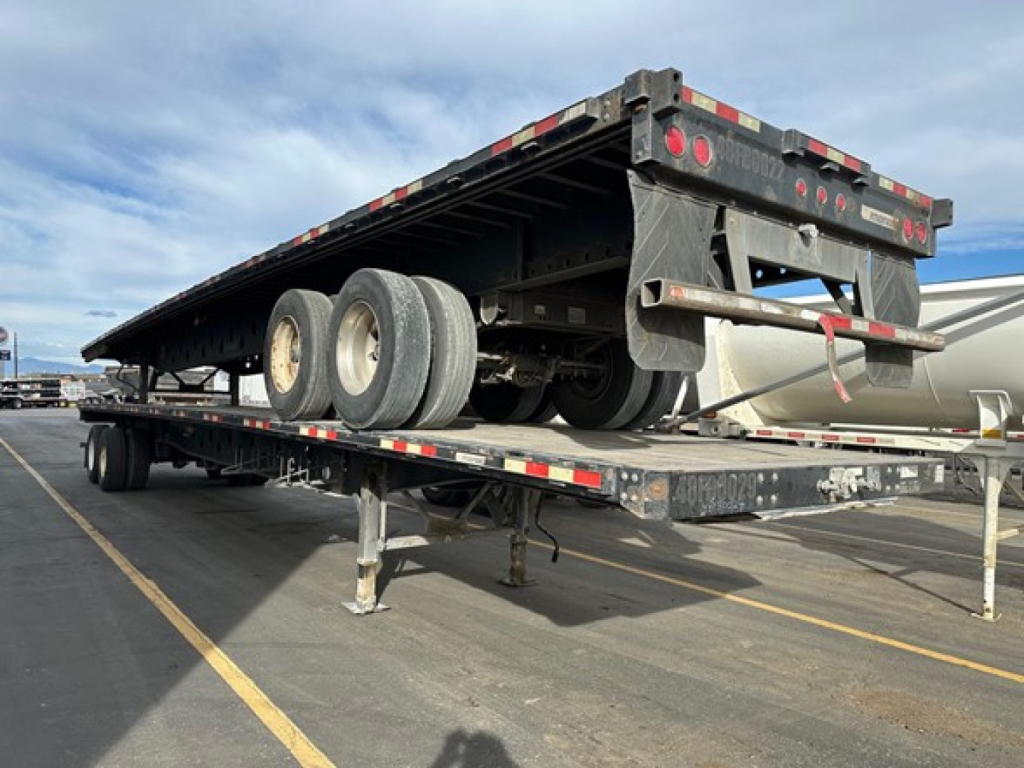
The biggest buying decision is usually structure and weight. A steel flatbed typically offers durability and straightforward repairability, which appeals to operations hauling dense freight, jobsite materials, or loads that put more abuse into the deck and side rail. A combo flatbed, also known as an aluminum-steel flatbed, cuts tare weight and can improve payload capacity while still keeping steel where strength matters most. Deck type matters too. Wood and Apitong decks are common because they provide traction and are forklift-friendly, while aluminum deck sections and nail strips are often chosen for weight savings and service life. Stake pockets, pipe spools, sliding winches, winch tracks, and coil package options are worth close attention because they directly affect how easily the trailer can be adapted to different freight.
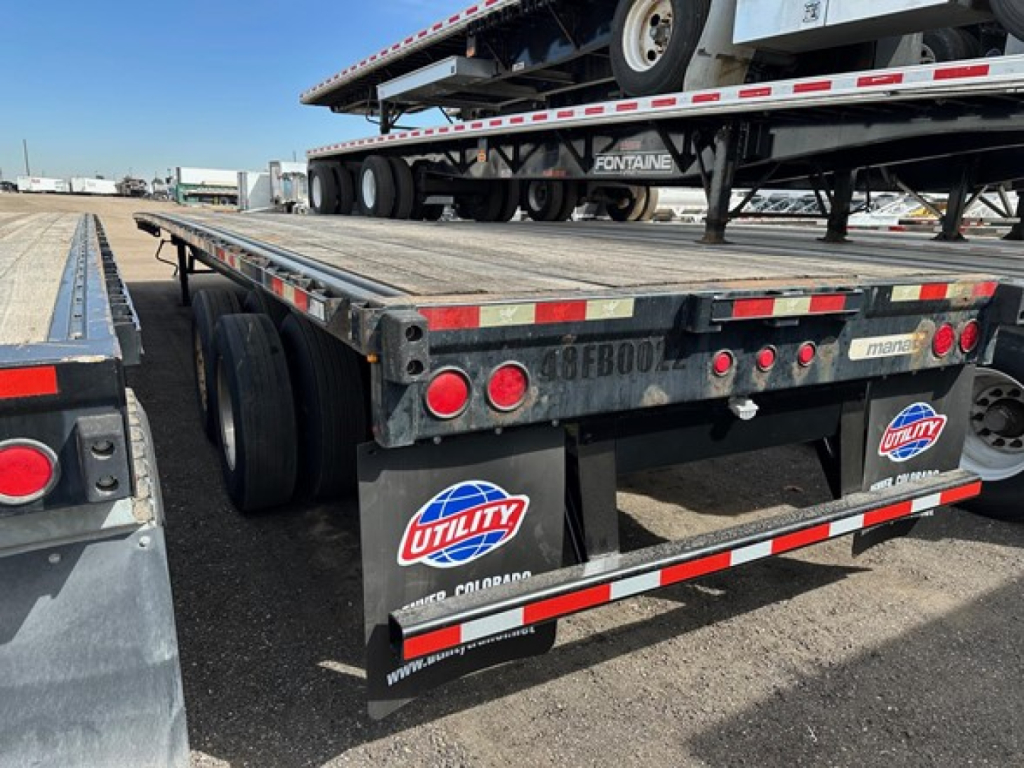
Suspension and axle setup should match the lanes you run. Closed tandem sliders are common on general freight flatbeds because they help with bridge law compliance and load positioning. Fixed spread axle trailers can offer stability and weight distribution advantages, but they are less flexible in tight yards and some customer locations. Air ride is often preferred for more sensitive freight and better ride quality, while spring ride remains a simpler and lower-cost setup for some fleets. On a used 2015 trailer, inspect suspension components, slider operation, frame rail condition, brake wear, wheel-end service history, tire size and age, and signs of corrosion around crossmember connections, rear structure, and landing gear mounts. In Colorado, seasonal weather and mountain use make brake condition, tire condition, and structural integrity especially important.
A good 2015 flatbed trailer should also be evaluated by how ready it is for securement work on day one. Buyers should look for sound winch function, straight side rails, usable stake pockets, intact rub rail sections, compliant lighting, and deck condition that will handle chains, straps, edge protection, and forklift traffic. Features like tool boxes, dunnage racks, coil bunks, tire inflation systems, and low-profile 22.5 tires can add real operating value depending on the freight mix. For buyers comparing many listings, the best unit is rarely just the cheapest one. The better value is usually the trailer with the right deck spec, axle arrangement, securement package, and maintenance history for the lanes and commodities it will actually run.
Frequently Asked Questions
What should I check first on a used 2015 flatbed trailer?
Start with the frame, crossmembers, suspension, brakes, and deck. On a used flatbed, structural condition matters more than cosmetic appearance because repairs to main beams, slider assemblies, or widespread deck damage can quickly erase any upfront savings. Check for cracked welds, bent rails, corrosion, brake chamber and drum condition, tire age, and wear around landing gear mounts and the rear impact guard. Securement hardware like stake pockets, winches, rub rails, and spool areas should also be inspected closely because those components affect daily usability.
Is a steel flatbed or combo flatbed better for a 2015 trailer?
It depends on your freight and operating priorities. A steel flatbed is generally heavier but is valued for durability and easier repair in hard-use applications like construction materials, machinery, and dense loads. A combo flatbed uses steel main beams with aluminum components to reduce tare weight and increase payload potential. Many buyers prefer combo trailers for general freight because they balance strength and weight savings, but a full steel trailer can still be the better fit if toughness and lower repair complexity matter more than every pound of payload.
Are 48-foot or 53-foot flatbed trailers more common in this market?
Both sizes are common, but they serve slightly different needs. A 48-foot flatbed is widely used in regional and mixed-freight work and can be easier to maneuver at tighter customer locations. A 53-foot flatbed provides more deck length for longer freight and can improve flexibility for certain commodity mixes. The right choice depends on the freight dimensions, state bridge considerations, axle setup, and the customer base the trailer will serve.
What flatbed features matter most for securement and freight flexibility?
Stake pockets, sliding winches, winch tracks, pipe spools, rub rails, and coil package equipment are among the most important features because they determine how many different loads the trailer can handle efficiently. A sound wood or Apitong deck also matters because it supports forklift loading and gives securement equipment a dependable working surface. Buyers hauling steel, pipe, machinery, or building products should match the trailer's securement package to the freight they actually move rather than assuming every flatbed is equipped the same way.
Does Colorado use change what I should look for in a used flatbed trailer?
Yes. Colorado operation puts more emphasis on brakes, tires, suspension condition, and overall structural integrity because mountain grades, weather shifts, and seasonal road conditions can expose weaknesses quickly. Air ride can be beneficial for ride quality and freight protection, while axle configuration affects both handling and how the trailer fits your routes and customer yards. Buyers running in and out of higher elevations should also pay close attention to maintenance records, wheel-end service, and any signs of hard use on the undercarriage.