
Used 2015 Flatbed Trailers For Sale in Pennsylvania
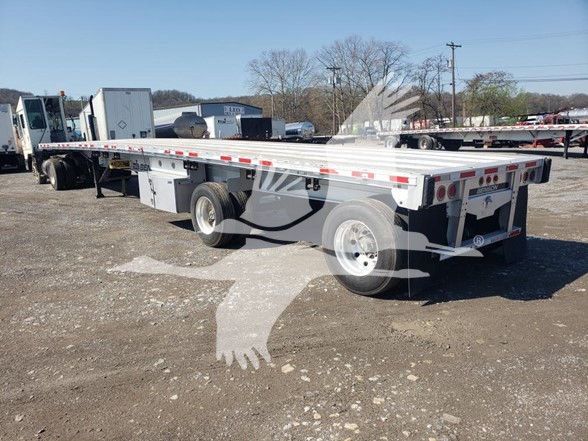
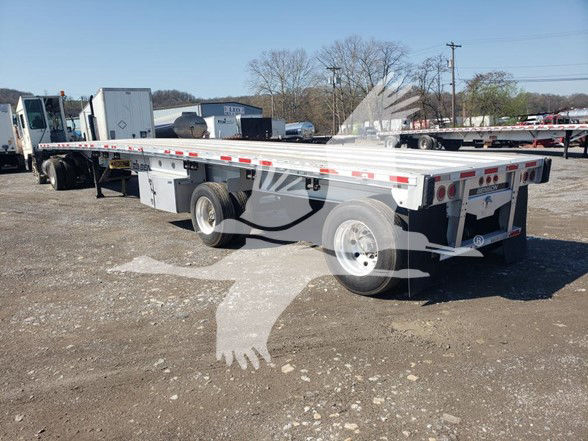
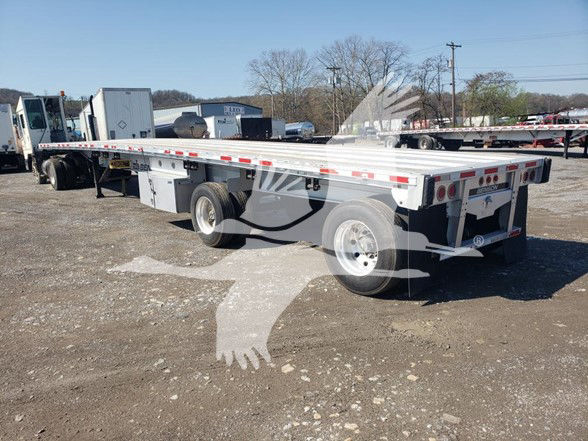
Have used 2015 flatbed trailer to sell? List it here to reach thousands of buyers.
Used 2015 Flatbed Trailers in Pennsylvania
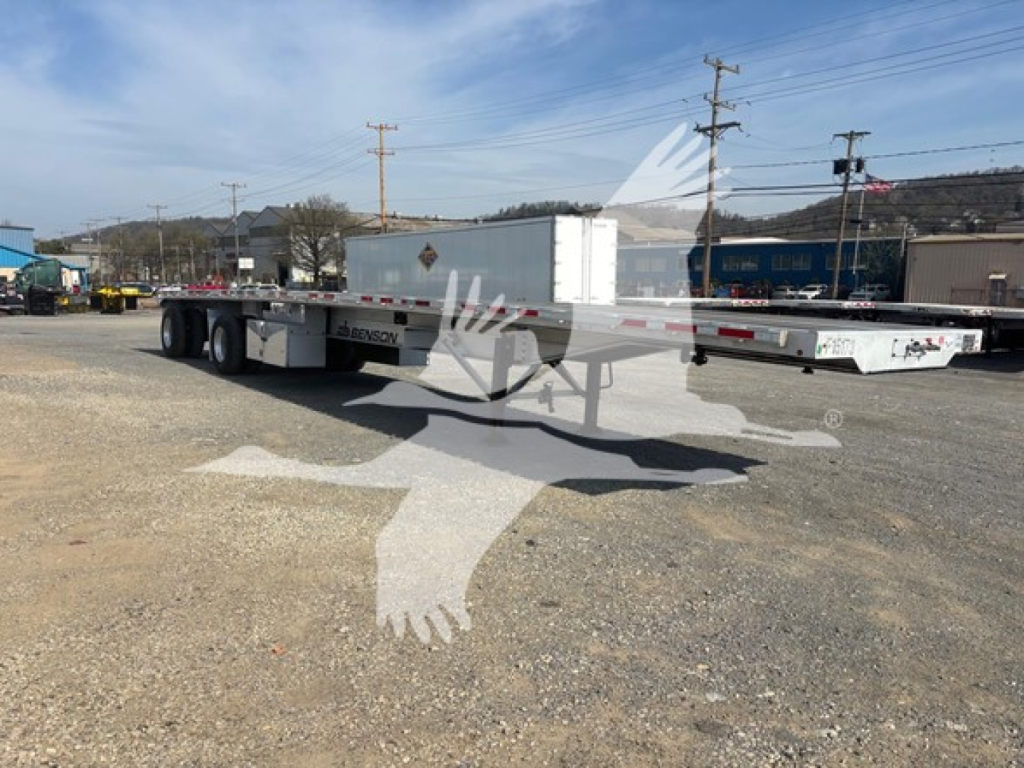
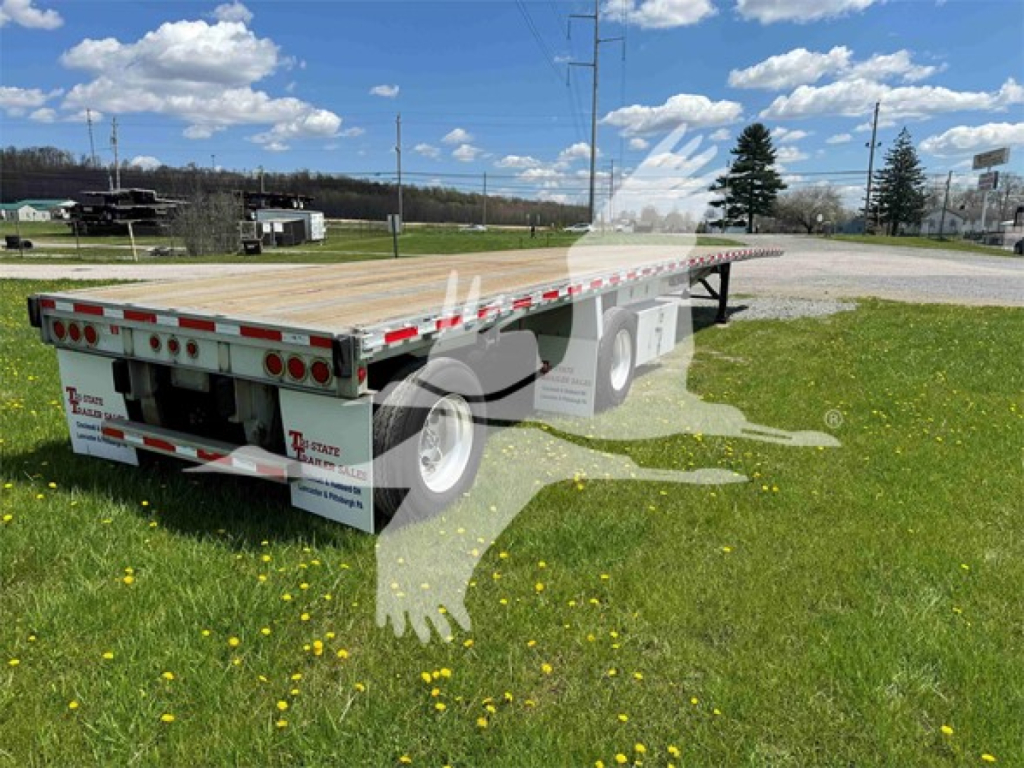
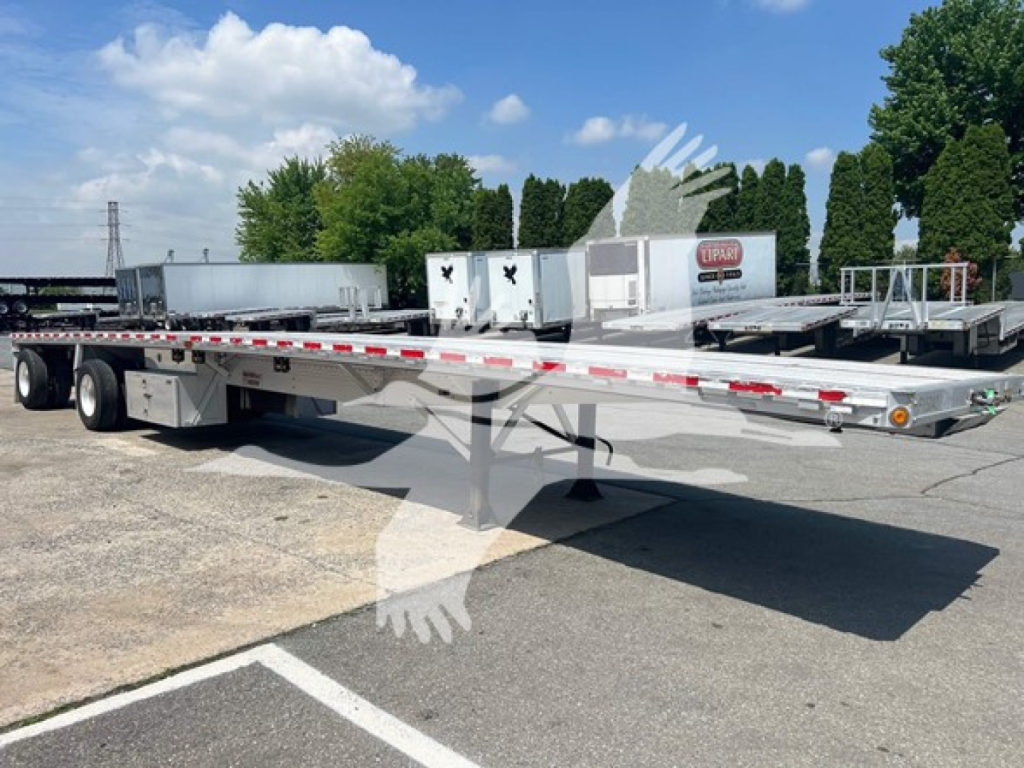
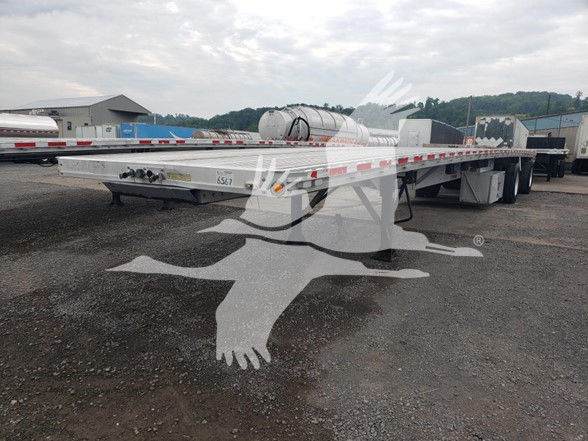
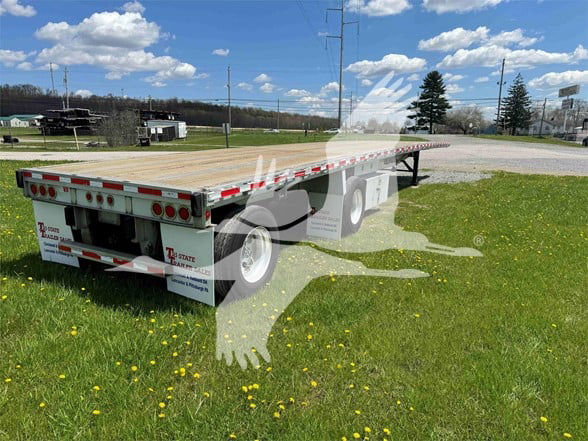
For a 2015 flatbed, pay close attention to empty weight, crossmember spacing, flooring, and rated capacity in concentrated load areas. Many trailers from this era were built with air-ride suspensions, tandem or spread axle configurations, winch tracks on one or both sides, sliding winches, pipe spools, and coil packages. If the work includes dense freight such as coils, lumber units, or machinery, details like extra crossmembers, mini coil packages, side rail condition, and floor wear matter as much as the headline GVWR. Kingpin setting, suspension location, and axle spacing also affect bridge compliance, maneuverability, and how well the trailer fits your lanes.
Pennsylvania buyers should also consider corrosion, brake type, and winter-service wear. Trailers that have seen Northeast road salt can show issues around crossmembers, fasteners, landing gear mounts, light wiring, and rear structure, even when the deck surface still looks serviceable. Disc brakes, tire inflation systems, aluminum wheels, and quality suspensions such as Hendrickson air-ride are strong value points on a used flatbed because they can lower maintenance downtime and improve tire life. A current inspection record, bushing condition, brake wear, tire age, and evidence of frame or rail repairs are worth verifying before purchase.
The best used 2015 flatbed trailer is the one that matches the freight, not just the price. A lightweight aluminum flatbed can be the right tool for higher-volume legal loads, while a heavier-duty combo or steel platform may be better suited for rougher loading environments or frequent forklift traffic. Buyers comparing listings should look beyond make and model and focus on the working spec: deck rating, securement equipment, axle setup, suspension type, brake package, and overall structural condition. Those details determine payload flexibility, maintenance cost, and resale value far more than appearance alone.
Frequently Asked Questions about Used 2015 Flatbed Trailers in Pennsylvania
What should I check first on a used 2015 flatbed trailer?
Start with the structural items that affect safety and long-term cost. Inspect the frame rails, crossmembers, floor, side rails, suspension mounts, landing gear supports, and rear impact area for cracks, corrosion, bends, or repaired damage. After that, review brake condition, tire age and wear pattern, axle alignment, wheel-end condition, lighting, and the securement equipment such as winch tracks, sliding winches, rub rail, and chain tie-downs. On a 2015 trailer, maintenance history and inspection records can be as important as the visible condition.
Is an aluminum flatbed better than a steel or combo flatbed?
It depends on the freight and operating environment. Aluminum flatbeds are lighter and usually offer better payload potential, which matters for legal gross weight on dense or high-cube freight. Steel flatbeds are typically heavier but can be attractive for rugged applications and may be simpler to repair in some shops. Combo flatbeds split the difference by using steel in high-stress areas and aluminum where weight savings help. The better choice is the one that matches your payload targets, loading practices, and maintenance plan.
What axle and suspension setup is common on a 2015 flatbed trailer?
A common setup is a tandem axle or spread axle 48-foot by 102-inch flatbed with air-ride suspension. Air-ride is popular because it helps protect freight, improves ride quality, and is widely accepted in general freight operations. Spread axles can help with weight distribution and bridge compliance, but they can increase tire scrub in tighter turns. Tandem configurations may be easier to maneuver in certain loading docks or urban areas. Buyers should match the axle layout to the lanes they run and the freight they haul.
What features add value on a used flatbed trailer?
The most useful value-added features are the ones that improve securement, reduce maintenance, or expand freight capability. Examples include winch tracks on both sides, enough sliding winches for your typical loads, pipe spools, coil packages, extra crossmembers, disc brakes, tire inflation systems, aluminum wheels, and reputable air-ride suspensions. Toolboxes, nailing strips, and a well-kept floor also matter because they affect day-to-day usability. These details often separate a trailer that is ready to work from one that needs immediate shop time.
Why does kingpin setting matter on a flatbed trailer?
Kingpin setting affects weight distribution between the tractor and trailer axles, bridge law compliance, and how the combination handles on the road. A common flatbed setting such as 30 inches may work well in many applications, but the right spec depends on the tractor wheelbase, fifth wheel position, and the freight profile. If the trailer will haul concentrated loads, coils, or machinery, kingpin setting becomes even more important because improper weight placement can limit legal payload and create loading headaches.