
New Reitnouer Flatbed Trailers For Sale
Shop new Reitnouer flatbed trailers built for payload, durability, and securement flexibility with aluminum construction and proven specs.
Learn more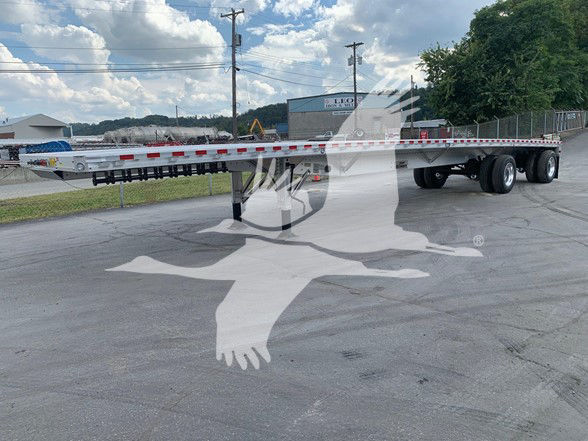
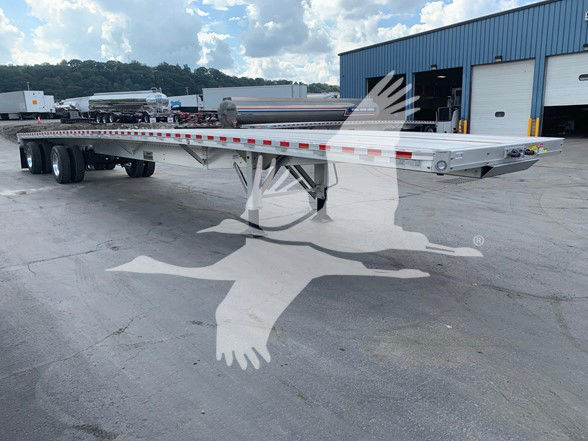
Showing 25 to 29 of 29 results
Have new reitnouer flatbed trailer to sell? List it here to reach thousands of buyers.
About New Reitnouer Flatbed Trailers
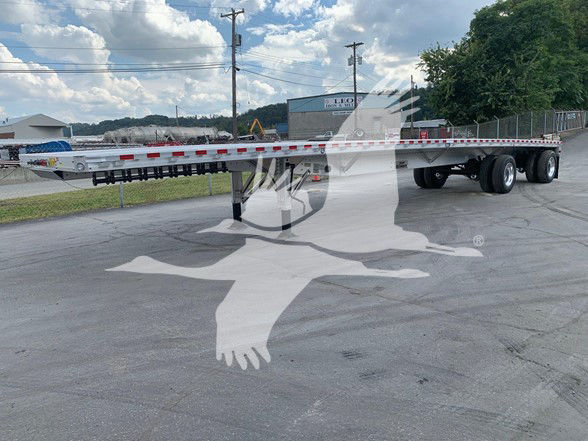
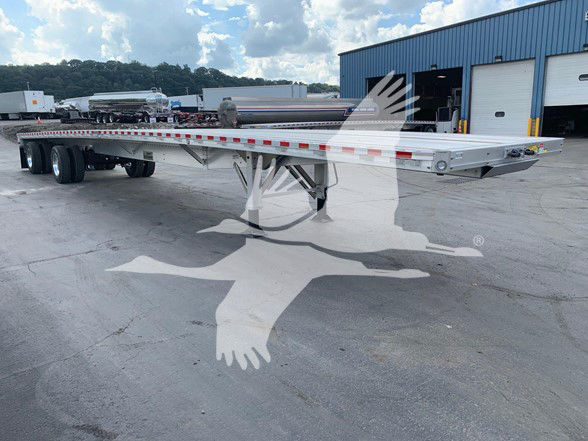
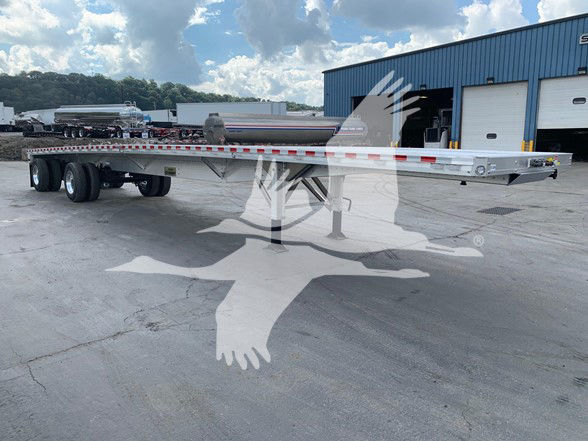
The spec decisions that matter most usually start with deck layout and axle configuration. Reitnouer flatbeds often come with full-length winch tracks, sliding winches, double pipe spools, Apitong nailing strips, and aluminum floors or mixed deck arrangements designed for securement flexibility. Crossmember spacing is a key detail, especially for coil work or denser freight. A 12-inch or 15-inch crossmember center setup can make a real difference in how the trailer handles concentrated loads. Buyers moving steel or other high-density cargo should also pay attention to coil packages, extra crossmembers, and published weight ratings such as 70,000 pounds in 10 feet and 60,000 pounds in 4 feet. Those numbers tell you more about real-world capability than overall GVWR alone.
Suspension and axle setup can be just as important as deck construction. Many new Reitnouer flatbeds use Hendrickson Intraax air ride suspensions in 23K, 25K, or 30K trim, depending on the application. Spread axle, sliding rear axle, and California-legal settings all show up in this category, and each one affects bridge law compliance, maneuverability, and tire scrub. A sliding rear axle can be a smart choice for fleets that cross multiple states with different axle rules. Reduced arch designs, common on Reitnouer trailers, help keep deck height competitive while maintaining load stability. Details like kingpin setting, dump valves, hub type, wheel material, and tire size also deserve a close look because they affect maintenance cost, driver usability, and compatibility with the tractors already in service.
Reitnouer flatbeds are also known as aluminum flatbed trailers, and they are often chosen by buyers who want a clean, corrosion-resistant platform with lower long-term upkeep than a comparable steel design. The right spec depends on the freight mix. A general freight carrier may prioritize low trailer weight, a simple deck, and a standard air ride tandem. A steel hauler may want a heavier coil package, removable chain tiedowns, more sliding winches, and toolbox provisions. Lighting, additional receptacles, landing gear spec, and pre-drilled locations for dunnage racks or toolboxes may seem secondary on paper, but they matter on a working trailer. When comparing listings, focus on payload potential, concentrated load support, securement layout, axle legality, and deck configuration before anything else.
Frequently Asked Questions
What is the main advantage of a new Reitnouer flatbed trailer?
The main advantage is low tare weight from all-aluminum construction combined with strong load-carrying capability. That lighter empty weight can increase legal payload and improve revenue potential on weight-sensitive freight. Reitnouer flatbeds are especially attractive to carriers hauling steel, lumber, building products, machinery, and other cargo where payload and securement options both matter.
Are Reitnouer flatbed trailers good for coil and steel hauling?
Yes, many Reitnouer flatbeds are spec'd for steel service, but the exact trailer matters. Buyers should look for features such as a coil package, extra crossmembers, tighter crossmember spacing, removable chain tiedowns, full-length winch tracks, and published concentrated load ratings. Those specs are more important than the brand name alone if the trailer will regularly handle coils or dense steel products.
What should I look for in a 48-foot versus a 53-foot Reitnouer flatbed?
A 48-foot Reitnouer flatbed is often favored for regional work, steel hauling, and applications where maneuverability and axle placement are important. A 53-foot model usually gives more deck space for longer freight and more flexibility for general over-the-road flatbed work. The right choice depends on your freight profile, state bridge law considerations, customer dock and yard access, and how often you haul long or mixed-length loads.
Why does axle setup matter on a Reitnouer flatbed trailer?
Axle setup affects legal compliance, turning radius, tire wear, and how the trailer fits your lanes. Spread axles can help with load distribution and bridge compliance, but they can scrub tires more in tight turns. A sliding rear axle gives more flexibility for state regulations and load positioning. California-legal settings are important for fleets that run into strict axle-spacing jurisdictions. Matching the axle arrangement to your operating area is a major buying decision.
How important are securement features on a new flatbed trailer?
Securement features are critical because they determine how many freight types the trailer can handle efficiently and safely. Full-length winch tracks, sliding winches, pipe spools, nailing strips, chain tiedowns, and toolbox or dunnage provisions all affect day-to-day usability. A trailer with the right securement layout can load faster, adapt to more freight, and reduce the need for aftermarket modifications.