
New Reitnouer Flatbed Trailers For Sale in Pennsylvania
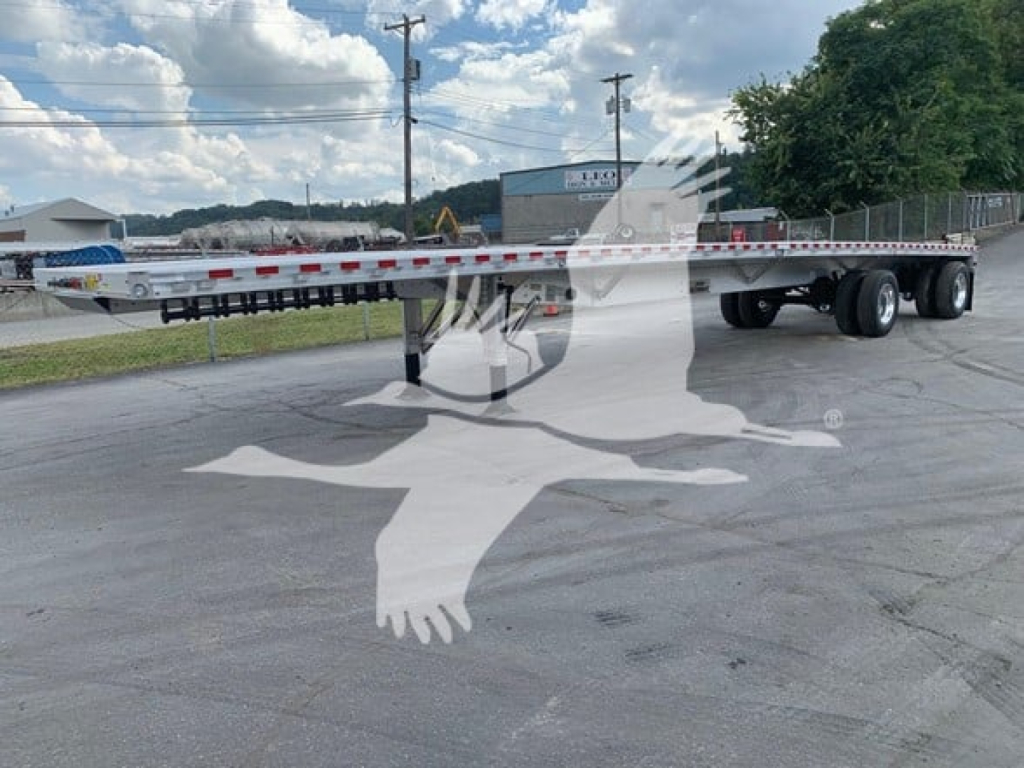
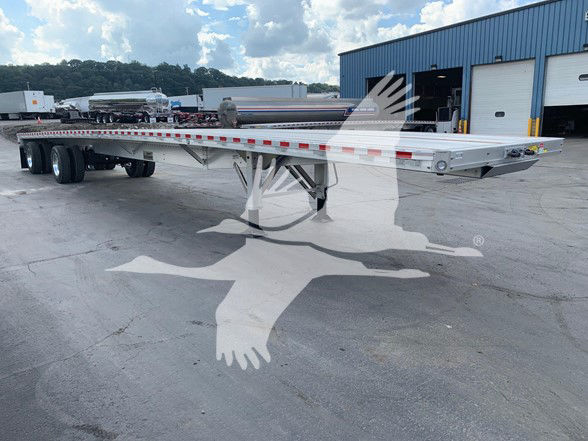
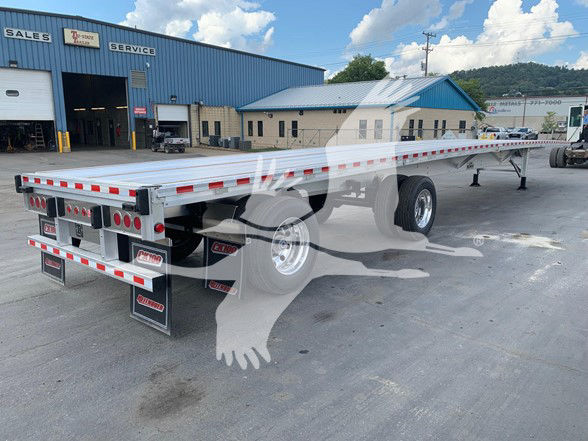
Have new reitnouer flatbed trailer to sell? List it here to reach thousands of buyers.
New Reitnouer Flatbed Trailers in Pennsylvania
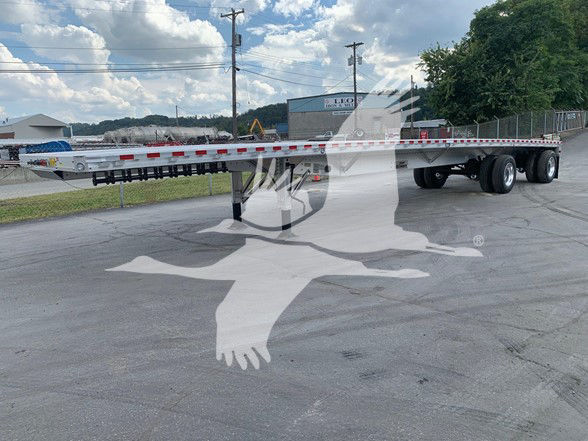
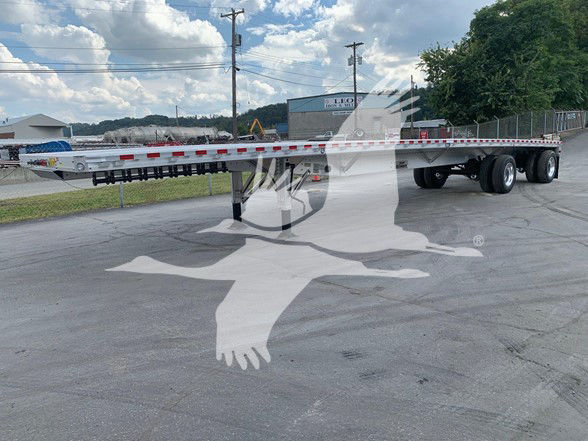
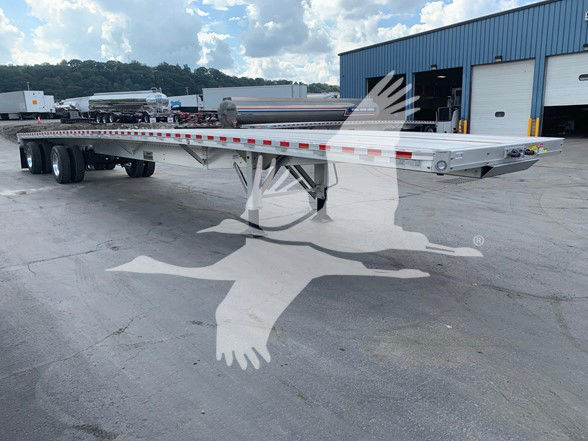
A typical Reitnouer flatbed in this class uses an aluminum floor, aluminum side rails, aluminum front and rear members, and a 102-inch overall width. That construction helps reduce empty weight compared with heavier steel-heavy designs, which can translate to more legal payload on every trip. Common trailer specs in this category include tandem axles, air ride suspension, Jost two-speed landing gear, roadside full-length winch tracks, sliding winches, pipe spools, LED lighting, and aluminum outer wheels with steel inner wheels. Buyers hauling concentrated loads should pay close attention to crossmember centers and coil package options. Tighter crossmember spacing such as 12-inch centers generally adds support for dense freight, while a mini coil package with extra crossmembers helps when the work includes steel coil or other high point-load cargo.
Suspension layout is another key buying point on a new Reitnouer flatbed trailer. Air ride setups, often with Hendrickson Intraax suspensions in this segment, are popular for ride quality and freight protection. A fixed spread tandem can be a strong fit for straightforward regional operation, while a sliding rear axle or California-legal closing spread gives more flexibility for bridge compliance and state-to-state hauling. Kingpin setting, axle location, and dump valve configuration all affect maneuverability, weight distribution, and dock approach. On flatbeds used for mixed freight, features like full-length winch tracks, multiple sliding winches, pipe spools, pre-drilled dunnage rack locations, and optional bulkheads or toolbox provisions can make the trailer easier to adapt as your lanes and customers change.
Reitnouer flatbeds are also commonly referred to simply as flatbed trailers or aluminum flatbeds, but buyers comparing them against composite or steel-platform trailers should focus on use case first. If the priority is maximizing payload and running a broad mix of legal deck freight, a lightweight aluminum flatbed is often the right direction. If the freight regularly includes coils, heavy machinery, or concentrated building products, review the load rating in specified lengths such as 70,000 pounds in 10 feet and 60,000 pounds in 4 feet, along with deck arch, crossmember layout, and securement hardware. The best new Reitnouer flatbed is usually the one spec'd for the freight you actually haul most often, not the lightest trailer on paper.
Frequently Asked Questions about New Reitnouer Flatbed Trailers in Pennsylvania
What are the main advantages of a new Reitnouer flatbed trailer?
A new Reitnouer flatbed trailer is typically chosen for its aluminum construction, low tare weight, and strong open-deck versatility. Lower trailer weight can help increase legal payload, which matters for carriers hauling dense but legal freight. Reitnouer trailers are also well known for practical flatbed specs such as winch tracks, sliding winches, pipe spools, air ride suspensions, and coil-package options that suit steel, lumber, machinery, and palletized building materials.
Should I choose a 48-foot or 53-foot Reitnouer flatbed?
A 48-foot Reitnouer flatbed is often a good fit for fleets that want a simpler bridge-law setup and strong flexibility for regional freight. A 53-foot model gives more deck space for longer freight and mixed open-deck work, but axle configuration becomes more important for legal compliance and weight distribution. The right choice depends on your typical load length, operating states, customer requirements, and whether you need a spread axle or sliding rear axle arrangement.
Why do crossmember spacing and coil packages matter on a flatbed trailer?
Crossmember spacing directly affects deck support under concentrated cargo. Closer spacing, such as 12-inch centers, gives better support for dense freight and repeated heavy loading. A coil package adds reinforcement with extra crossmembers in the coil area, which is important for steel haulers and anyone carrying loads with high point-loading. Buyers who haul machinery, steel products, or compact building materials should review these structural details before comparing trailers by weight alone.
What suspension setup is common on new Reitnouer flatbeds?
Many new Reitnouer flatbeds are spec'd with tandem air ride suspensions, often using Hendrickson Intraax components in the 25,000-pound range per axle set. Air ride is popular because it improves ride quality, helps protect freight, and performs well across mixed highway conditions. Buyers should also compare whether the trailer has a fixed spread, a sliding rear axle, or a closing spread configuration, since that affects bridge compliance, turning characteristics, and how easily the trailer can be used across different states.
What specs should matter most when comparing new aluminum flatbed trailers in Pennsylvania?
Pennsylvania buyers should pay close attention to trailer length, axle spread, kingpin setting, suspension type, crossmember centers, coil reinforcement, and securement equipment. Freight mix is critical because a lightweight trailer with the wrong support package can limit what you can legally or safely haul. It also helps to review tire size, wheel setup, dump valve configuration, landing gear, and accessory provisions for toolboxes or dunnage racks, especially if the trailer will be used in multi-state Northeast operation.