
New Reitnouer Flatbed Trailers For Sale in Ohio
Shop new Reitnouer flatbed trailers for sale in Ohio. Compare lightweight aluminum specs, axle setups, coil packages, and securement options.
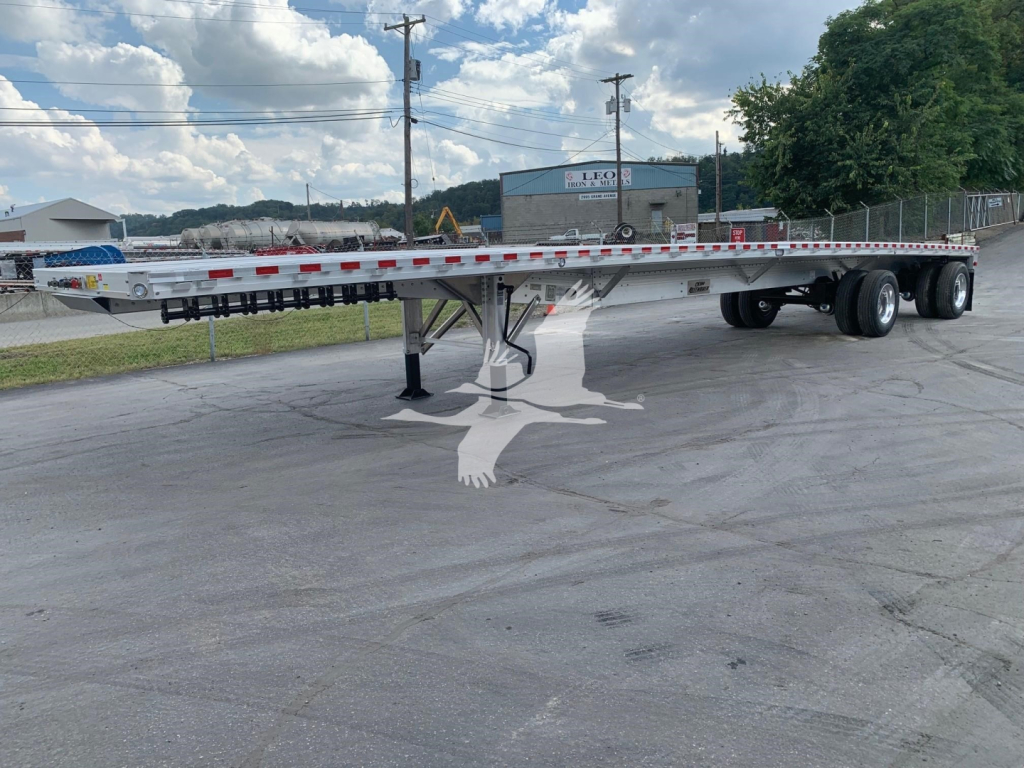
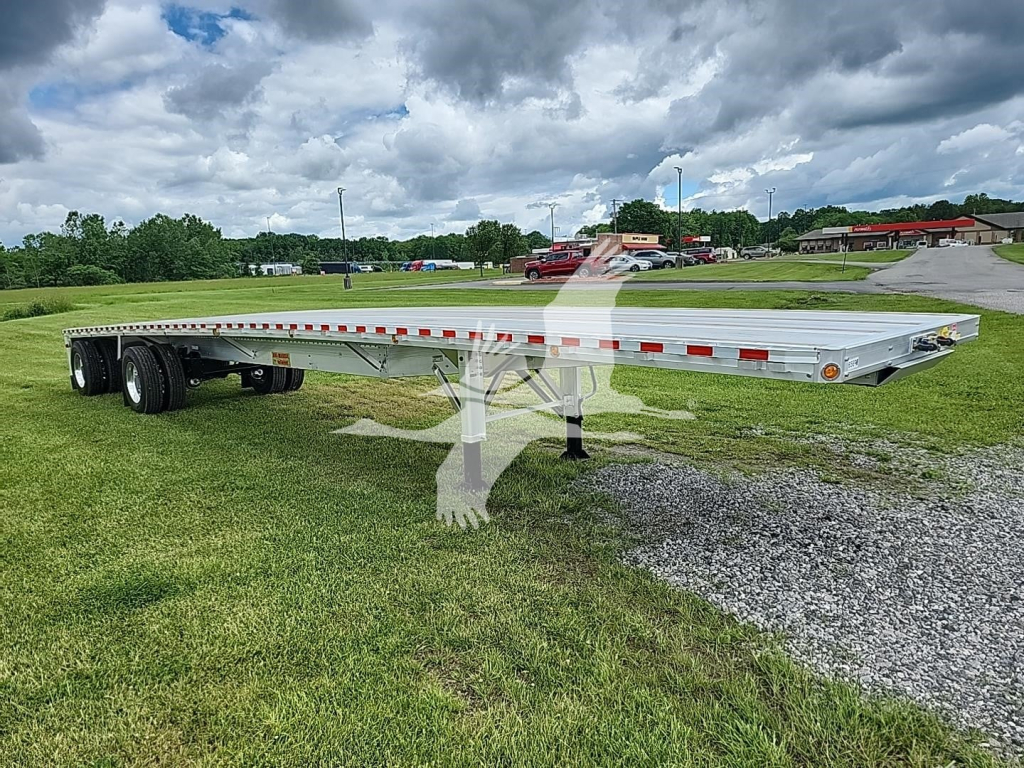
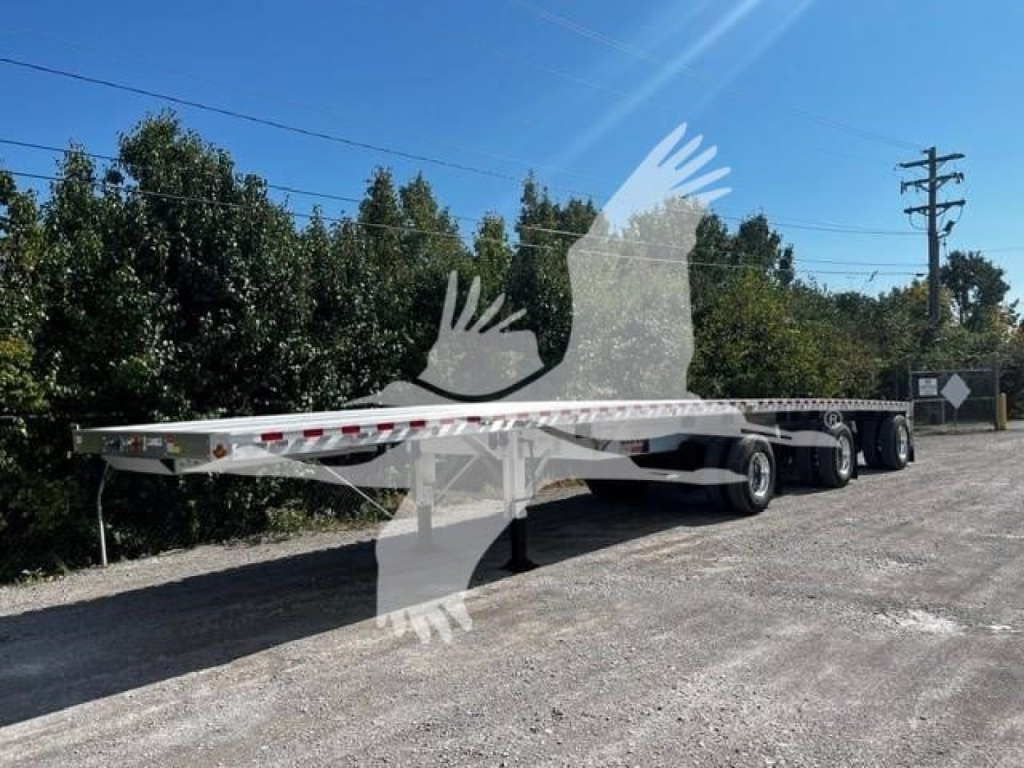
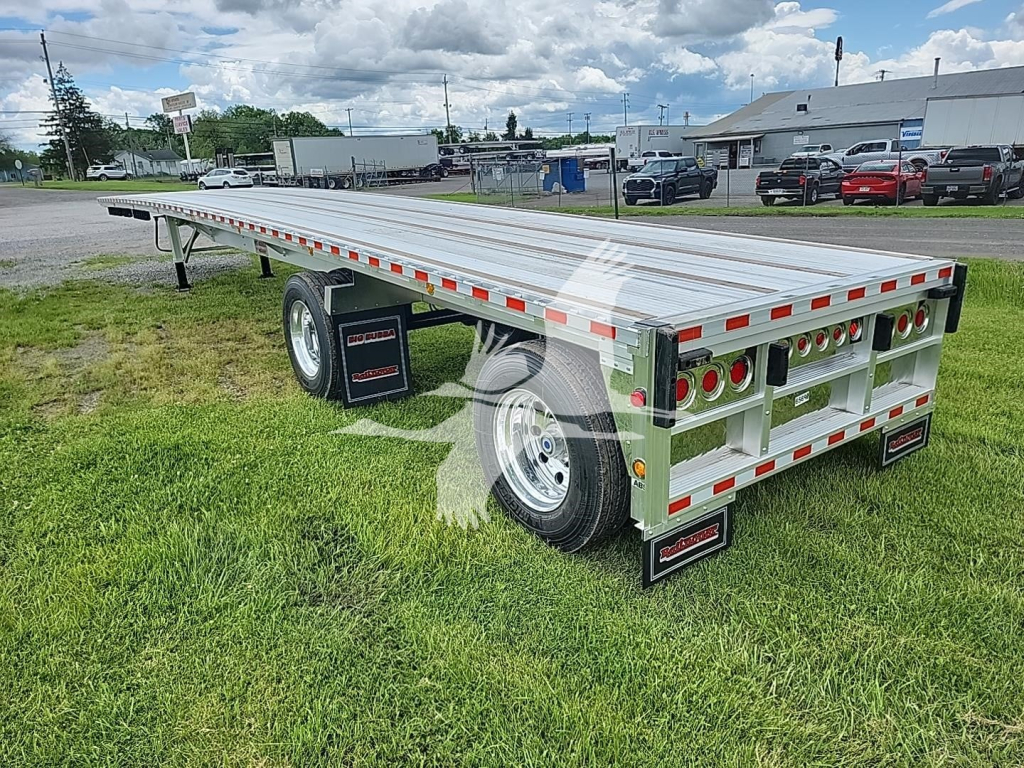
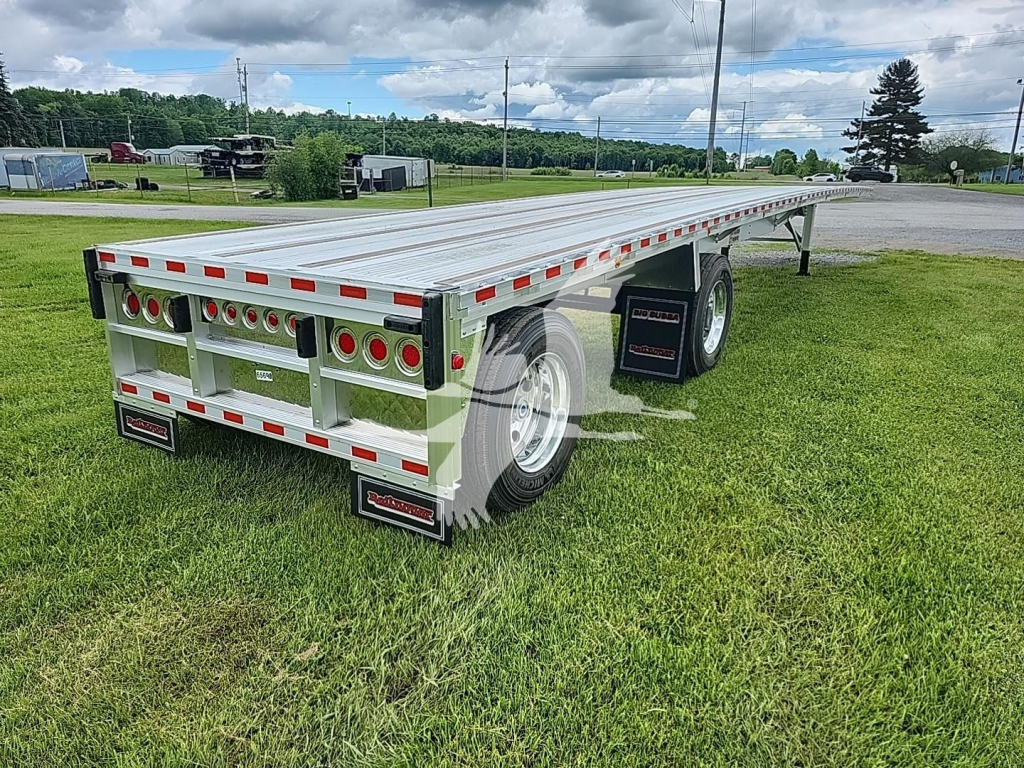
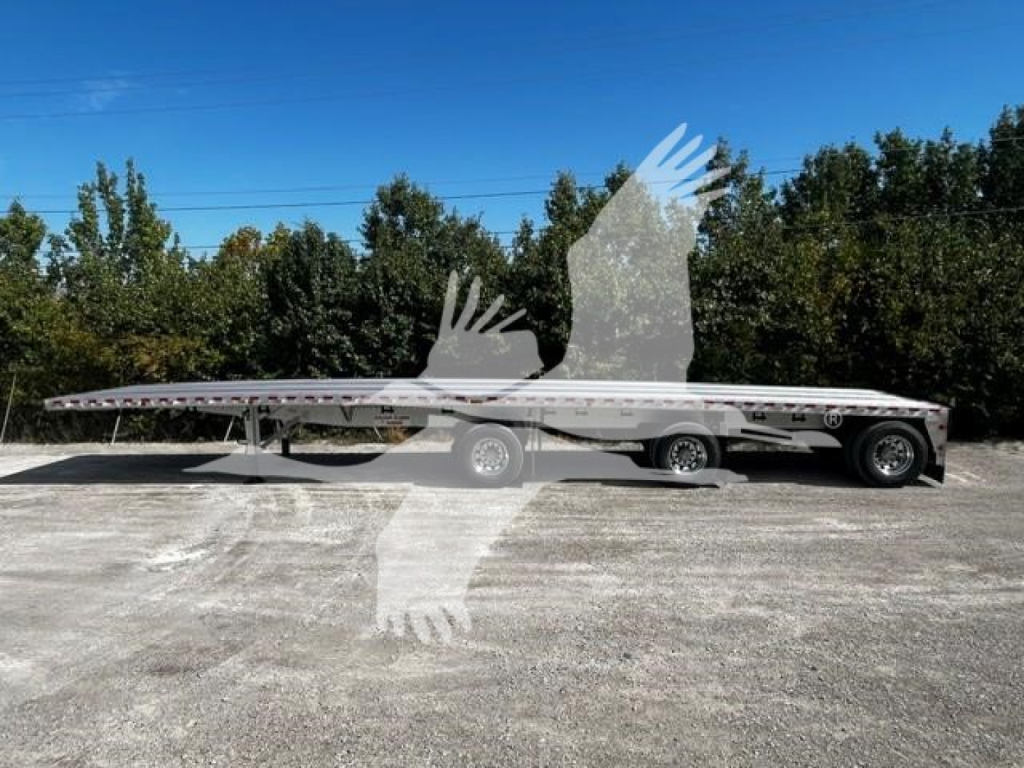
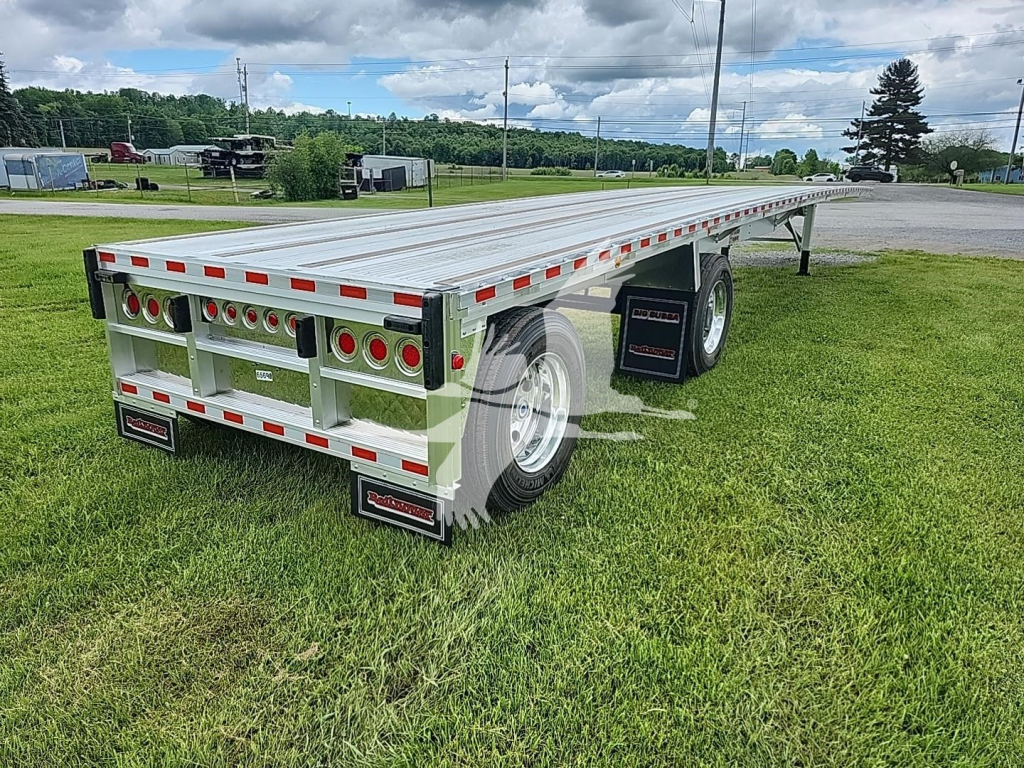
Selling a new reitnouer flatbed trailer? List your new reitnouer flatbed trailer for sale and reach thousands of commercial buyers.
New Reitnouer Flatbed Trailers in Ohio
Frequently Asked Questions about New Reitnouer Flatbed Trailers in Ohio
Why do many buyers choose a Reitnouer aluminum flatbed trailer?
A Reitnouer aluminum flatbed is often chosen for its light tare weight, corrosion resistance, and strong resale appeal. The aluminum design helps reduce empty weight compared with many steel-based platforms, which can give a fleet or owner-operator more payload flexibility. That matters on dense freight such as steel, building products, and machinery, where every pound of trailer weight affects revenue capacity. Aluminum construction can also simplify long-term appearance and maintenance in regions where road treatment and weather accelerate corrosion.
What specs matter most when comparing new Reitnouer flatbed trailers?
The most important specs usually start with length, axle configuration, suspension, crossmember spacing, and load securement setup. Buyers should look closely at whether the trailer is a 48-foot or 53-foot deck, the kingpin setting, and whether the suspension is a fixed spread or a California-legal sliding or closing spread. Crossmember centers such as 12-inch or 15-inch spacing affect deck support and how well the trailer handles concentrated loads. It is also important to review the winch track layout, sliding winch count, coil package, chain tie-down style, tire size, and wheel material because those details determine how well the trailer fits the freight you actually haul.
What is the difference between a general freight flatbed and a coil-haul capable flatbed?
A general freight flatbed is set up for broad open-deck use, but a coil-haul capable flatbed includes features that better support concentrated steel coil weight. On many Reitnouer builds, that means a coil package with extra crossmembers and, in some cases, center tie-down provisions or chain securement options designed for heavier point loading. Buyers hauling steel should pay attention to crossmember spacing, floor design, side rail strength, and published weight ratings in specified deck sections such as 10 feet or 4 feet. A trailer that is excellent for lumber and palletized freight is not always configured the same way as one intended for repeated coil work.
Are air ride suspensions standard on many new Reitnouer flatbeds?
Air ride suspension is very common on new Reitnouer flatbed trailers because it improves ride quality and helps protect both cargo and trailer structure. Popular suspension packages often include Hendrickson Intraax setups in 25,000-pound or 30,000-pound configurations, depending on the model and intended duty cycle. Buyers should also review dump valve features, axle spread settings, and whether the trailer is set up for rearward spread placement or a variable spread arrangement. Those suspension details affect bridge compliance, maneuverability, tire wear, and how easily the trailer can adapt to different regional hauling requirements.
What deck and securement features should a flatbed buyer look for?
Key deck and securement features include aluminum flooring, Apitong nailer strips, full-length winch tracks, sliding winches, pipe spools, and the type or quantity of chain tie-downs. Apitong nailer strips are useful for fastening temporary blocking and protecting the deck during certain freight applications. Full-length roadside winch tracks with no breaks simplify strap placement across different load lengths, while removable chain tie-downs can add flexibility for heavier or irregular cargo. Lighting, additional electrical receptacles, mud flap bracket placement, and pre-drilled provisions for toolboxes or dunnage racks also matter because they affect daily usability after the trailer is put to work.