
New 2026 Reitnouer Flatbed Trailers For Sale
Have new 2026 reitnouer flatbed trailer to sell? List it here to reach thousands of buyers.
New 2026 Reitnouer Flatbed Trailers
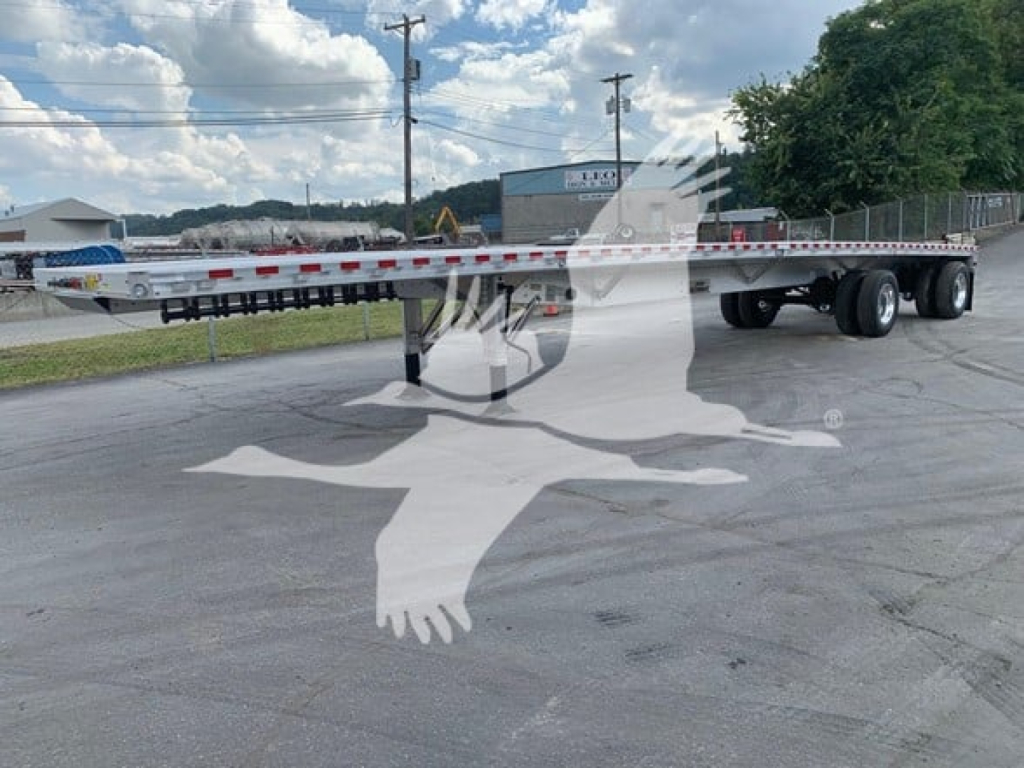
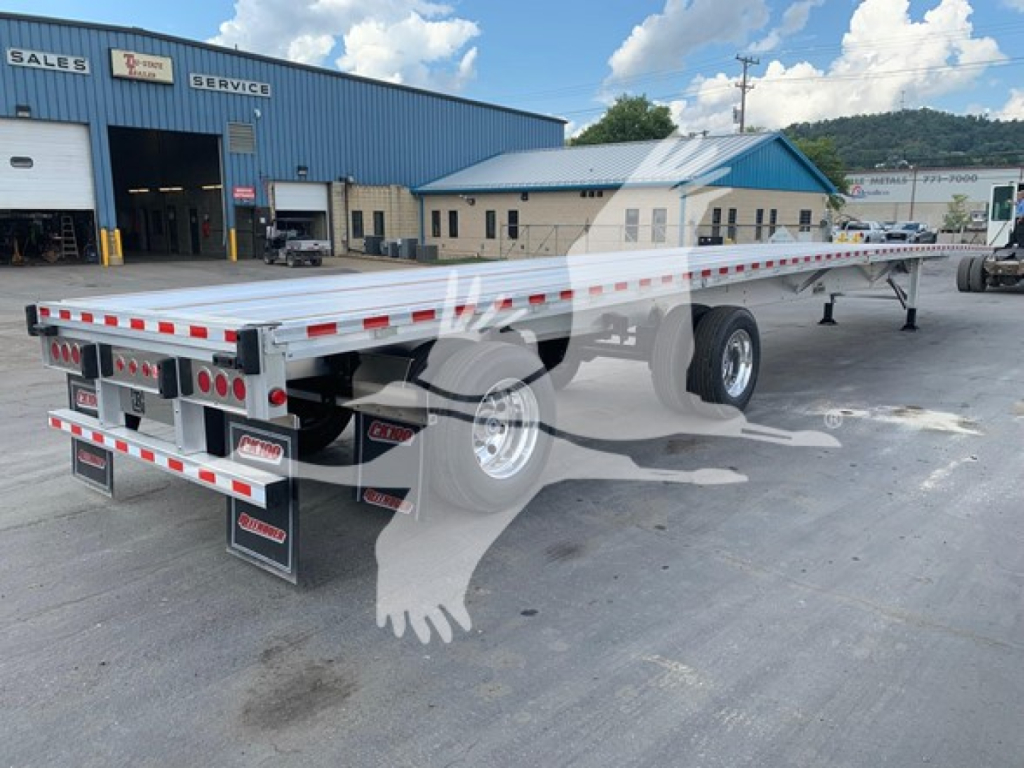
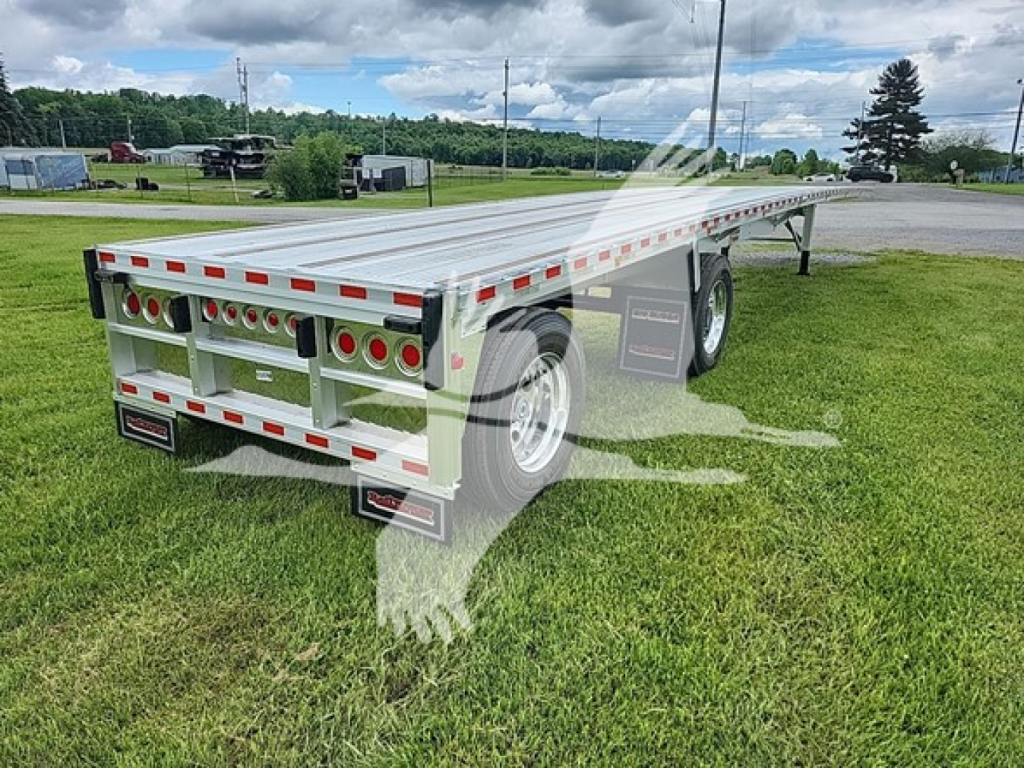
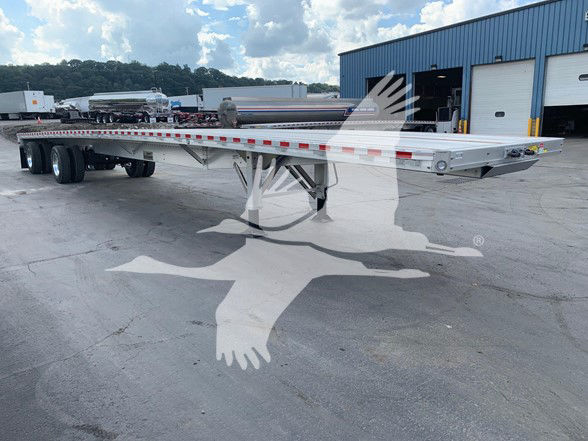
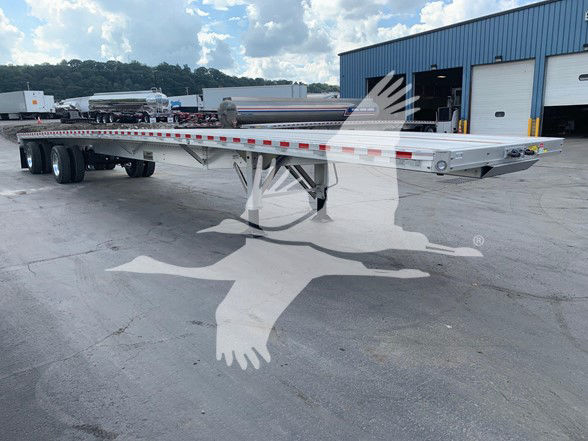
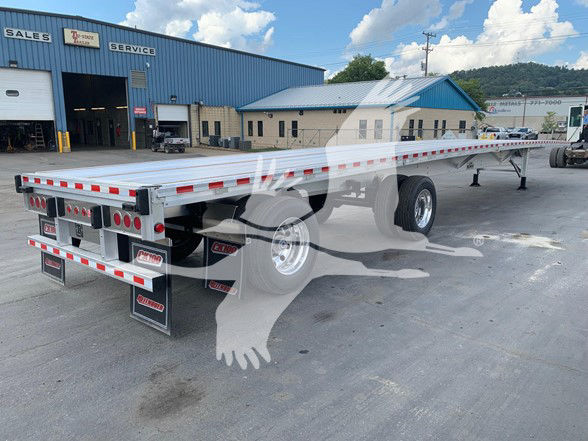
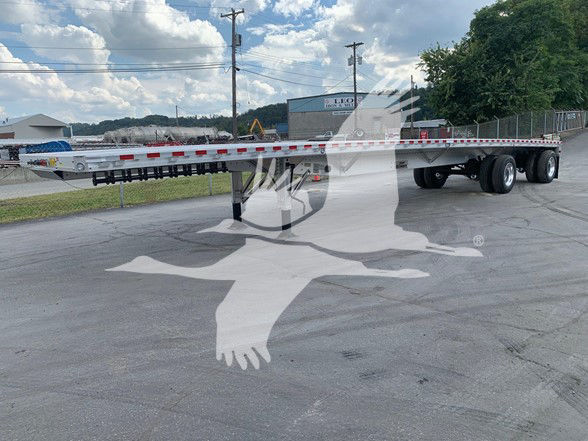
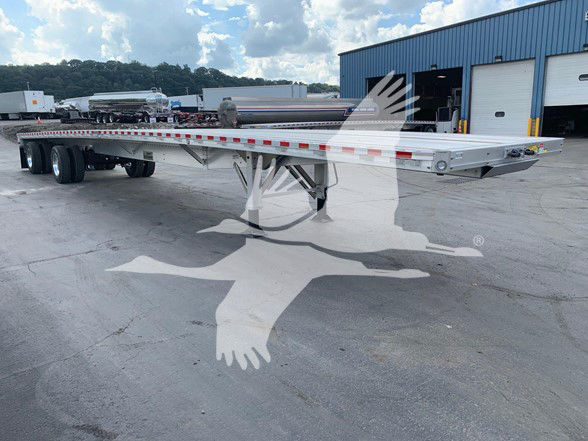
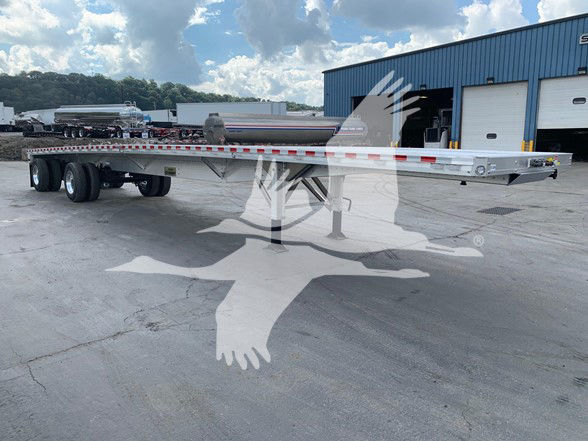
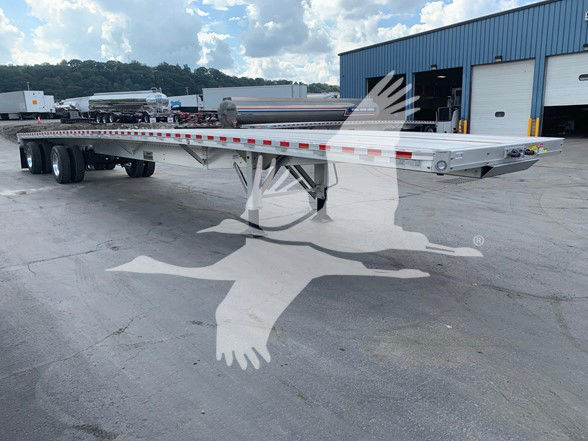
A 53-foot by 102-inch deck is the most common configuration in this category, typically paired with tandem axles, sliding axle spacing, and air ride suspension. Many setups use LP 22.5 tires, aluminum wheels, and a full-length roadside winch track with sliding winches for faster securement across different load patterns. Common deck details include aluminum flooring, apitong nailer strips, double pipe spools, and closely spaced crossmembers for better deck support under concentrated freight. Buyers hauling steel, building products, machinery, palletized freight, or mixed open-deck loads should pay close attention to kingpin setting, suspension spread, crossmember centers, and the trailer's rating in both 4-foot and 10-foot sections.
Reitnouer flatbeds are often spec'd for practical day-to-day loading efficiency. That can include no-bulkhead designs for freight flexibility, mini coil packages, extra crossmembers, Jost landing gear, LED lighting, and mud flap brackets positioned for fleet durability. A lightweight aluminum frame does not mean a light-duty trailer. The right spec can still support serious point loading and concentrated commodity work, but the deck package has to match the freight. If your lanes regularly include legal California bridge requirements, sliding suspension settings and closed spread dimensions are especially important.
When comparing new 2026 Reitnouer flatbed trailers for sale, focus less on brand alone and more on how the trailer is configured for your freight mix. Suspension brand, dump valve setup, wheel material, tire size, coil package, and accessory mounting provisions all affect uptime and ease of use. A flatbed trailer, also known simply as an open-deck trailer, earns its keep by loading fast, adapting to different commodities, and staying light enough to protect revenue on every trip.
Frequently Asked Questions about New 2026 Reitnouer Flatbed Trailers
What makes a Reitnouer flatbed trailer different from other flatbeds?
Reitnouer flatbed trailers are best known for lightweight all-aluminum construction. That lighter tare weight can increase legal payload compared with heavier steel-based designs, while also helping with corrosion resistance and long-term appearance. Buyers still need to compare the specific trailer spec, because crossmember spacing, floor design, coil package, axle setup, and tiedown equipment determine how well the trailer fits the intended freight.
What specs matter most when buying a new flatbed trailer?
The most important flatbed specs are deck length and width, empty weight, axle configuration, suspension type, kingpin setting, crossmember centers, floor construction, and tiedown equipment. A buyer should also review winch track layout, number of sliding winches, nailer strips, pipe spools, lighting, wheel and tire package, and rated capacity over concentrated sections of the deck. Those details affect payload, loading speed, securement options, and how the trailer performs on specific commodities.
Is an aluminum flatbed strong enough for heavy freight?
Yes, an aluminum flatbed can be fully suitable for heavy freight when it is properly engineered and correctly spec'd. Strength depends on the trailer design, including side rails, crossmembers, floor system, arch, and any coil package or reinforcement options. Heavy steel coils, machinery, lumber, and building materials can all be hauled on an aluminum flatbed, but the trailer's load rating and deck support need to match the actual freight pattern.
Why do buyers choose sliding axles or a sliding suspension on a flatbed trailer?
Sliding axle spacing gives the operator more flexibility for weight distribution and regulatory compliance. It can help balance axle weights across different load lengths and can be important in states with bridge formula or spread axle requirements. In some applications, a sliding suspension also helps meet California legal settings when closed, which matters for fleets running multistate lanes.
What freight is a 53-foot flatbed trailer commonly used for?
A 53-foot flatbed trailer is commonly used for steel, lumber, pipe, construction materials, machinery, palletized freight, and other commodities that load from the side, rear, or overhead. It is one of the most versatile trailer types in open-deck trucking because it can handle a wide range of cargo shapes that would not fit efficiently in a dry van. The right securement setup is critical, especially for irregular, oversized, or high-density loads.