
New Flatbed Trailers For Sale in Colorado
New flatbed trailers for sale in Colorado, including combo and steel models with air ride, coil packages, winch tracks, and 48' to 53' lengths.
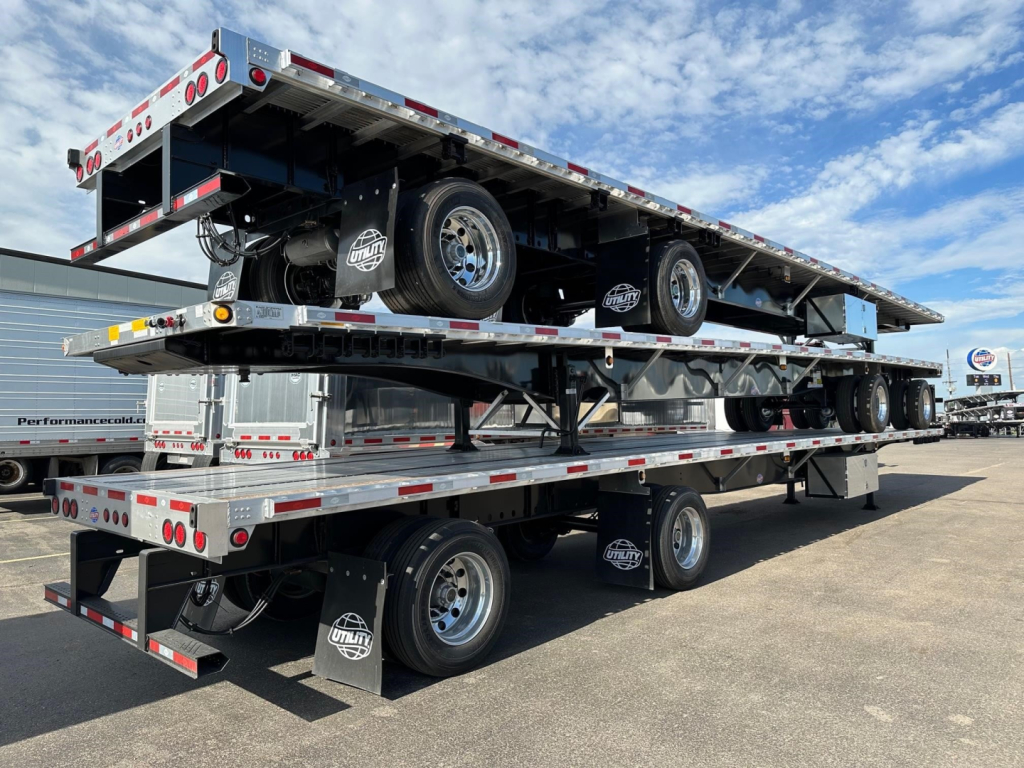
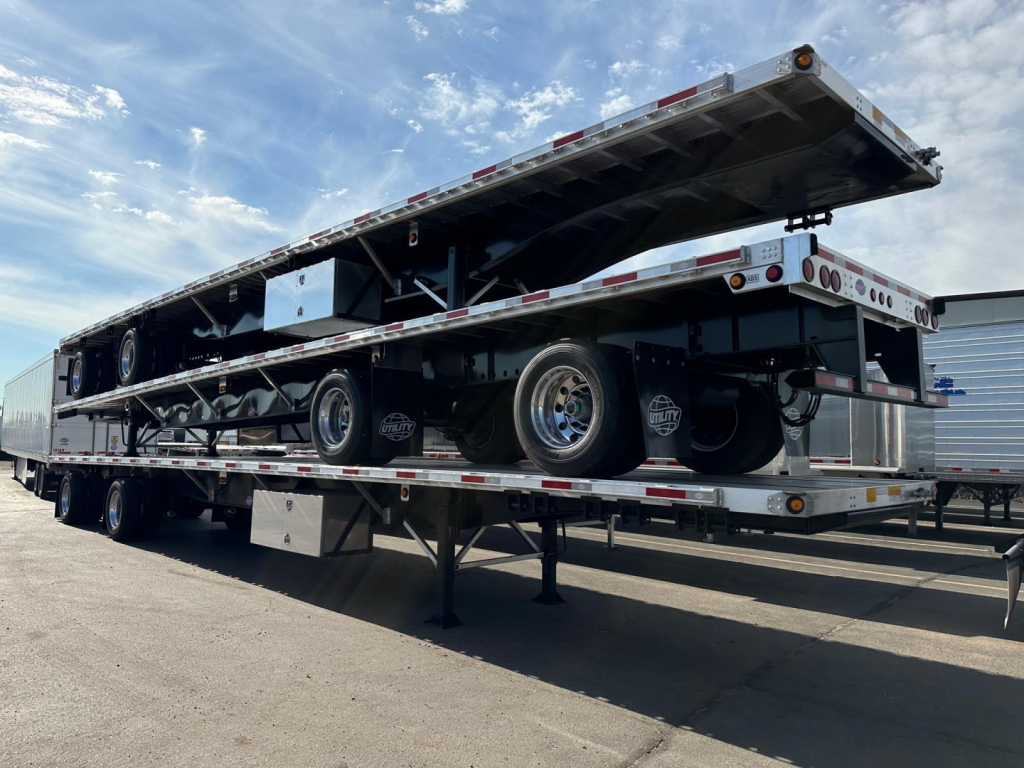
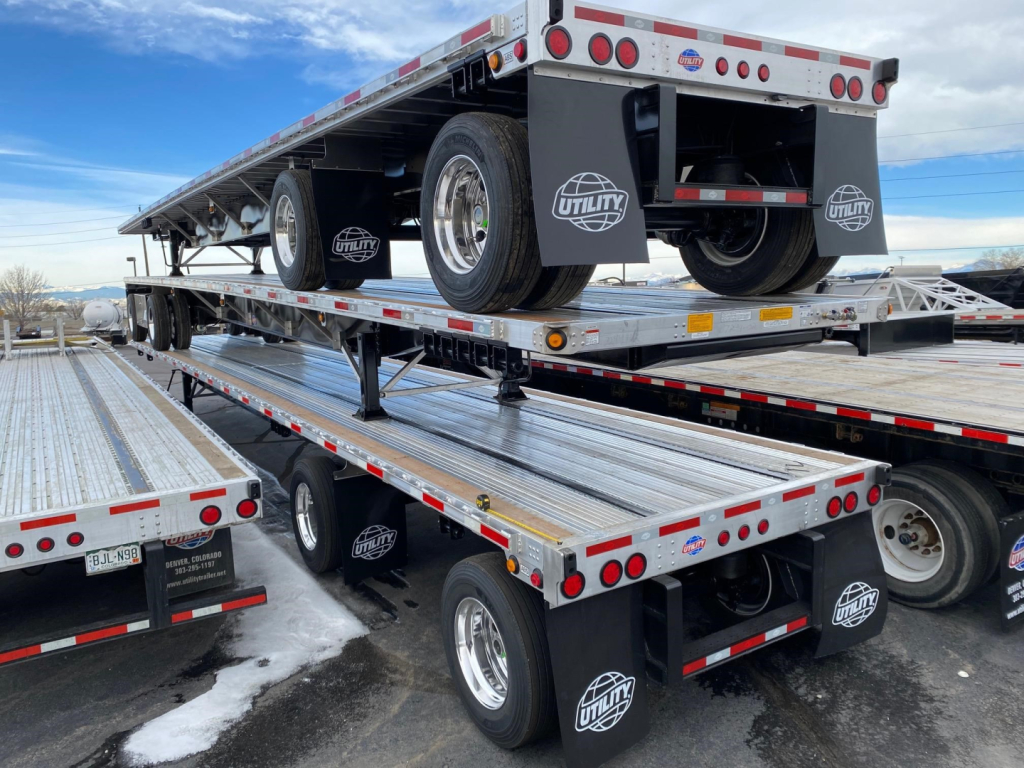
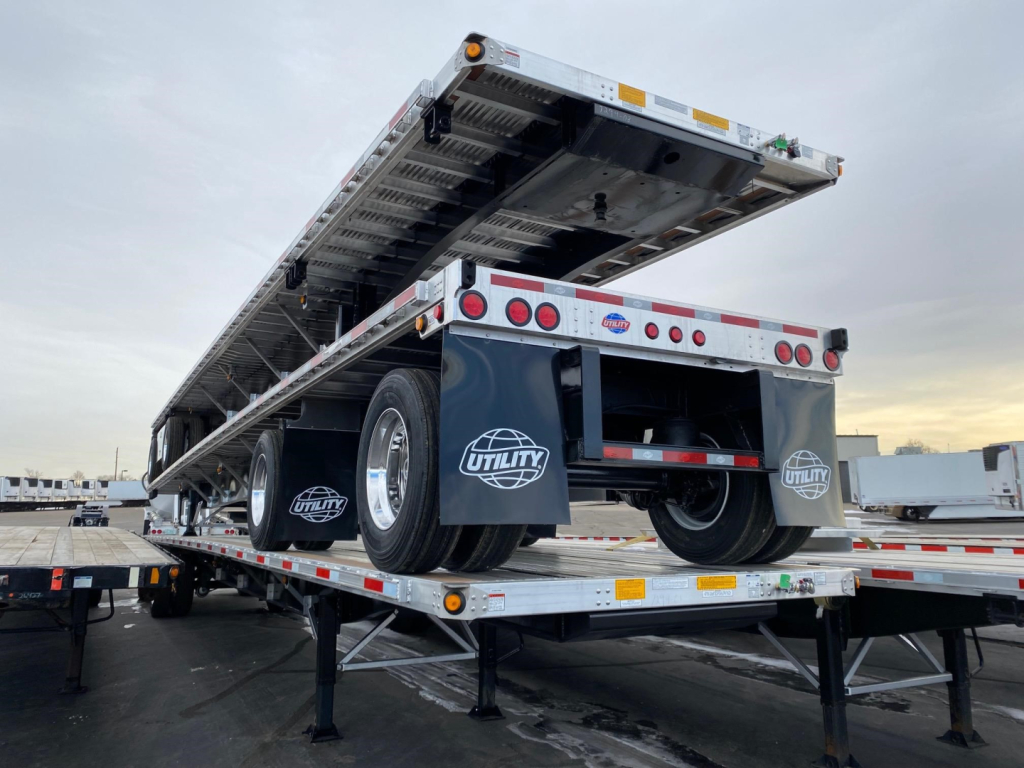
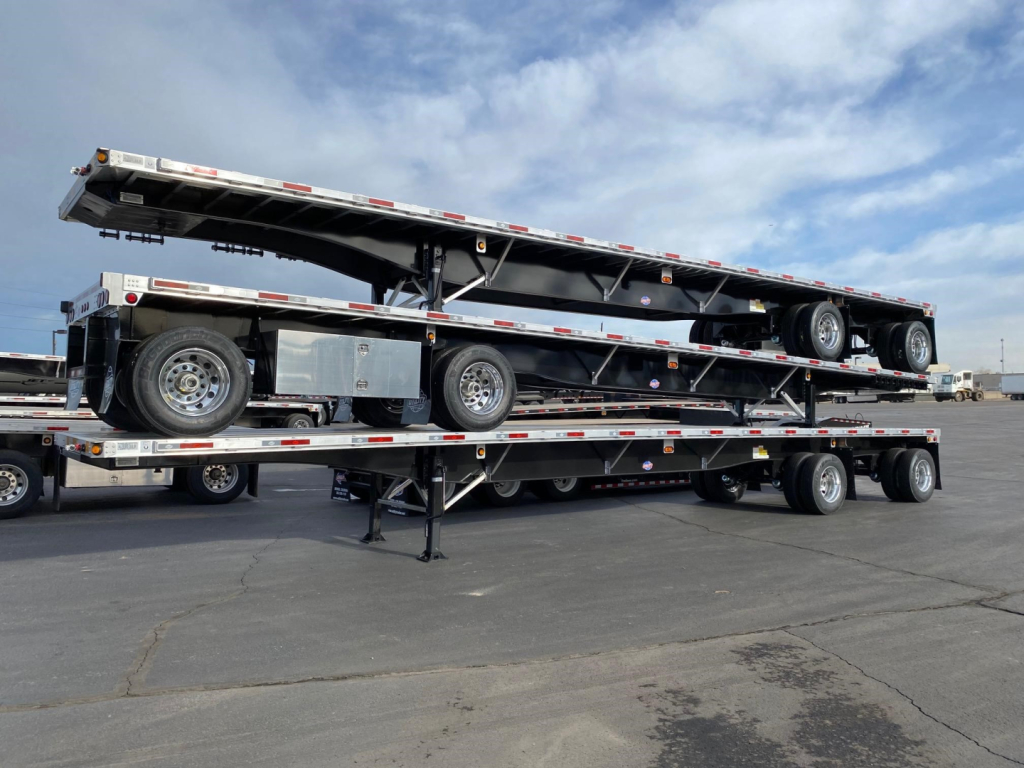
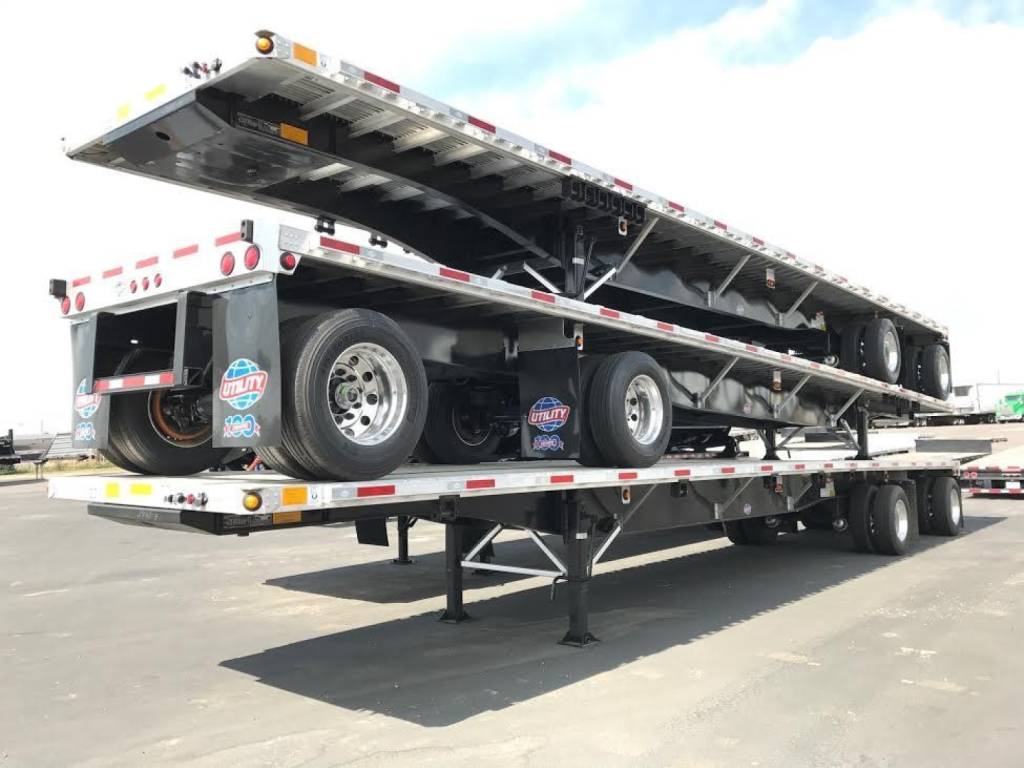
Selling a new flatbed trailer? List your new flatbed trailer for sale and reach thousands of commercial buyers.
New Flatbed Trailers in Colorado
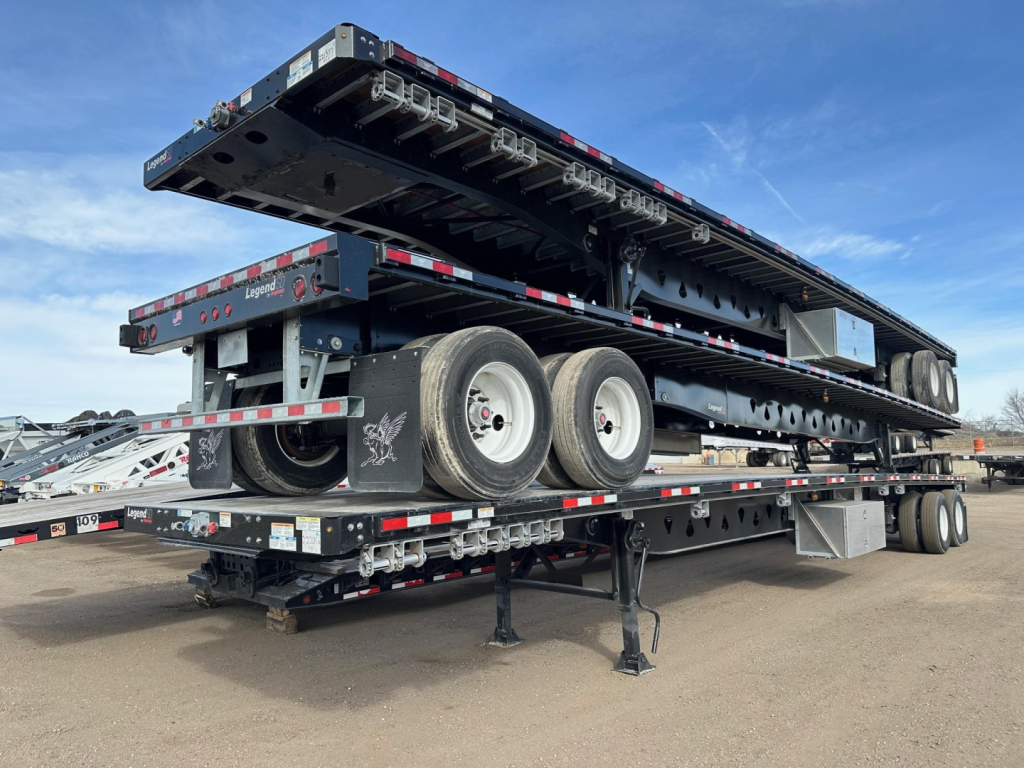
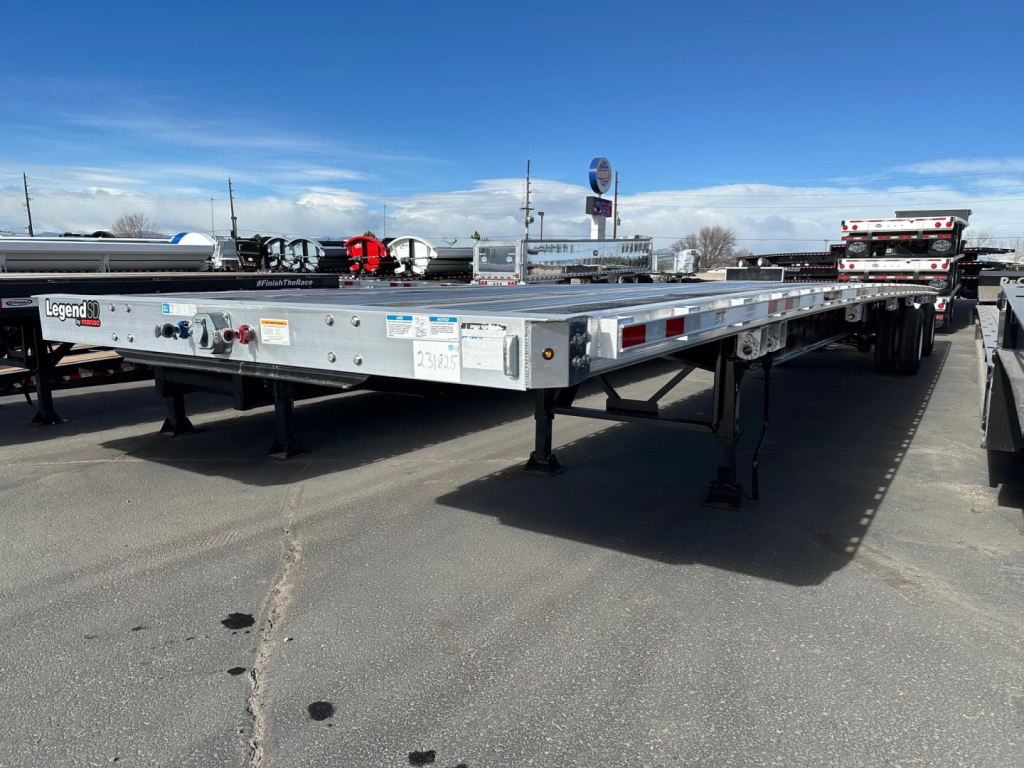
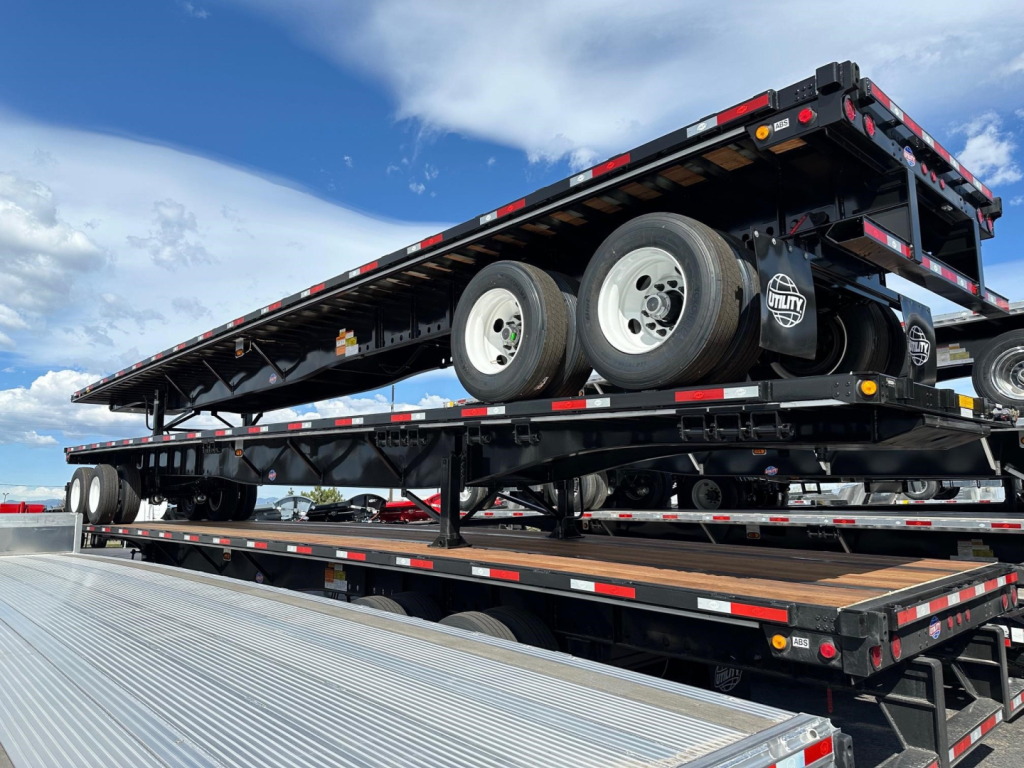
Deck construction and securement setup matter as much as the frame. Buyers commonly look for Apitong wood decks or aluminum deck systems, along with nail strips, stake pockets, double pipe spools, sliding winches, and full winch tracks on one or both sides. A coil package is a major value point for fleets hauling steel, giving the trailer added flexibility for concentrated loads and more commodity options. Toolboxes, ICC bumpers, and wheel choices also affect daily use, maintenance, and operating cost, especially when comparing all-steel wheel setups to mixed or full aluminum wheel specs.
Suspension choice changes how a flatbed behaves on the road and at the dock. Air ride is widely preferred for ride quality and cargo protection, particularly on higher-value building materials, fabricated steel, and machinery. Spring ride still appeals to buyers focused on simplicity and lower upfront cost. Sliding tandems or air pin sliders can help with axle weight distribution and state-by-state compliance, while fixed spread axles are often chosen for stability and bridge spread benefits. Tire size and profile, including 22.5 low-pro or standard 11R22.5, should be matched to the tractor, loading height requirements, and replacement cost expectations.
For Colorado operations, terrain and weather make trailer spec discipline more important. Mountain grades, winter conditions, and mixed regional freight often favor durable crossmember construction, dependable suspension components, and securement hardware that holds up under repeated use. A buyer comparing new flatbed trailers should pay close attention to empty weight, frame composition, rated coil capacity, axle placement, and the completeness of the securement package. Those details determine how well a trailer fits steel hauling, lumber, building products, equipment, and general commodity work across both local and long-haul lanes.
Frequently Asked Questions about New Flatbed Trailers in Colorado
What is the difference between a combo flatbed trailer and a steel flatbed trailer?
A combo flatbed trailer usually uses steel main beams with aluminum crossmembers, deck components, or side rails to reduce tare weight while keeping structural strength where it matters most. A steel flatbed trailer is generally heavier but can offer better resistance to hard daily abuse, impact, and certain repair environments. Buyers hauling payload-sensitive freight often favor combo construction, while buyers in severe-duty applications may prefer full steel.
Is a 48-foot or 53-foot flatbed trailer better for most freight?
A 53-foot flatbed gives more deck space and is the more versatile option for general freight, building materials, and longer commodity loads. A 48-foot flatbed can still be a strong choice for regional work, certain jobsite deliveries, and operations that do not need the added deck length. The right choice depends on the freight mix, shipper requirements, route restrictions, and how often extra deck length translates into billable loads.
Why is a coil package important on a flatbed trailer?
A coil package allows the trailer to handle concentrated steel coil loads safely and expands the kinds of freight the trailer can legally and practically haul. Even if steel coils are not the primary commodity, a coil-rated trailer often gives more resale appeal and more flexibility in the load board. Buyers should still verify the actual coil rating, frame design, and load placement requirements rather than assuming all flatbeds are equally suited for concentrated loads.
Should I choose air ride or spring ride on a new flatbed trailer?
Air ride is generally preferred for better ride quality, improved cargo protection, and broader appeal in many freight segments. It is especially useful for sensitive or high-value loads and for operations running long miles. Spring ride remains attractive for buyers who want a simpler suspension with lower initial cost and fewer air system components. The decision usually comes down to freight type, maintenance philosophy, and expected resale market.
What securement features should I look for on a flatbed trailer?
Key flatbed securement features include stake pockets, sliding winches, winch tracks, pipe spools, nail strips, and a deck material suited to the freight being hauled. Winch tracks on both sides add flexibility for different load shapes and loading patterns. Buyers hauling steel, lumber, machinery, or mixed commodities should evaluate how the securement package supports daily use, not just whether the trailer has the minimum legal tie-down points.