
2019 Great Dane Flatbed Trailers For Sale
Have 2019 great dane flatbed trailer to sell? List it here to reach thousands of buyers.
2019 Great Dane Flatbed Trailers
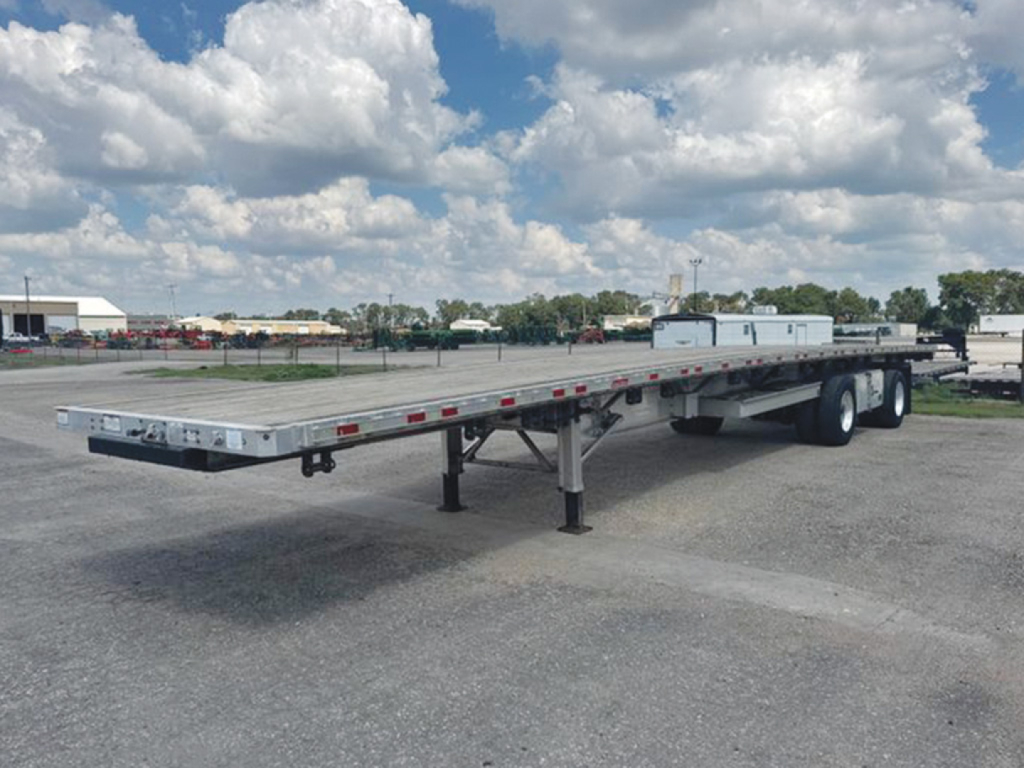
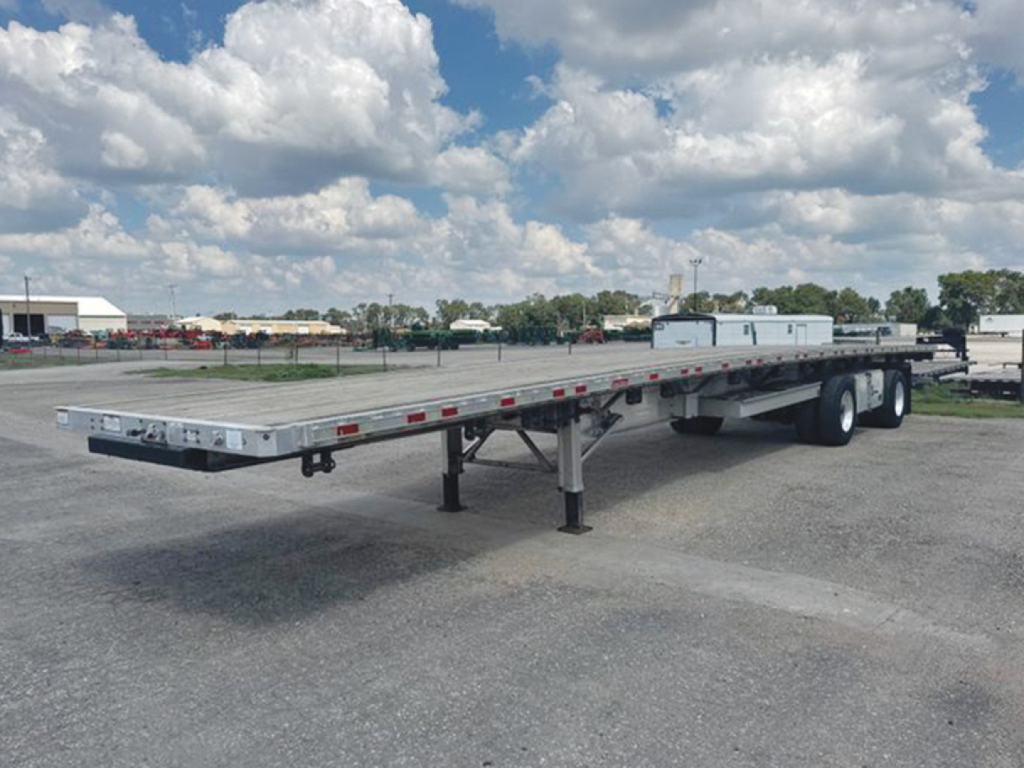
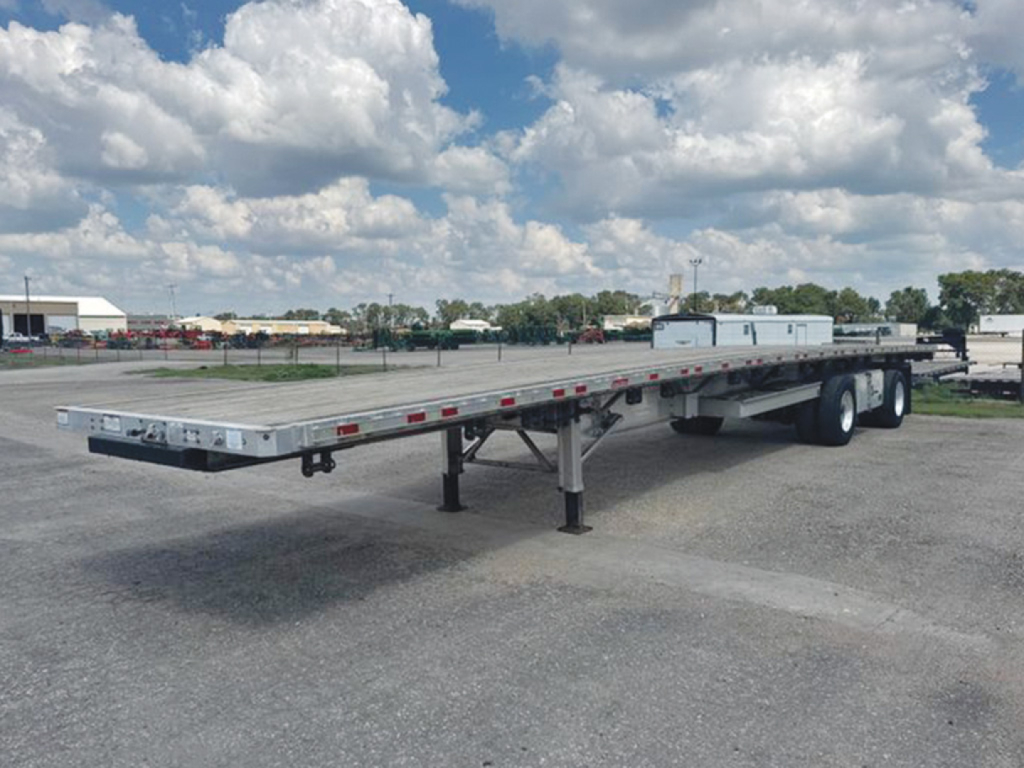
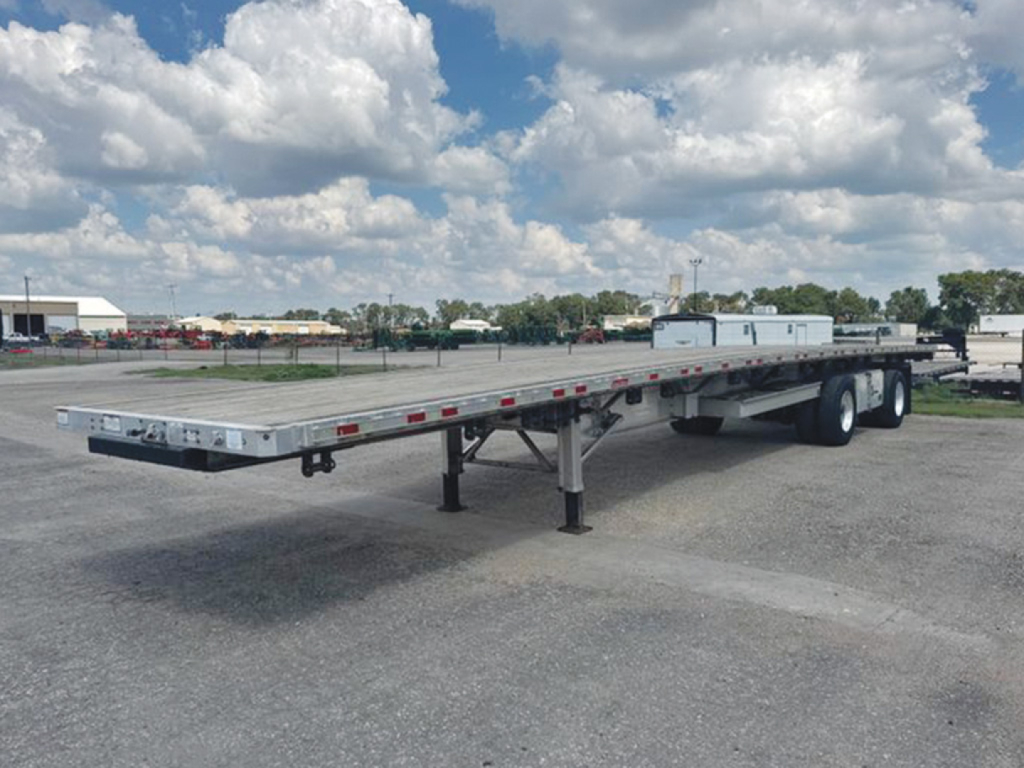
Great Dane flatbeds from this era are commonly spec'd with tandem or spread axle layouts, air ride suspension, standard 22.5 rubber, and deck configurations built around everyday open-deck freight. Important details include kingpin setting, axle spacing, crossmember spacing, and whether the trailer is California legal if your lanes require it. Many buyers also look for practical deck equipment such as winch tracks on one or both sides, sliding winches, stake pockets, pipe spools, chain ties, coil package, and a bulkhead. Floor material matters too. Aluminum flooring reduces empty weight, while wood decking can be easier and less expensive to repair after repeated forklift traffic and concentrated point loading.
On a used 2019 flatbed, condition matters more than brand decals. Check side rails for damage from chain binders and edge loading, inspect crossmembers for bends or cracked welds, and look closely at the deck around forklift impact zones. Suspension wear, bushing condition, brake life, tire wear pattern, and landing gear operation tell you a lot about how the trailer was maintained. Buyers hauling dense freight should also confirm frame integrity, coil package condition, securement points, and any signs of overstress near the rear bolster, axle mounts, or kingpin area.
A 2019 Great Dane flatbed is a practical fit for regional and over-the-road work because the platform is simple, versatile, and widely accepted by shippers. It is also commonly referred to as a flatbed trailer or open-deck trailer. The right spec comes down to freight mix and operating lanes. Lightweight combo construction, a fixed or spread axle setup, proper securement hardware, and a sound deck often matter more to profitability than cosmetic appearance. Buyers comparing listings should focus on tare weight, deck condition, suspension configuration, securement equipment, and how well the trailer's spec matches the freight they intend to haul.
Frequently Asked Questions about 2019 Great Dane Flatbed Trailers
What size is a typical 2019 Great Dane flatbed trailer?
Most 2019 Great Dane flatbed trailers in general fleet service are 48 feet long and 102 inches wide. That size is the standard for a wide range of open-deck freight because it balances capacity, legal compliance, and shipper compatibility. Some units may vary in axle spread, kingpin setting, deck material, and overall tare weight, so buyers should confirm the exact build sheet when those details affect routing or payload.
Is a 2019 Great Dane flatbed better in aluminum, steel, or combo construction?
The best construction depends on your freight and maintenance priorities. Aluminum flatbeds usually offer lower empty weight and higher payload potential. Steel flatbeds can be favored for rugged service and repeated hard loading. Combo trailers, which commonly use steel main beams with aluminum components, are popular because they split the difference between durability and weight savings. Buyers should compare tare weight, expected repair costs, and the type of freight being loaded on the deck every week.
What should I inspect first on a used 2019 Great Dane flatbed?
Start with structural items that affect safety and long-term cost. Inspect the main beams, crossmembers, side rails, kingpin area, suspension hangers, and axle alignment. Then check deck condition, securement hardware, brake components, tire wear, lights, landing gear, and any signs of accident repair. Uneven tire wear, damaged winch tracks, cracked welds, or bent rails can indicate a trailer that has seen hard service or poor maintenance.
What features matter most for hauling steel, machinery, or building materials?
Securement and deck configuration are usually the top concerns. For steel and machinery, buyers often want a coil package, multiple chain tie-down points, stake pockets, pipe spools, and winch tracks with enough sliding winches for varied load lengths. For building materials and palletized freight, deck condition, forklift-friendly flooring, bulkhead choice, and overall weight become more important. Matching the trailer's securement layout to your freight mix saves time at the dock and helps keep loads compliant on the road.
Are spread axle and tandem axle flatbeds used for different applications?
Yes. Spread axle flatbeds can improve load distribution and are often preferred for certain heavy or longer freight applications, but they may be less maneuverable in tight urban deliveries and can bring bridge-law or routing considerations depending on the state. Tandem axle flatbeds are typically easier to maneuver and remain common in general freight service. The better choice depends on where the trailer runs, what it hauls, and how often it sees confined job sites or customer yards.