
Dorsey Flatbed Trailers For Sale in Wisconsin
Shop Dorsey flatbed trailers for sale in Wisconsin. Compare aluminum flatbeds, axle setups, payload capacity, deck specs, and hauling applications.
No exact matches found for your search
Showing Dorsey Flatbed Trailers instead.
Showing 1 to 28 of 45 results
Selling a dorsey flatbed trailer? List your dorsey flatbed trailer for sale and reach thousands of commercial buyers.
Dorsey Flatbed Trailers in Wisconsin
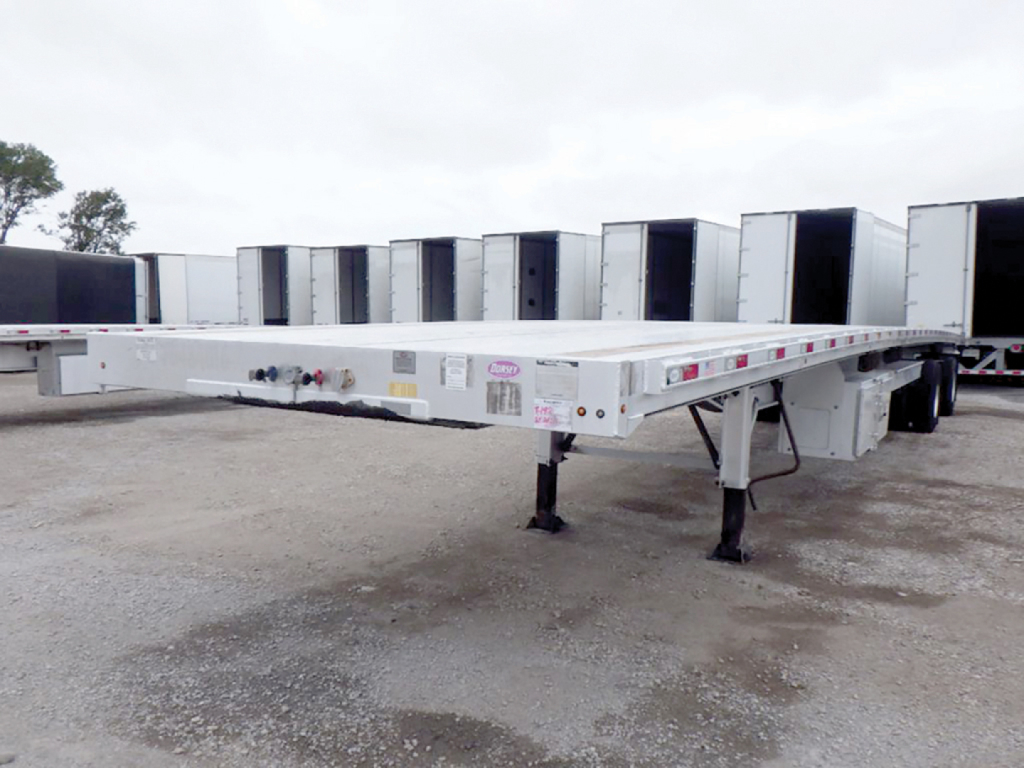
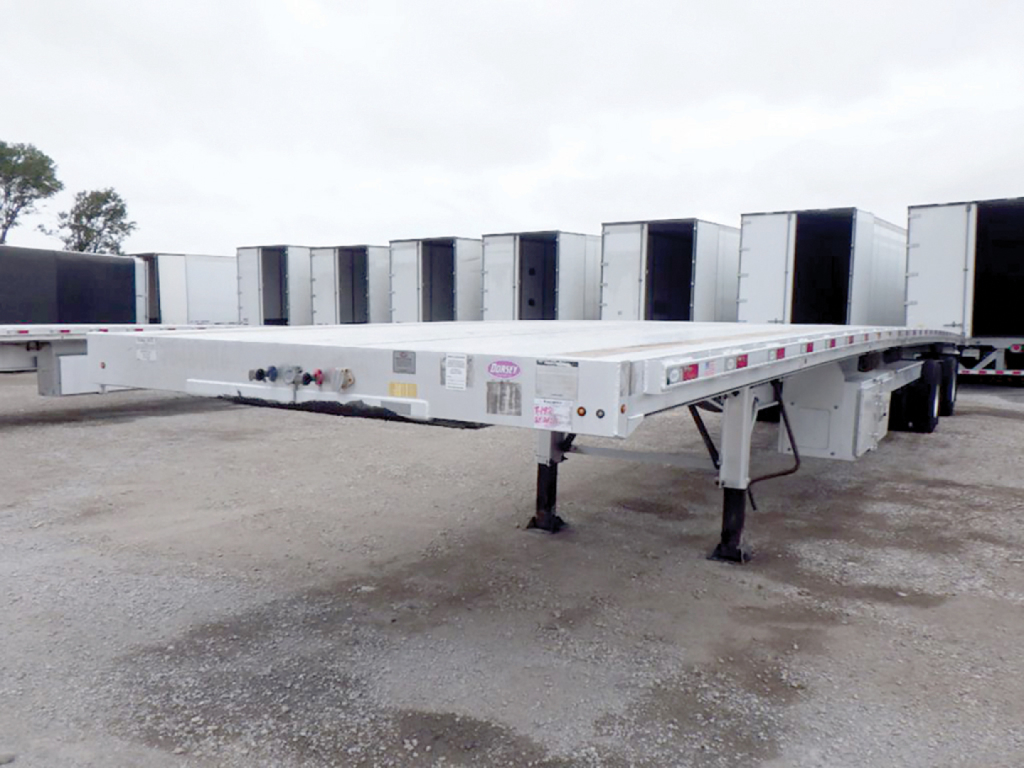
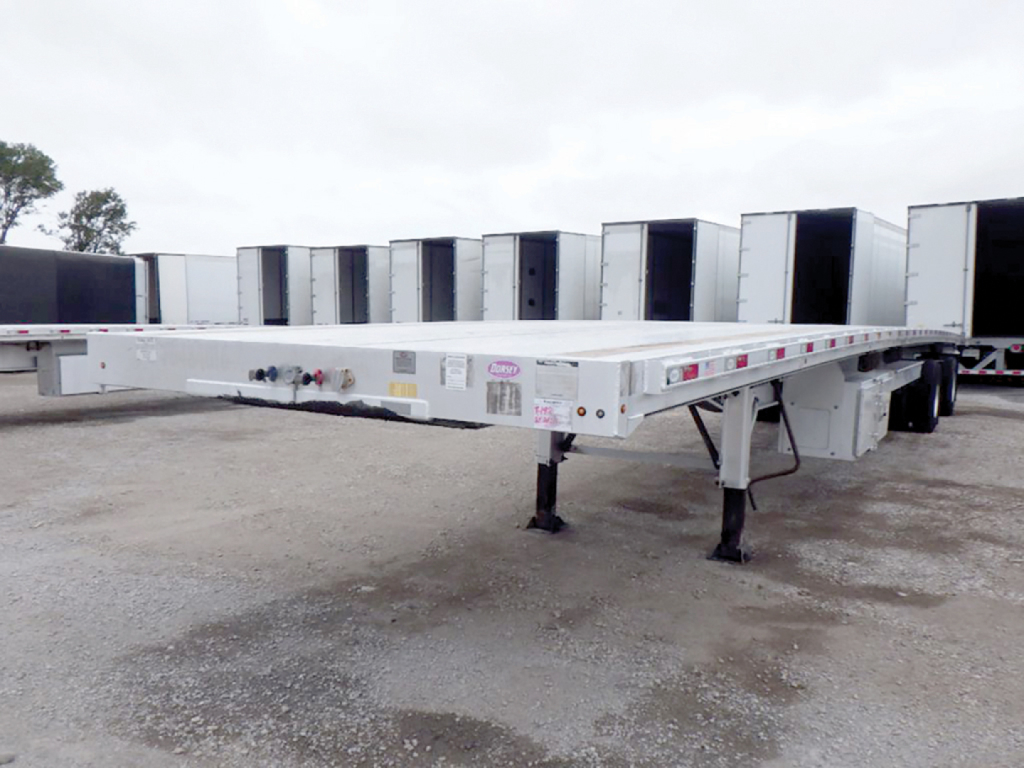
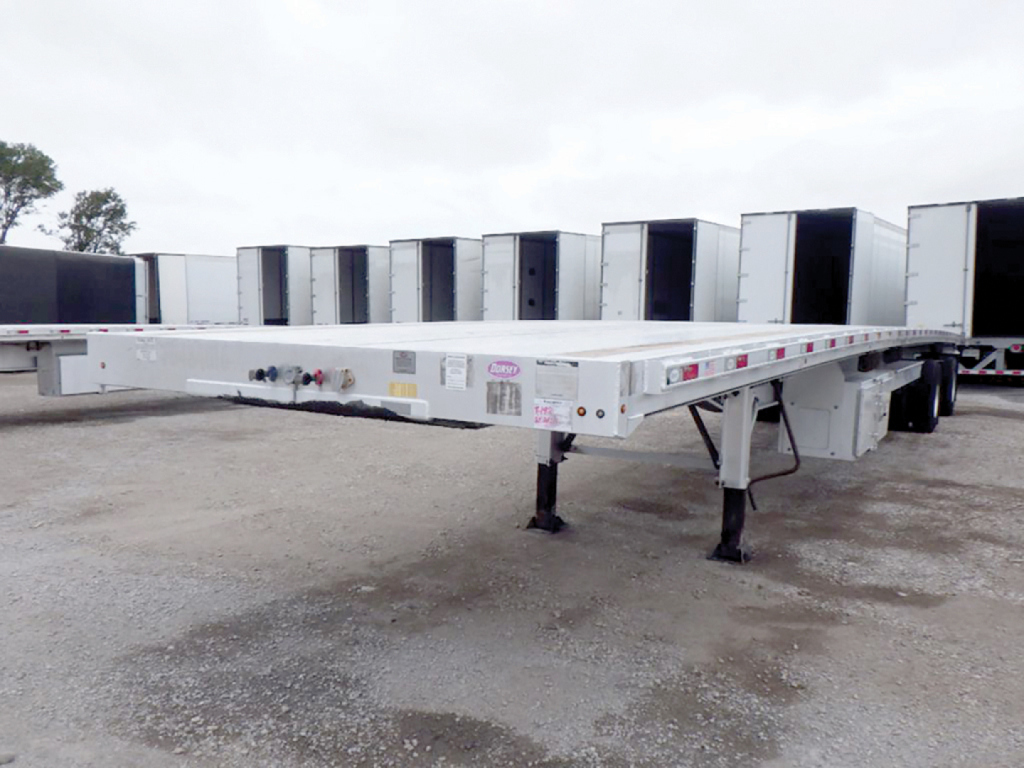
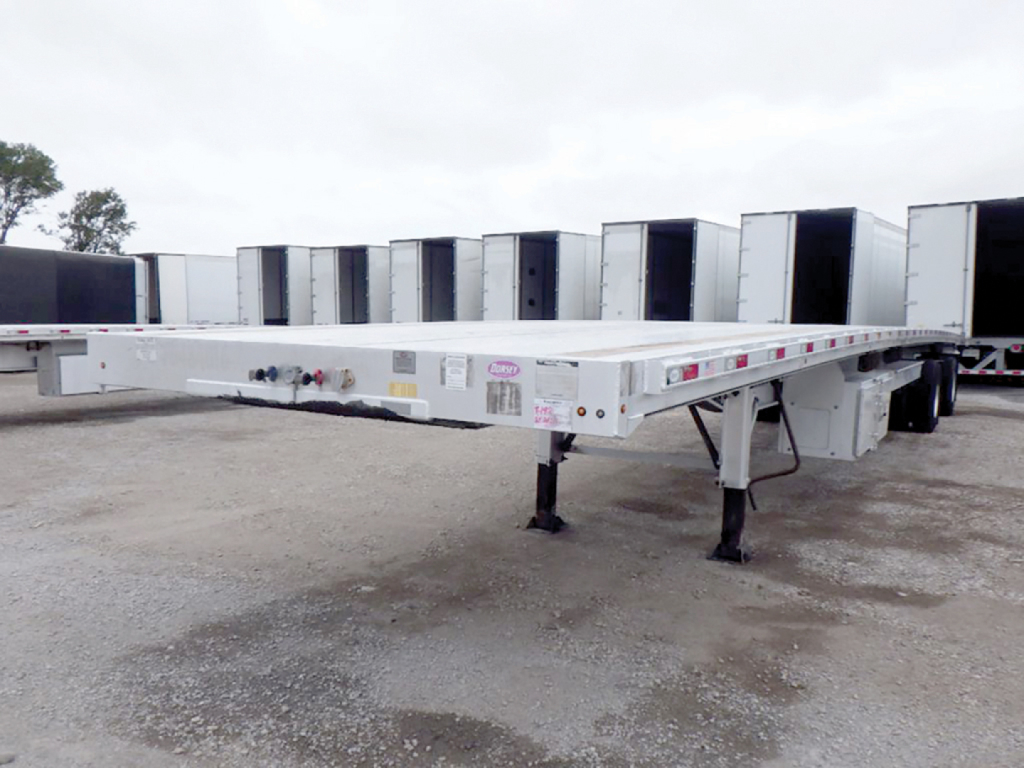
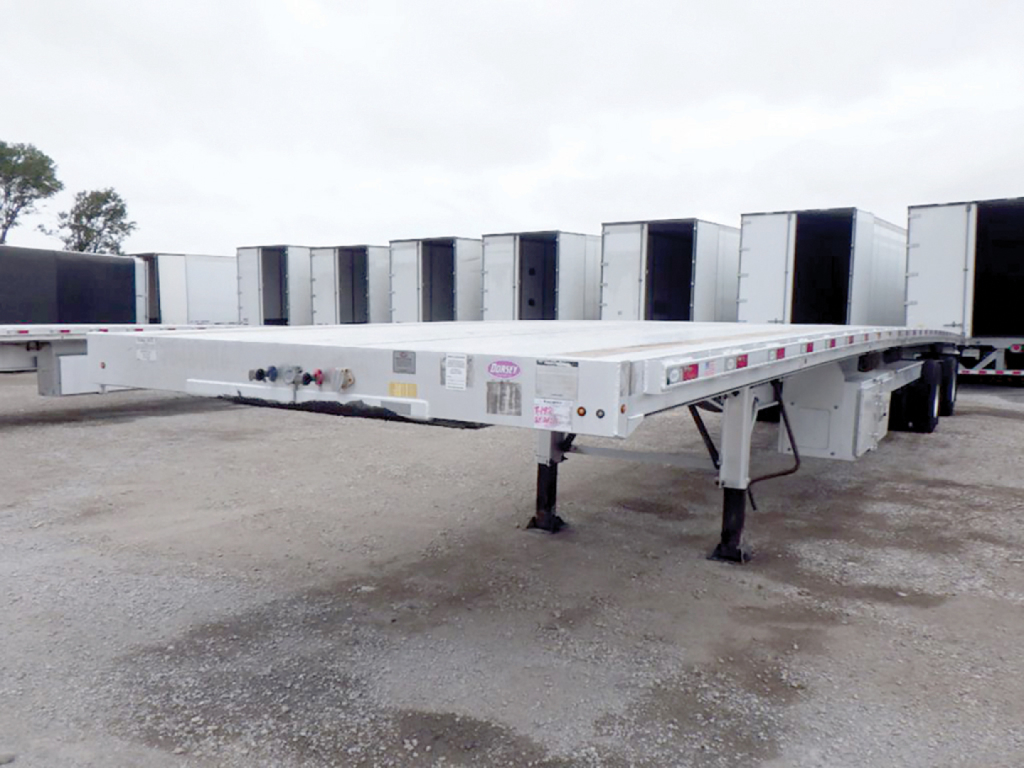
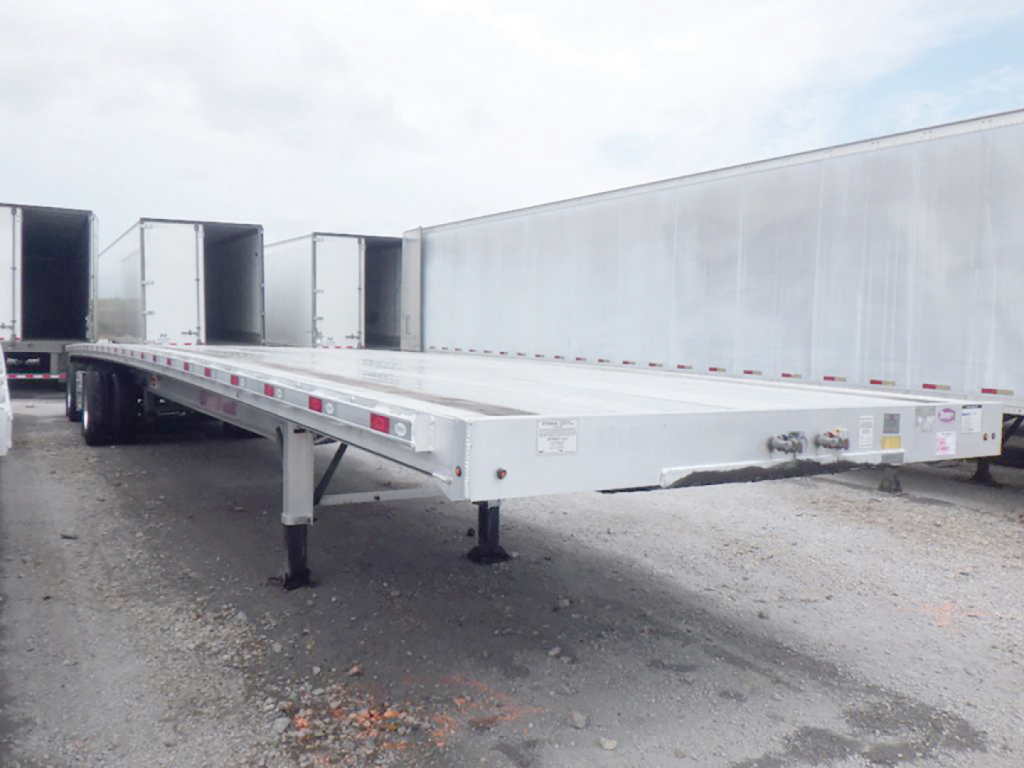
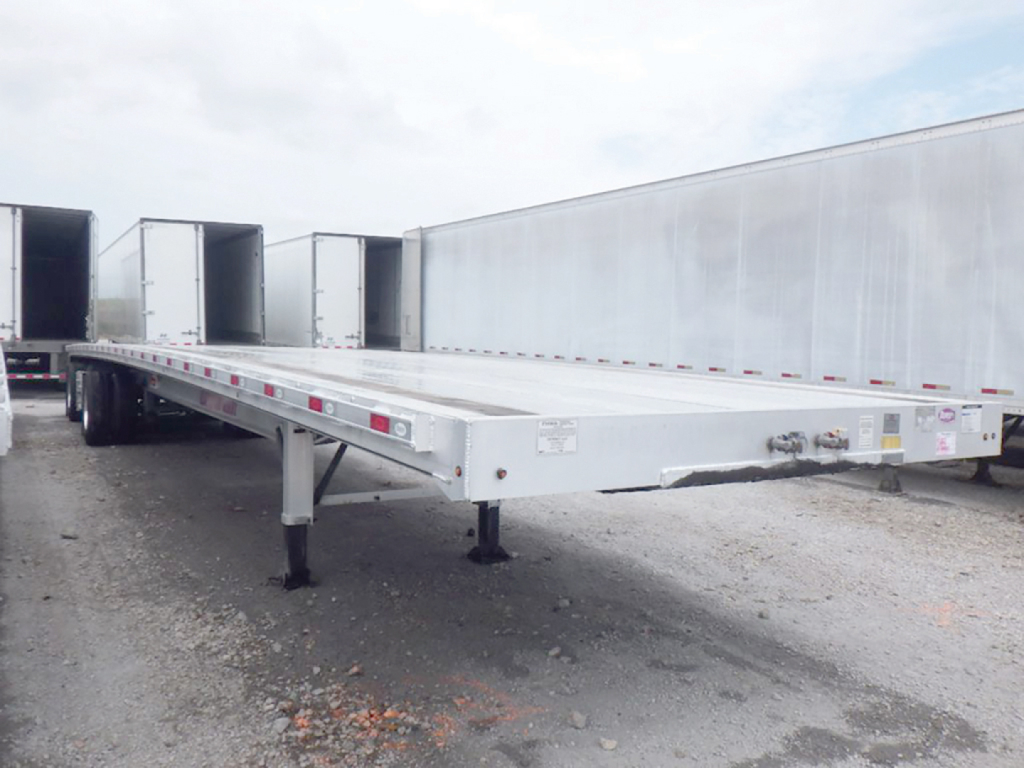
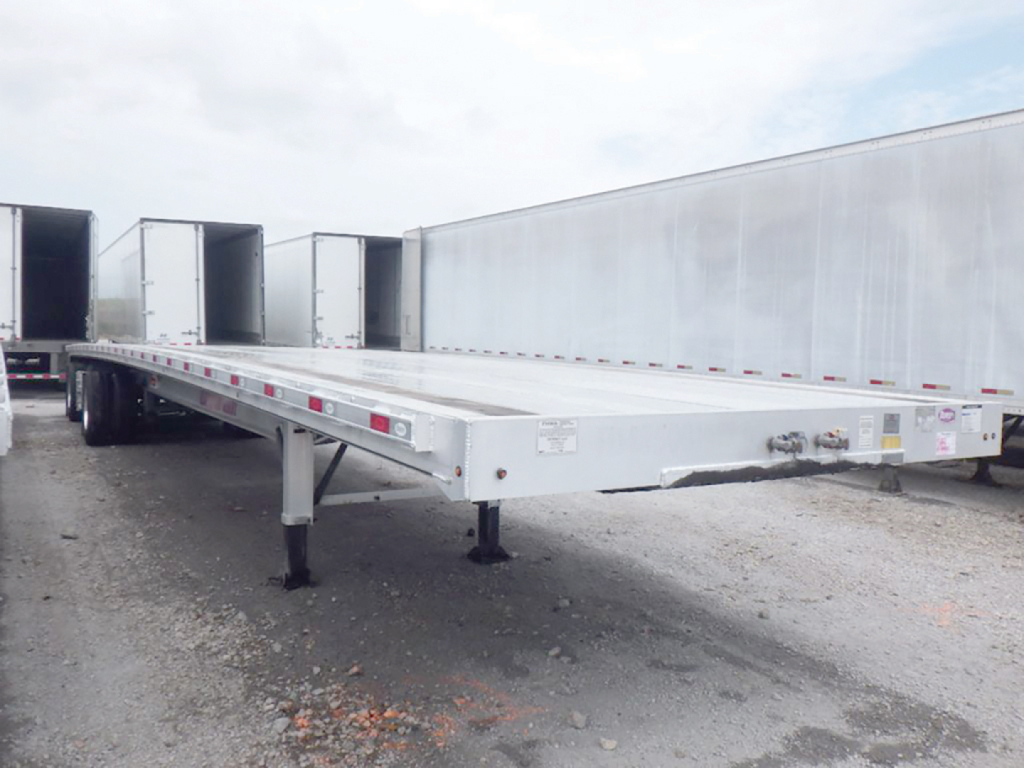
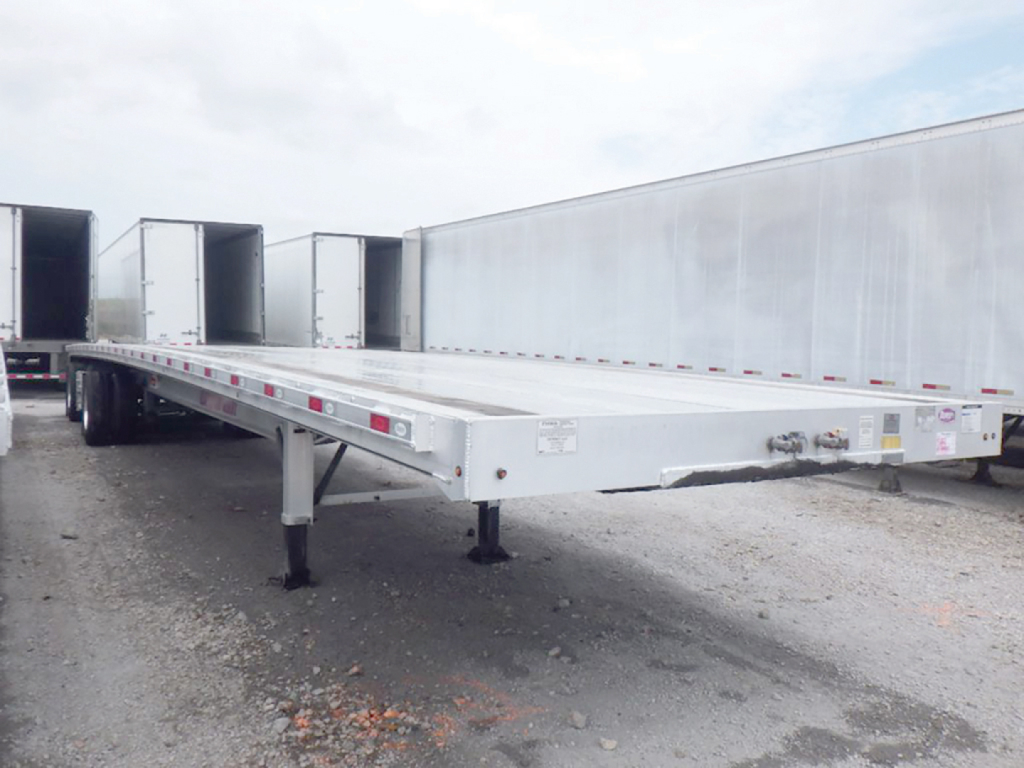
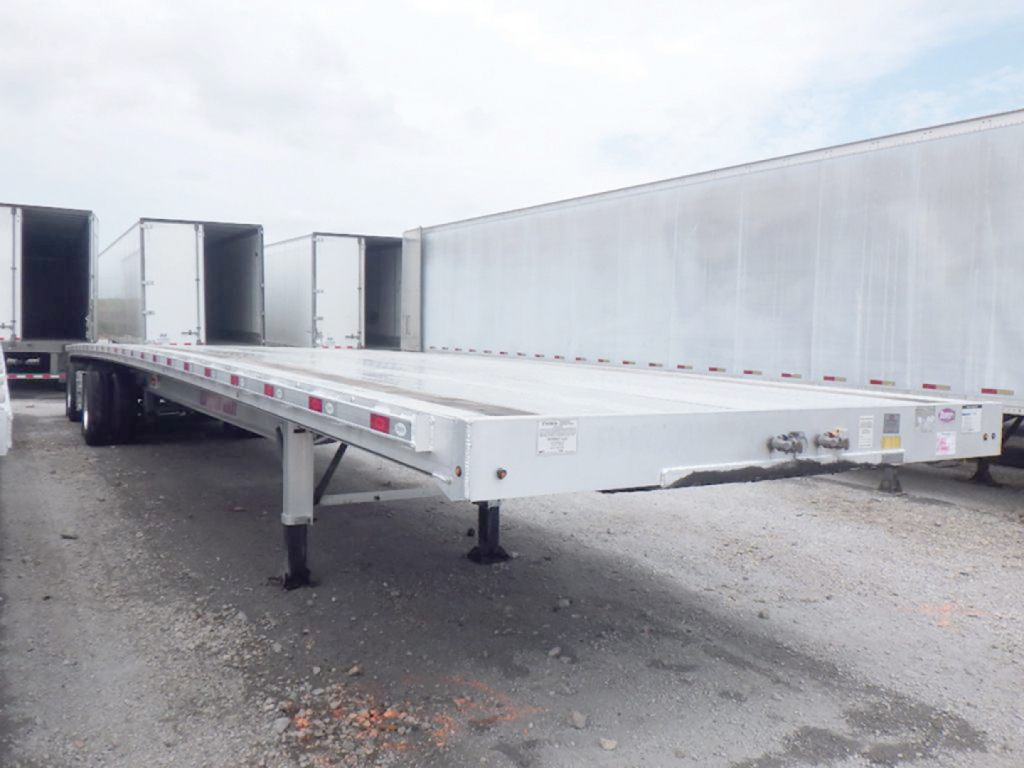
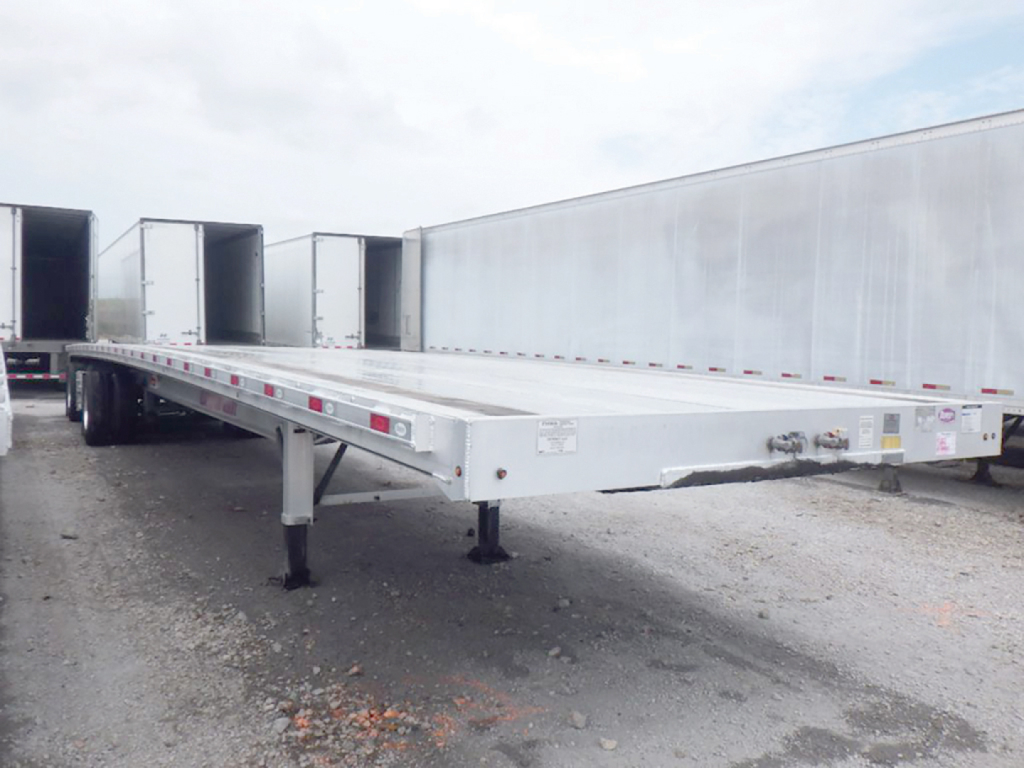
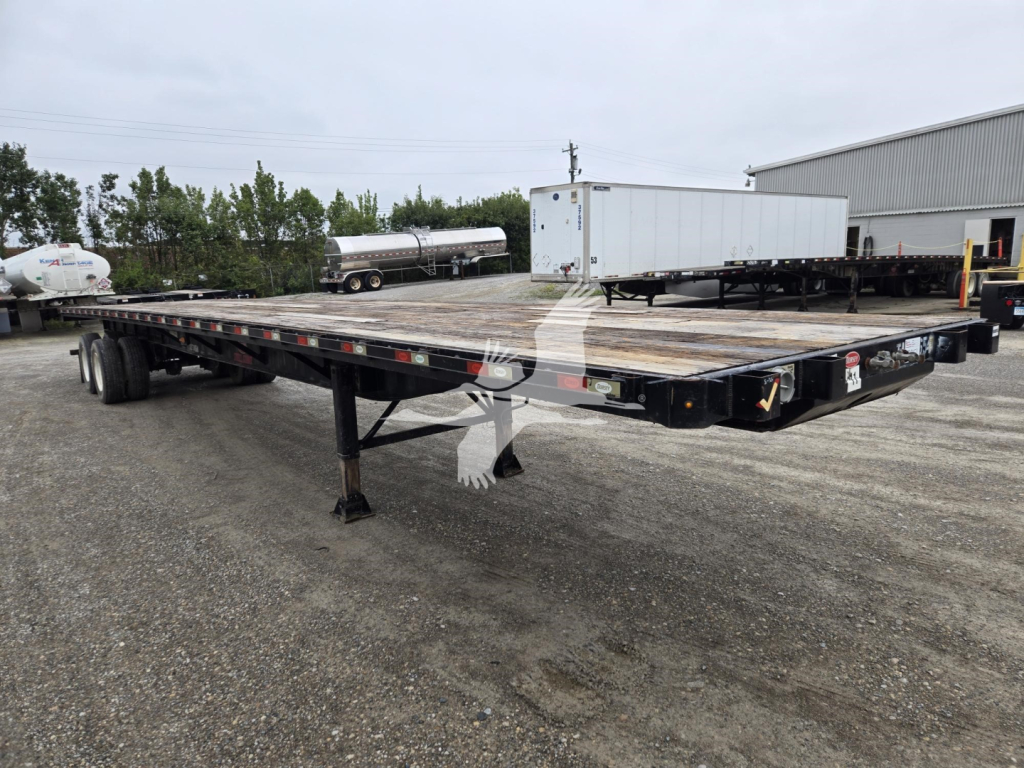
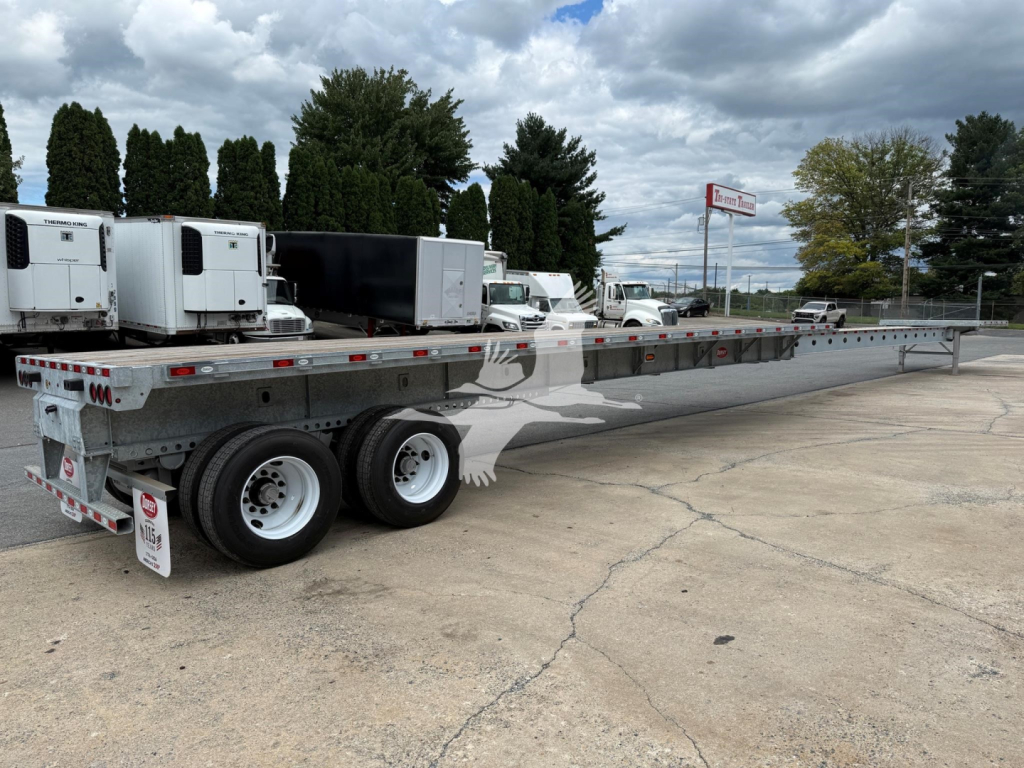
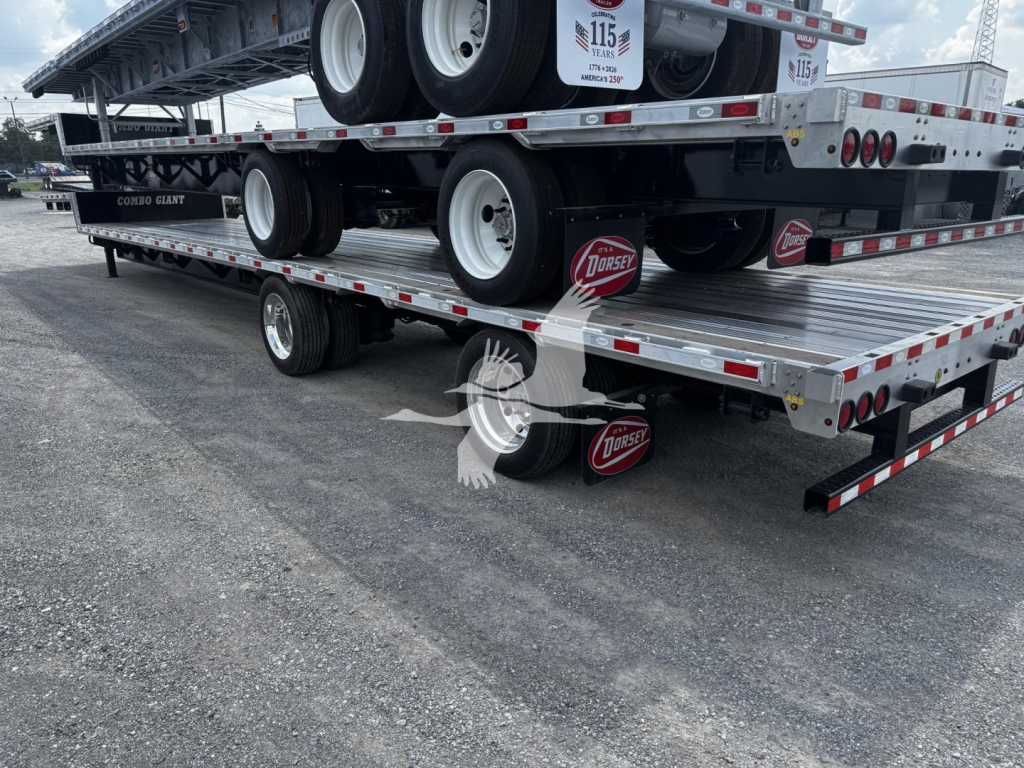
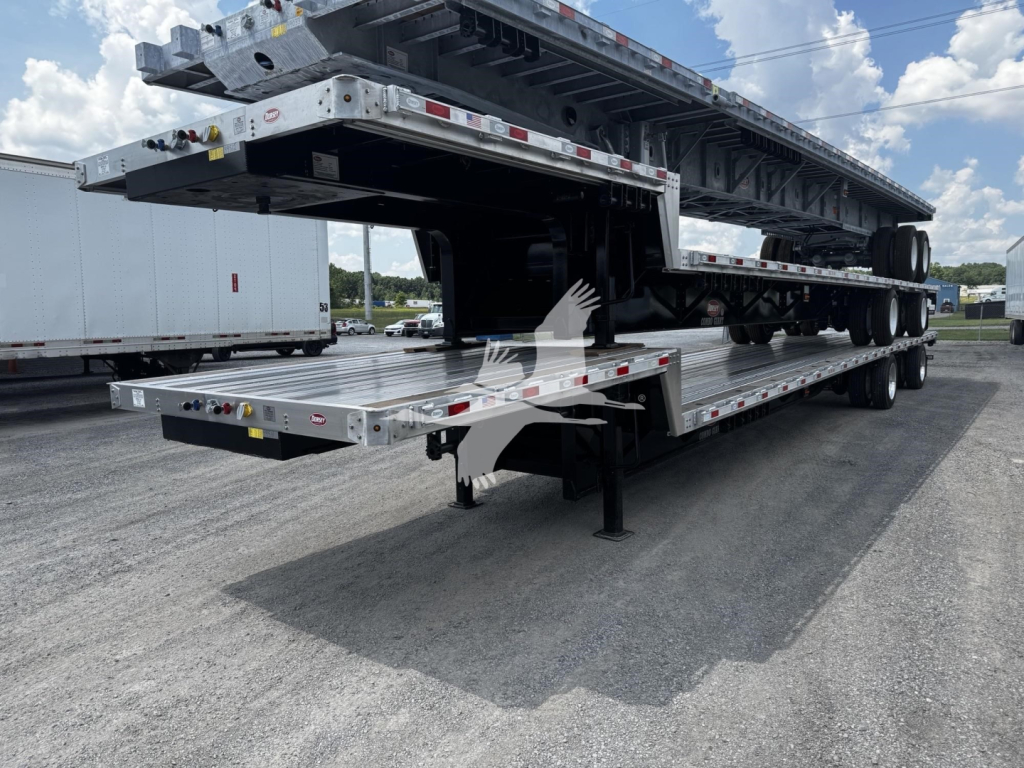
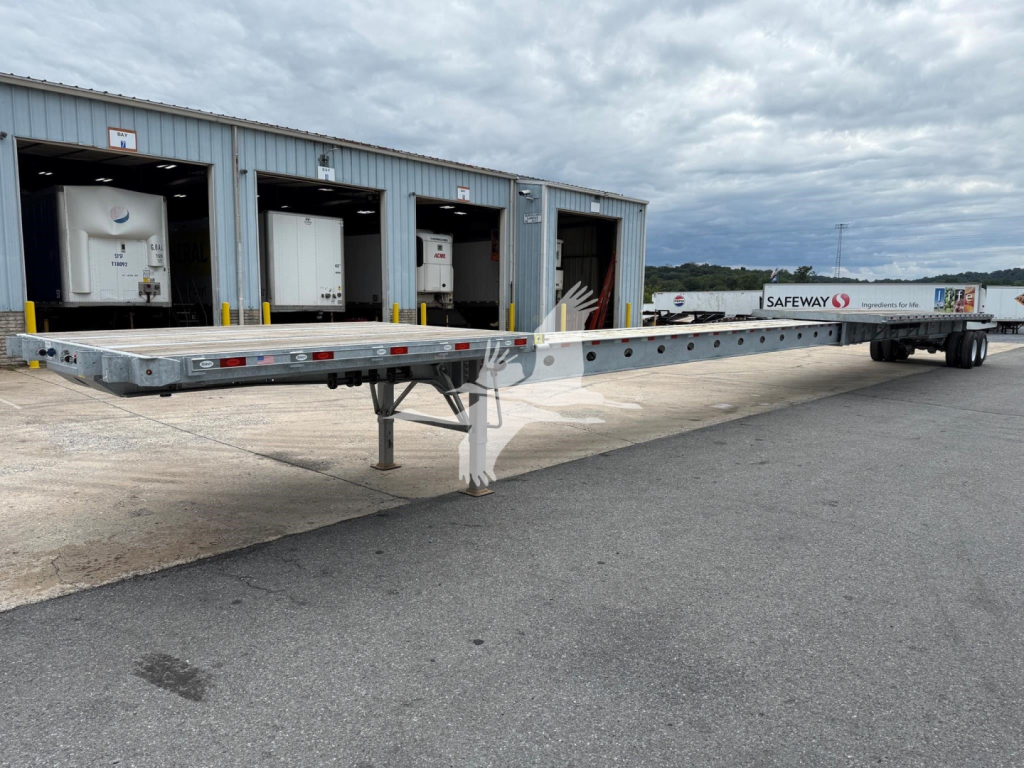
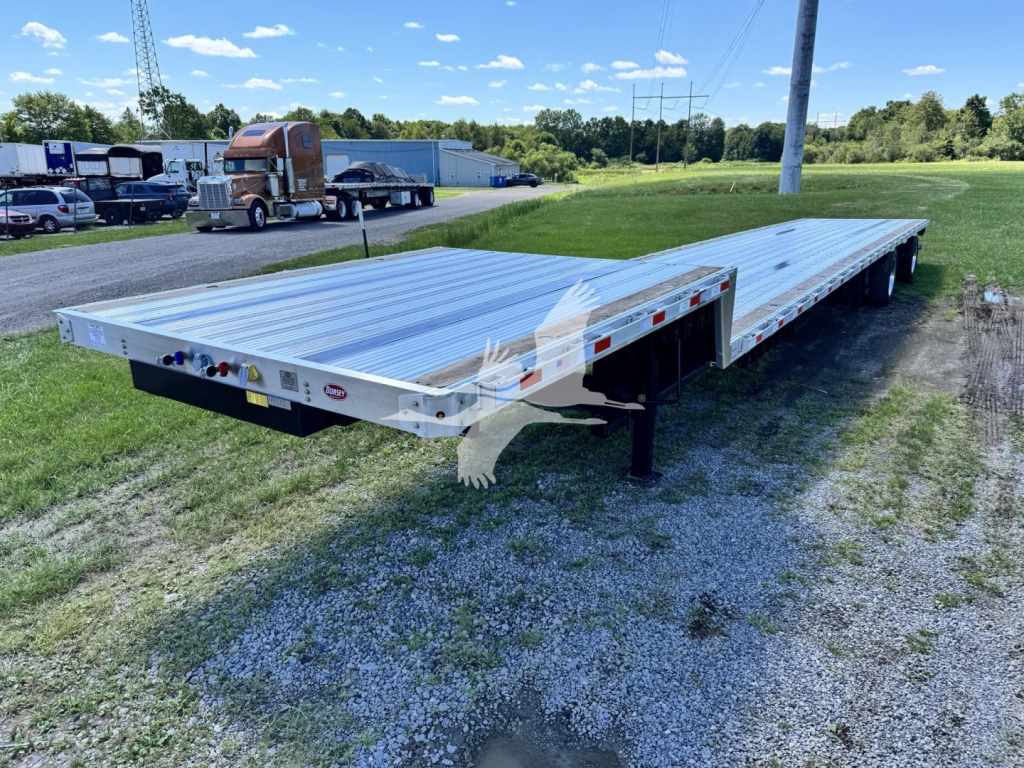
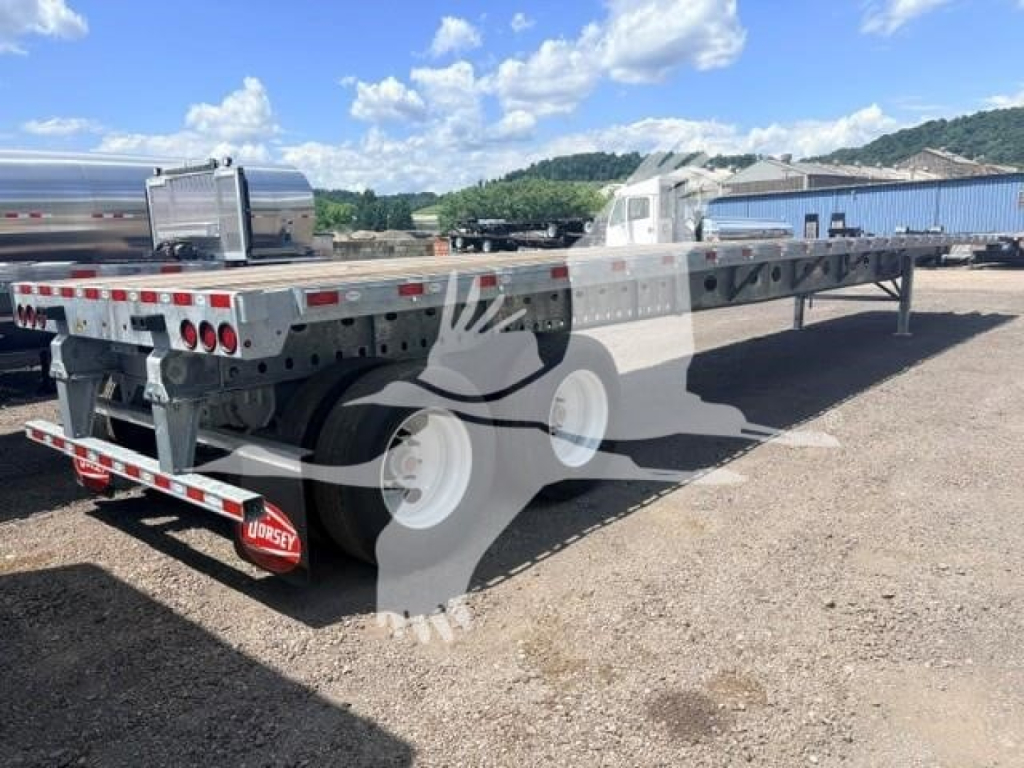
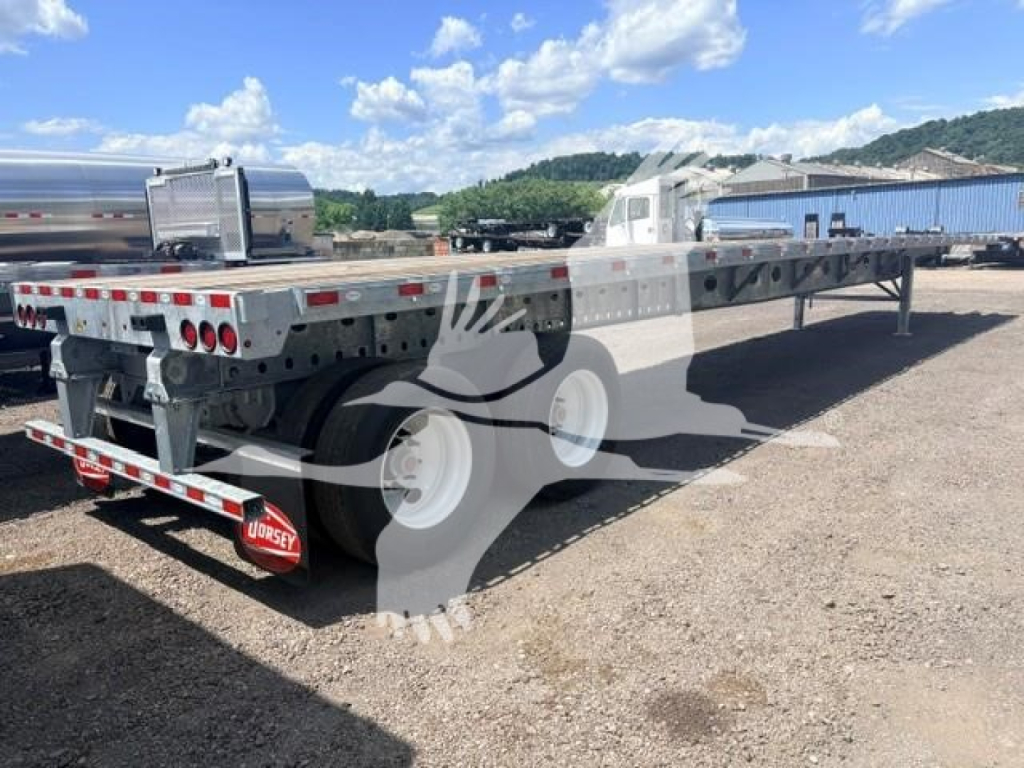
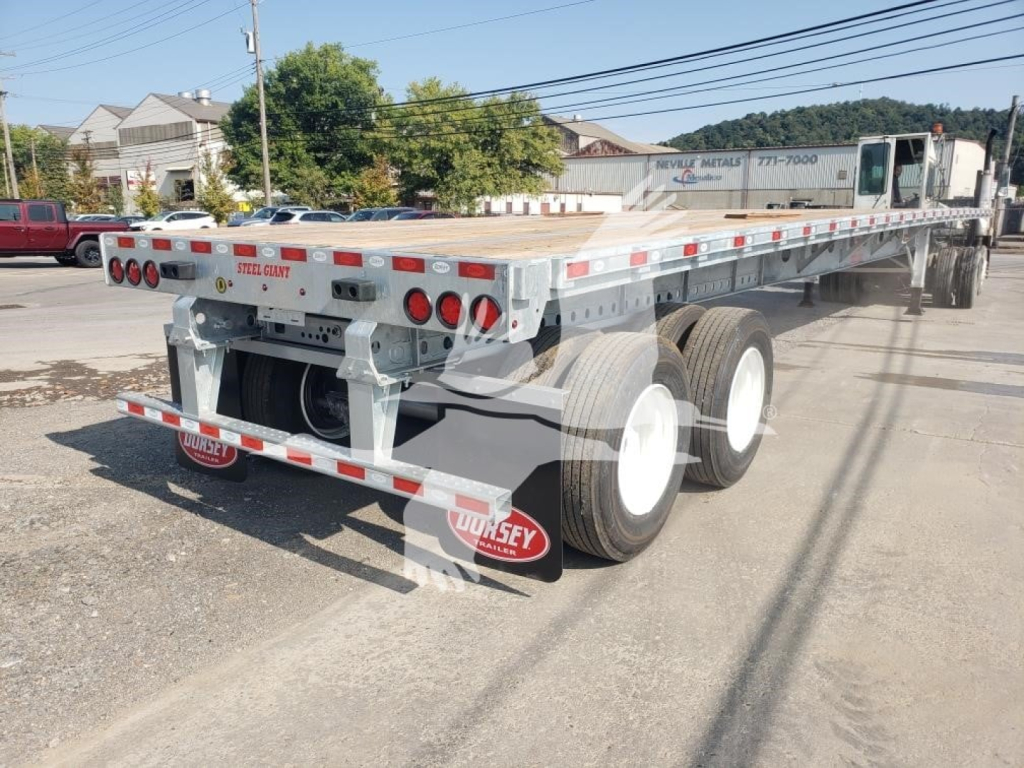
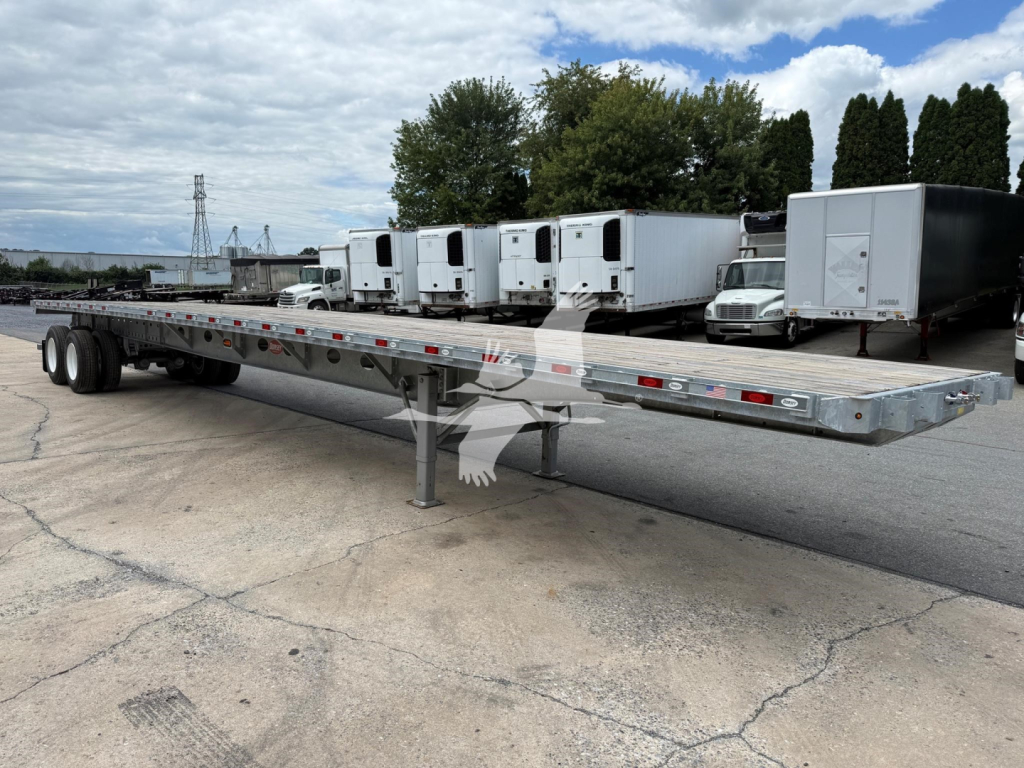
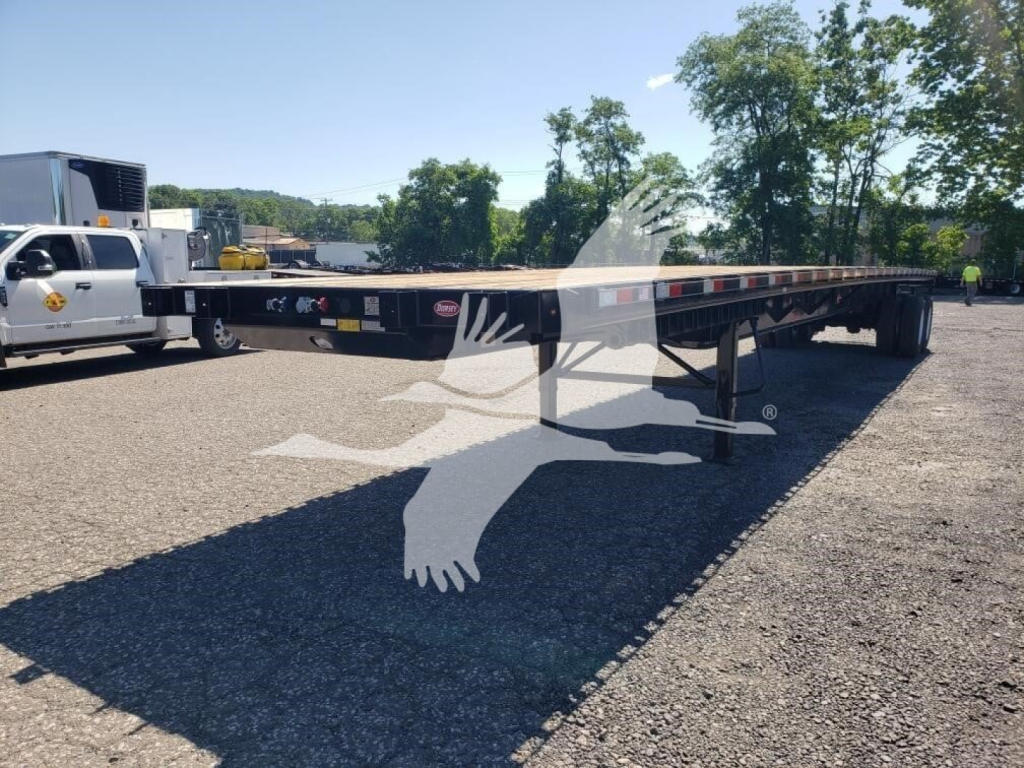
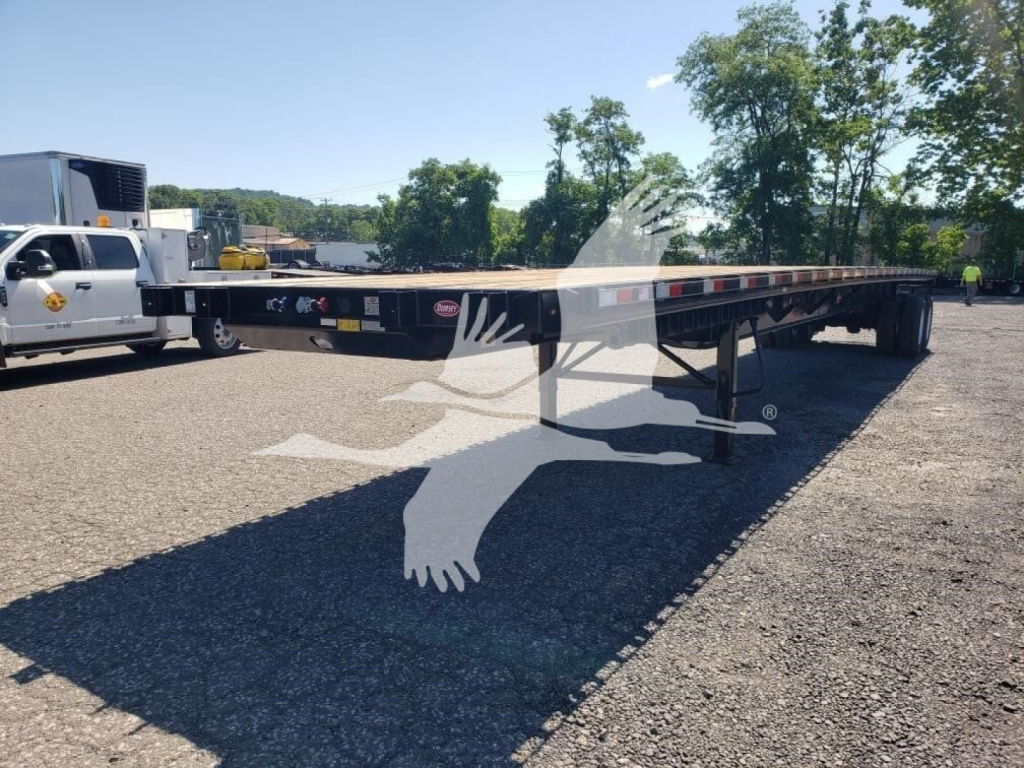
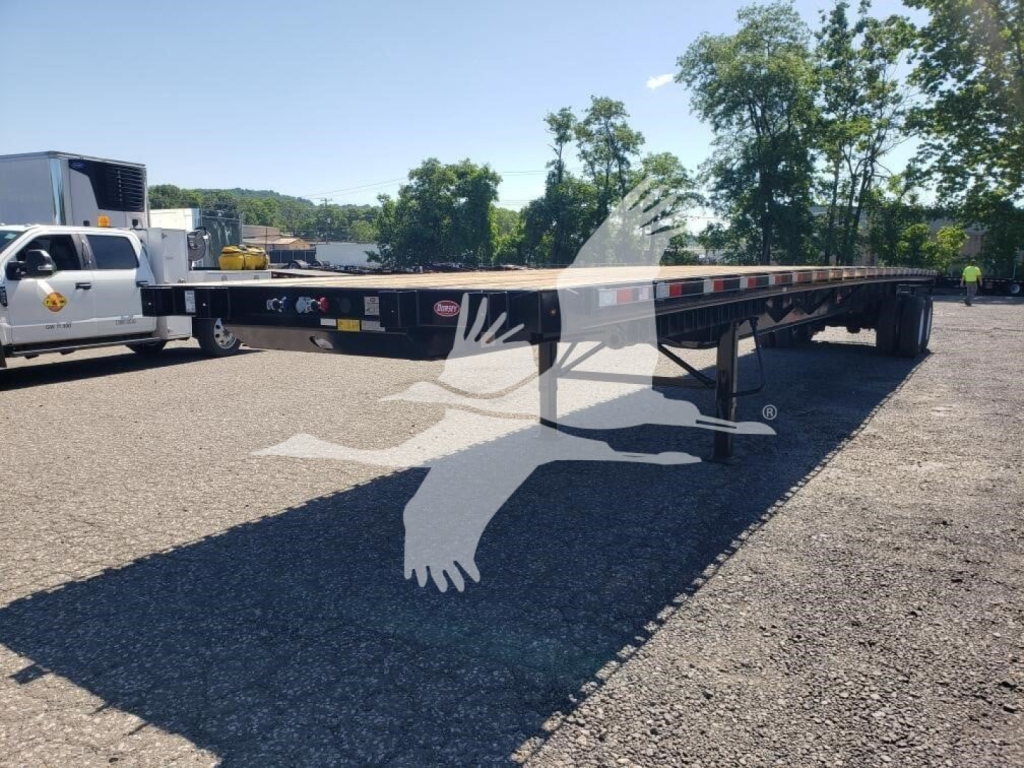
A common setup in this category is a 48-foot all-aluminum flatbed with air ride suspension and spread axles. That combination fits a wide range of freight and is well suited to carriers loading palletized product, steel, lumber, machinery, and other open-deck commodities. Spread axles can help with weight distribution and loading flexibility, but they also affect turning radius, tire scrub, and bridge law strategy depending on the states you run. Air ride remains the preferred suspension for many operations because it protects sensitive cargo better than rougher-riding setups and generally supports better trailer control under mixed freight conditions. Buyers should also pay close attention to floor type, rear sill construction, winch track layout, rub rail condition, and the number and placement of chain ties and stake pockets.
On Dorsey flatbeds, the big buying question is usually aluminum versus heavier construction and how that choice fits your freight mix. An all-aluminum trailer helps maximize payload and resists corrosion well, which is valuable in a state like Wisconsin where road salt and winter moisture are part of normal service life. At the same time, the trailer still needs the right spec for concentrated loads. Check rated capacity, crossmember design, coil package if equipped, and the condition or configuration of the decking. Some buyers also look for practical add-ons such as toolboxes, dunnage racks, sliding winches, tire inflation systems, and aluminum wheels. Those details affect daily efficiency more than many first-time buyers expect.
The best Dorsey flatbed for sale is the one matched to your freight, route density, and loading method. If your lanes involve forklift loading from the side, deck height and side rail design matter. If you haul steel or machinery, securement points and floor strength move to the top of the list. If payload is the priority, trailer weight becomes a primary cost driver over the life of the unit. Dorsey remains a recognized name in the flatbed market because these trailers are typically spec'd for practical work, easy serviceability, and broad freight compatibility. A careful buyer compares not just year and price, but empty weight, axle spacing, deck construction, suspension, and securement hardware before making a decision.
Frequently Asked Questions about Dorsey Flatbed Trailers in Wisconsin
What should I look for when buying a Dorsey flatbed trailer?
Start with the basics that directly affect revenue and usability: deck length, empty weight, axle configuration, suspension type, and rated capacity. After that, inspect the trailer's crossmembers, decking, rub rails, stake pockets, winch track, rear frame, and landing gear. On an aluminum Dorsey flatbed, corrosion resistance is a major advantage, but buyers still need to verify repairs, fatigue points, and any damage around concentrated load areas. The right trailer is the one that matches your actual freight and legal weight needs, not just the lowest advertised tare weight.
Are all-aluminum Dorsey flatbed trailers better for payload?
In most operations, yes. An all-aluminum flatbed typically weighs less than a heavier steel-based configuration, which can increase legal payload and improve efficiency on weight-sensitive freight. That said, lighter is not automatically better for every application. Concentrated loads, repeated forklift traffic, and specialized cargo may require a very specific floor and crossmember spec. Buyers should compare tare weight alongside deck strength, securement layout, and intended cargo profile.
Is a spread axle Dorsey flatbed a good choice in Wisconsin?
A spread axle can be a strong choice for Wisconsin operators because it often provides better load distribution and can work well with common flatbed freight. It is especially useful when loading varied freight positions across the deck. The tradeoff is increased tire scrub in tight turns and different bridge law considerations depending on your route network. If most of your work is regional with frequent tight docks or urban deliveries, axle spread should be evaluated against maneuverability as well as payload strategy.
Why is air ride suspension important on a flatbed trailer?
Air ride suspension helps reduce shock transfer to the cargo and generally provides a smoother ride than harsher suspension designs. That matters when hauling machinery, crated freight, building products, or any load that can shift or suffer from excessive vibration. It also tends to improve overall trailer handling and can support better freight protection across rough seasonal road conditions. For many carriers, air ride is the standard spec because it broadens the range of loads the trailer can handle well.
What options add the most value on a Dorsey flatbed trailer?
The most useful options are the ones that improve securement speed, cargo organization, and long-term operating efficiency. Toolboxes and dunnage racks help keep chains, straps, and blocking accessible and off the deck. Sliding winches, extra chain ties, and a practical winch track layout make the trailer more adaptable across different freight types. Aluminum wheels can trim weight, and tire inflation systems can reduce tire-related downtime. These are working features that affect turnaround time and maintenance cost more than appearance.