
2027 Flatbed Trailers For Sale in Pennsylvania
Shop 2027 flatbed trailers in Pennsylvania. Compare 48x102 specs, aluminum or steel builds, axle setups, securement options, and payload fit.
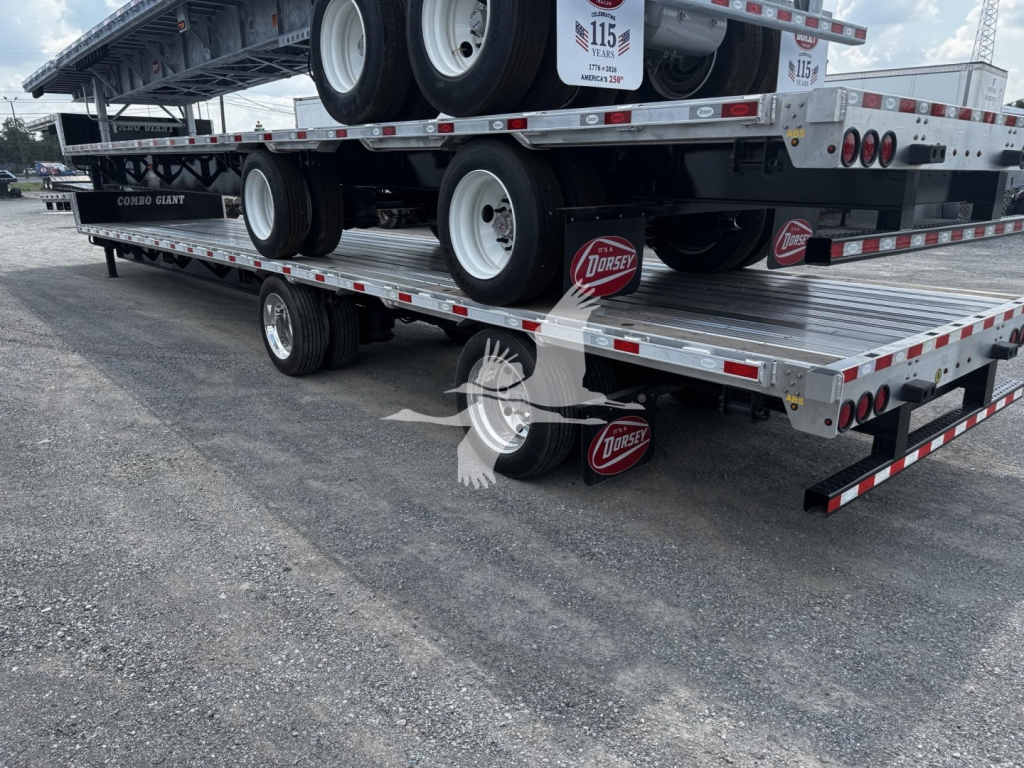
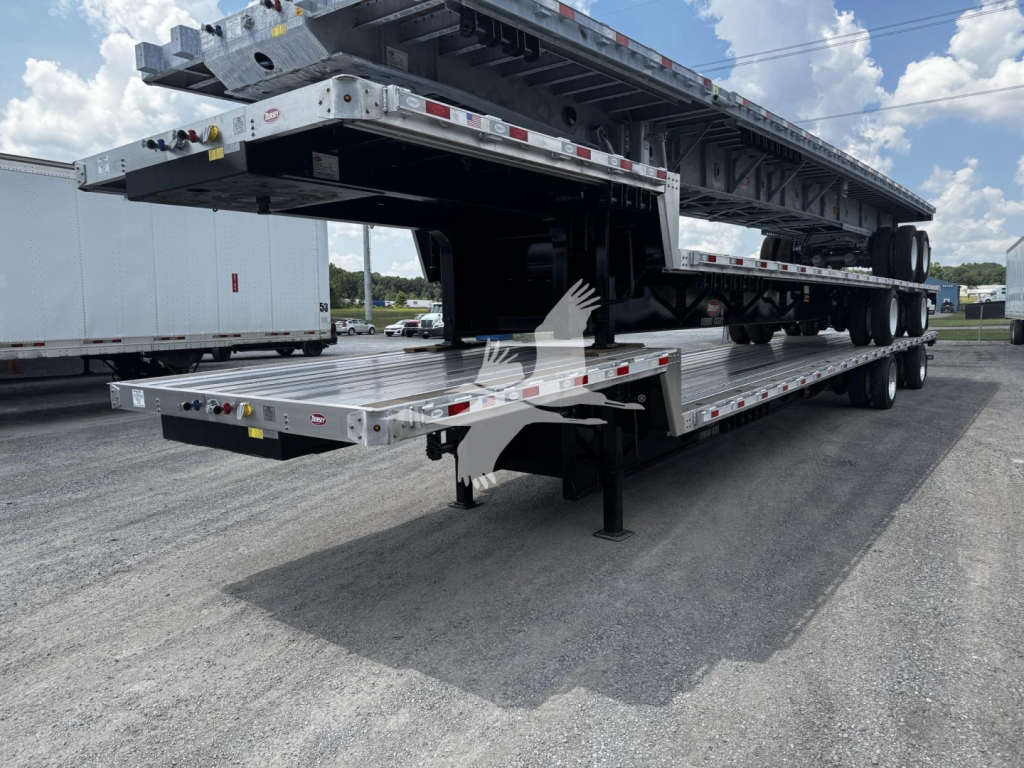
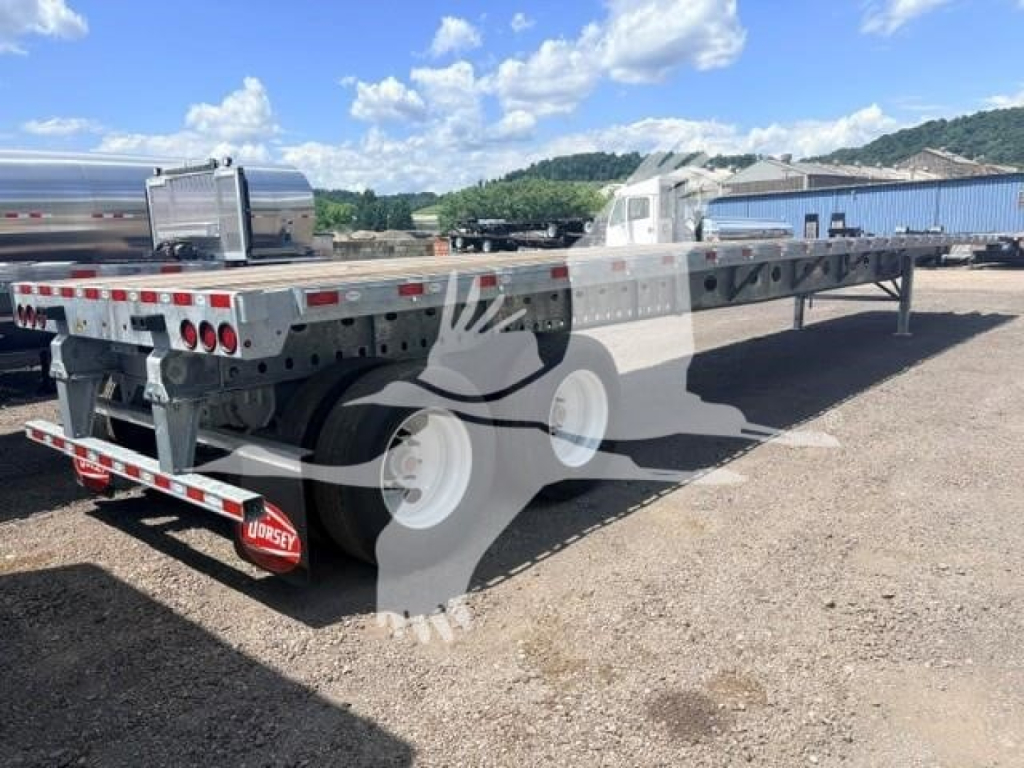
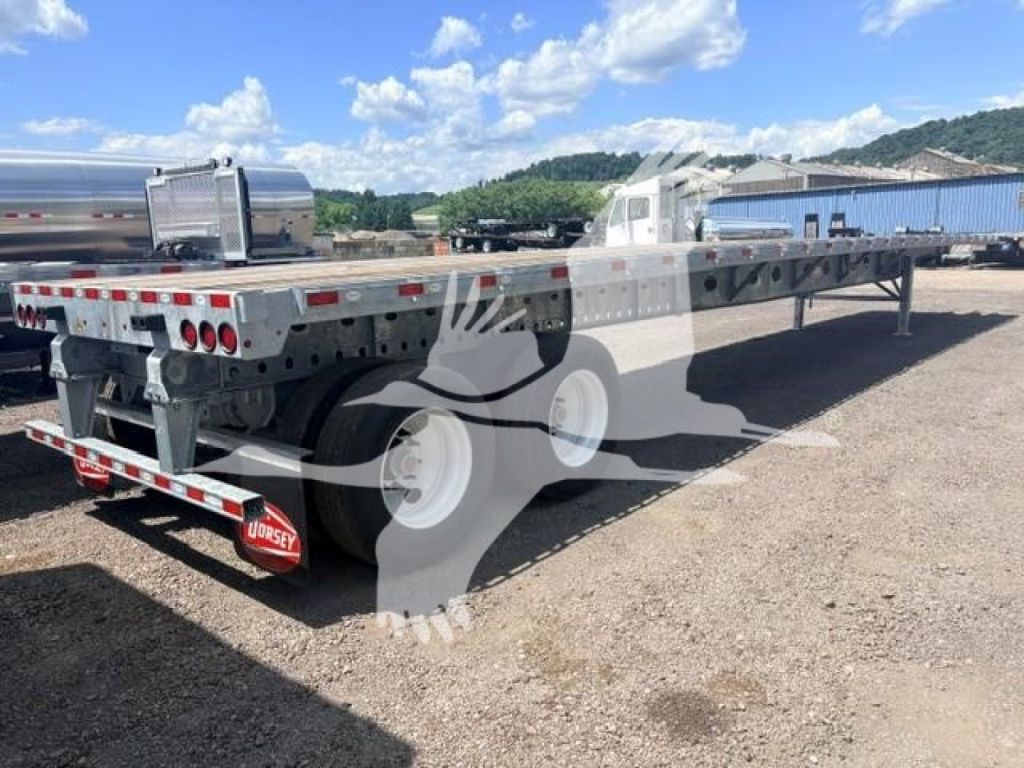
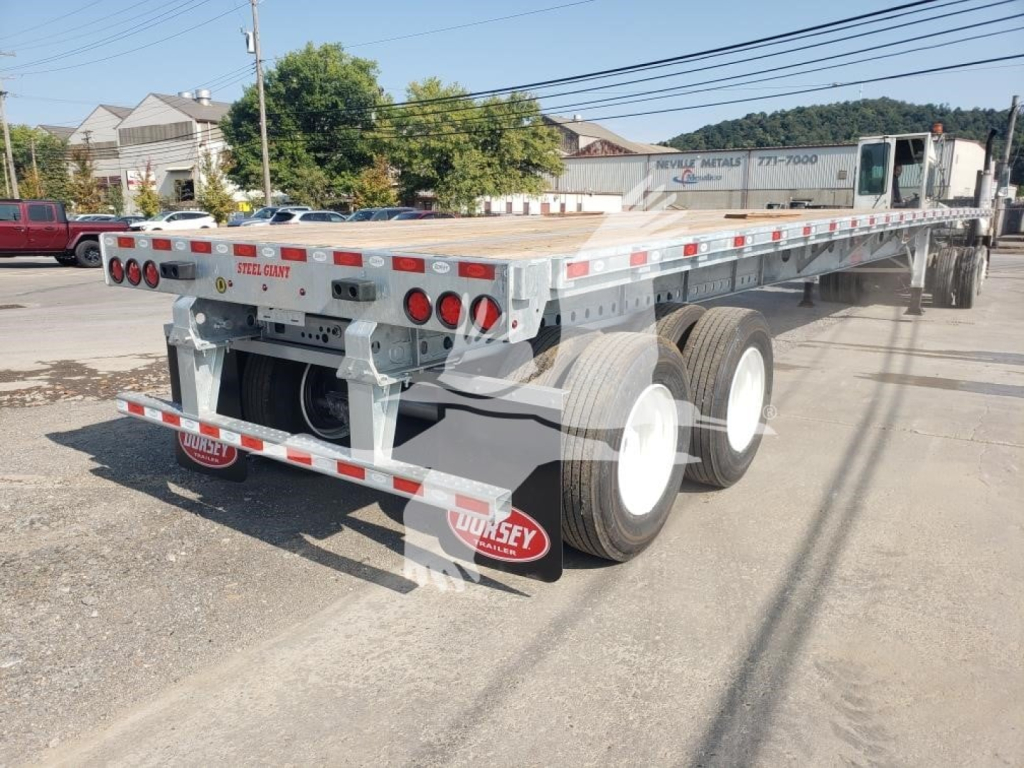
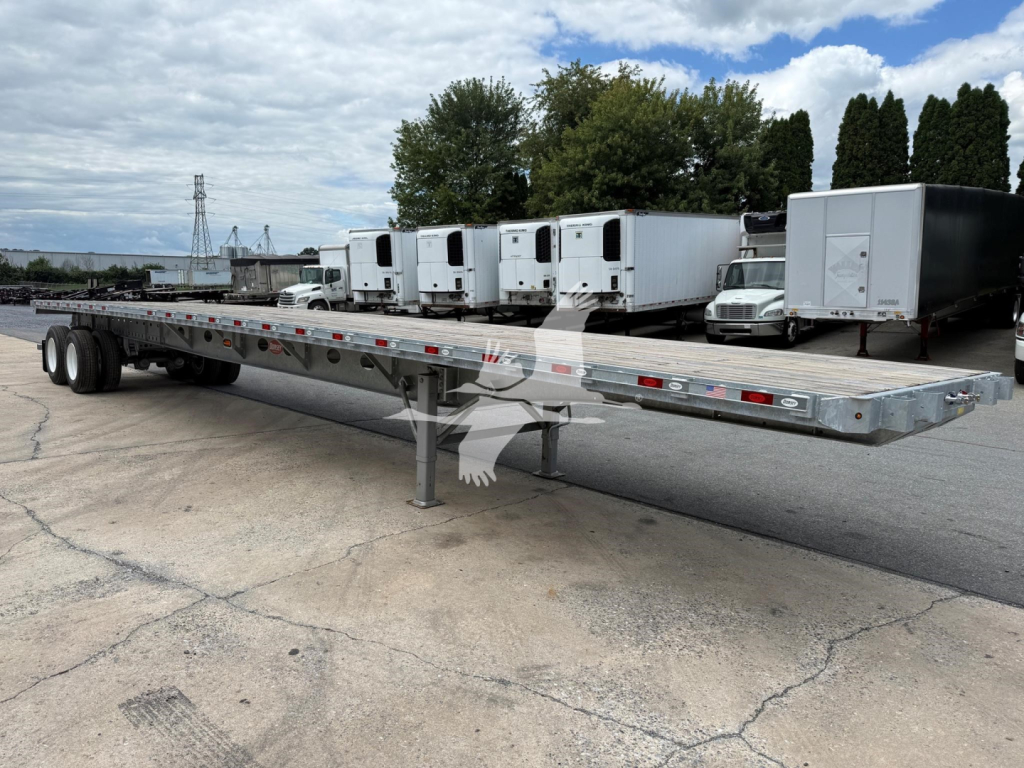
Selling a 2027 flatbed trailer? List your 2027 flatbed trailer for sale and reach thousands of commercial buyers.
2027 Flatbed Trailers in Pennsylvania
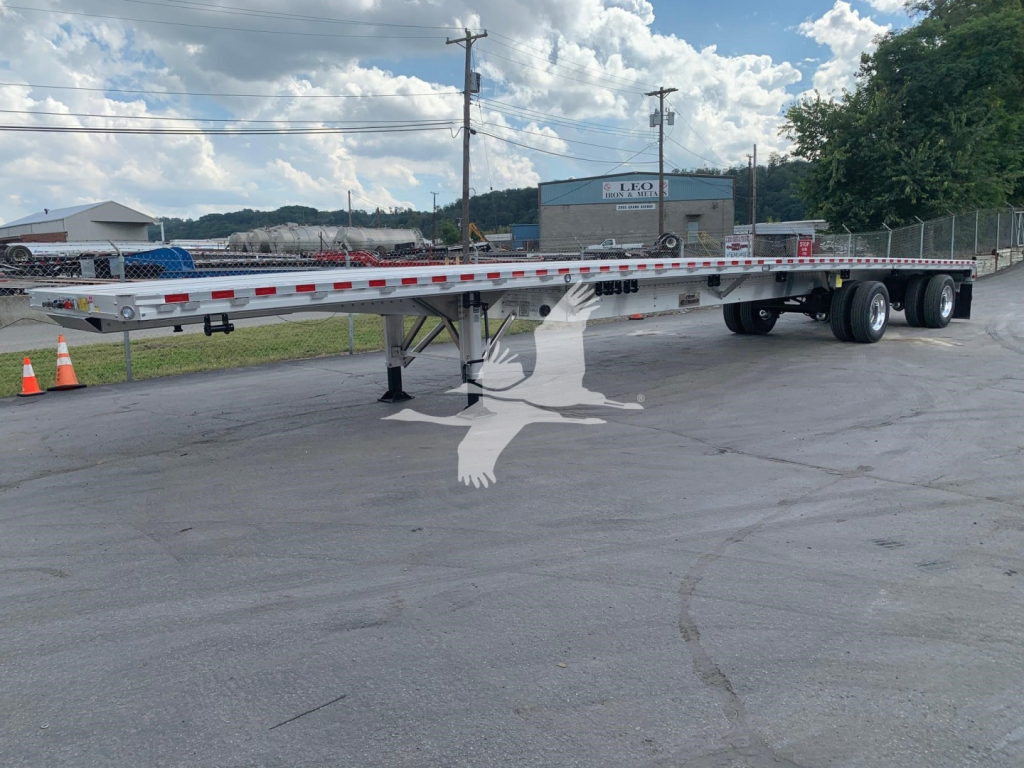
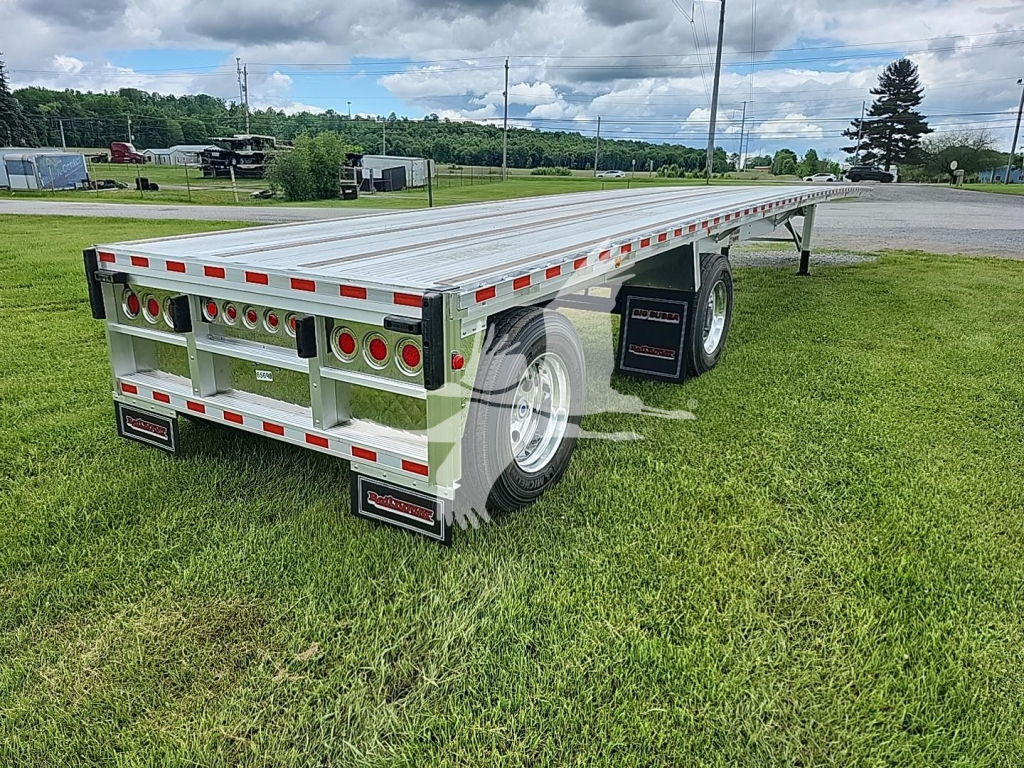
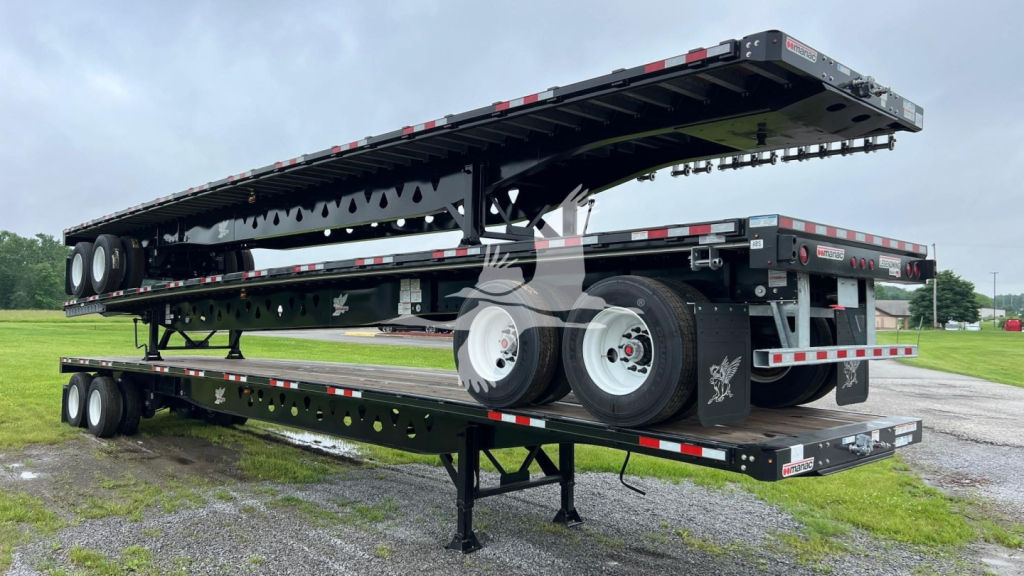
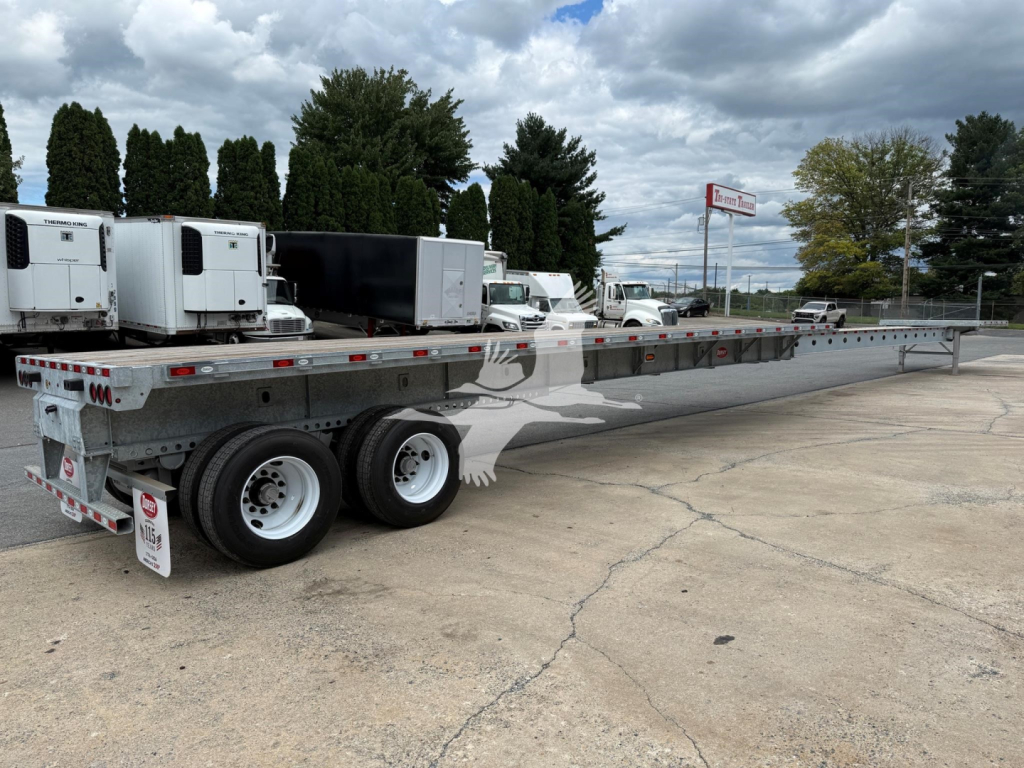
The first decision is usually aluminum versus steel. Aluminum flatbeds are favored when payload matters because they reduce tare weight and help maximize legal cargo on dense commodities. Steel flatbeds generally trade that weight advantage for durability and a lower upfront cost, which can make sense for hard use, forklift traffic, and demanding jobsite freight. Buyers should pay close attention to floor type, crossmember spacing, and rated capacity in concentrated load areas. Features like Apitong nailing strips, aluminum flooring, coil packages, and additional crossmembers matter if the trailer will see steel coils, machinery, or point-loaded freight. A mini coil package may be enough for occasional coil work, while dedicated steel-hauling applications often justify a more robust setup.
Axle configuration and suspension also deserve a close look. Tandem axle flatbeds with sliders remain common for flexibility in bridge law compliance and load balance. Spread axle trailers can offer operating advantages but may be less forgiving in tight urban yards and older Pennsylvania industrial sites. Air ride suspension is usually preferred for ride quality and cargo protection, while spring ride can still appeal for simplicity and lower maintenance. Common details like a 30-inch kingpin setting, 22.5-inch wheels, 295/75R22.5 or 275/80R22.5 tires, two-speed landing gear, and rear frame lighting are standard checkpoints, but buyers should also inspect practical freight-handling features such as winch tracks, sliding or bolt-on winches, pipe spools, tire carriers, dump valves, and lift axles where applicable.
Securement and deck usability often separate a general-purpose flatbed from one matched to your freight mix. Side rails, rub rails, stake pockets, chain spools, and winch placement affect how quickly a driver can secure lumber, machinery, pipe, or bundled material. Some operators want both-side winch tracks for flexibility, while others are fine with roadside-only setups for more routine freight. If tarping is part of the work, deck height, bulkhead configuration, and the arrangement of tie-down points will affect labor and safety every day. A good flatbed trailer should match the weight profile, commodity type, loading method, and route conditions of the operation, not just the basic length and width on the spec sheet.
Frequently Asked Questions about 2027 Flatbed Trailers in Pennsylvania
What is the most common size for a flatbed trailer?
The most common flatbed trailer size is 48 feet long by 102 inches wide. That size works across a wide range of legal loads, loading docks, and open-deck freight applications. It is also the benchmark spec for many steel, lumber, machinery, and palletized loads, which makes replacement parts, securement equipment, and resale demand easier to manage.
Is an aluminum flatbed better than a steel flatbed?
Neither is automatically better. Aluminum flatbed trailers are usually preferred when lower empty weight and higher payload are priorities. Steel flatbeds can be attractive when durability, repair simplicity, and lower purchase cost matter more than maximum payload. The right choice depends on freight density, loading conditions, expected abuse, and how much value the operation gets from every extra pound of legal cargo.
What should I look for if I plan to haul steel coils or concentrated loads?
Look closely at the coil package, crossmember spacing, floor construction, and stated load ratings in key sections of the deck. A mini coil package may work for occasional or lighter coil work, but regular steel hauling often calls for added crossmembers and a stronger concentrated-load design. Securement layout also matters, including winch tracks, chain tie-down points, and side rail strength, because heavy concentrated freight puts stress on both the deck and the securement system.
Should I choose a tandem slider or a spread axle flatbed trailer?
A tandem slider gives more flexibility for axle placement, bridge compliance, and load balance across different freight types. A spread axle flatbed can offer advantages in stability and sometimes operational efficiency, but it can be harder to maneuver in tight spaces and may be less flexible in certain loading situations. The better choice depends on your routes, customer yards, state regulations, and how often you need to reposition the suspension for varying loads.
What flatbed trailer features matter most for daily freight handling?
The features that matter most are usually the ones that affect securement speed, loading access, and cargo protection. Winch tracks, sliding winches, stake pockets, rub rails, pipe spools, nailing strips, and a properly configured deck all influence how easily the trailer handles different commodities. Suspension type, tire size, landing gear, lighting, and axle setup also matter because they affect uptime, ride quality, maintenance cost, and how well the trailer fits real-world dispatch demands.