
New Eager Beaver Trailers For Sale
Shop new Eager Beaver trailers, including tag trailers and lowboys with hydraulic detachables, Apitong floors, air ride, and heavy-haul specs.
Showing 25 to 32 of 32 results
Have new eager beaver trailer to sell? List it here to reach thousands of buyers.
New Eager Beaver Trailers
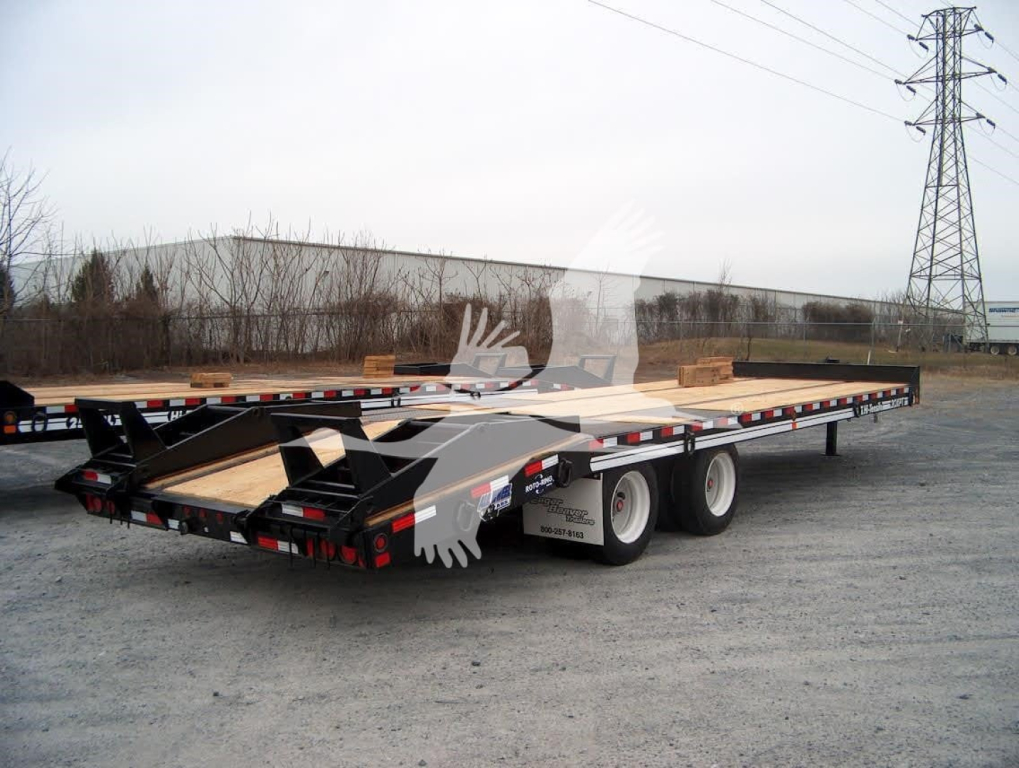
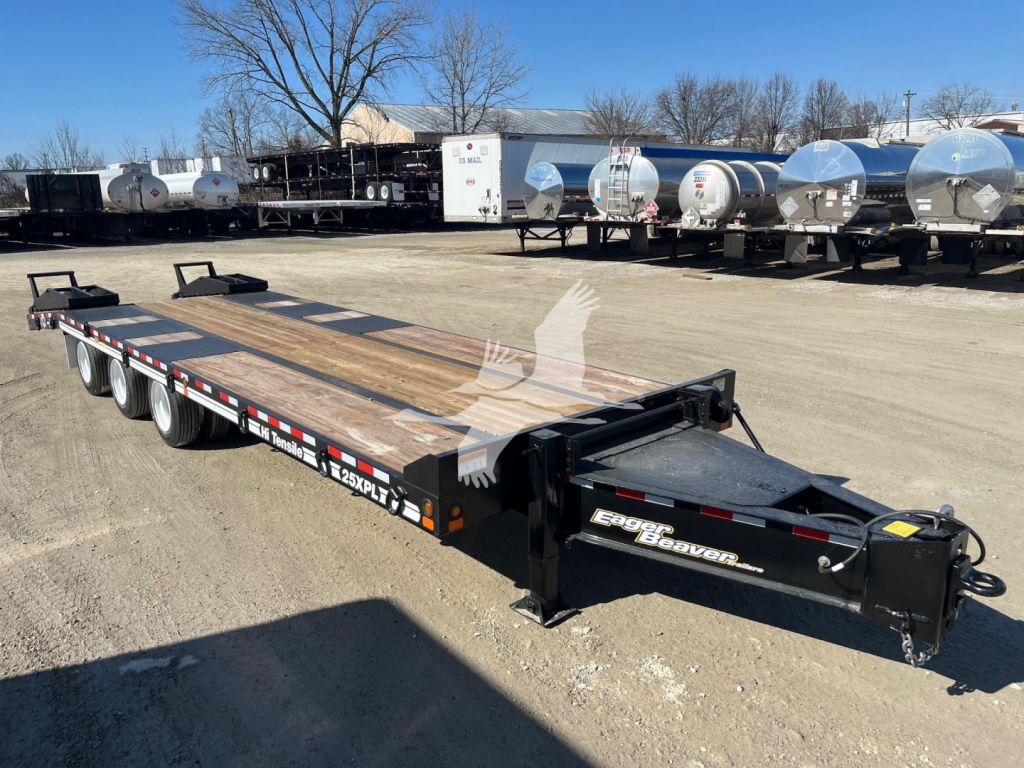
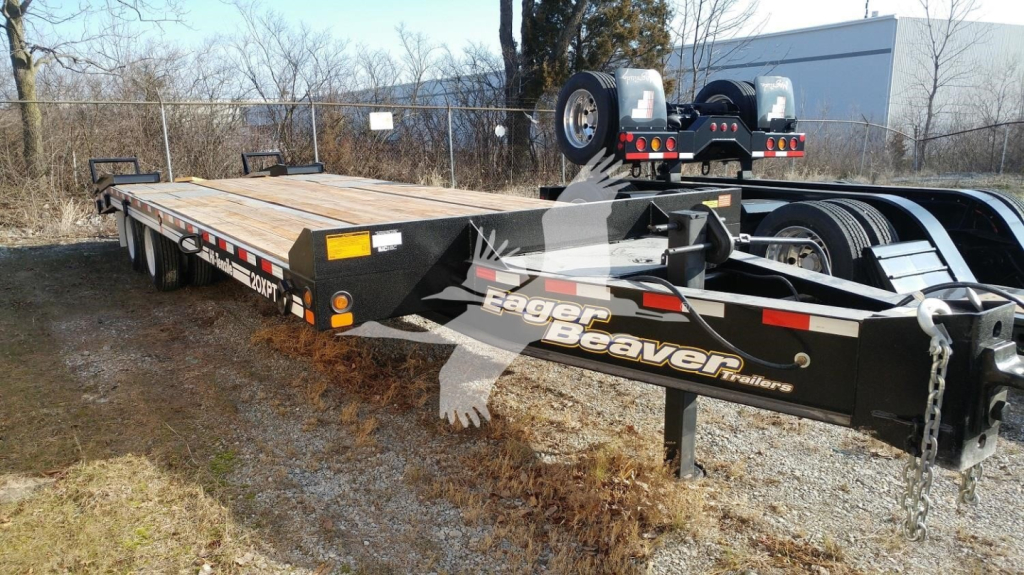
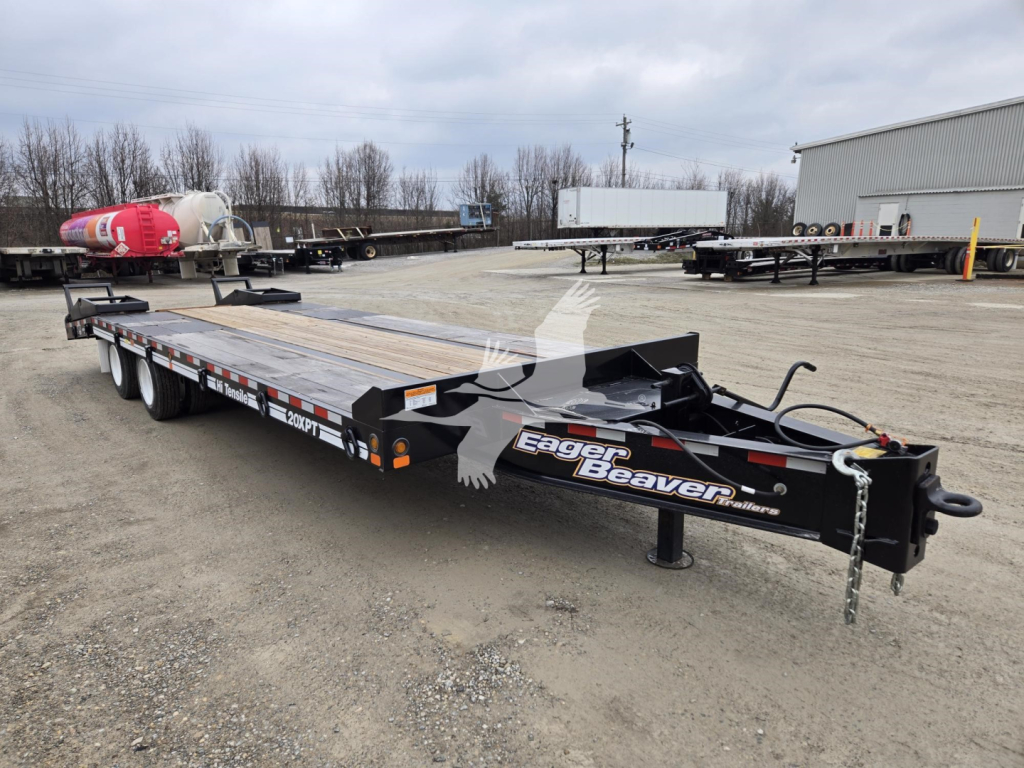
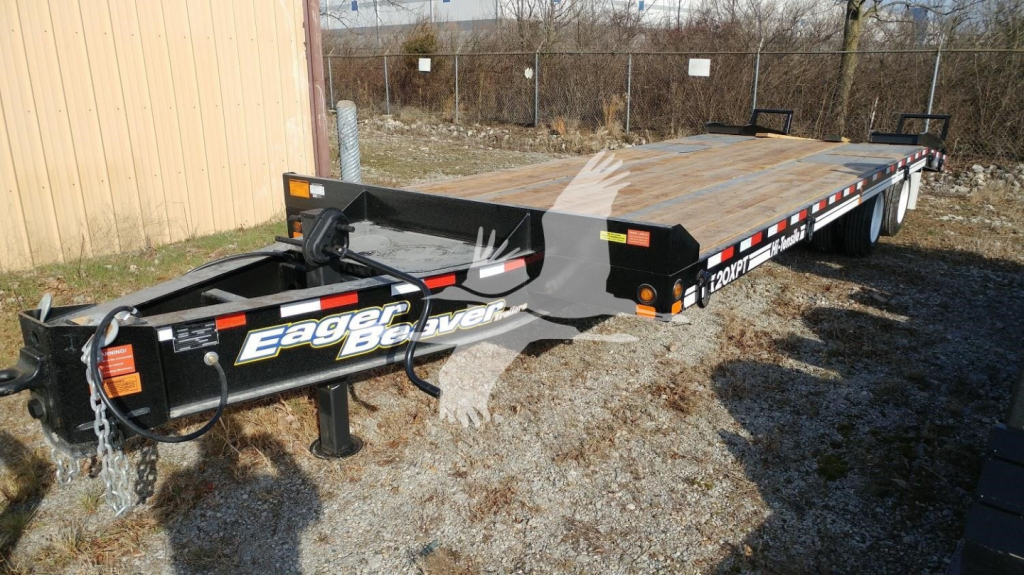
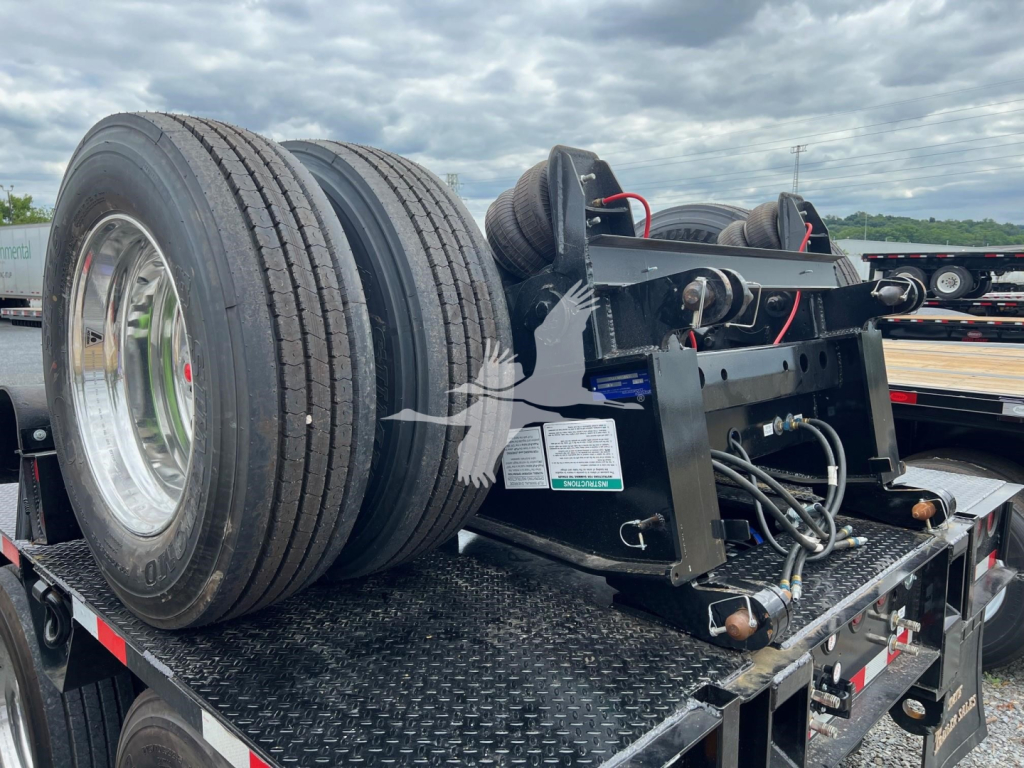
On the tag trailer side, common configurations include 20-ton and 25-ton models with fixed decks, full-width bulkheads, steel side rails, wood-filled ramps, and 102-inch legal width. Main deck heights around 34 inches, 6-foot beavertails, and 7-foot hydraulic ramps are typical on equipment trailers built for skid steers, compact track loaders, backhoes, small dozers, and attachments. Tandem and tri-axle layouts are both common, with spring ride suspensions like Hutchens setups frequently used for simple maintenance and solid jobsite durability. Buyers should pay close attention to deck length, load angle, tiedown count, pintle height adjustment range, and empty weight, because those factors directly affect what truck can pull the trailer and how easily your equipment loads without dragging.
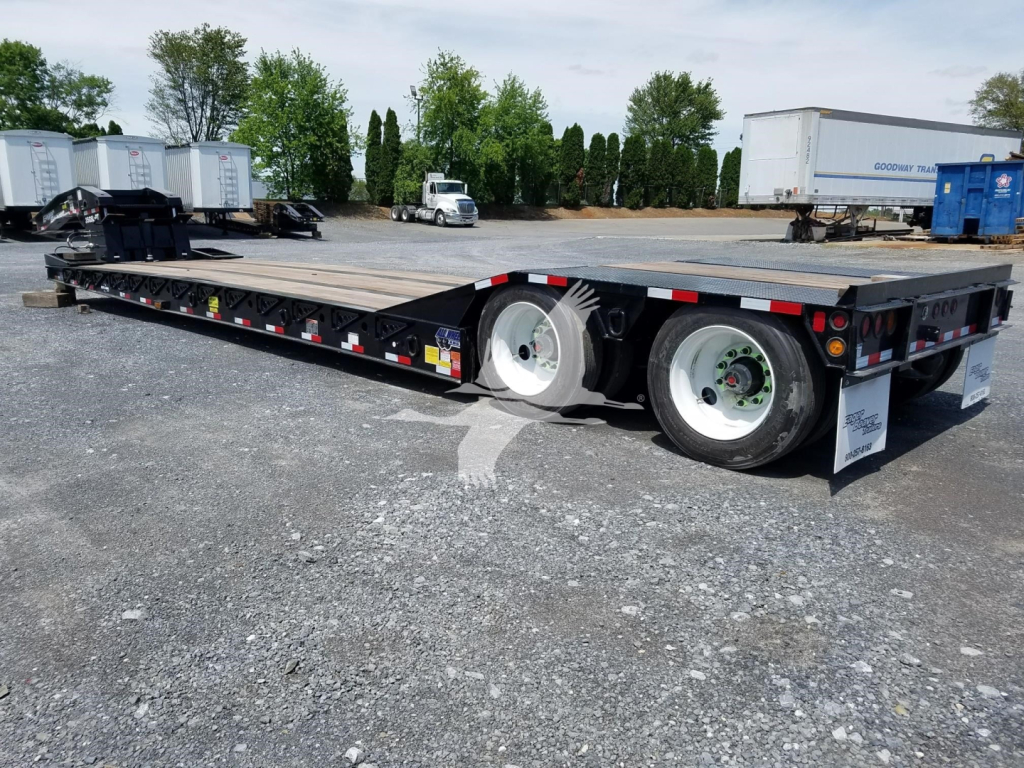
For heavier iron, Eager Beaver lowboys are designed around reduced deck height and more stable transport of taller or heavier machines. Hydraulic detachable gooseneck models in the 35-ton class commonly feature loaded deck heights around 24 inches, 24-foot main decks, 102-inch width, Apitong flooring, steel perimeter frames, and swing-out outriggers on 24-inch centers. Air ride suspensions, raise-and-lower valves, dump valves, kingpin settings, and swing clearance are all important details in this class. These trailers are suited for excavators, larger dozers, wheel loaders, pavers, and other equipment that benefits from a low center of gravity and easier deck access. Features like boom wells, bucket recesses, roller stops, traction bars, and front loading ramps can make a noticeable difference depending on the machines in your fleet.
Material and component choices are a major part of the value equation with new Eager Beaver trailers. Apitong decking remains a strong selling point because it holds up well under concentrated equipment loads and repeated track or tire contact. Buyers should also compare axle capacity, GAWR, brake configuration, ABS, tire size, crossmember spacing, landing gear, and whether the trailer uses all-steel wheels or includes jobsite-focused details like lockable tool storage, strobe lights, flag holders, and wheel covers. If your work is regional and frequent, a lighter tag trailer may offer lower operating cost and faster cycle times. If you are moving taller machines or need to stay legal with heavier payloads, a lowboy with hydraulic detachable neck and outriggers is usually the better fit.
Frequently Asked Questions about New Eager Beaver Trailers
What is the difference between an Eager Beaver tag trailer and an Eager Beaver lowboy?
An Eager Beaver tag trailer is a fixed-deck equipment trailer that typically uses a pintle hitch, a beavertail, and loading ramps. It is commonly used behind straight trucks or tandem dumps for hauling compact and mid-size equipment. An Eager Beaver lowboy uses a lower main deck and often a hydraulic detachable gooseneck, which makes it better suited for taller and heavier machines. The lower deck height helps with legal loaded height, stability, and loading larger construction equipment.
What capacity range is common on new Eager Beaver trailers?
Common new Eager Beaver trailer capacities in this category include 20-ton and 25-ton tag trailers and 35-ton lowboys. Actual usable payload depends on the trailer's empty weight, axle group, suspension, and the truck or tractor pulling it. Buyers should always compare the rated capacity to the real operating weight of the equipment they haul most often, including buckets, blades, attachments, and fuel.
Why does Apitong flooring matter on an equipment trailer or lowboy?
Apitong is widely used in heavy-haul and equipment trailers because it is dense, durable, and resistant to wear from tracked and wheeled machinery. It generally holds fasteners well and stands up to repeated loading better than many softer wood alternatives. On a trailer that sees excavators, skid steers, or steel-tracked machines, floor material has a direct effect on long-term maintenance cost and deck life.
Should I choose spring ride or air ride on a new Eager Beaver trailer?
Spring ride is common on tag trailers because it is straightforward, durable, and familiar to many fleet maintenance departments. Air ride is more common on lowboys and some premium equipment trailers because it can improve ride quality, help protect cargo, and offer ride-height adjustment features. The right choice depends on the trailer class, the type of roads you run, the sensitivity of the equipment being hauled, and how important adjustability is in your loading process.
What specs matter most when comparing new Eager Beaver lowboys?
The most important specs usually include loaded deck height, main deck length, gooseneck style, swing clearance, axle spacing, suspension type, outriggers, floor construction, and kingpin setting. Buyers should also review ramp design, boom well or bucket recess options, tire size, and crossmember spacing. These details affect legal height, ease of loading, machine fit, tractor compatibility, and overall heavy-haul productivity.