
New Eager Beaver Trailers For Sale in Pennsylvania
Shop new Eager Beaver trailers for sale in Pennsylvania, including tag trailers and lowboys built for equipment hauling and heavy-duty service.
Learn more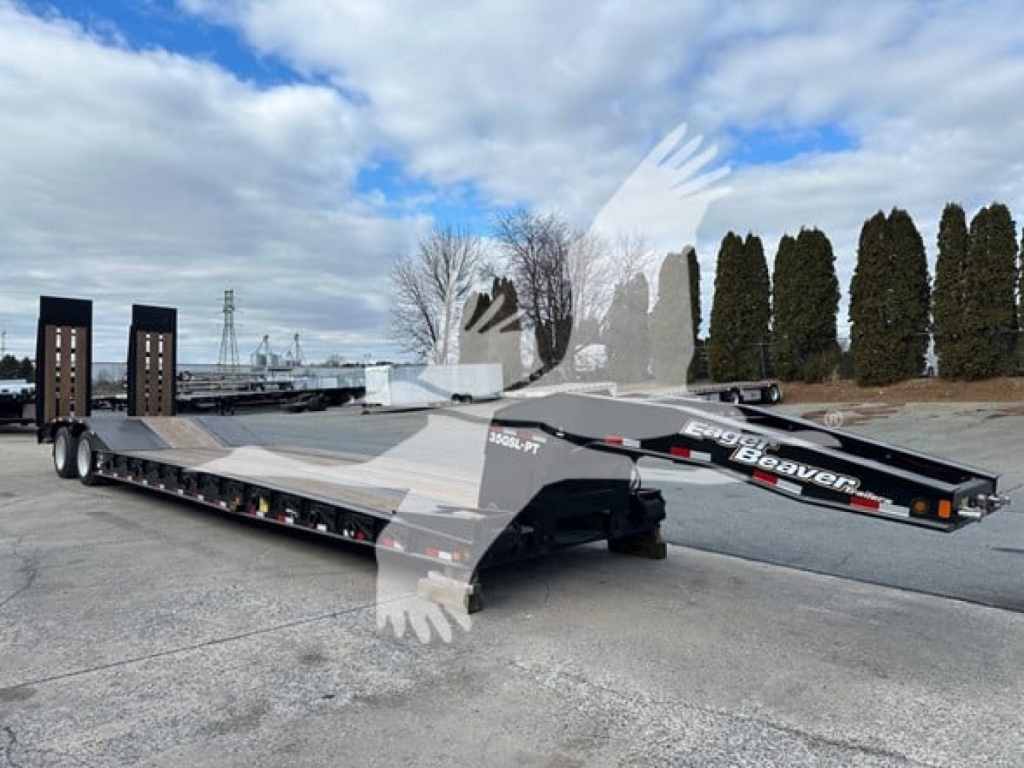
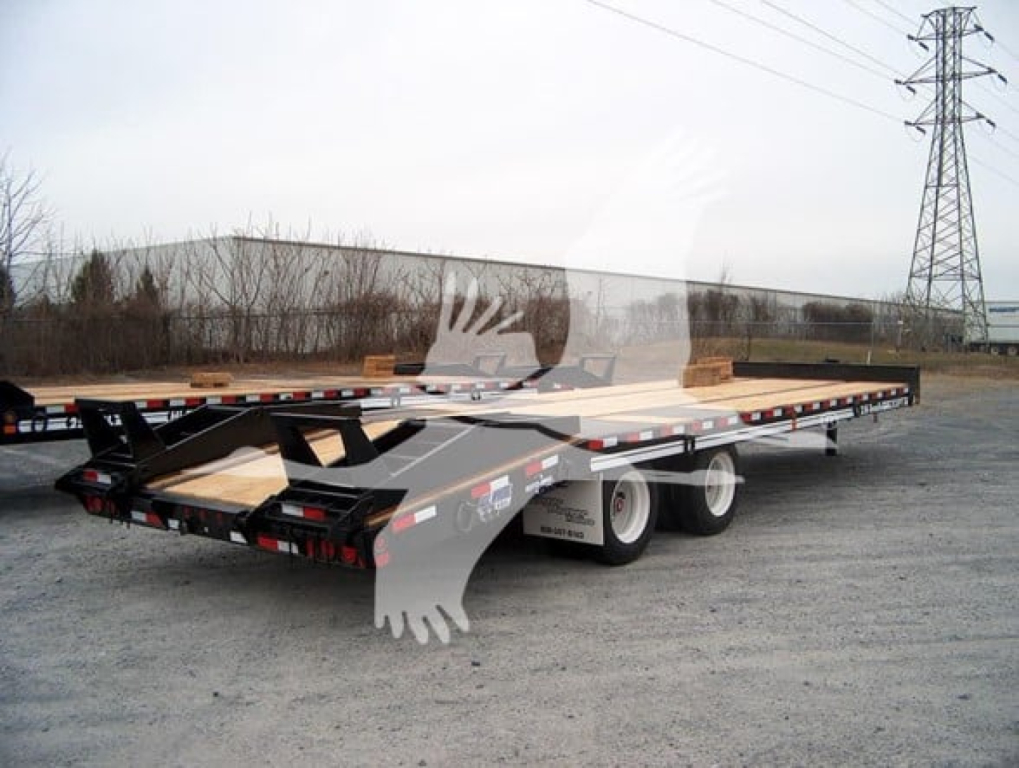
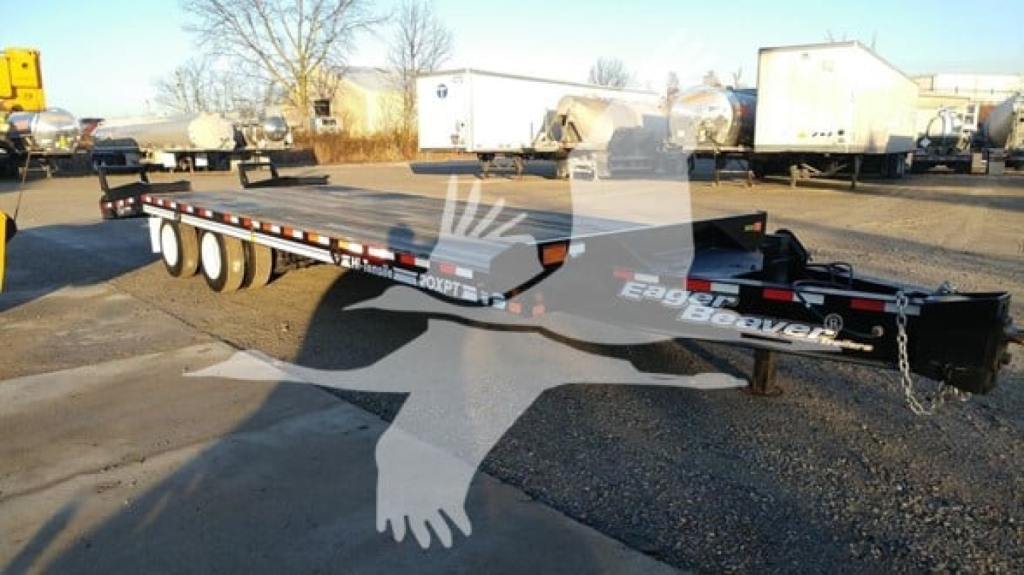
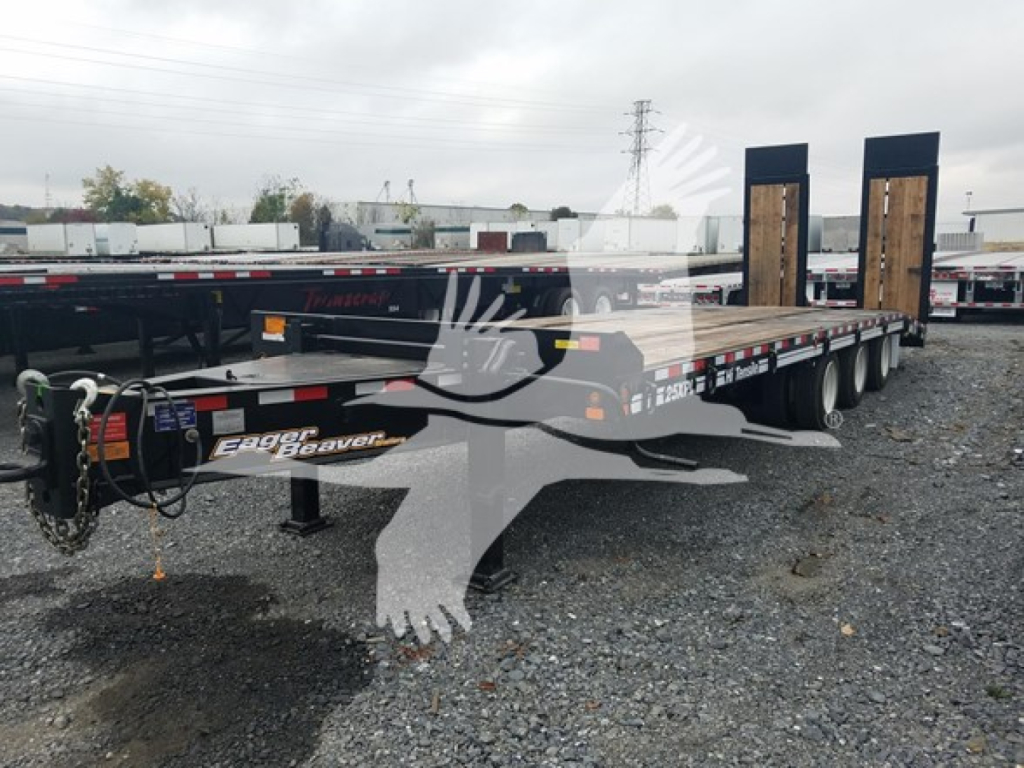
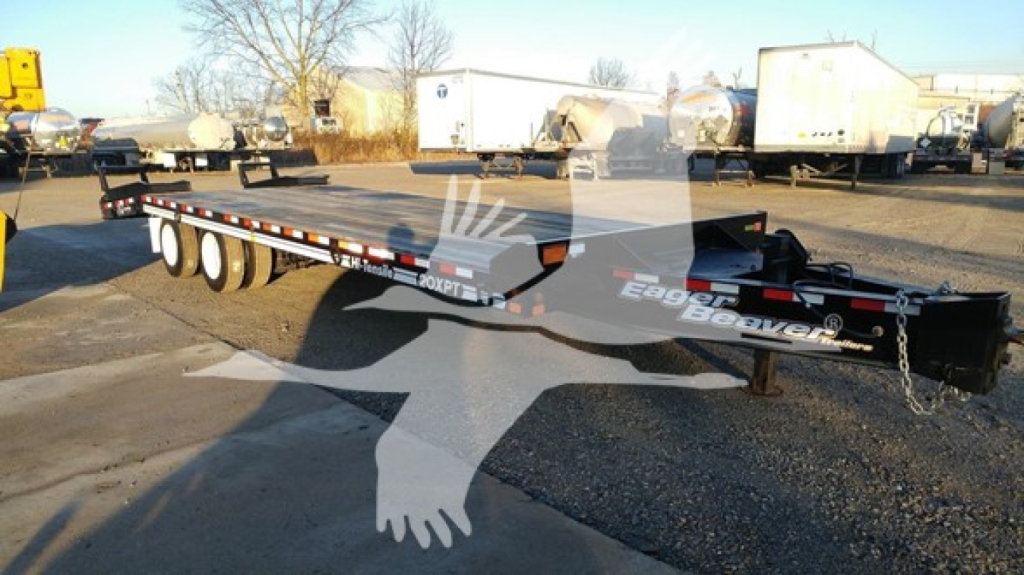
Showing 1 to 12 of 15 results
Have new eager beaver trailer to sell? List it here to reach thousands of buyers.
About New Eager Beaver Trailers in Pennsylvania
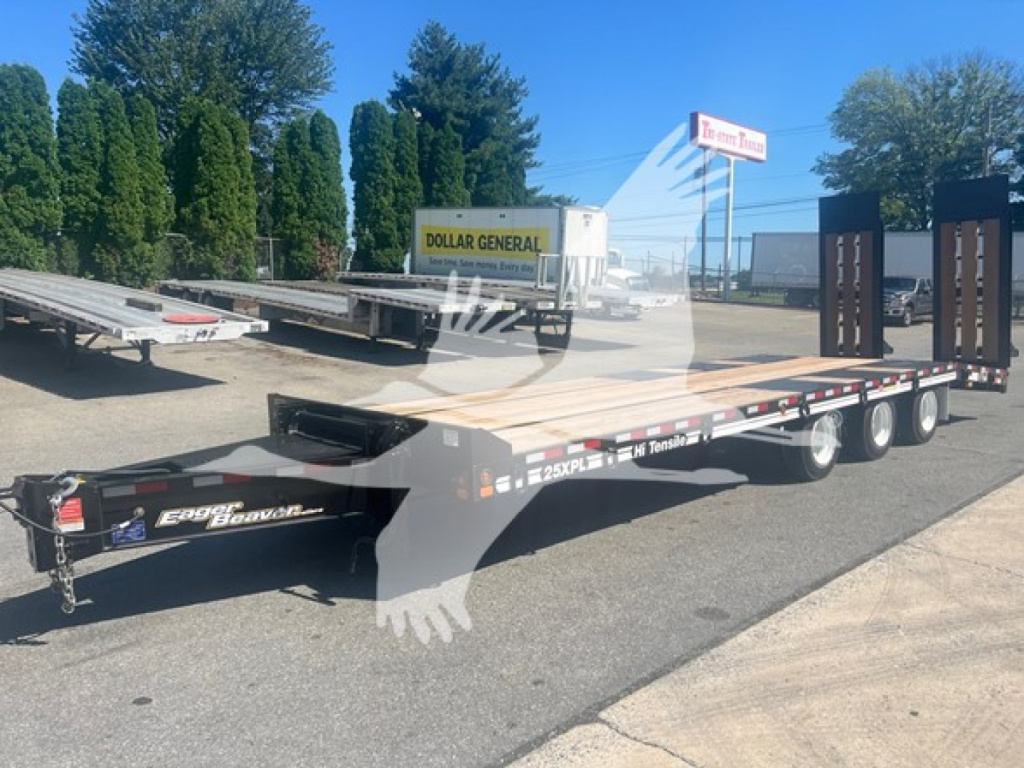
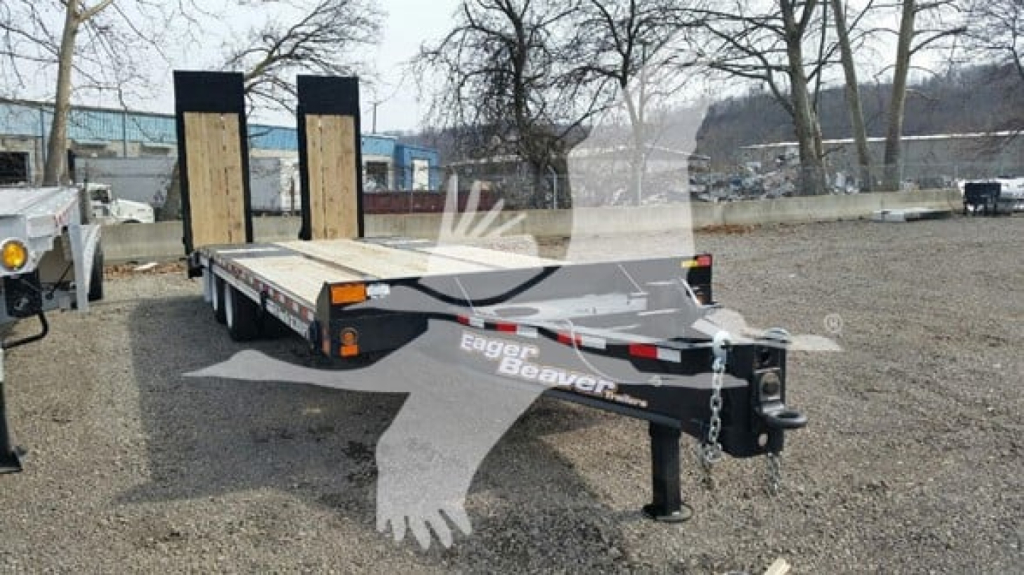
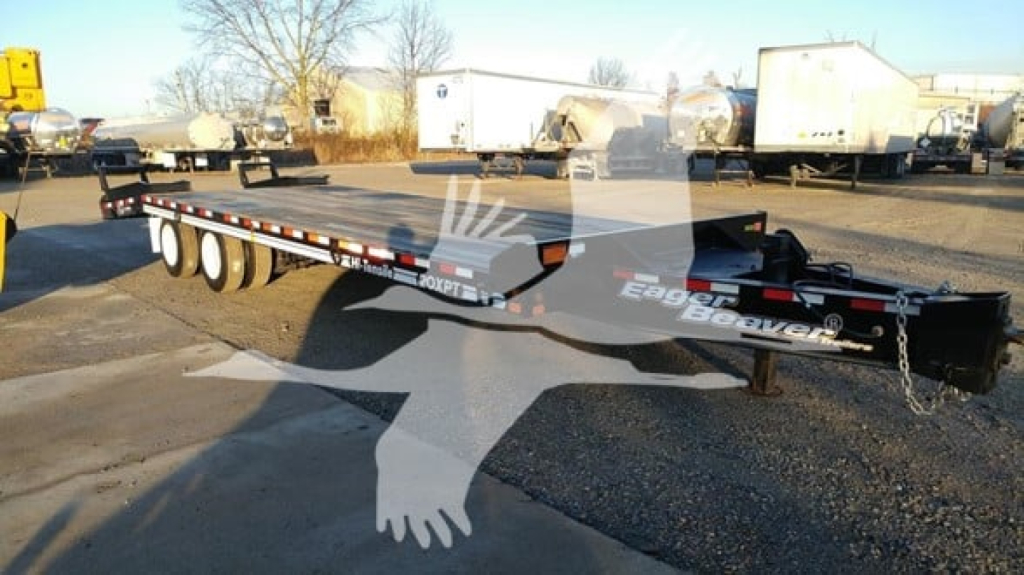
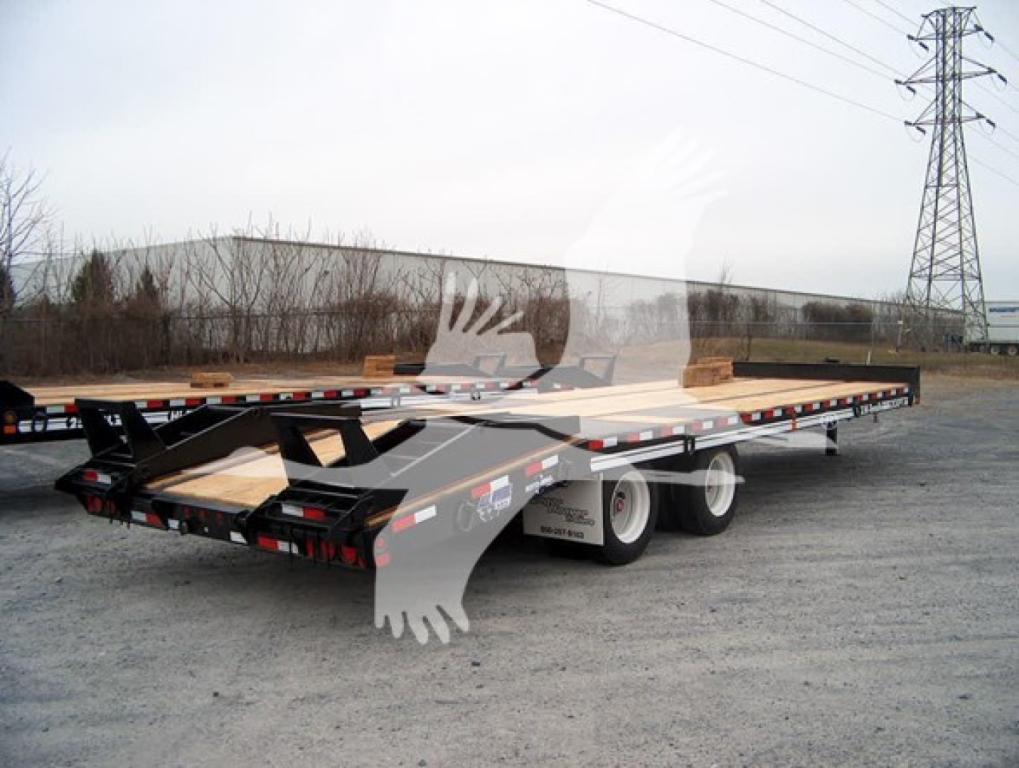
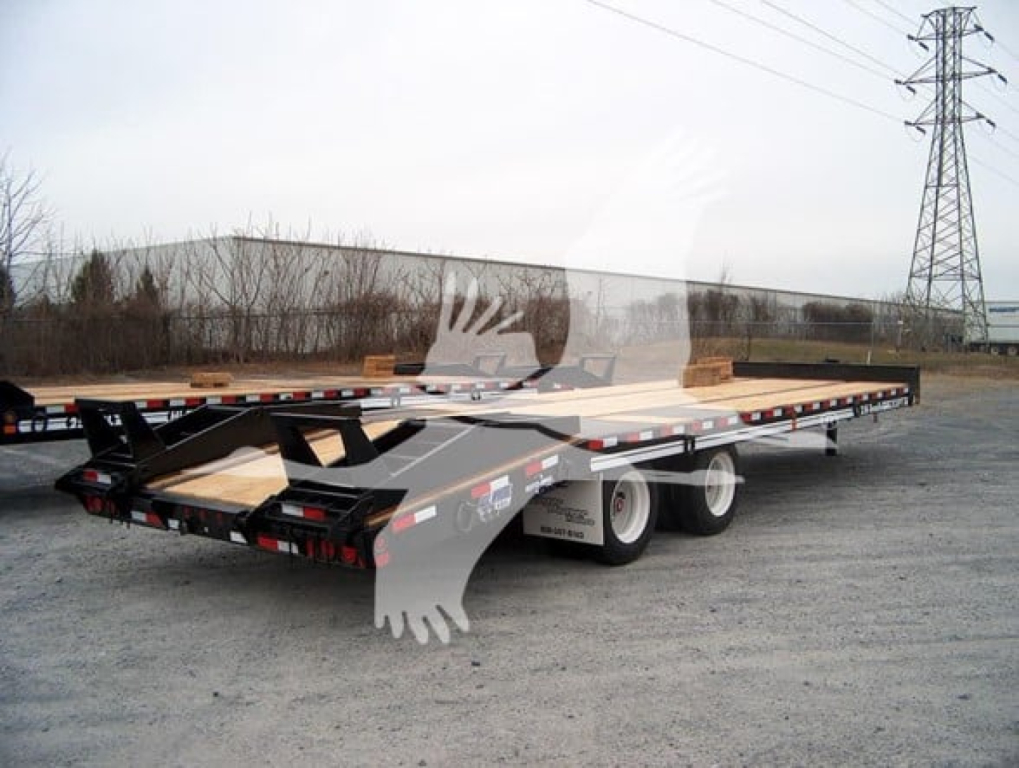
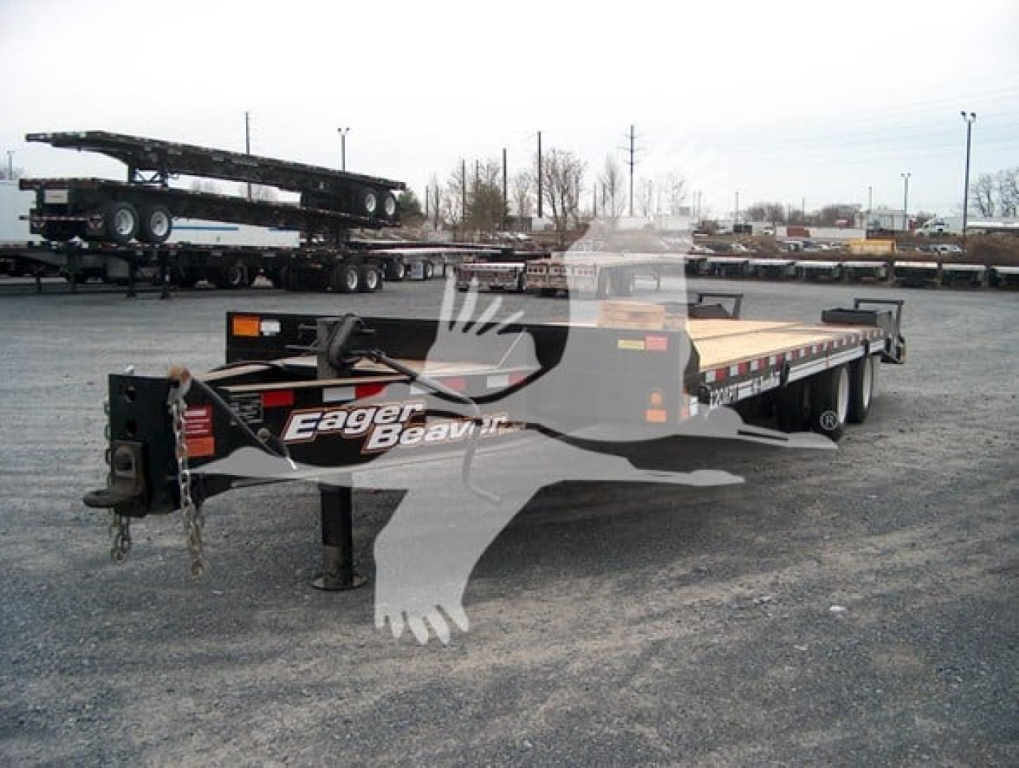
A lot of buying decisions in this category come down to deck layout and rated capacity. Common Eager Beaver tag trailers in this group fall around 20 ton to 25 ton ratings with 102-inch overall width, flat main decks in the low-to-mid 20-foot range, 6-foot beavertails, and steel ramps sized to the trailer’s capacity. Main deck heights around 34 inches help keep the loading angle manageable for rubber-tired equipment, compact track loaders, and attachment packages. Features such as full-width steel bulkheads, multiple pairs of D-rings, steel side rails, adjustable pintle eyes, and lockable toolbox areas are the kind of details buyers should compare closely because they affect securement speed and day-to-day convenience.
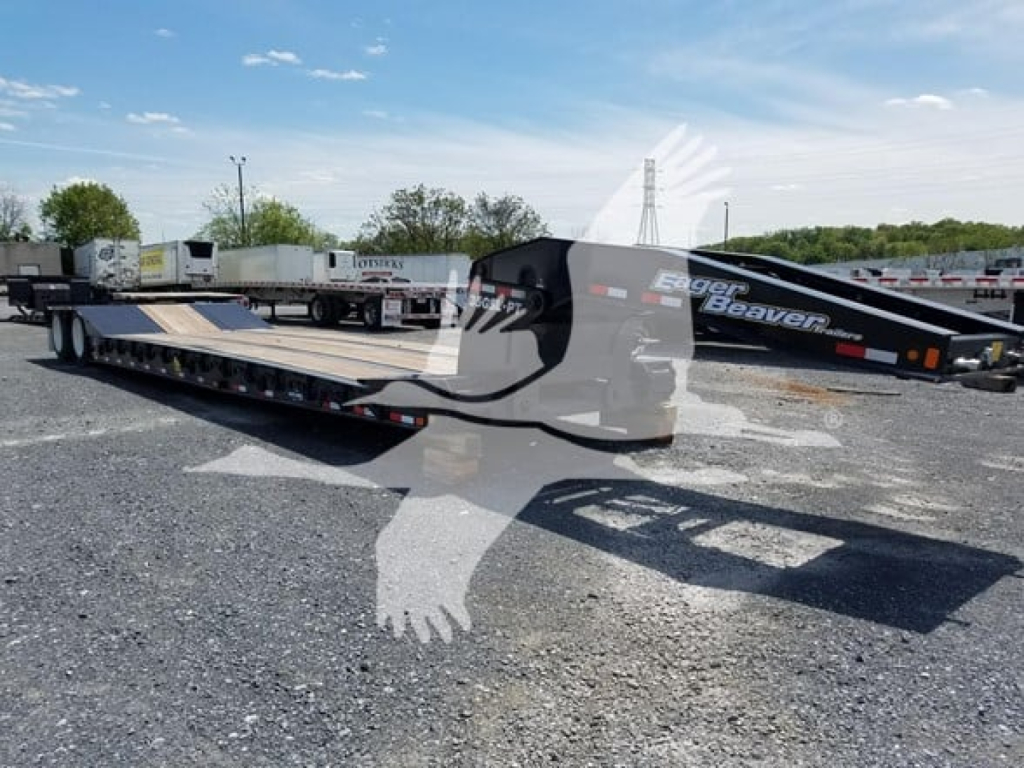
If the work involves taller or heavier machinery, an Eager Beaver lowboy or detachable gooseneck trailer may be the better fit. Models in the 35 ton class commonly use a lower loaded deck height, hydraulic detachable gooseneck, air ride suspension, and concentrated securement hardware such as ROTO-style D-rings, outriggers, and perimeter frame construction. A lower deck helps with legal height and machine stability, while a detachable neck simplifies loading for tracked equipment, paving machines, and other units that are not ideal for steep ramp angles. Buyers should pay attention to deck length, top deck length, swing clearance, kingpin setting, axle spacing, and whether the suspension offers raise-and-lower or dump functions for easier loading and unloading.
Flooring, suspension, and brake configuration also deserve a close look on new Eager Beaver trailers. Apitong decking is common because it stands up well to concentrated equipment loads, and some builds use mixed wood layouts or mesh-center sections depending on intended use. Spring ride suspensions are typical on tag trailers for simplicity and lower maintenance, while air ride is more common on lowboys where ride quality and deck control matter more. ABS, spring brakes on all axles, lift axle setups on some higher-capacity tag trailers, and commercial tire sizes like 215/75R17.5 or 255/70R22.5 are all part of the spec sheet that affects operating cost and legal compliance. For buyers comparing new Eager Beaver trailers for sale in Pennsylvania, the smart approach is to match the trailer’s rated capacity, deck geometry, hitch style, and securement package to the heaviest machine and most frequent hauling pattern in the fleet.
Frequently Asked Questions
What are Eager Beaver trailers commonly used for?
Eager Beaver trailers are commonly used to haul construction and industrial equipment such as skid steers, mini excavators, compact track loaders, rollers, backhoes, and paving equipment. Tag trailers are popular for daily local moves behind tandem and tri-axle trucks, while lowboy and detachable gooseneck models are better suited for taller, heavier, or tracked machines that need a lower deck height and easier loading approach.
What is the difference between an Eager Beaver tag trailer and an Eager Beaver lowboy?
An Eager Beaver tag trailer, also called a tag-along trailer, typically connects with a pintle hitch and uses a beavertail with ramps for loading. It is a strong choice for medium-duty equipment moves and straightforward fleet operation. An Eager Beaver lowboy usually has a much lower deck and may use a detachable gooseneck, which improves loading for heavier or taller machines and helps manage overall loaded height. The lowboy is generally the better option when machine weight, track equipment, or legal height are bigger concerns.
What capacity should I look for in a new Eager Beaver trailer?
The right capacity depends on the actual operating weight of the equipment, including attachments, fuel, buckets, thumbs, breakers, or other mounted tools. Many buyers start in the 20 ton to 25 ton range for general contractor and rental fleet work, while heavier paving and earthmoving applications may push the need toward a 35 ton lowboy. It is smart to leave margin above the machine’s published weight so the trailer is not operating at its limit on every trip.
Why is deck height important when choosing a heavy equipment trailer?
Deck height affects loading angle, loaded center of gravity, and overall legal transport height. A tag trailer with a moderate deck height and beavertail can work very well for wheeled and compact equipment, but a lower deck lowboy is often the better choice for taller machinery or machines with limited ground clearance. Lower deck height can also improve stability and make loading safer for tracked equipment.
What trailer features matter most for daily equipment hauling?
The most important features are usually the ones that affect loading speed, securement, and long-term durability. Buyers should look closely at ramp capacity, beavertail length, D-ring count and placement, floor material such as Apitong, suspension type, brake system, tire size, adjustable hitch or kingpin dimensions, and storage for chains and binders. Those details have a direct impact on how efficiently the trailer works in the field and how well it holds up under repeated jobsite use.