
New Eager Beaver Flatbed Trailers For Sale in Pennsylvania
Have new eager beaver flatbed trailer to sell? List it here to reach thousands of buyers.
New Eager Beaver Flatbed Trailers in Pennsylvania
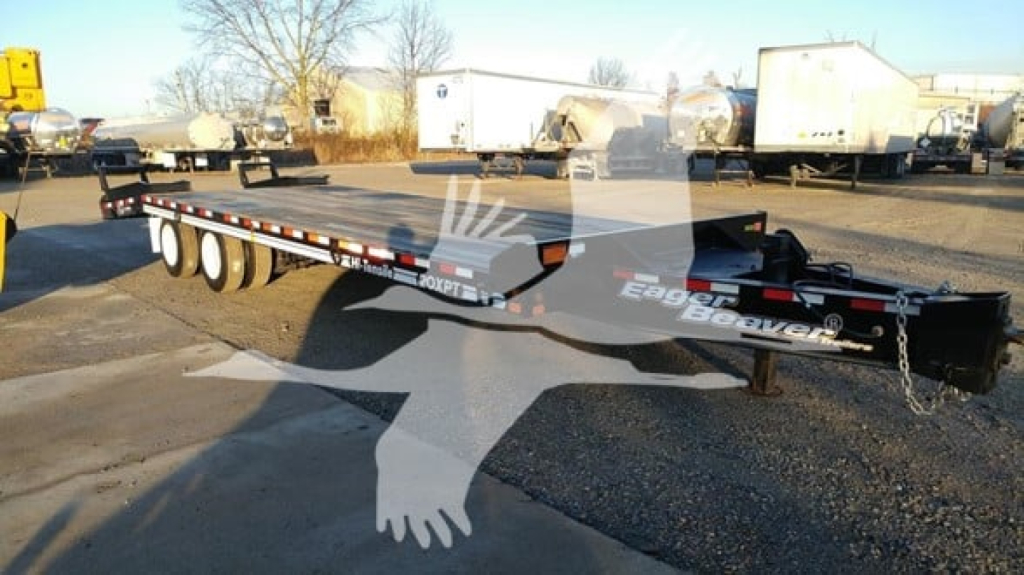
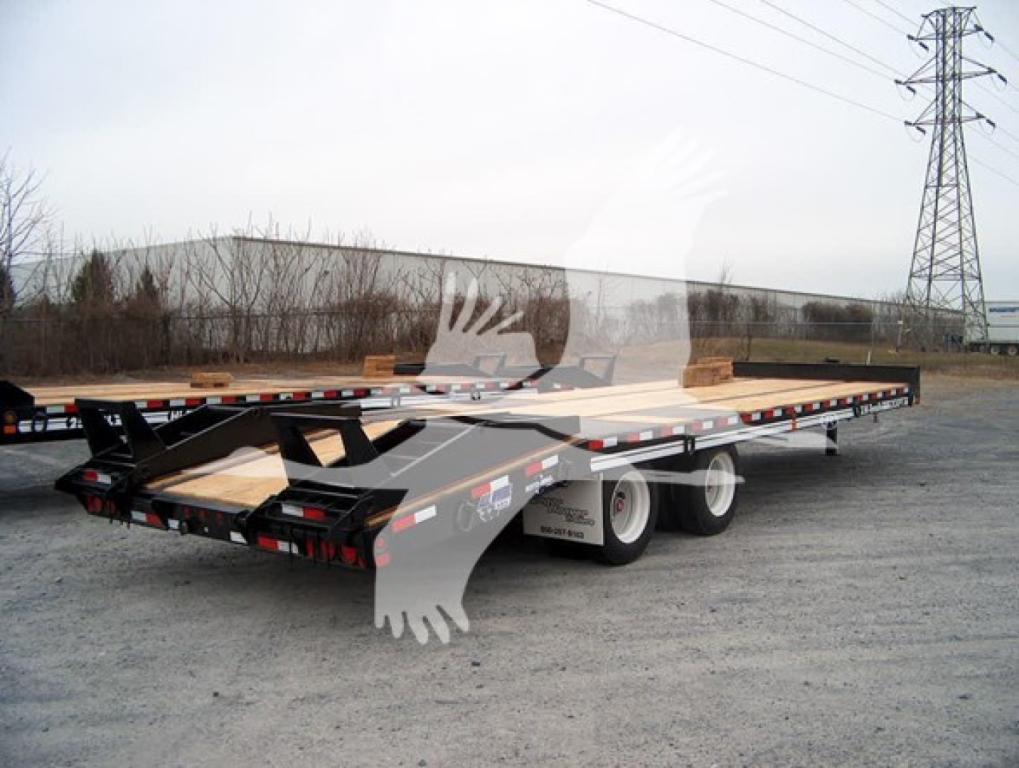
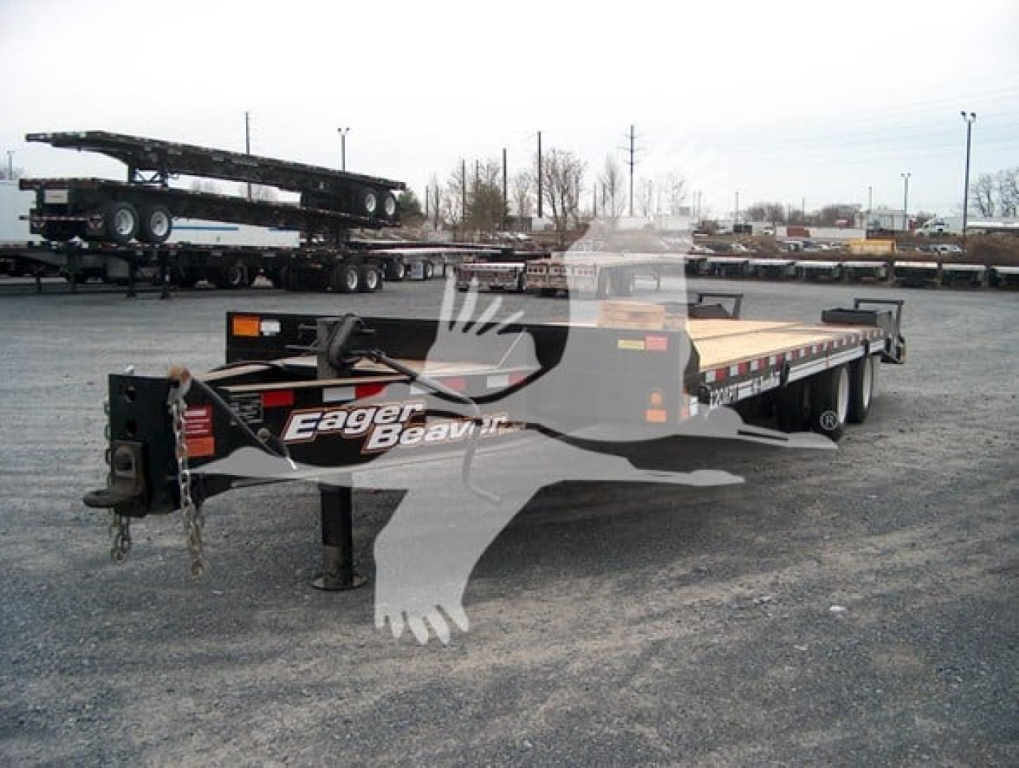
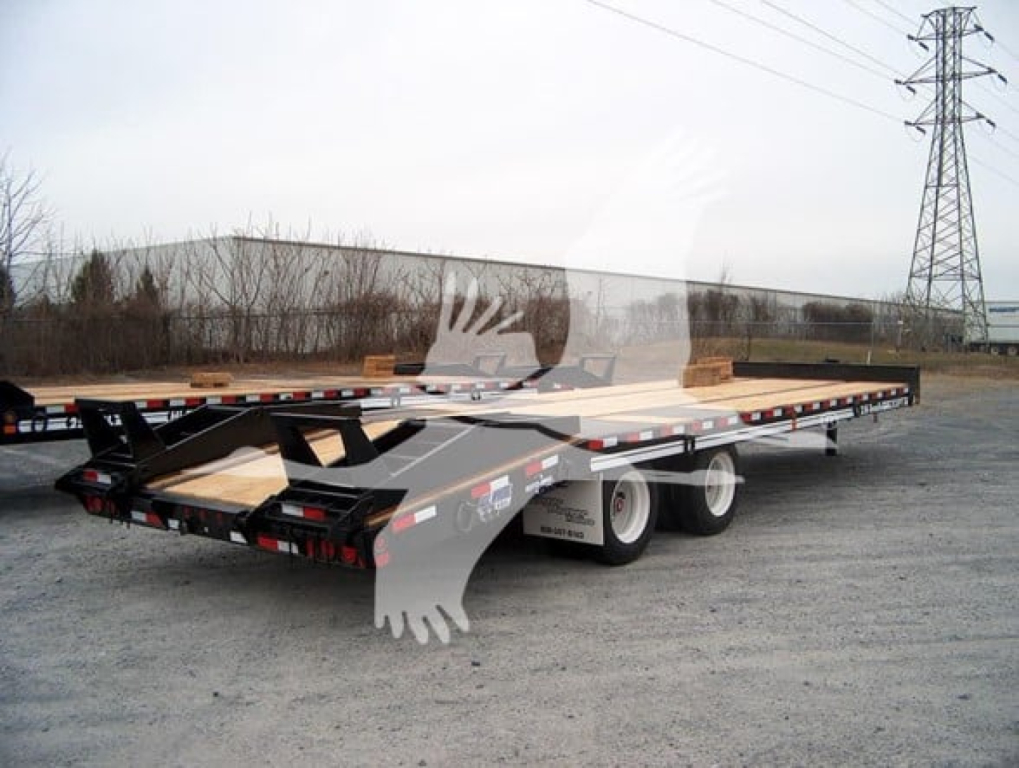
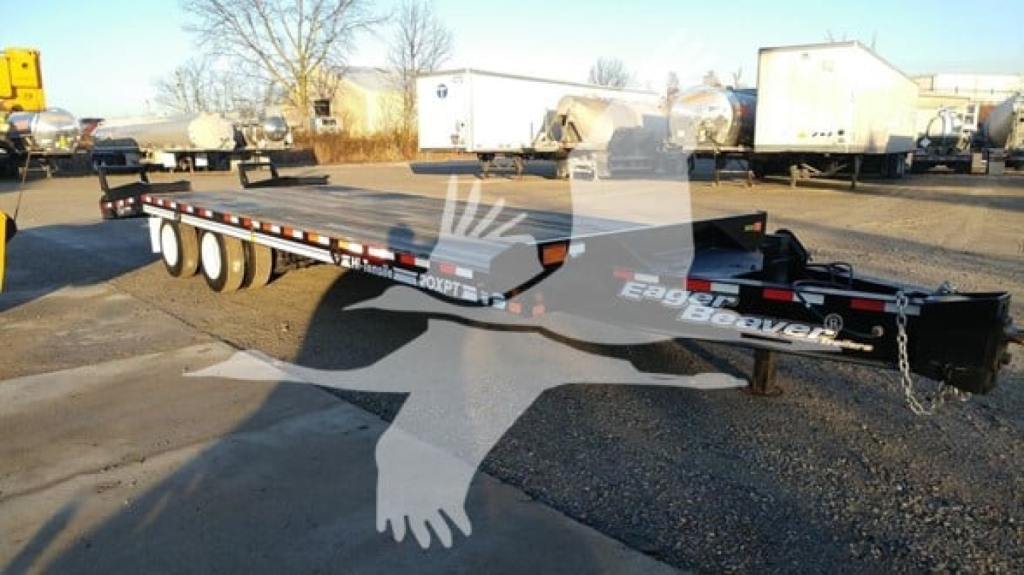
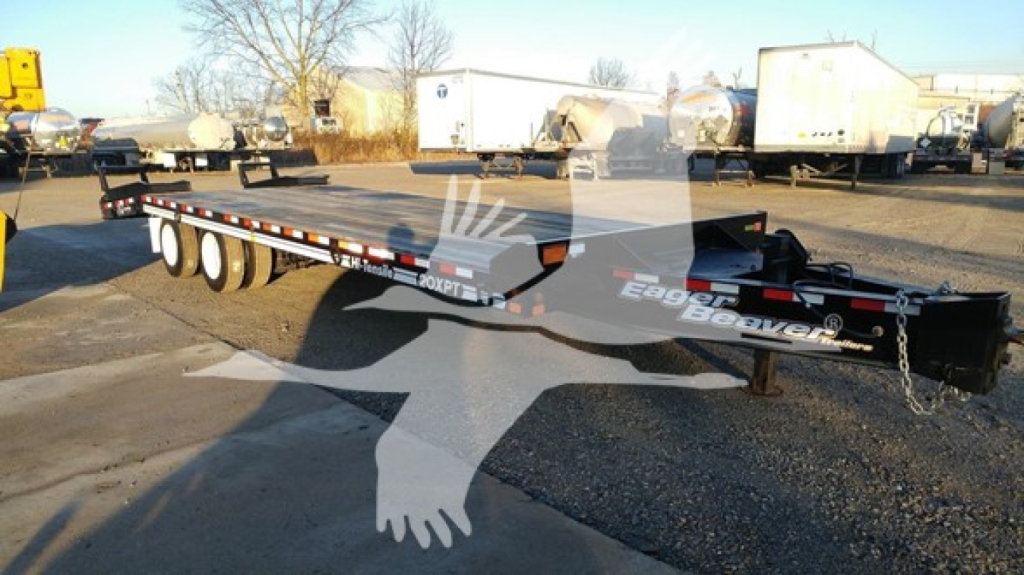
A common setup in this class is a 102-inch wide tandem-axle flatbed with a steel frame, wood deck, beavertail, and spring ride suspension. Buyers often compare deck length versus usable flat deck space, especially when hauling skid steers, mini excavators, telehandlers, compact tractors, or attachments that need room for buckets and implements. Features like a full-width steel bulkhead, multiple pairs of D-rings, adjustable pintle eye height, and 20-ton ramps matter because they directly affect loading safety and securement flexibility. A lower deck height and moderate beavertail angle can make a noticeable difference when loading low-clearance equipment.
Floor material and underbody details deserve close attention. Apitong and other hardwood deck surfaces generally hold up better than softer lumber under tracked and wheeled equipment, while steel side rails and reinforced crossmembers help the trailer resist twist when loads are not perfectly centered. On new flatbed trailers in Pennsylvania, suspension type is also worth evaluating based on route conditions and maintenance priorities. Spring ride remains popular for its simplicity and serviceability, especially in vocational use. Tire size, wheel rating, ABS configuration, brake setup, and landing gear design should all be reviewed as operating items, not just spec sheet entries, because they affect uptime, parts availability, and how the trailer behaves when loaded near capacity.
For Pennsylvania buyers, road weight compliance, bridge-heavy routes, and seasonal jobsite conditions can influence trailer choice as much as payload rating. A trailer rated at 20 tons may be ideal for compact and mid-size equipment, but the right fit still depends on machine operating weight, attachment weight, securement plan, and tongue load on the towing unit. New Eager Beaver flatbed trailers appeal to buyers who want a purpose-built hauling platform without unnecessary complexity. If the work involves repeated loading, short-haul equipment transport, and rugged jobsite use, this category offers the combination of deck accessibility, structural strength, and serviceable running gear that most vocational fleets look for.
Frequently Asked Questions about New Eager Beaver Flatbed Trailers in Pennsylvania
What are new Eager Beaver flatbed trailers typically used for?
New Eager Beaver flatbed trailers are commonly used for hauling construction equipment, compact machinery, attachments, building materials, and other heavy vocational loads. Many buyers use them for skid steers, mini excavators, tractors, rollers, and similar machines that need a strong deck, dependable ramps, and multiple securement points. They are especially popular in contractor, municipal, rental, and utility applications where repeated loading and unloading is part of daily work.
What specs matter most when buying a flatbed equipment trailer?
The most important specs are payload rating, usable deck length, deck height, axle configuration, ramp capacity, and hitch style. Buyers should also look closely at beavertail angle, floor material, D-ring placement, suspension type, brake system, and tire size. These details affect how safely the trailer loads equipment, how well it secures different machines, and how it performs over time under real jobsite conditions.
Is a beavertail and ramp setup important on a flatbed trailer?
Yes. A beavertail and ramp combination is one of the most important features for equipment hauling. It reduces the load angle and makes it easier to load low-clearance machines without dragging the frame, mower deck, or attachment. For buyers hauling compact equipment, this can improve safety, speed up loading, and reduce wear on both the trailer and the machine.
Why do many buyers choose wood-deck flatbed trailers with steel frames?
A steel frame with a hardwood deck is a common setup because it balances strength, repairability, and traction. The steel structure provides rigidity and durability, while the wood deck can offer better grip for equipment tracks and tires than smooth steel. Hardwood decking such as Apitong is also valued for wear resistance and service life in heavy-use applications.
What should Pennsylvania buyers consider before choosing a trailer capacity?
Pennsylvania buyers should consider the actual operating weight of the equipment, including buckets, forks, augers, or other attachments, along with tongue weight, brake requirements, and the tow vehicle's legal and practical limits. Local terrain, bridge routes, and seasonal conditions also matter because they affect stability and stopping performance. A trailer's rated capacity is only one part of the equation. The full hauling combination has to match the job safely and legally.