
New Dura Haul Trailers For Sale
Showing 25 to 34 of 34 results
Have new dura haul trailer to sell? List it here to reach thousands of buyers.
New Dura Haul Trailers
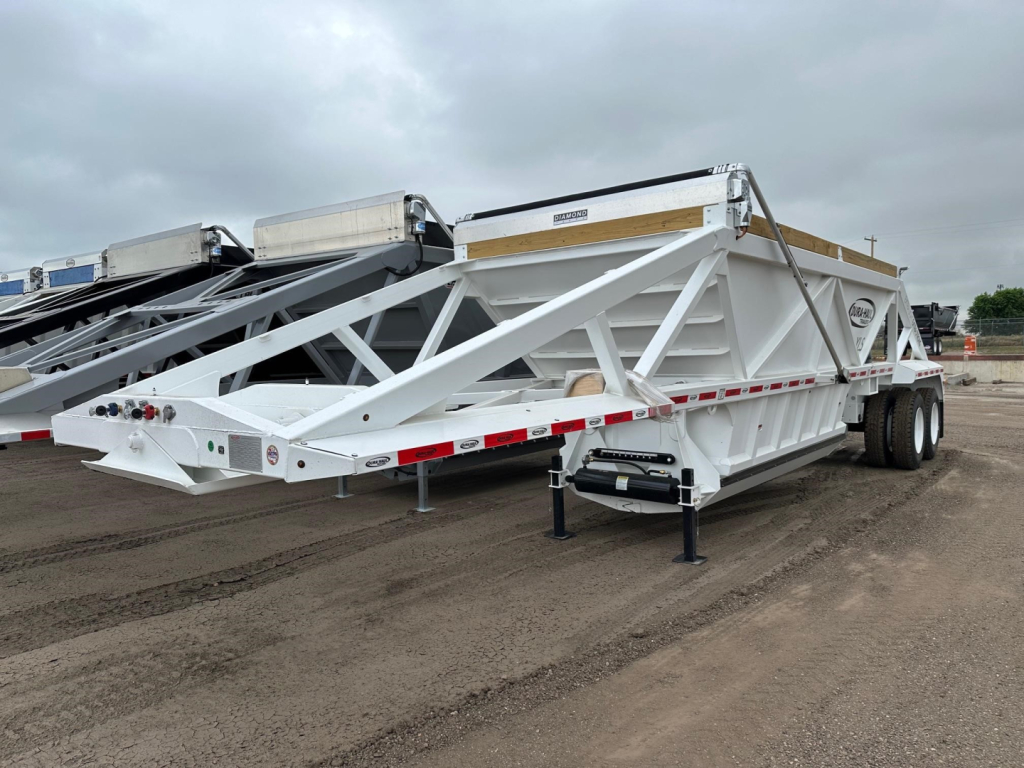
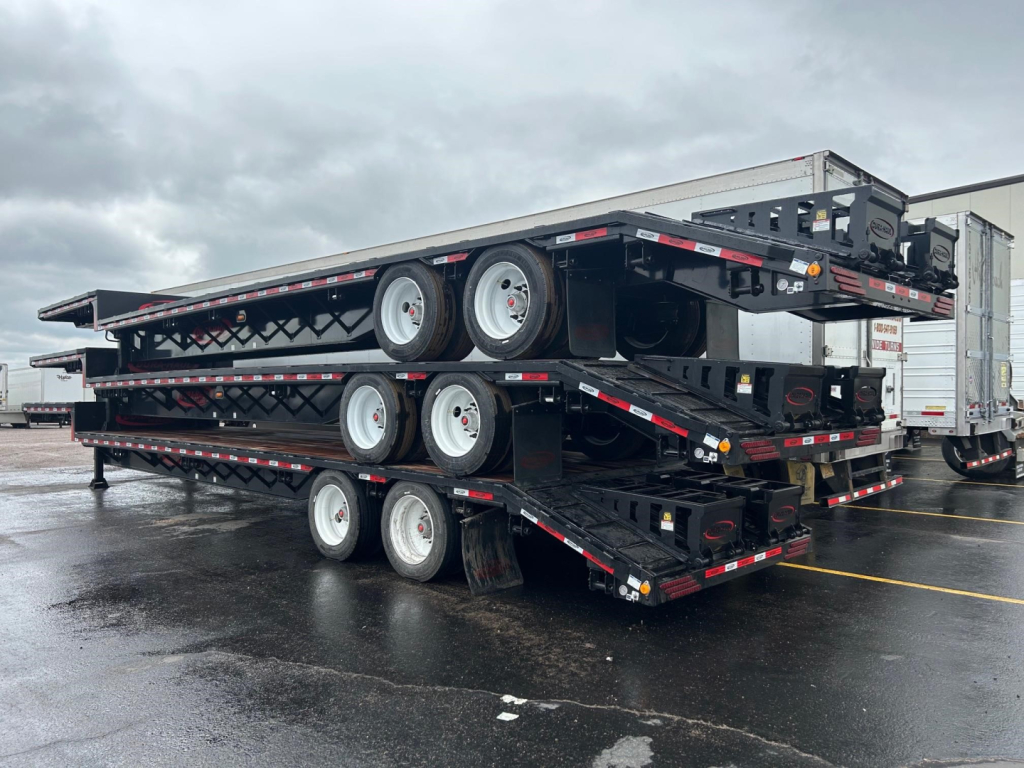
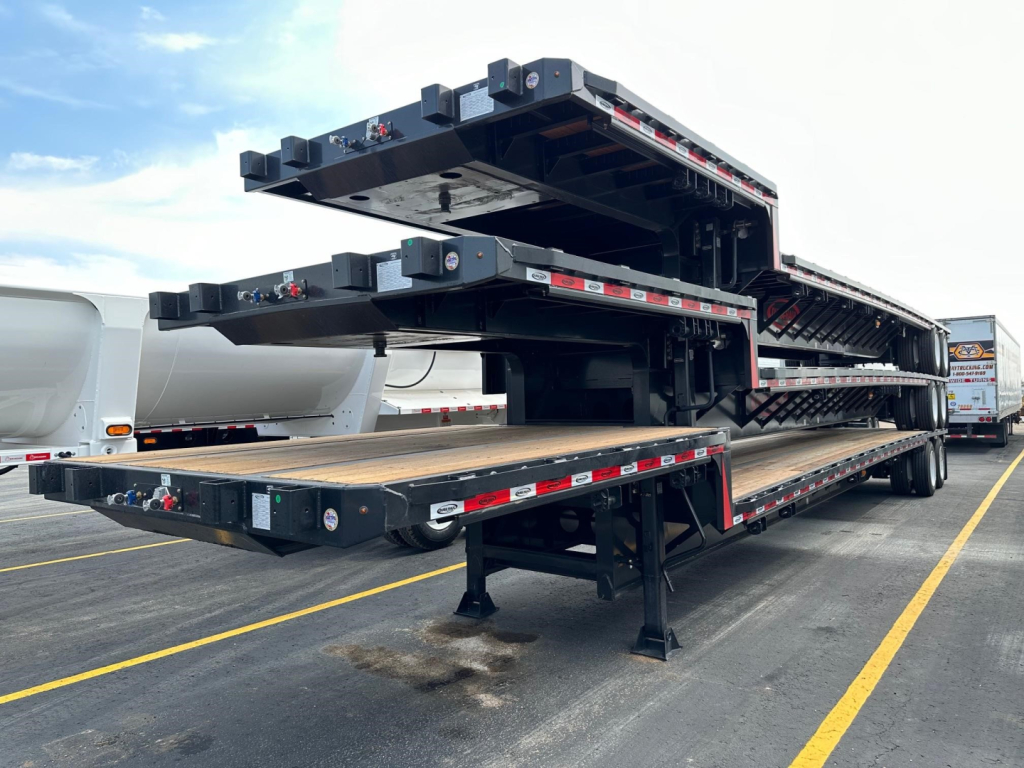
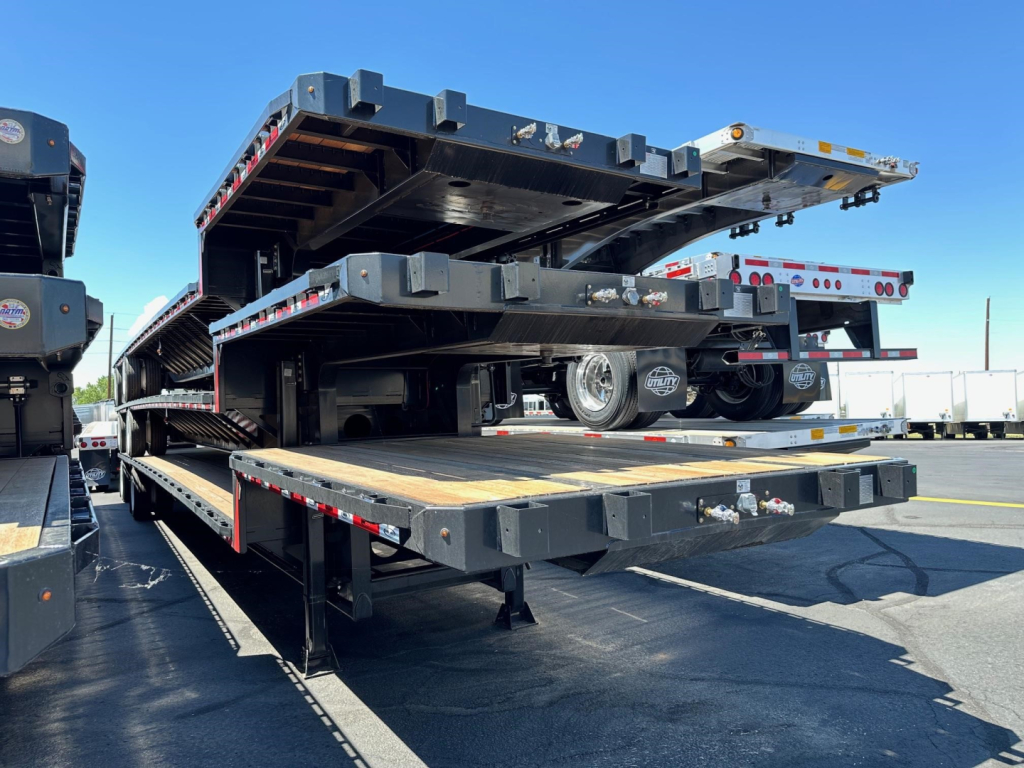
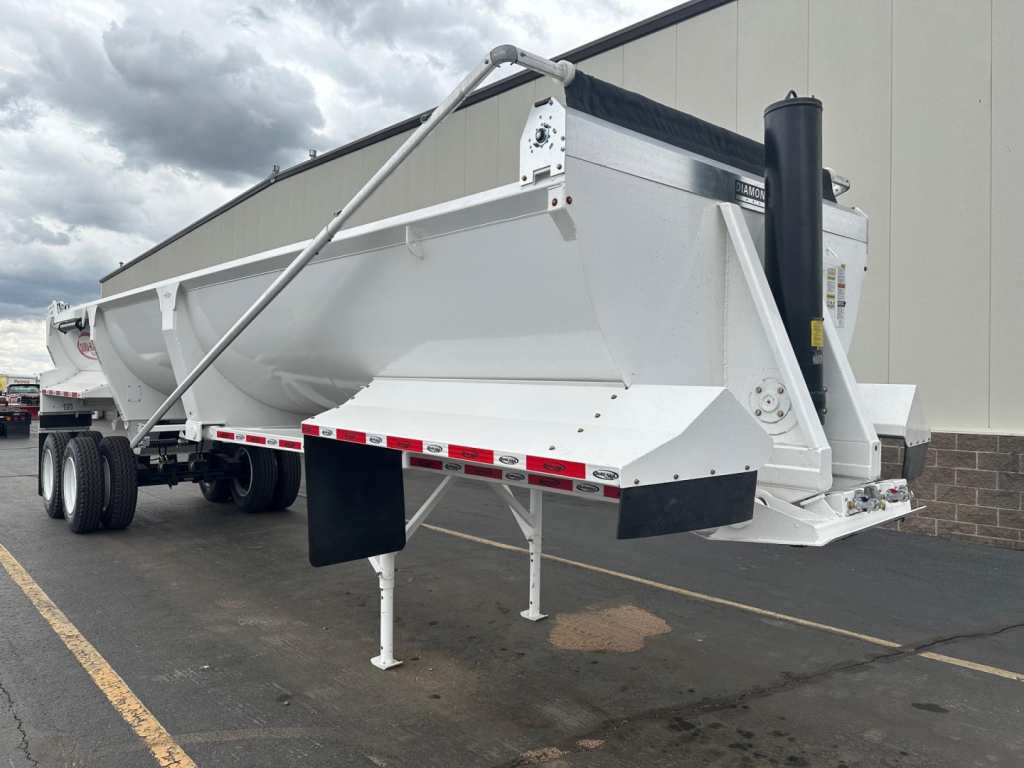
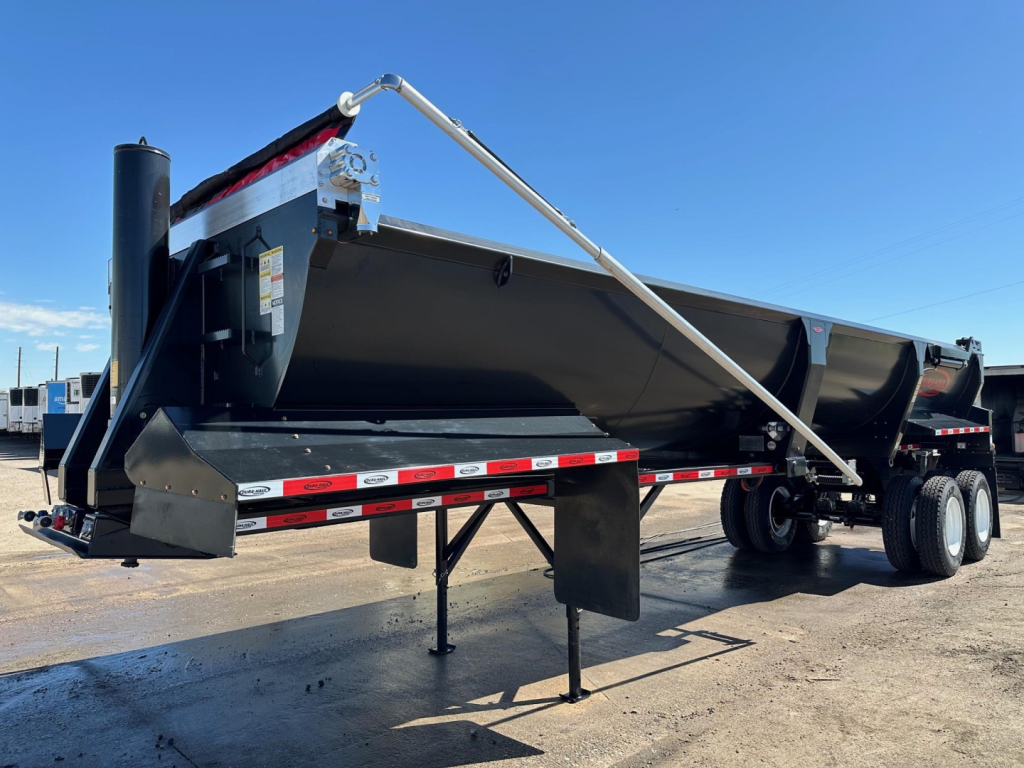
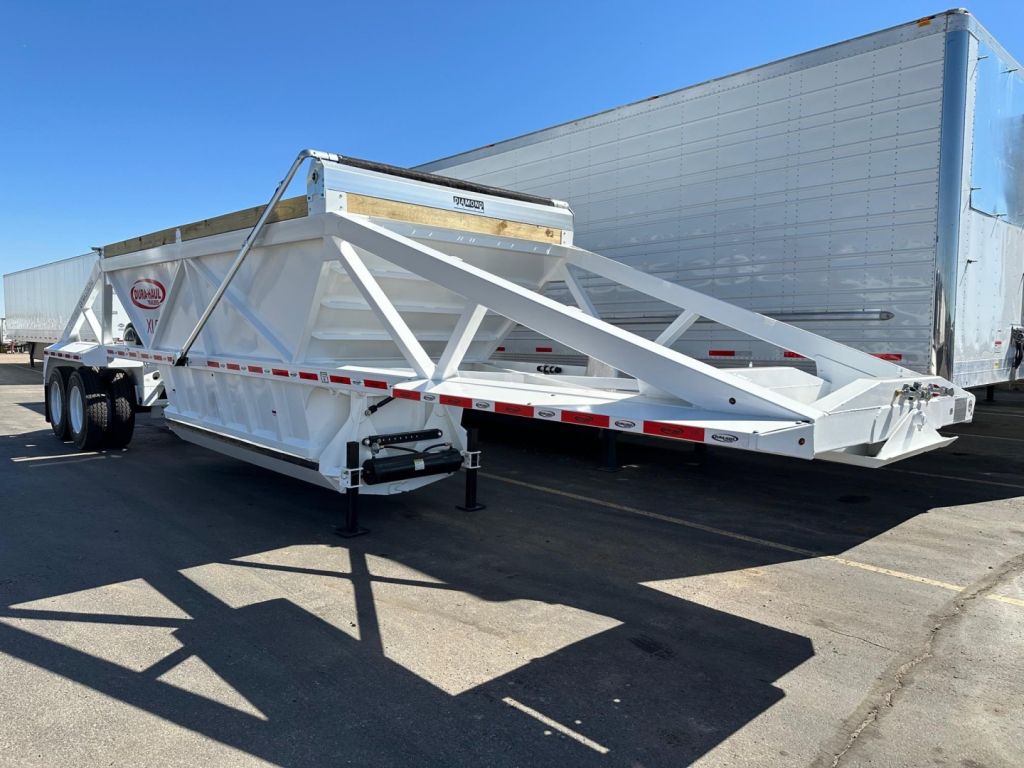
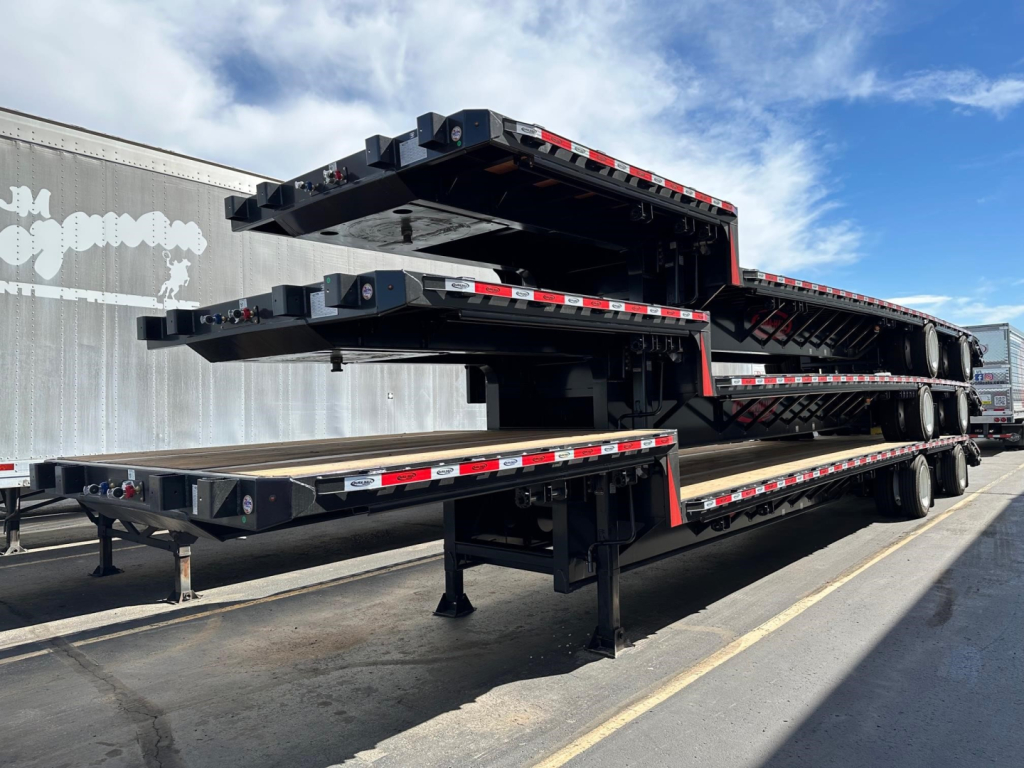
The first buying decision is application. A frameless rock end dump is designed for fast unloading of rock, demolition, and abrasive material, and buyers usually focus on tub material, body shape, gate style, suspension, and overall weight. Half-round tubs in AR450 steel are a common choice for impact resistance and cleaner material flow. Bottom dump trailers, also called belly dumps, suit road base, sand, and asphalt-related work where controlled spreading matters more than vertical dump clearance. On these trailers, gate control, hopper layout, windrow management, and tarp system are usually more important than body style alone. If the work is machinery, palletized freight, or crane support, a steel drop deck or beavertail trailer shifts the conversation toward deck length, lower deck space, ramp configuration, tie-down layout, and axle spread.
Spec details make a real difference in daily use. Air ride suspension helps protect cargo and improves ride quality on drop decks, while single-point or heavy-duty suspension packages on dump trailers are often selected for severe-service conditions. Tire sizes such as 11R24.5 on dump models and 255/70R22.5 on drop decks are common vocational fits, and all-steel wheels remain popular for durability and serviceability. Buyers hauling equipment should look closely at beavertail angle, flip ramps, concentrated load rating, crossmember spacing, and kingpin setting, especially if the trailer will see mixed tractor wheelbases or strict bridge-law conditions. For material trailers, practical items like electric tarp systems, fenders, mudflaps, ladder placement, push blocks, dump valve controls, and LED lighting packages affect uptime more than they might seem on paper.
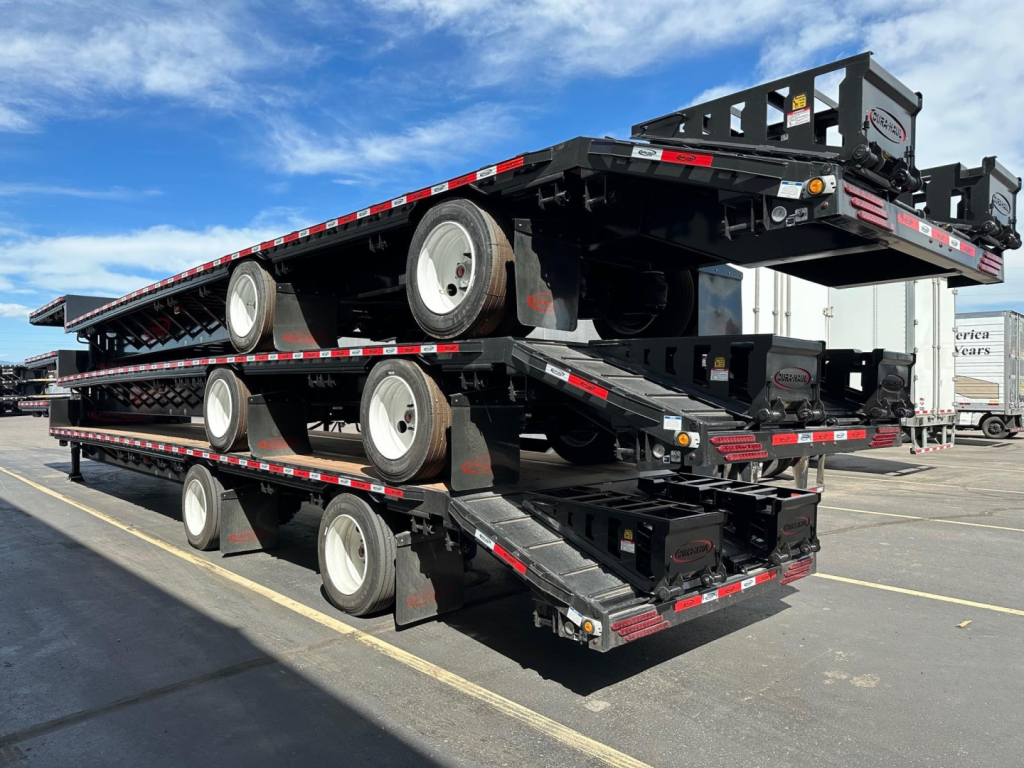
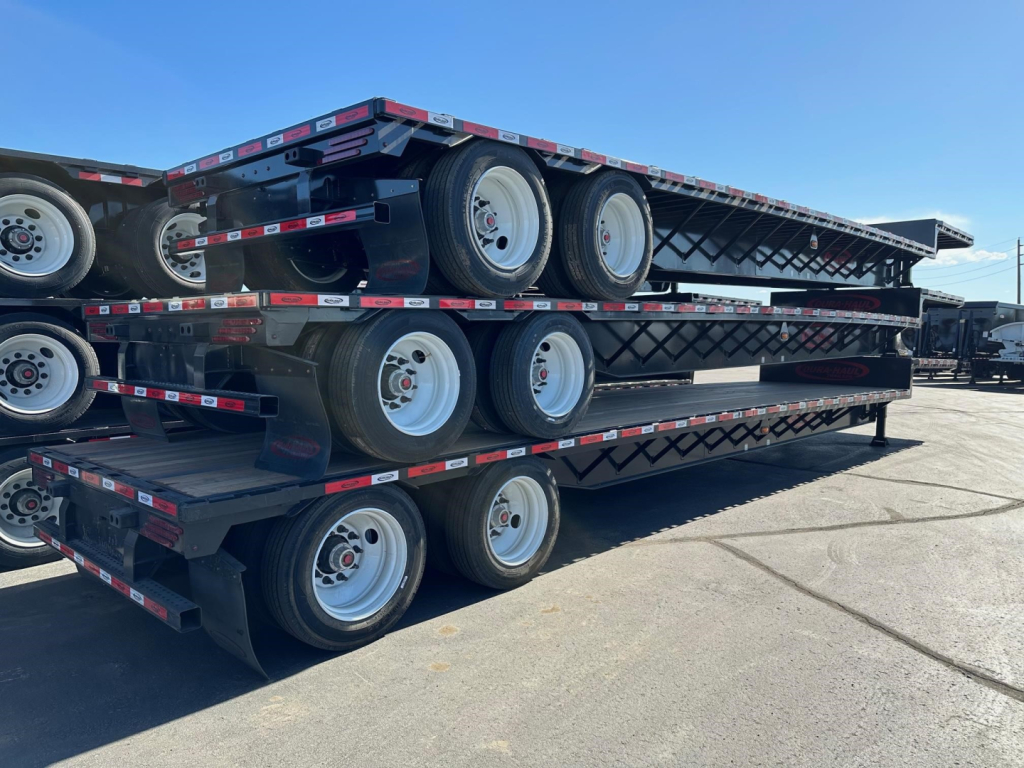
Dura Haul trailers generally appeal to fleets and owner-operators that want conventional specs and rugged layouts without unnecessary complexity. A 53-foot drop deck with winches and Apitong floor is a good fit for steel, machinery, and building materials. A 48-foot beavertail trailer works well for skid steers, compact excavators, and support equipment that need easy loading angles. A 34-foot frameless end dump or 40-foot bottom dump fits aggregate and road-building operations where payload, discharge control, and body durability drive profitability. When comparing listings, focus less on model name alone and more on the trailer's exact frame design, axle placement, suspension, gate configuration, and deck or tub material, because those choices determine how well the trailer matches the work.
Frequently Asked Questions about New Dura Haul Trailers
What types of trailers does Dura Haul commonly build?
Dura Haul is commonly seen in vocational trailer segments such as end dumps, bottom dumps, fixed drop decks, and beavertail drop deck trailers. These trailers are typically built for construction, aggregate, road-building, equipment hauling, and general heavy-duty freight work. The exact configuration matters more than the brand name by itself, so buyers should compare body style, suspension, axle layout, deck or tub material, and cargo securement features.
What is the difference between a Dura Haul end dump and a Dura Haul bottom dump?
An end dump raises the body and discharges material out the rear, making it a common choice for rock, demolition debris, and bulk material that needs full dump clearance. A bottom dump, also called a belly dump, releases material through gates underneath the trailer and is preferred for spreading gravel, sand, and road base in a controlled manner. End dumps are better suited for stockpiling and bulk unloading, while bottom dumps are more specialized for paving and road-construction applications.
What should I look for on a Dura Haul drop deck trailer?
Key details on a Dura Haul drop deck include overall length, upper and lower deck dimensions, kingpin setting, axle spread, crossmember spacing, deck material, and cargo securement equipment. Many buyers also check for Apitong flooring, stake pockets, pipe spools, sliding winches, air ride suspension, and beavertail or ramp options. If the trailer will haul equipment, pay close attention to load angle, deck height, and concentrated load capability rather than looking only at trailer length.
Are Dura Haul trailers typically steel or aluminum?
Many Dura Haul vocational trailers are built with steel construction, especially in dump and heavy-duty drop deck applications where durability and impact resistance matter more than tare weight alone. Steel bodies, steel main beams, and steel wheels are common on severe-service trailers because they hold up well in quarry, demolition, and construction environments. Buyers should still verify the exact body, frame, and floor materials on each listing, since material choice affects payload, repair cost, and service life.
Is air ride suspension important on a Dura Haul trailer?
Air ride suspension is an important feature on many Dura Haul trailers because it can improve ride quality, help protect cargo, and reduce shock transfer to the trailer structure. On drop decks, air ride is often preferred for machinery, building materials, and mixed freight. On dump and bottom dump applications, suspension choice depends more on terrain, load type, and how severe the duty cycle is, so some buyers may prefer heavier-duty vocational suspension systems for rough jobsite conditions.