
New Dura Haul Trailers For Sale in Texas
Shop new Dura Haul trailers for sale in Texas, including drop deck models with air ride, spread or tandem axles, ramps, and heavy-duty specs.
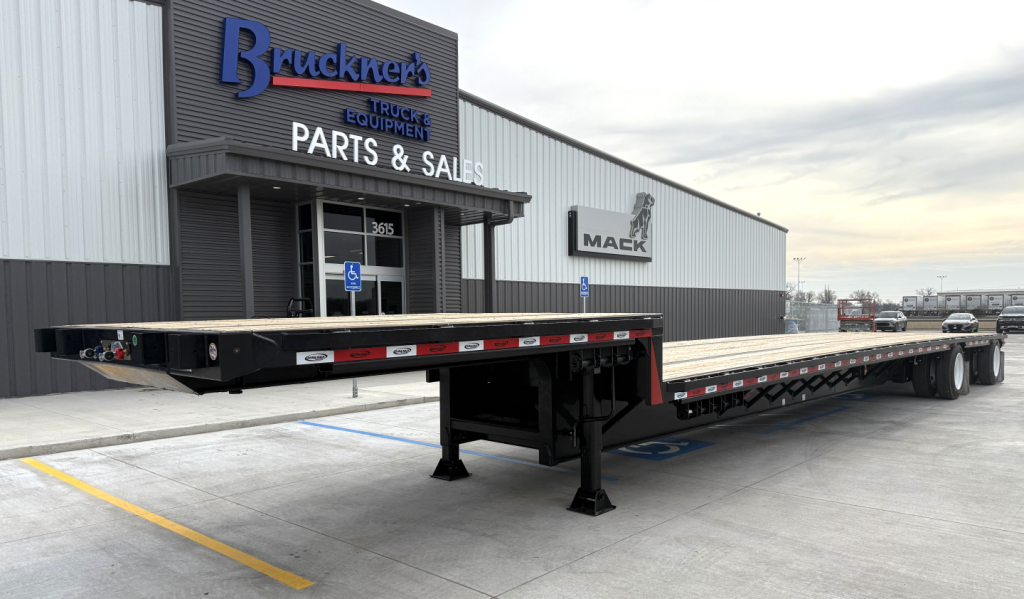
Selling a new dura haul trailer? List your new dura haul trailer for sale and reach thousands of commercial buyers.
New Dura Haul Trailers in Texas
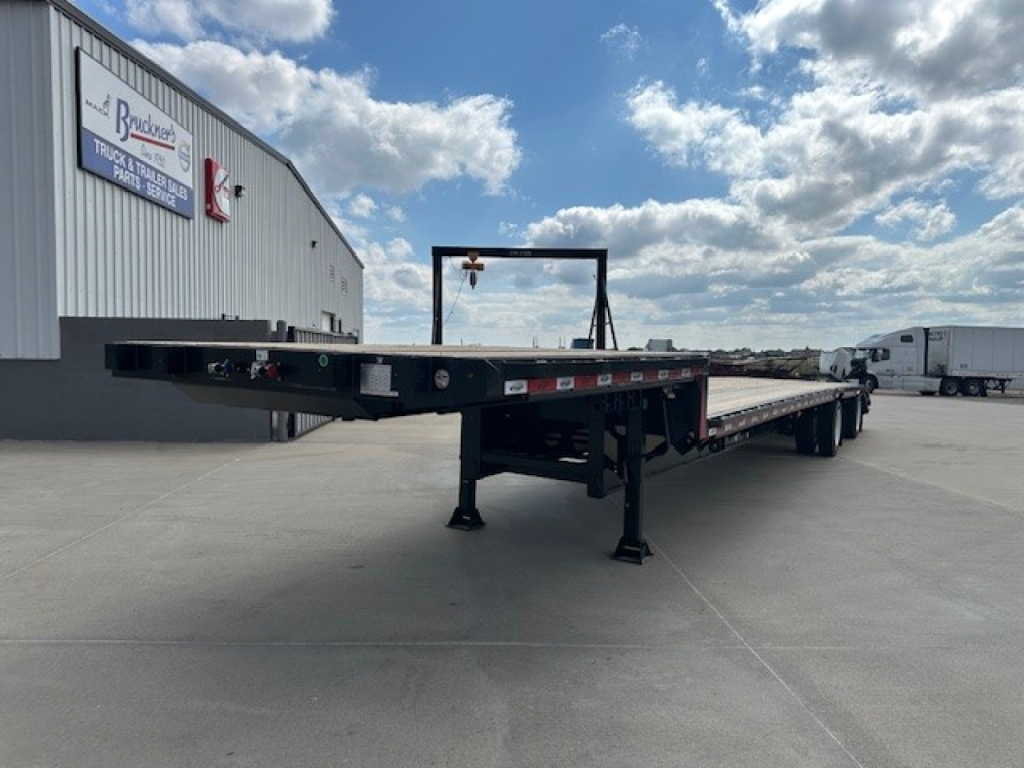
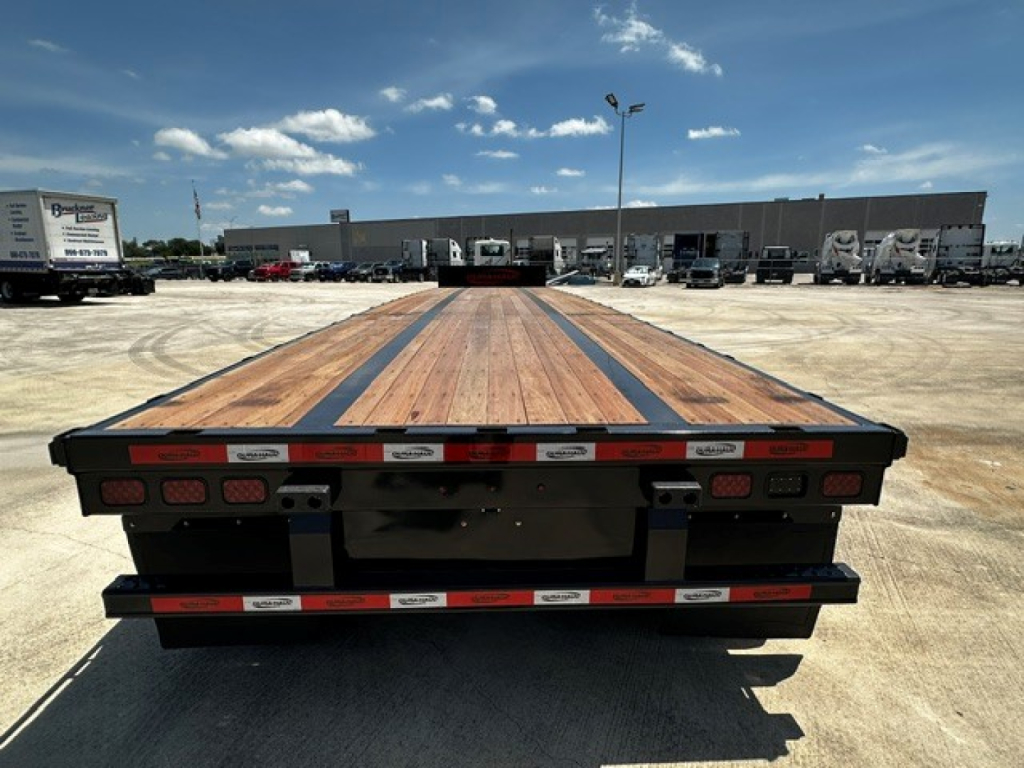
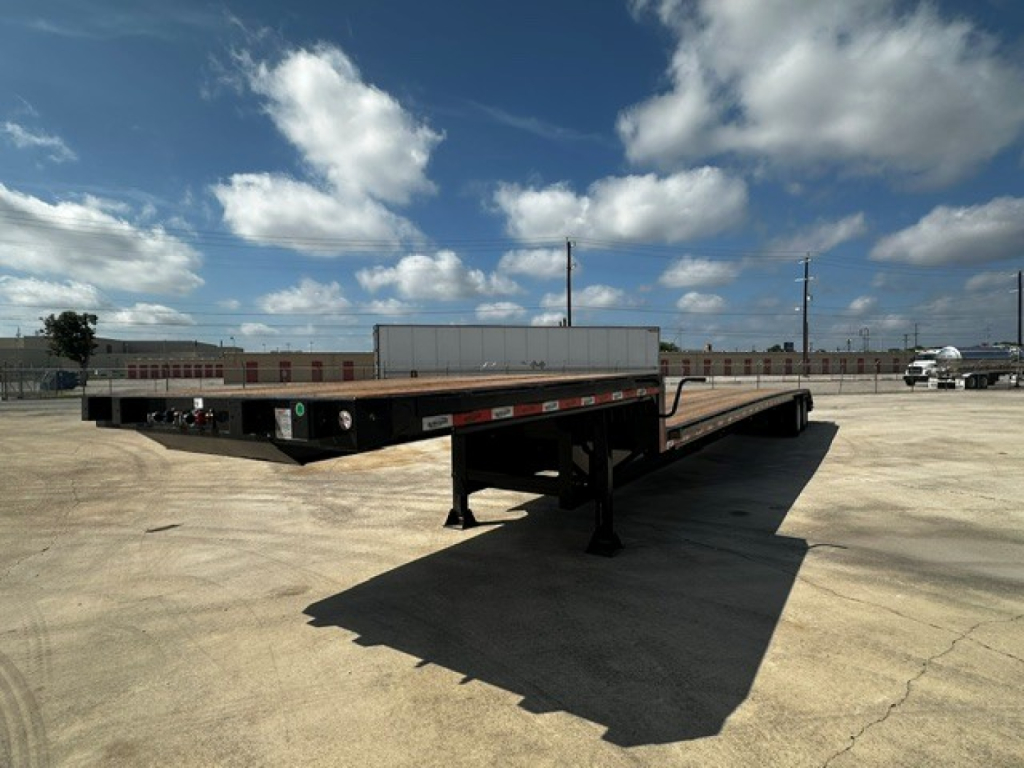
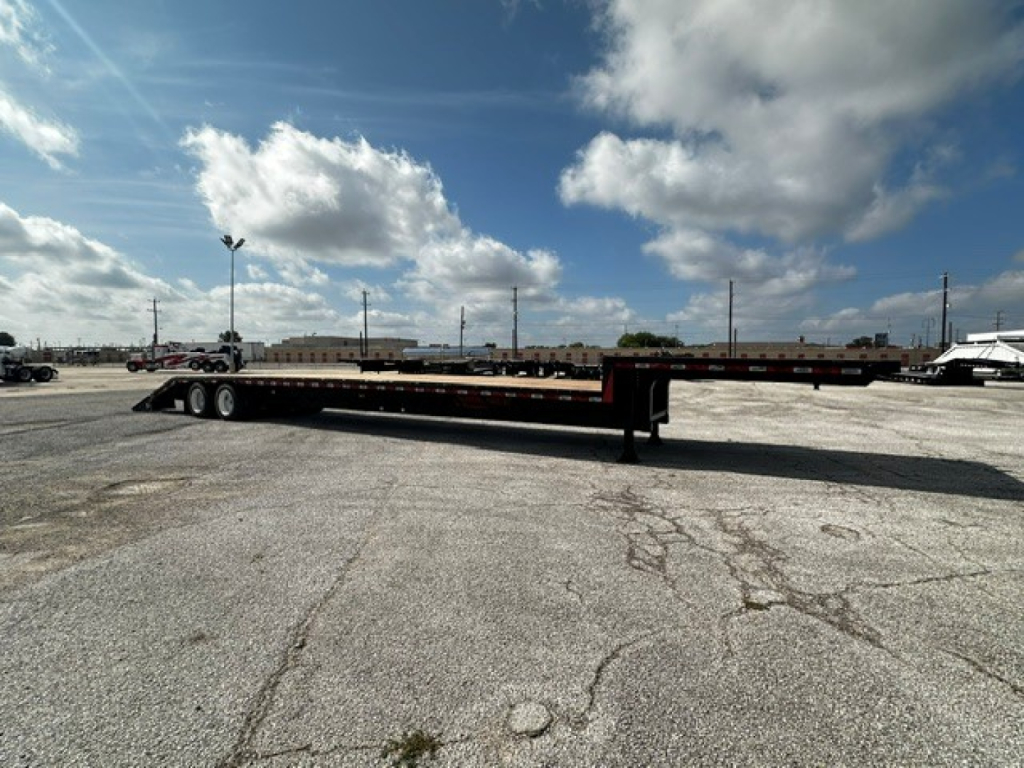
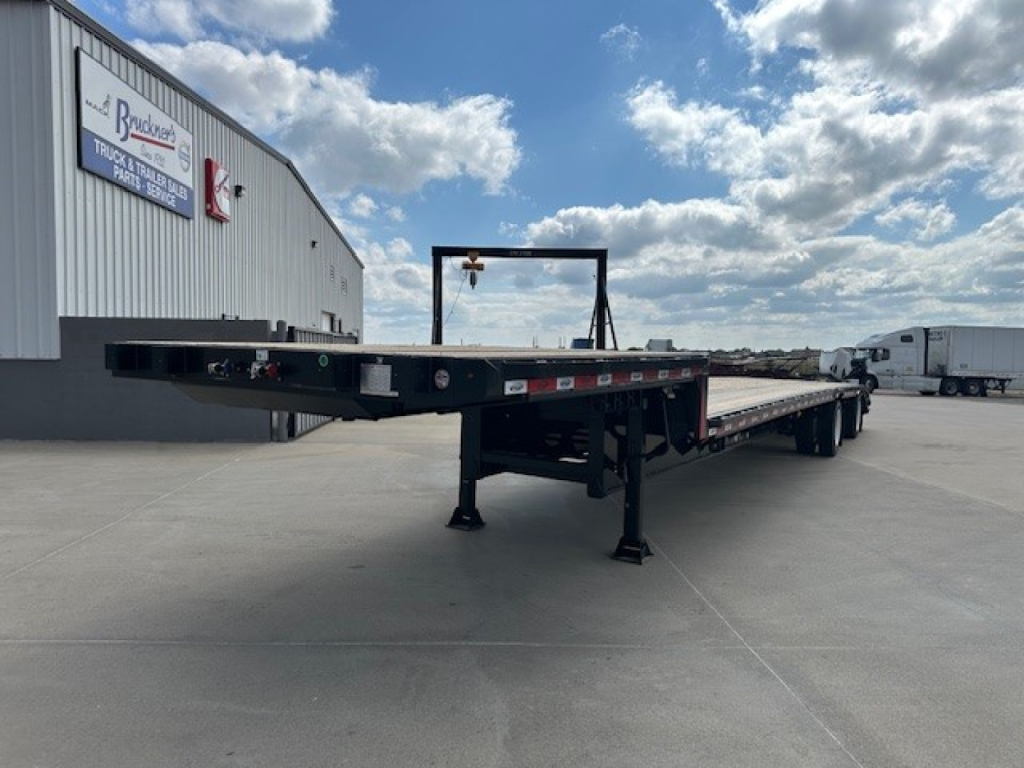
The biggest buying decisions usually come down to axle configuration, deck construction, and rear loading setup. Spread axle versions, commonly around a 122-inch spread, can help with bridge law distribution and are a strong fit for heavier legal loads, though they can be tougher on tire scrub in tight urban work. Closed tandem setups, often around 49 inches, are easier to maneuver and can be a better choice for mixed-route operations with more backing and tighter delivery points. Beavertail and flush-mount spring-assisted ramps add another layer of versatility by making it easier to load forklifts, compact equipment, and low-clearance machines without always needing a dock or separate loading equipment.
On the spec side, buyers should pay attention to crossmember spacing, decking material, suspension, and securement equipment. Dura Haul drop decks in this segment commonly use 12-inch crossmember spacing for improved floor support, along with hardwood decking such as Apitong for durability under concentrated load points. Air ride suspension is a desirable feature for protecting sensitive freight and improving ride quality, and details like a dump valve, liquid-filled air gauge, and heavy-duty two-speed landing gear add day-to-day usability. Tire size and wheel type matter too, with 255/70R22.5 tires and steel wheels being a common vocational spec that balances replacement cost and serviceability.
A buyer comparing new Dura Haul trailers should also look closely at kingpin setting, loaded deck height, ramp design, winch track setup, and how the trailer matches the freight mix. Sliding winches, common on driver-side rail setups, make load securement faster for steel, crated freight, and machinery. If the trailer will spend most of its time in oilfield support, construction supply, or regional heavy-haul support work, spec choices like spread axles, ramp-equipped beavertails, and tighter crossmember spacing can make a measurable difference in uptime and loading efficiency. For operators needing a new drop deck trailer that stays close to core commercial requirements without overcomplicating maintenance, Dura Haul is a practical category to evaluate.
Frequently Asked Questions about New Dura Haul Trailers in Texas
What are the most common specs on a new Dura Haul drop deck trailer?
A common new Dura Haul drop deck spec includes a 53-foot overall length, 102-inch width, an upper deck around 10 feet 6 inches, and a lower deck around 42 feet 6 inches. Many are equipped with air ride suspension, heavy-duty two-speed landing gear, 12-inch crossmember spacing, hardwood decking, sliding winches, and 255/70R22.5 tires on steel wheels. Some units also include a beavertail with flush-mount spring-assisted ramps for equipment loading.
Should I choose a spread axle or a closed tandem Dura Haul trailer?
A spread axle Dura Haul trailer is generally better for buyers focused on weight distribution and heavier legal payloads across longer highway routes. A closed tandem is usually easier to maneuver in tight yards, city deliveries, and job sites where frequent backing is part of the work. The right choice depends on your freight profile, bridge law considerations, and how often the trailer operates in confined areas.
What is a beavertail ramp setup good for on a Dura Haul trailer?
A beavertail with ramps makes a drop deck more useful for loading forklifts, skid steers, small construction equipment, and other wheeled or tracked machinery. It reduces dependence on loading docks and can speed up field loading on jobsites or customer locations. Buyers hauling mixed freight often value this setup because it expands the trailer's usable applications beyond standard palletized freight.
Why does crossmember spacing matter on a new drop deck trailer?
Crossmember spacing affects floor strength and long-term durability. A tighter pattern, such as 12-inch centers, provides better support for concentrated loads, repeated forklift traffic, and heavier cargo with smaller contact points. For buyers hauling machinery, dense building materials, or industrial freight, closer crossmember spacing can help reduce floor fatigue and improve trailer service life.
Is air ride suspension worth it on a Dura Haul drop deck?
Air ride suspension is a strong choice for most drop deck operations because it improves ride quality and helps protect both freight and trailer structure from harsh road shock. It is especially useful when hauling machinery, crated products, or cargo that is sensitive to vibration. Air ride also adds practical features such as dump valves for loading and unloading, which can improve ramp angle and dock approach in certain situations.