
New Dura Haul Drop Deck Trailers For Sale in Texas
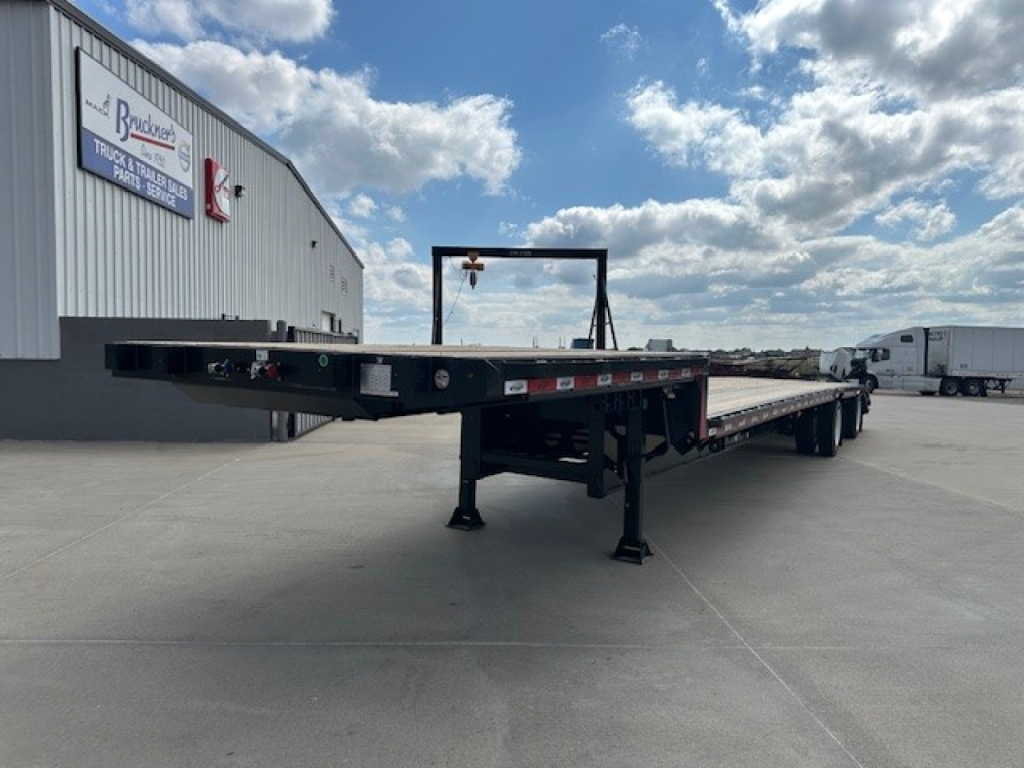
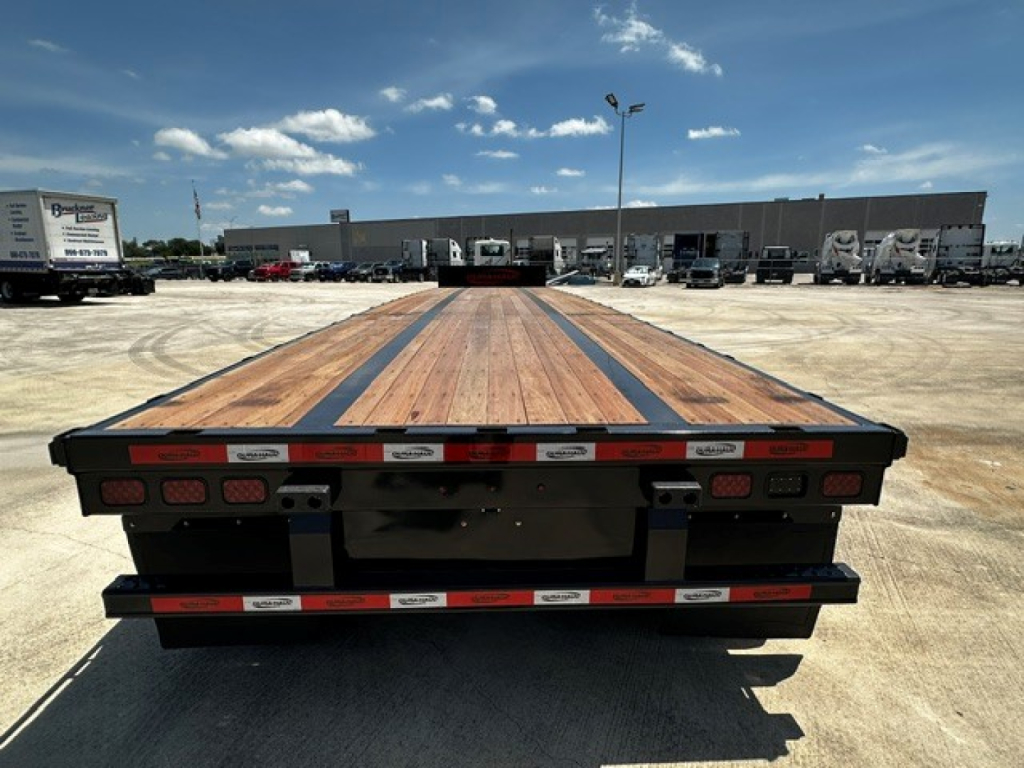
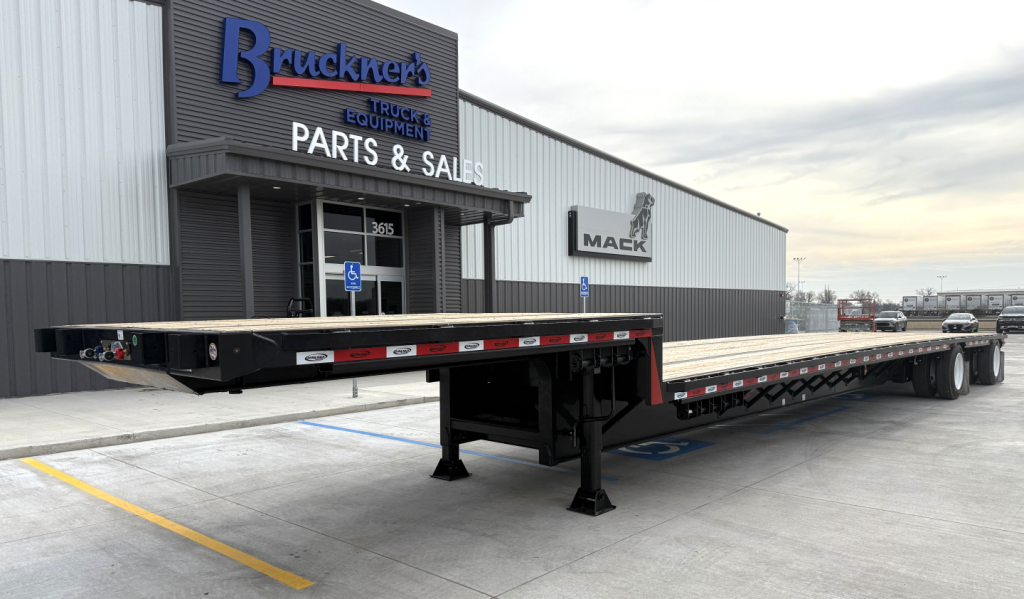
New Dura Haul drop deck trailers for sale in Texas, including 48' and 53' models with air ride, spread axles, beavertails, ramps, and Apitong decking.
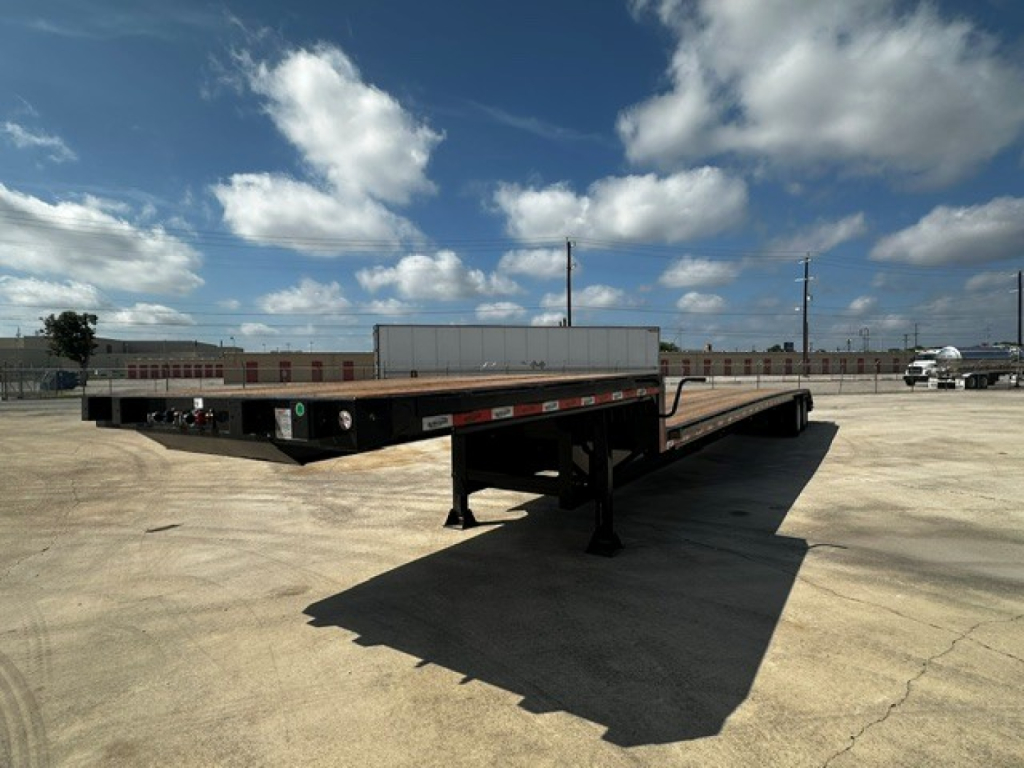
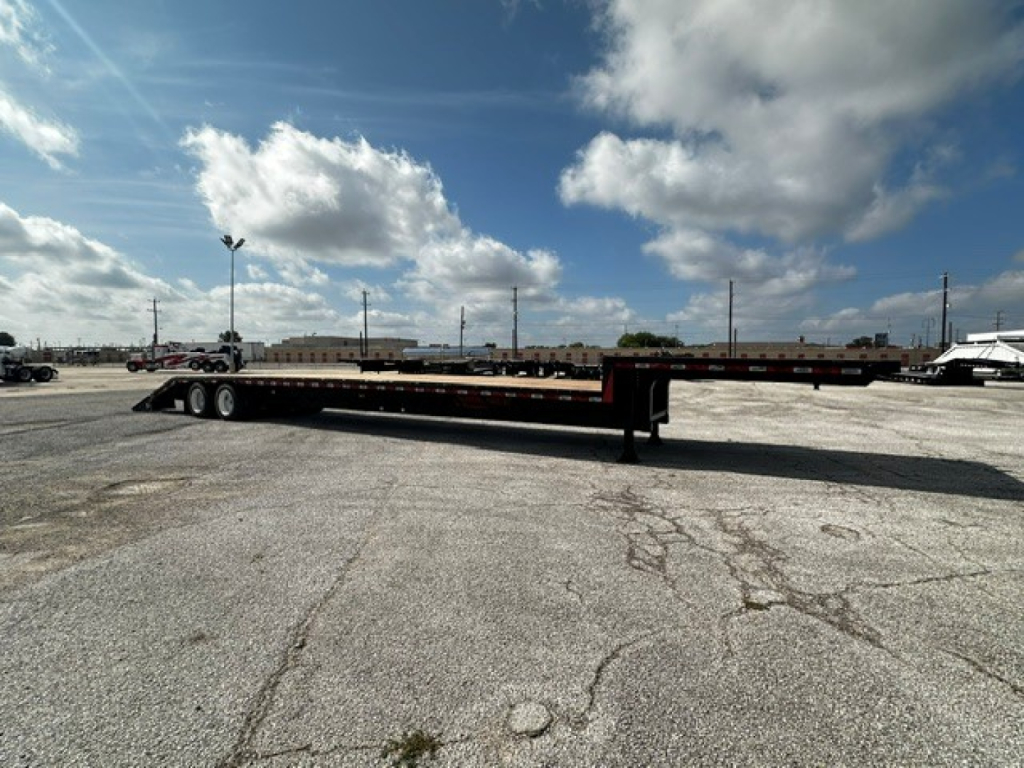
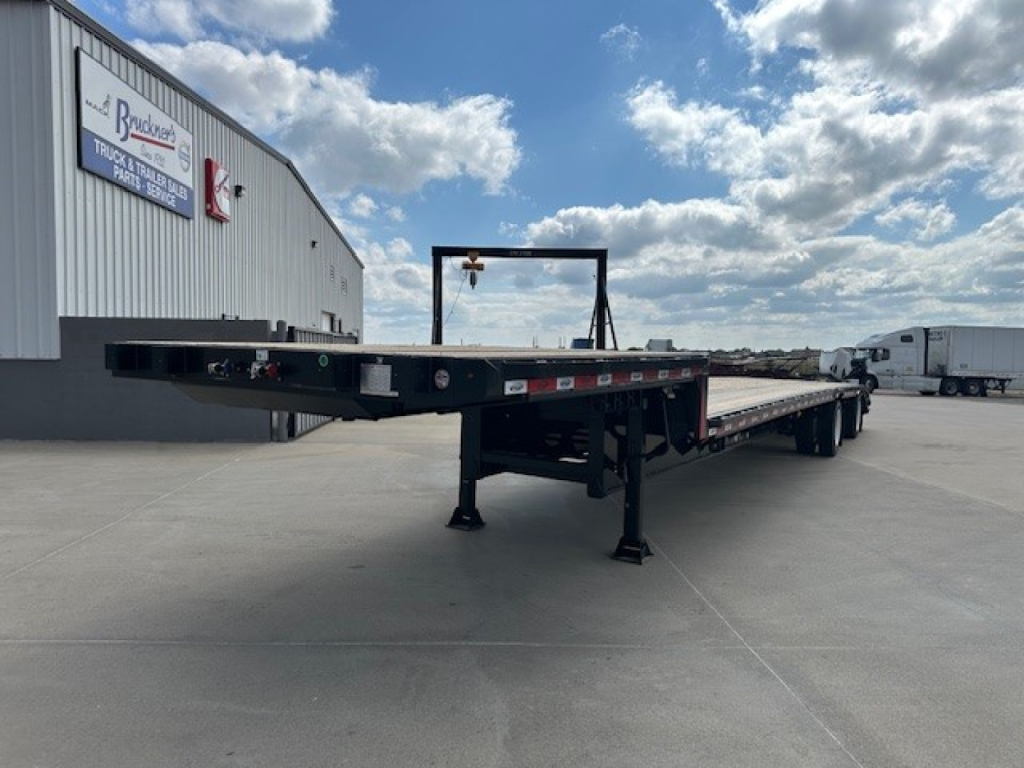
Selling a new dura haul drop deck trailer? List your new dura haul drop deck trailer for sale and reach thousands of commercial buyers.
New Dura Haul Drop Deck Trailers in Texas
The biggest buying decisions usually come down to overall length, axle configuration, and ramp setup. Common Dura Haul configurations in this category include 48-foot and 53-foot trailers at 102 inches wide, with about a 10-foot 6-inch upper deck and lower decks in the 37-foot 6-inch to 42-foot 6-inch range. Spread axle versions with a 122-inch spread are a strong fit for operators looking for bridge compliance and weight distribution advantages, while closed tandem setups can be the better choice when maneuverability, tire scrub, or certain state and jobsite conditions matter more. A 24-inch kingpin setting is a familiar spec on many step decks and is worth confirming against the tractor wheelbase and intended turning clearance.
Deck construction and securement hardware matter more on a drop deck than many buyers first assume. Apitong decking remains a preferred choice because it holds up well under concentrated equipment weight and repeated chain and strap use. Crossmember spacing around 12 inches on center is a useful benchmark for buyers who expect frequent forklift traffic or denser point loads. Sliding winches on the driver side, typically 12 on a 48-foot and 14 on a 53-foot, support flexible strap placement for mixed freight. Heavy duty two-speed landing gear, air ride suspension, dump valves, and liquid-filled air gauges are practical specs that improve day-to-day loading, ride quality, and suspension control at the dock or on uneven ground.
If the trailer will handle self-propelled equipment, a beavertail with flush-mount spring-assisted ramps can be the difference between a general freight trailer and a more versatile equipment hauler. That setup helps with loading scissor lifts, skid steers, small tractors, and similar machines without dedicating the trailer to one narrow application. Tire size, wheel choice, and axle arrangement also affect maintenance planning and replacement cost over time, so many buyers look for standard 22.5-inch rubber and steel wheels for serviceability. When comparing new Dura Haul drop deck trailers, focus on lower deck length, axle spread or tandem layout, deck material, winch package, and ramp configuration first. Those are the specs that most directly affect what freight the trailer can legally, safely, and efficiently move.
Frequently Asked Questions about New Dura Haul Drop Deck Trailers in Texas
What is the difference between a drop deck trailer and a flatbed trailer?
A drop deck trailer, also called a step deck trailer, has two deck levels instead of one continuous deck height like a flatbed. The lower deck lets you haul taller freight while staying within legal height limits. That makes a drop deck a better fit for machinery, equipment, and freight that would sit too high on a standard flatbed. A flatbed can still be the simpler choice for easy side loading and uniform palletized freight, but a drop deck gives more vertical clearance for oversized or awkward loads.
Should I choose a spread axle or closed tandem drop deck trailer?
A spread axle drop deck can offer weight distribution and bridge law advantages, and it is a common spec for longer open-deck freight. A closed tandem is often easier to maneuver in tight yards, urban deliveries, and crowded jobsites, and it can reduce tire scrub in certain applications. The right choice depends on the states you run, the type of freight you haul, and how often you back into tight spaces. Buyers hauling longer, heavier, or more variable loads often lean toward spread axles, while buyers prioritizing maneuverability may prefer a closed tandem.
Why is Apitong decking popular on drop deck trailers?
Apitong is widely used because it handles repeated loading, abrasion, and concentrated weight better than many softer wood options. It stands up well to chains, binders, forklifts, and equipment traffic, which is important on a trailer expected to carry machinery or dense freight. Good decking also supports safer securement by giving better footing and load stability. For many buyers, Apitong is a durability spec that helps protect long-term trailer value.
What are beavertail ramps used for on a drop deck trailer?
A beavertail and ramp package is designed to make loading wheeled or tracked equipment easier. The sloped rear section reduces the loading angle, and spring-assisted flush-mount ramps allow machines to drive onto the deck without separate loading equipment. This is useful for skid steers, compact tractors, scissor lifts, and similar machines. Buyers who handle both general freight and light to medium equipment often look for this setup because it broadens the trailer's application without moving into a specialized lowboy category.
What specs matter most when comparing new drop deck trailers?
The most important specs are overall length, lower deck length, axle configuration, deck material, crossmember spacing, and securement equipment. Those details determine how much usable deck space you have, how the trailer carries weight, how well it handles concentrated loads, and how easily you can secure different types of freight. Landing gear, suspension type, tire size, kingpin setting, and ramp configuration also affect compatibility with your tractor and the type of work the trailer can do. Buyers get the best results by matching those specs to their most common load profile instead of shopping by length alone.