
New Armor Lite Dump Trailers For Sale
Shop new Armor Lite dump trailers with lightweight construction, durable tubs, tarp systems, and spec options for aggregate, scrap, and hauling work.
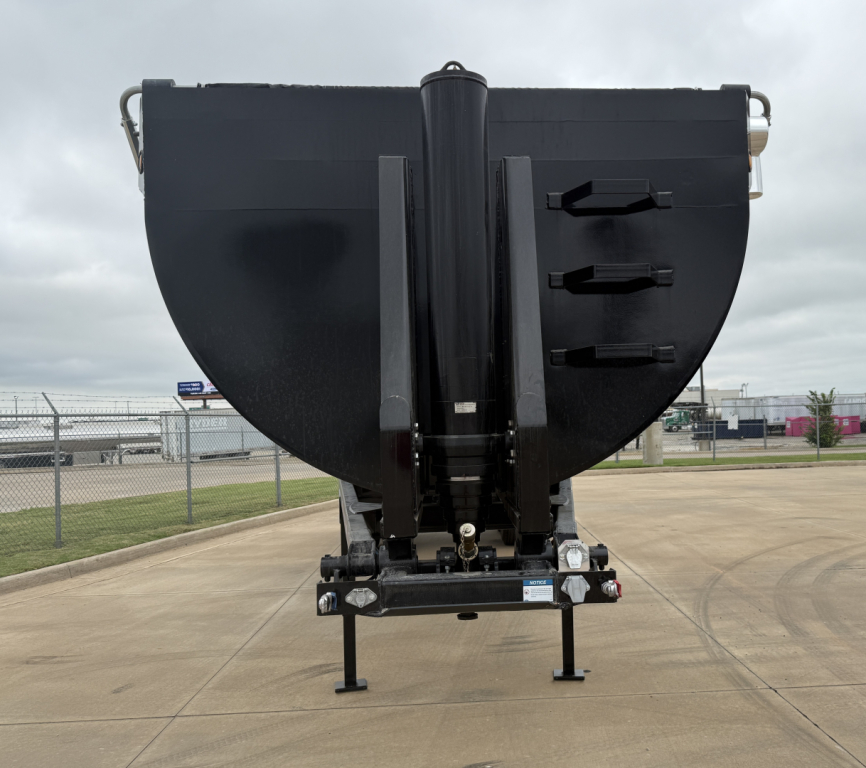
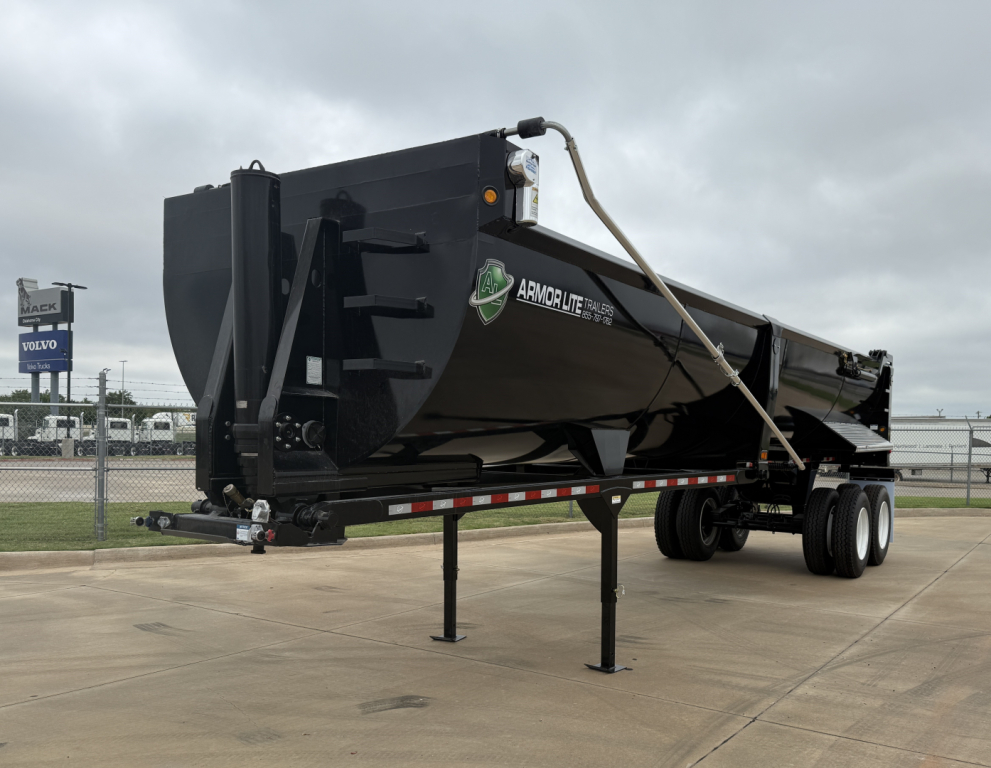
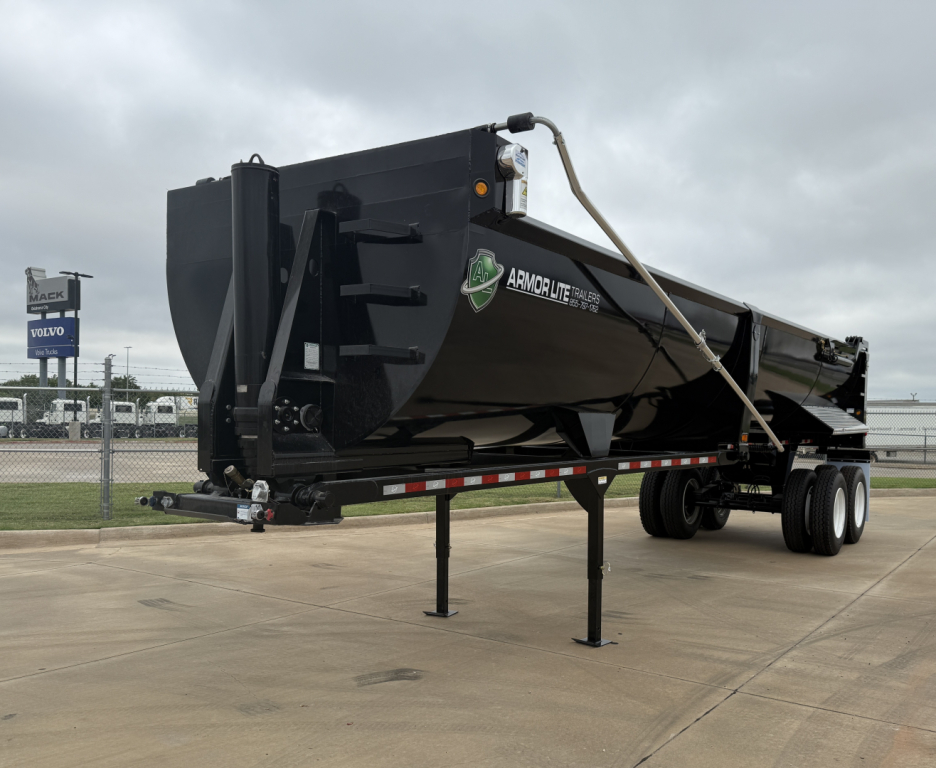
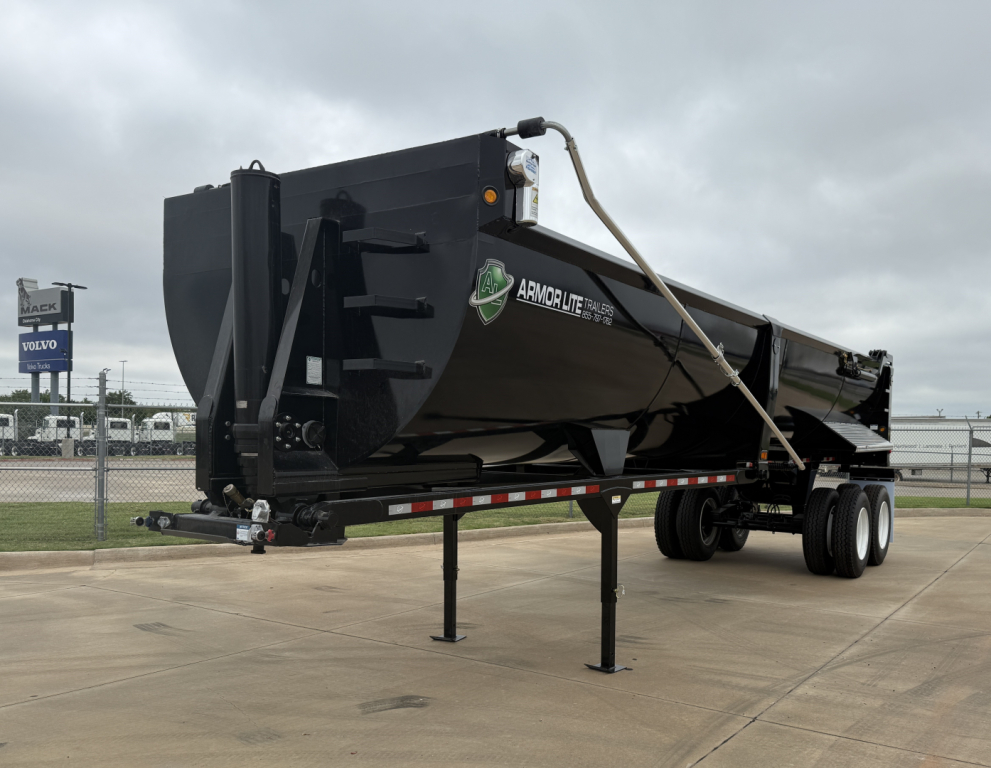
Showing 29 to 32 of 32 results
Selling a new armor lite dump trailer? List your new armor lite dump trailer for sale and reach thousands of commercial buyers.
New Armor Lite Dump Trailers
A buyer should start with body style and tub specification. Common examples include 32-foot tubs on roughly 34-foot overall trailer lengths, along with longer 40-foot lightweight dump trailer layouts. Capacity, side height, and board configuration matter because they directly affect legal payload and material control. Heavy, abrasive material calls for a tougher tub floor and sidewall package, while lighter commodities may justify a more weight-conscious setup. Features like self-shedding top rails, high-lift gates, and skeleton-style builds are especially relevant if the trailer will see sticky material, uneven dumping surfaces, or frequent loading cycles.
Suspension, tire package, and gate controls are also worth close attention. In this class, buyers will often compare spring ride and single-point suspension depending on operating conditions, maintenance preferences, and axle tracking needs. Standard 11R24.5 tires and steel wheels are common on work-focused specs, and chip- and chunk-resistant tires are a smart choice for quarry, asphalt, and rough haul road service. Electric flip tarps, including mountain-style tarp systems, are now a key spec on many dump trailers because they reduce loading delays and help with compliance on the road. Front 6-way hookups and side-mounted manual gate controls are practical details that can improve daily usability.
For buyers comparing new Armor Lite dump trailers, the real question is how closely the trailer matches the material and route. A lighter trailer can improve revenue on legal-weight hauls, but body thickness, gate design, and suspension choice should still fit the jobsite and commodity. Look closely at tub material, cubic-yard rating, liner needs, fender construction, and hoist compatibility with your tractor setup. A well-matched dump trailer should dump clean, stay stable under load, and hold up to repeated impact without giving back the weight savings that make this equipment class attractive in the first place.
Frequently Asked Questions about New Armor Lite Dump Trailers
What are new Armor Lite dump trailers commonly used for?
New Armor Lite dump trailers are commonly used for aggregate, sand, gravel, asphalt millings, demolition debris, scrap, and other bulk materials that benefit from a lightweight end dump design. The exact application depends on tub material, side height, and gate setup. Buyers hauling abrasive rock or heavy demolition material usually prioritize stronger body specs, while buyers focused on lighter-volume freight often look for maximum payload from a lighter trailer build.
What should I look for in the tub on an Armor Lite dump trailer?
The tub is one of the most important spec decisions because it determines wear life, payload, and how well the trailer handles the material you haul. A harder steel tub, such as a Hardox-style body, is often preferred for abrasive or impact-heavy work. Length, side height, and overall cubic-yard capacity also matter. If the trailer will haul sticky or wet material, features such as a self-shedding top rail and proper gate design can help improve cleanout and reduce carryback.
Is suspension choice important on a dump trailer?
Yes. Suspension affects ride quality, maintenance, stability, and how the trailer performs on rough surfaces. Spring ride is a familiar, durable option for many fleets and owner-operators. Single-point suspension can also be attractive depending on axle alignment preferences and service considerations. The right choice depends on haul road conditions, load type, maintenance practices, and how the trailer is expected to track behind the tractor during repeated dump cycles.
Why do many new dump trailers include electric tarp systems?
Electric tarp systems save time and improve consistency compared with fully manual tarping. They help drivers cover loads quickly for road compliance, reduce exposure to weather, and make the trailer easier to operate during frequent loading and unloading. Mountain-style flip tarps and electric flip tarps are common on dump trailer specs because they are practical for high-cycle work and can reduce strain on the operator over the course of a long day.
How do I choose between a lightweight dump trailer and a heavier-duty spec?
The decision comes down to commodity, haul distance, and expected abuse. A lightweight dump trailer can increase legal payload and improve revenue on every trip, which is a major advantage in aggregate and bulk hauling. A heavier-duty spec may be the better long-term choice if the trailer is regularly loaded with large rock, demolition debris, or other high-impact material. Buyers should compare empty weight against tub thickness, gate style, suspension, and tire package rather than focusing on one number alone.