
New Armor Lite Dump Trailers For Sale in Kansas
New Armor Lite dump trailers for sale in Kansas. Compare lightweight end dumps with durable tubs, tarp systems, and suspension options.
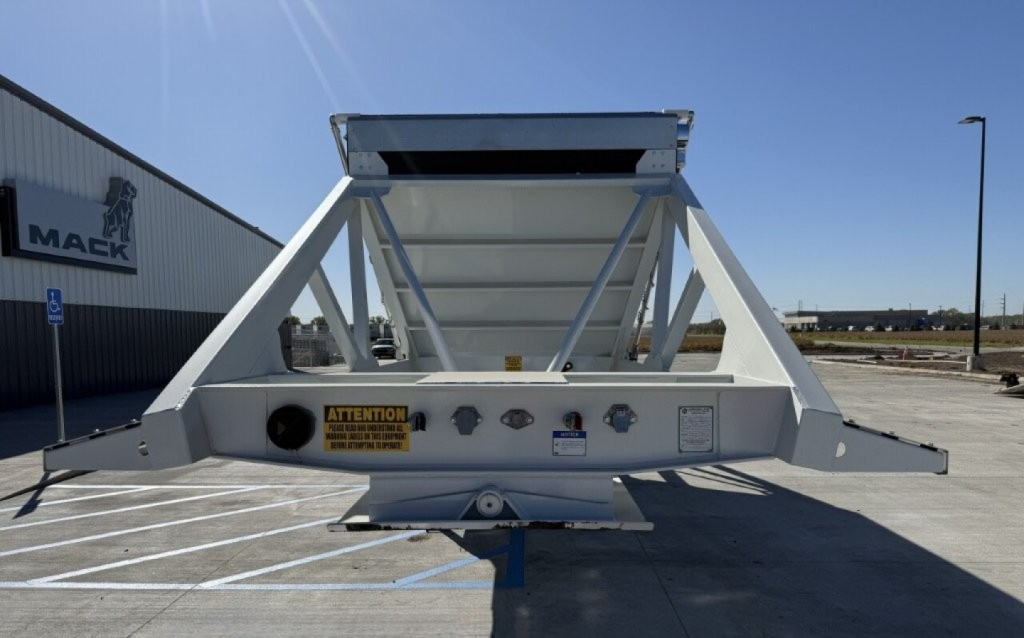
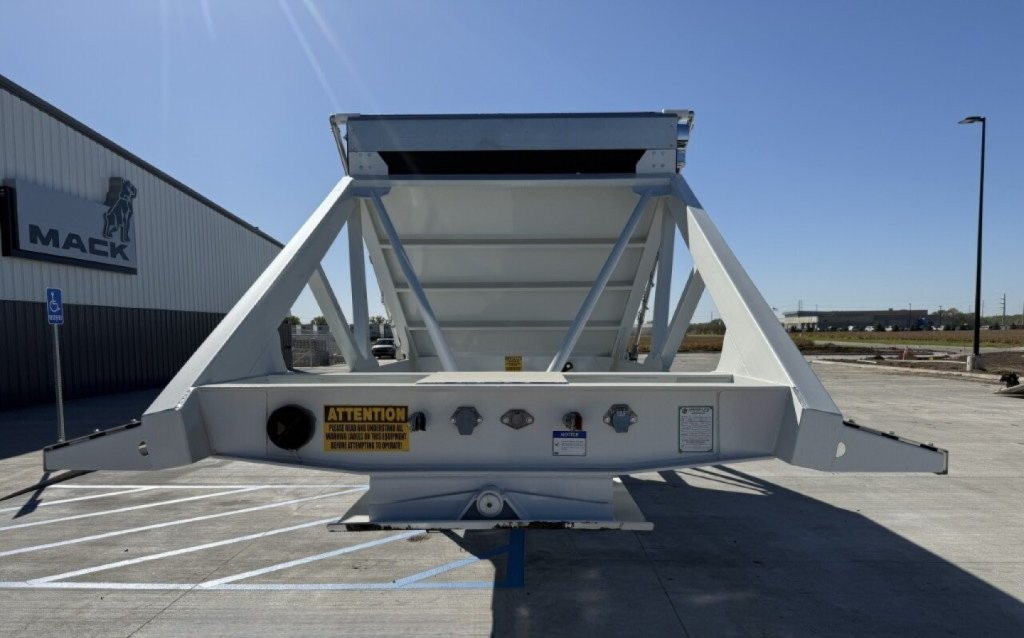
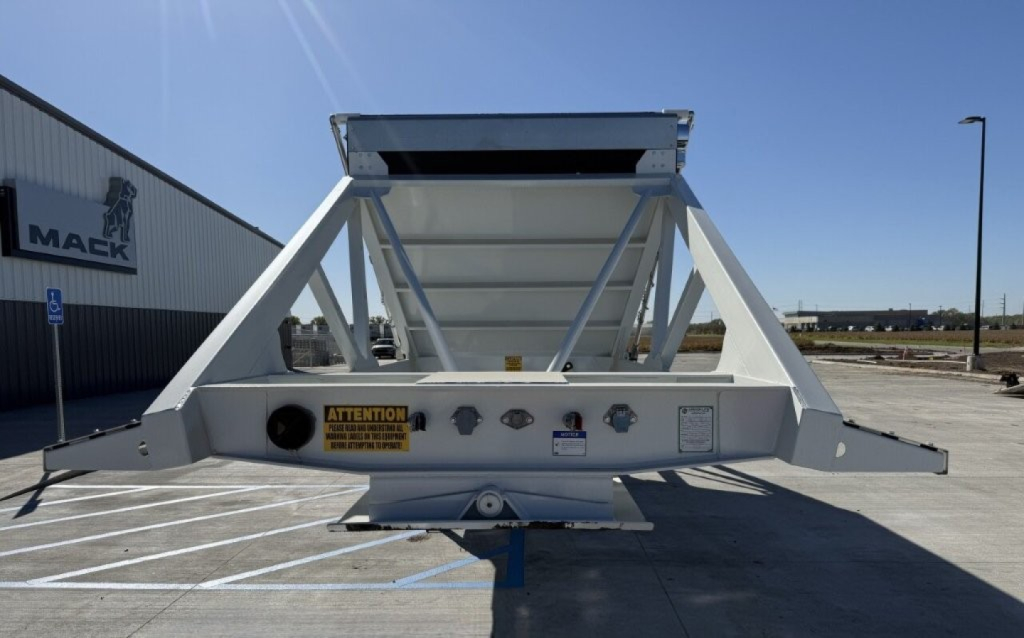
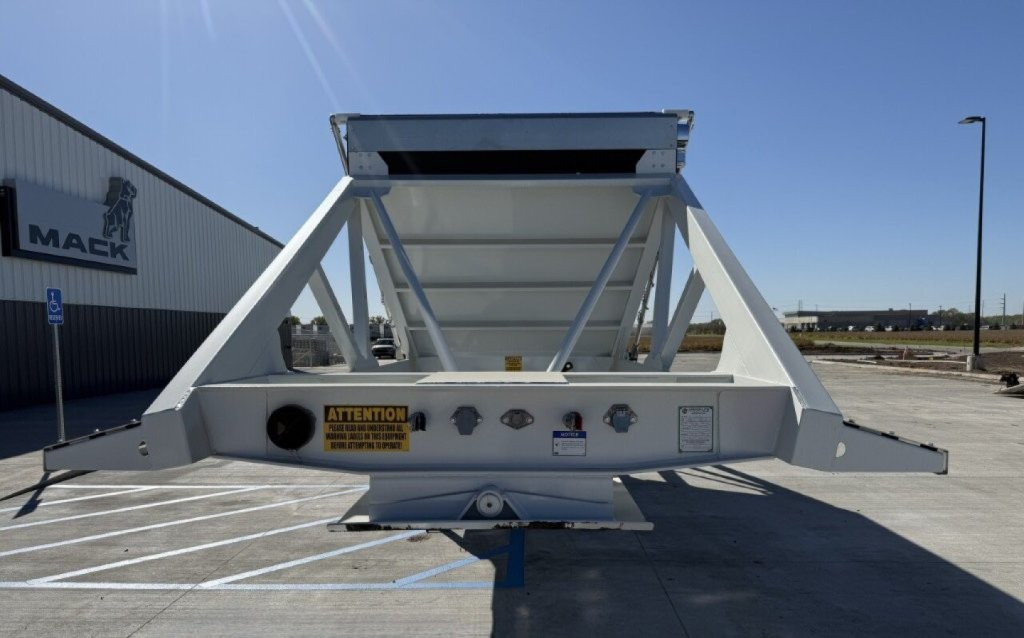
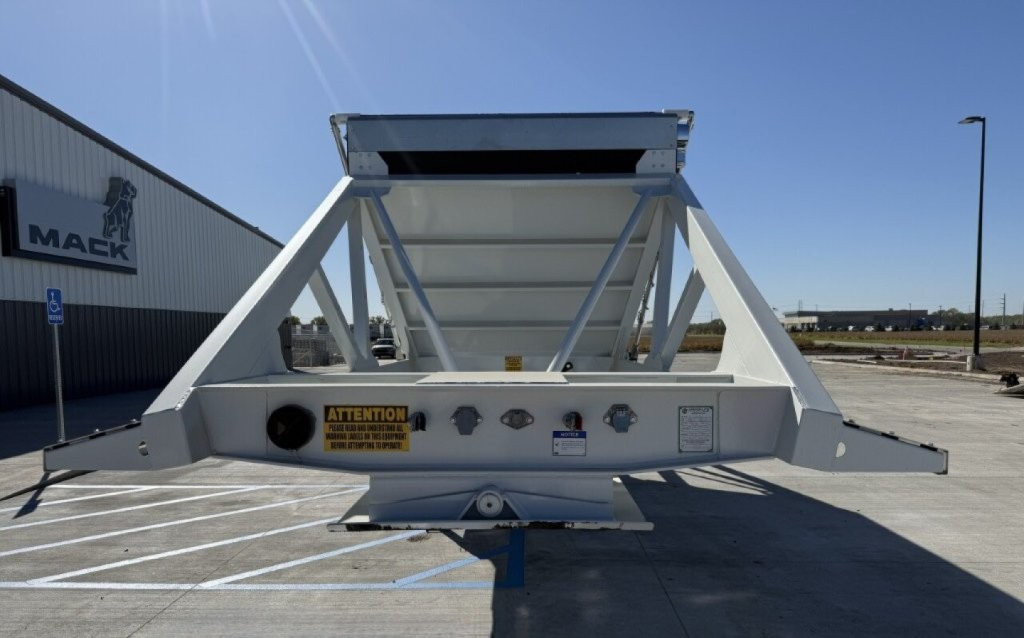
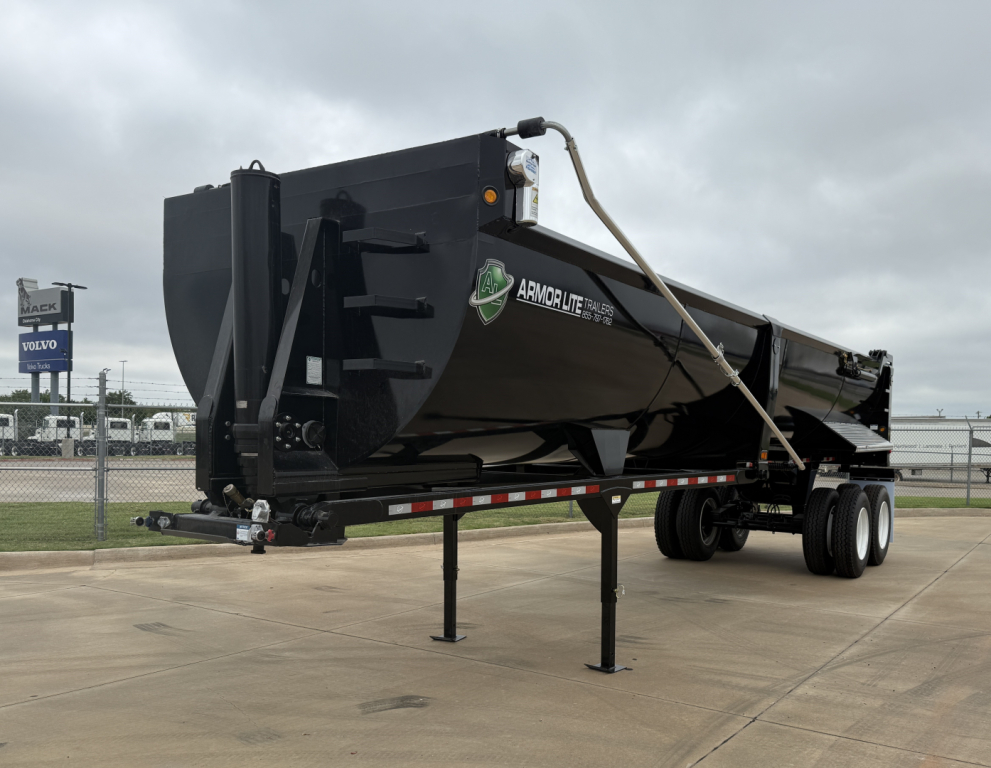
Selling a new armor lite dump trailer? List your new armor lite dump trailer for sale and reach thousands of commercial buyers.
New Armor Lite Dump Trailers in Kansas
A buyer should start with tub length, cubic yard capacity, and body material. In this class, 32-foot and 40-foot bodies are common, with examples around 23.5 cubic yards on lightweight skeleton-style builds and heavier-duty tubs using 1/4-inch Hardox or similar wear-resistant steel for more punishing applications. A self-shedding top rail is a useful detail if sticky material is part of the job, and high-lift gates matter when you need clean discharge and more flexibility at the rear. Board height, gate style, and hoist geometry all affect how the trailer handles different material densities, so payload target should be matched to the actual commodity, not just the published cubic yard number.
Suspension and running gear deserve close attention because they shape both maintenance cost and road behavior. Spring ride remains a familiar, durable choice for fleets that value simplicity, while single-point suspensions are often selected for weight savings and off-road articulation. Tire spec matters on dump work, especially with chip- and chunk-resistant compounds for quarry or broken-surface use. Many trailers in this category use 11R24.5 rubber with steel wheels, and fender construction, tarp system design, and gate controls all affect uptime in daily service. Electric flip tarps and mountain-style tarp systems are common on new dump trailers because they improve load securement and speed up turnaround times.
Kansas buyers often need a trailer that can work a mix of highway miles, county roads, pit loading, and seasonal construction demand. That makes tare weight, durability, and ease of cleanout more important than headline capacity alone. On a new Armor Lite dump trailer, practical details such as diamond plate fenders, front-mounted 6-way connections for gate operation, and driver-side manual controls can make a real difference in the field. The right trailer in this category is the one that matches material type, axle and suspension preference, dump frequency, and legal weight strategy across the lanes it will actually run.
Frequently Asked Questions about New Armor Lite Dump Trailers in Kansas
What materials are Armor Lite dump trailers commonly used to haul?
Armor Lite dump trailers are commonly used for aggregate, sand, gravel, dirt, demolition material, asphalt millings, and similar bulk loads. The best fit depends on tub design and material thickness. Lightweight skeleton-style trailers are aimed at maximizing payload on lower-abrasion commodities, while heavier-duty tubs with wear-resistant steel are better suited for rock, broken concrete, and other abrasive material that can shorten body life.
What is the difference between a lightweight skeleton dump trailer and a heavy-duty tub trailer?
A lightweight skeleton dump trailer is designed to reduce tare weight so the operator can carry more legal payload. That makes it attractive for commodities where volume and weight efficiency matter more than extreme abrasion resistance. A heavy-duty tub trailer typically uses thicker or harder body material, such as 1/4-inch Hardox, to stand up better to sharp, dense, or high-impact loads. The tradeoff is usually higher empty weight in exchange for longer wear life in severe applications.
Why do tarp systems and gate controls matter on a dump trailer?
Tarp systems and gate controls affect safety, compliance, and cycle time every day. An electric flip tarp or mountain-style tarp helps contain material, reduces manual handling, and speeds up loading and unloading. Gate controls are just as important because they determine how precisely the rear door functions during discharge. Features such as a 6-way front connection and manual side controls can improve convenience and help the operator manage different materials more effectively at the dump site.
How should a buyer choose between spring ride and single-point suspension on a dump trailer?
Spring ride is a proven option that many fleets choose for simplicity, familiarity, and straightforward maintenance. Single-point suspension is often selected when weight savings and articulation are priorities, especially in applications that involve uneven surfaces or off-road access. The right choice depends on route conditions, maintenance preferences, and how much importance the operation places on tare weight versus traditional serviceability.
What specs matter most when comparing new dump trailers for work in Kansas?
For Kansas operations, the most important specs are usually body length, cubic yard rating, empty weight, tub material, suspension type, tire package, and gate design. Buyers should also consider how the trailer will perform on mixed surfaces that include interstate travel, county roads, and pit or jobsite conditions. A trailer that is slightly heavier but better matched to abrasive material can be a better long-term buy than the lightest available option if repair frequency and downtime are likely to be higher.