
New 2027 Armor Lite Dump Trailers For Sale in Kansas
New 2027 Armor Lite dump trailers for sale, including light-weight and heavy-duty specs for aggregate, demolition, scrap, and paving work.
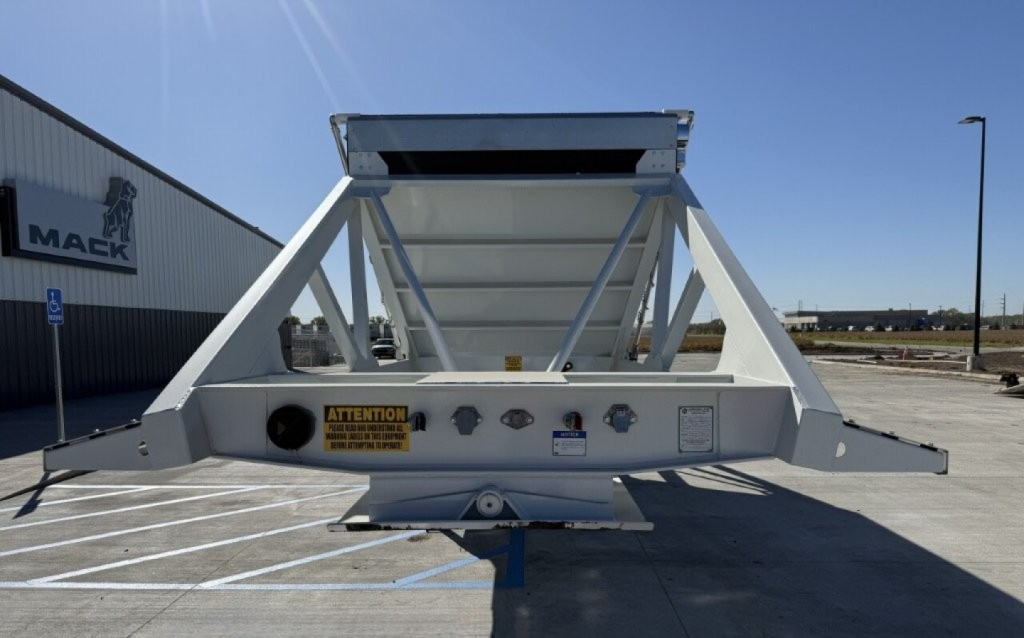
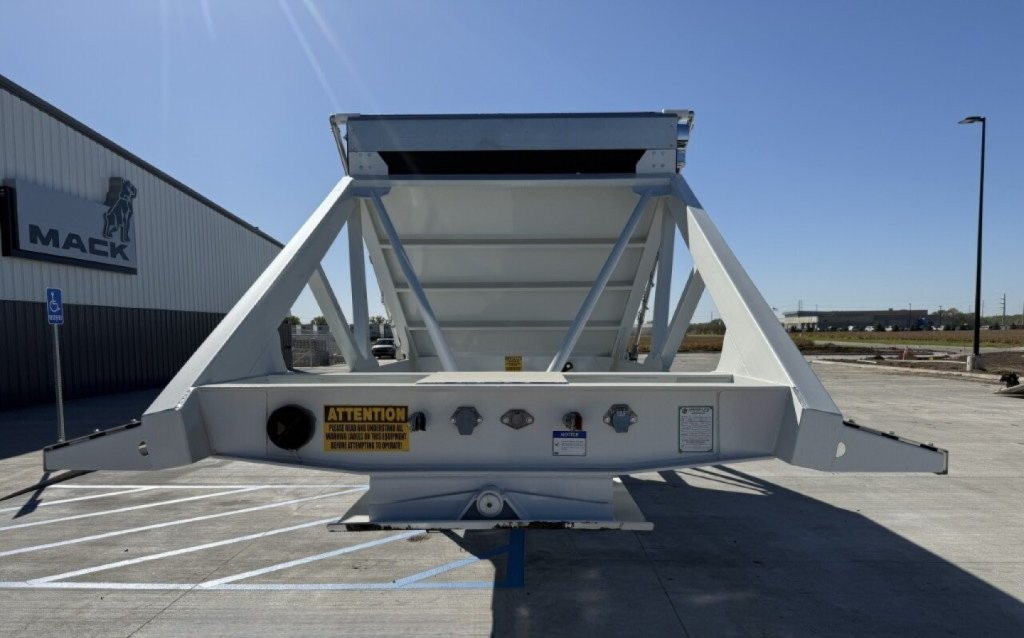
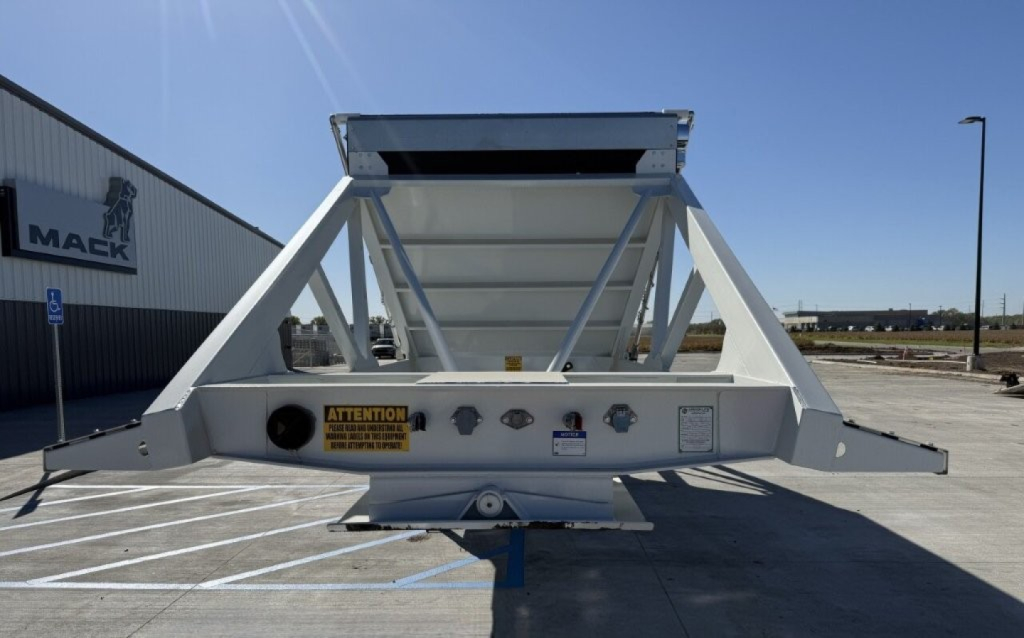
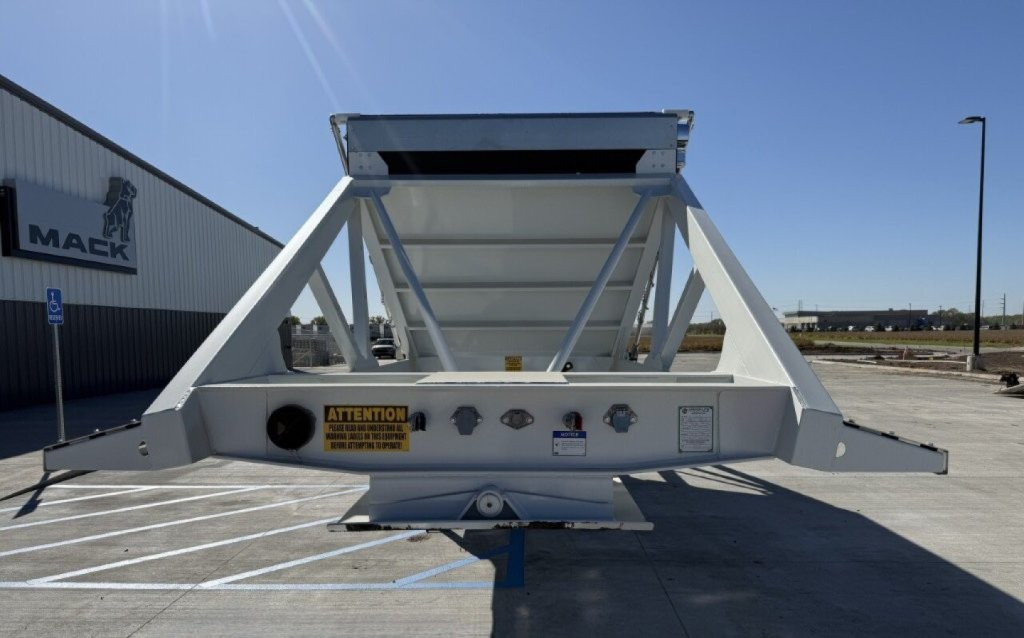
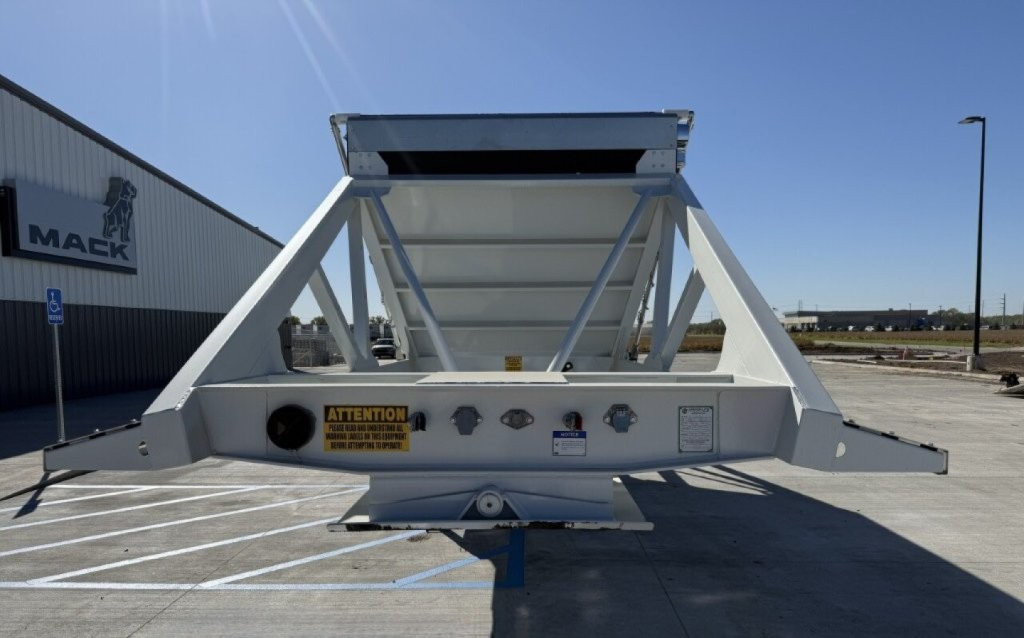
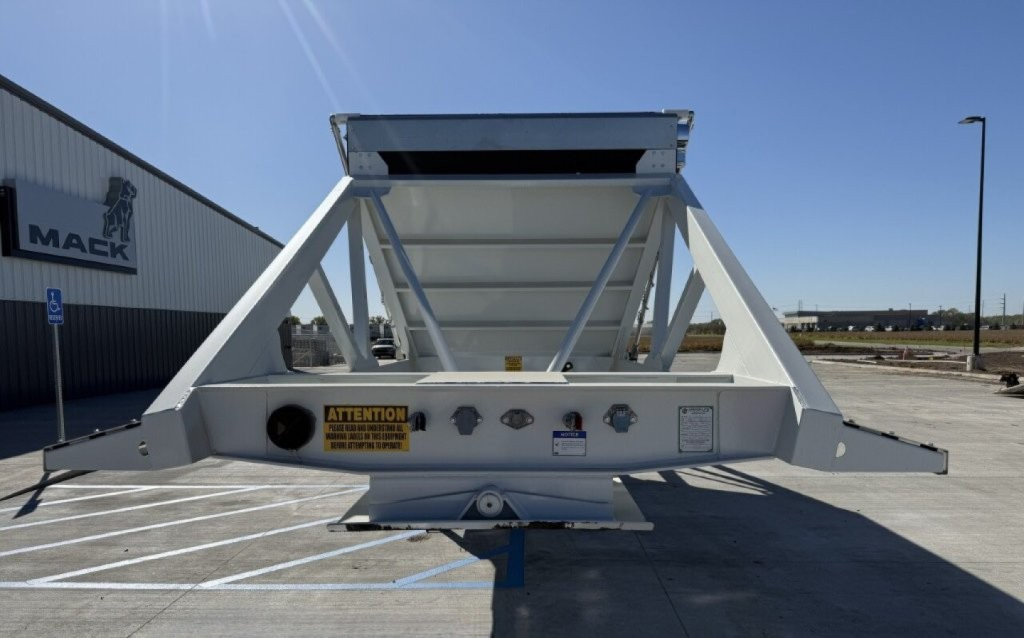
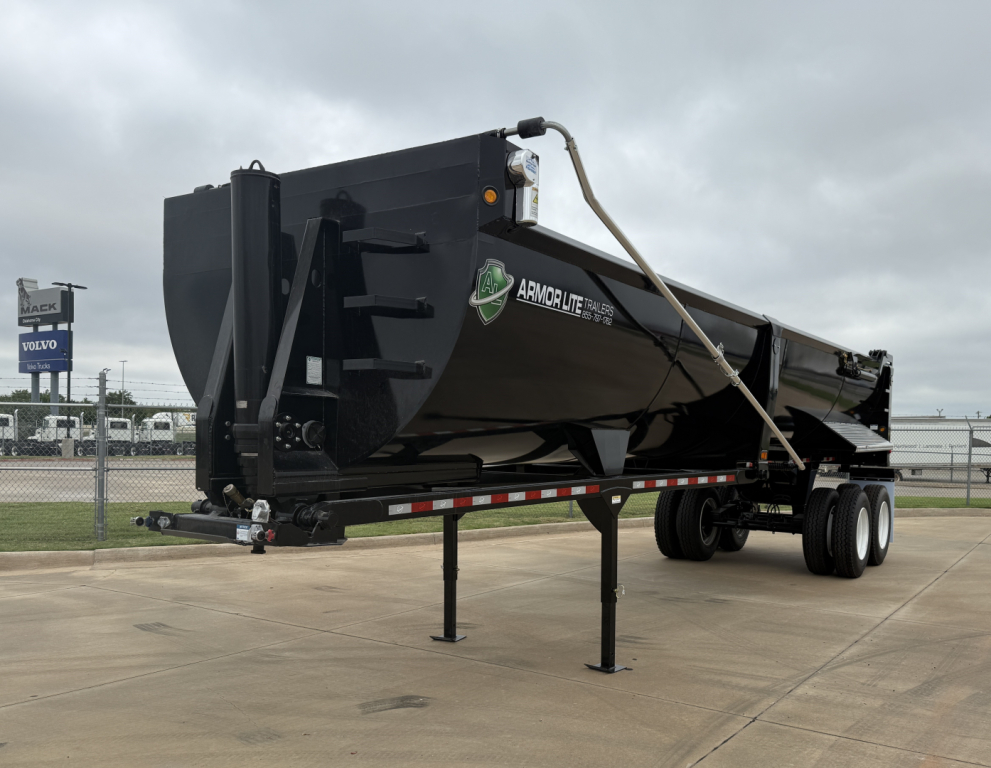
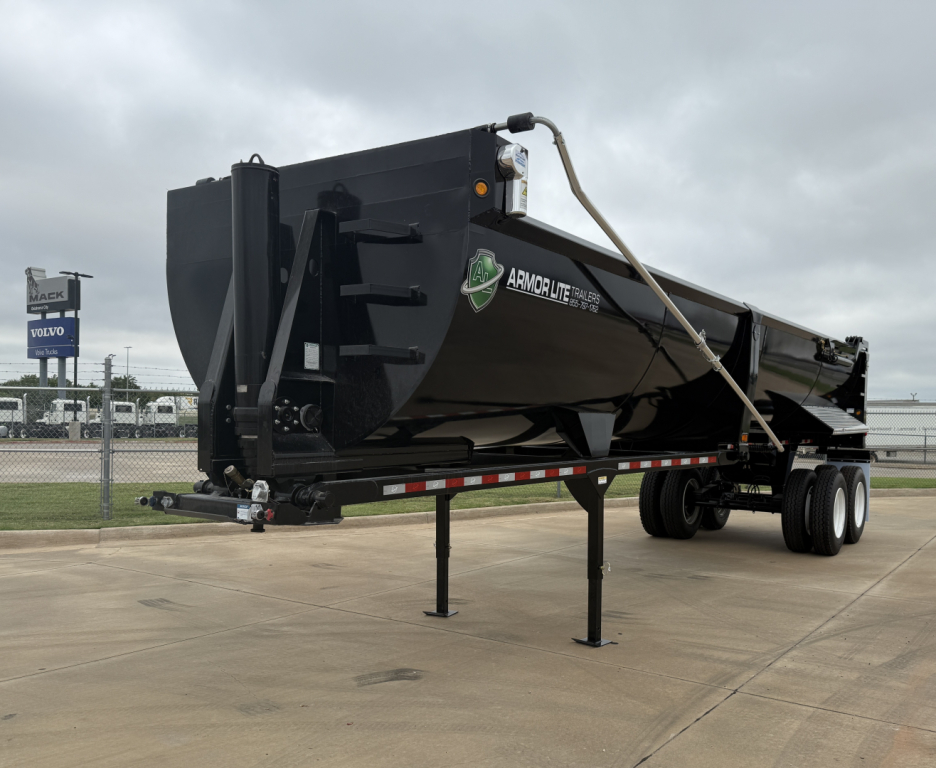
Selling a new 2027 armor lite dump trailer? List your new 2027 armor lite dump trailer for sale and reach thousands of commercial buyers.
New 2027 Armor Lite Dump Trailers in Kansas
A lot of buyer decisions in this category start with body construction. Armor Lite models in this class commonly feature 1/4-inch Hardox tubs, self-shedding top rails, and high-lift gates. That combination is well suited for abrasive material and jobs where clean release is important. A self-shedding rail helps keep material from hanging on the top edge, while a high-lift gate gives better clearance for larger rock or broken asphalt. Tub lengths around 28 to 32 feet are common on heavy-duty applications, while longer 40-foot lightweight configurations can make sense where cubic capacity matters more than concentrated impact resistance. If the work mix includes chip, chunk, or demolition debris, buyers should pay close attention to floor and side thickness, frame spec, and how much structural reinforcement is built into the body.
Suspension and running gear are just as important as body material. Single-point suspension setups are popular on severe-duty dump trailers because they are simple, durable, and predictable under rough site conditions. Spring ride versions still have a place for lighter-weight applications and fleets that prioritize lower acquisition cost and straightforward maintenance. Many trailers in this category run 11R24.5 tires on steel wheels, often paired with chip and chunk resistant compounds for quarry and construction work. Electric flip tarps are another common spec and are more than a convenience item. They help with load control, jobsite compliance, and faster turns. Buyers should also look at gate controls, front 6-way plumbing, manual side controls, fender construction, and overall trailer length versus legal bridge and payload targets.
The right dump trailer depends on material density and duty cycle. A shorter, heavier-spec half-round trailer is usually the better fit for rock, riprap, concrete, or hot mix service where body life and stability are priorities. A lightweight skeleton or board-style dump can be a smart choice for higher-volume, lower-density loads where every pound of tare savings improves revenue. New 2027 Armor Lite dump trailers appeal to buyers who want modern specs such as electric tarp systems, durable wear-resistant tubs, and practical construction details that support daily production instead of adding complexity. Compare cubic yard rating, empty weight, suspension type, gate style, liner and tub material, and the trailer's intended material stream before narrowing down models.
Frequently Asked Questions about New 2027 Armor Lite Dump Trailers in Kansas
What is the difference between a heavy-duty half-round dump trailer and a lightweight skeleton dump trailer?
A heavy-duty half-round dump trailer is designed for dense, abrasive, or impact-heavy material such as rock, asphalt millings, broken concrete, and demolition debris. It typically uses thicker body material, reinforced framing, and a rounded tub that sheds material efficiently during unloading. A lightweight skeleton or board-style dump trailer focuses more on tare weight and cubic capacity, making it a better fit for lower-density loads where payload optimization matters more than maximum impact resistance.
Why does a 1/4-inch Hardox tub matter on a dump trailer?
A 1/4-inch Hardox tub gives a dump trailer better resistance to abrasion, denting, and long-term wear than lighter body material in severe-duty applications. That matters when hauling aggregate, chunk asphalt, riprap, or other material that can beat up the floor and lower sidewalls. For buyers comparing trailers with similar dimensions, tub material and thickness often have a direct effect on service life, repair frequency, and resale value.
Is single-point suspension better than spring ride on a dump trailer?
Single-point suspension is a common choice for severe-duty dump work because it is rugged, relatively simple, and performs well in rough off-road or quarry conditions. Spring ride can still be a good fit for lighter applications and fleets that want a familiar, straightforward suspension package. The better option depends on terrain, payload consistency, maintenance preferences, and how much time the trailer spends on unimproved surfaces.
What should buyers look for in dump trailer gate and tarp options?
Gate style and tarp system affect both productivity and legal compliance. A high-lift gate provides better discharge clearance for larger material and can help reduce hang-ups at the rear during unloading. An electric flip tarp speeds up load securement, reduces manual handling, and helps meet road safety requirements. Buyers should also verify the trailer has the right front plumbing and control setup for gate operation, especially if it will move between different tractors.
How do I choose the right dump trailer length and cubic capacity?
The correct length and cubic capacity depend on the weight per cubic yard of the material you haul most often. Dense commodities can gross out before the trailer is physically full, so a shorter and heavier-duty body may be the right tool. Lighter material may justify a longer, higher-capacity trailer that maximizes volume. The best comparison is not just body length alone, but body length matched to tare weight, material type, legal axle loading, and the expected number of daily cycles.