
Used Dry Van Trailers For Sale in Texas
Used dry van trailers for sale in Texas: compare floor ratings, door types, suspension, and inspection needs for highway freight or local delivery.
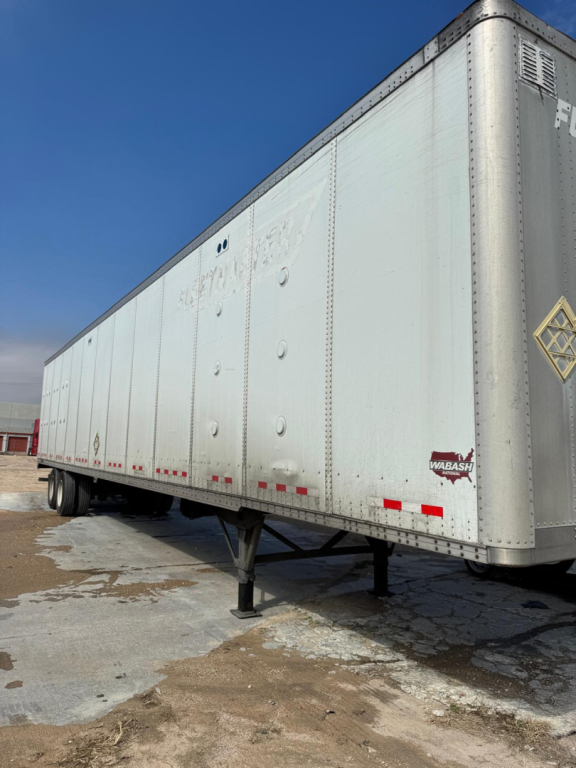
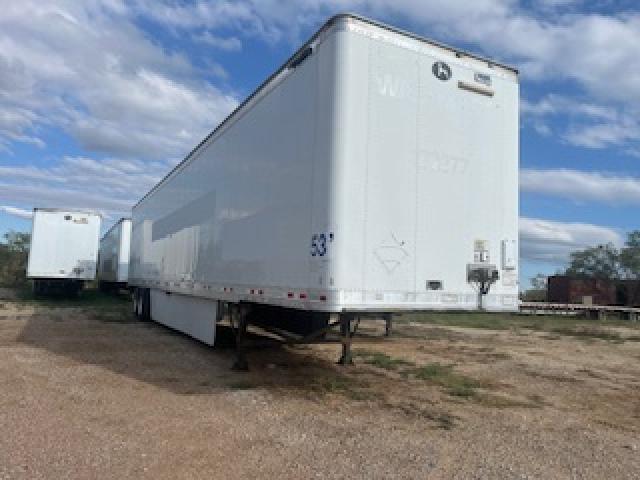
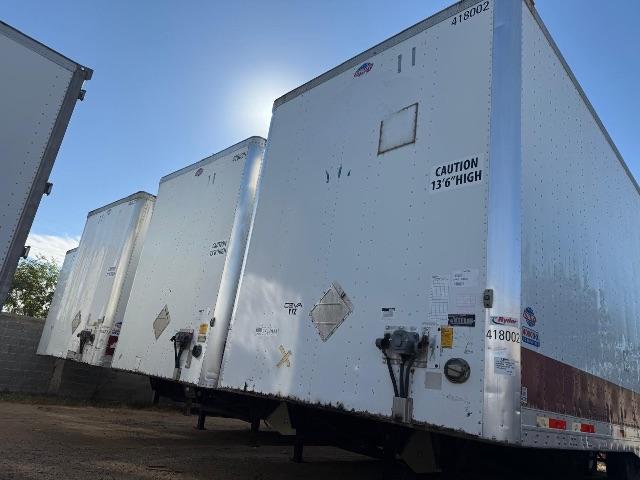
Selling a used dry van trailer? List your used dry van trailer for sale and reach thousands of commercial buyers.
Used Dry Van Trailers in Texas
Floor capacity and usable interior dimensions determine whether a van trailer fits the freight. Check the manufacturer's forklift load rating, floor condition, crossmember spacing, and concentrated-load limits instead of treating GVWR as a floor rating. Inspect beneath the trailer for split boards, loose fasteners, bent crossmembers, and repairs hidden by floor overlays. Sheet-and-post and composite plate-wall designs differ in interior clearance, damage repair, and cargo-securement options. Across makes such as Great Dane, Utility, and Wabash, verify the actual wall construction, logistics-post spacing, and replacement-panel compatibility.
Swing doors generally provide a larger clear opening, while roll-up doors suit frequent dock stops but require inspection of tracks, rollers, springs, and overhead clearance. Air ride can help protect sensitive freight, while spring suspension avoids air bags and height-control valves that require maintenance. For either suspension, examine axle alignment, mounting brackets, bushings, and tire wear rather than assuming the suspension type establishes condition.
Gulf Coast humidity makes roof seams, door seals, electrical connections, and steel understructure important inspection points, while Texas heat warrants close attention to tire aging and rubber deterioration. West Texas dust can conceal wear around slider rails and landing gear, and a Texas-titled trailer may still carry corrosion from earlier service in northern states. Inspect the roof from above when safely accessible, check interior seams for daylight, and investigate stains, soft flooring, musty odors, or fresh sealant that could conceal recurring leaks.
Model year is less useful than documented condition on a used dry van, but older equipment deserves closer examination of rivets, rear frames, kingpin plates, landing gear, and accumulated structural repairs. Review maintenance records for brake work, wheel seals, bearings, ABS faults, and any automatic tire inflation system. Test slider movement and confirm every locking pin seats fully; legal axle loading depends on both tandem position and cargo placement. Match the tractor's fifth-wheel height and intended loaded weights to the trailer, then check Texas route restrictions and federal bridge limits. Side skirts and other aerodynamic equipment also need secure mounts and sufficient clearance for the yards being served.
Frequently Asked Questions about Used Dry Van Trailers in Texas
How many pallets fit in a 53-foot dry van trailer?
A typical 53-foot dry van carries 26 standard 48-by-40-inch pallets in a single floor layer with conventional loading. Different pallet orientations can change that count, but actual interior dimensions, door clearance, and cargo overhang control the result. For heavy freight, legal payload and axle distribution can become limiting factors before all pallet positions are filled.
What are the weight limits for a dry van trailer on Texas Interstate highways?
An ordinary five-axle tractor and dry van combination on Texas Interstate highways is normally limited to 80,000 pounds gross, 20,000 on a single axle, and 34,000 on a tandem. Federal bridge limits can reduce allowable weight based on axle spacing. Equipment ratings, tire capacity, posted restrictions, and any applicable permit conditions must also be satisfied; a trailer's GVWR does not establish its legal highway payload.
What paperwork should I get when buying a used dry van trailer in Texas?
Require ownership documents that match the dry van trailer's VIN, a bill of sale, and releases for any recorded liens. Compare the identification plate with the title and inspect for altered or damaged markings. If a commercial seller is transferring an out-of-state trailer, confirm the documents needed for Texas titling and registration before completing the purchase. Maintenance records support condition assessment but do not substitute for ownership documentation.
Can I use a used dry van trailer for storage in Texas?
A weather-tight used dry van trailer can serve as stationary storage, but highway roadworthiness is a separate requirement. Texas heat and humidity can damage temperature-sensitive goods inside an uninsulated box trailer. Confirm local zoning and property rules, place the trailer on stable ground, and support it appropriately for loading. Forklift entry into an uncoupled trailer requires a loading procedure that addresses landing-gear capacity and trailer stability.
What model year dry van trailers are required to have ABS?
Air-braked dry van trailers manufactured on or after March 1, 1998, were required to have ABS under U.S. federal manufacturing standards. Use the manufacture date rather than assuming the advertised model year establishes the requirement. During inspection, verify the ABS warning lamp operates correctly and obtain a diagnostic check for active faults. Functional conventional brakes alone do not establish that the required ABS system is working.