
Used 2020 Dorsey Trailers For Sale
Browse used 2020 Dorsey trailers, including durable flatbeds known for strong frames, practical specs, and freight-friendly configurations.
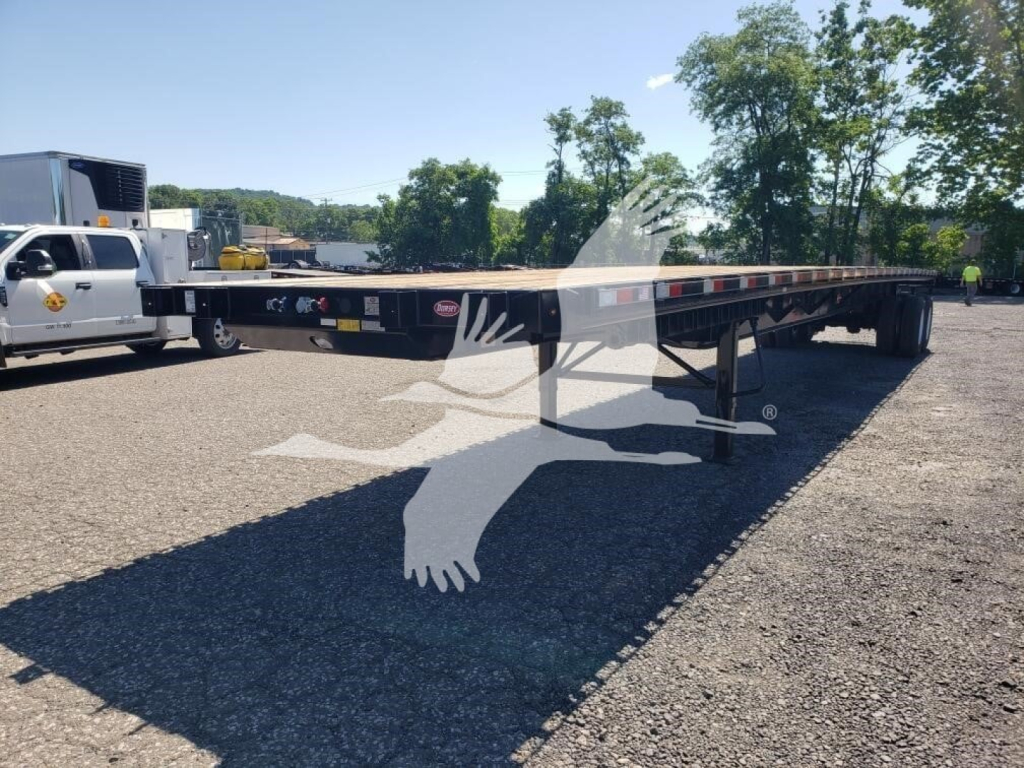
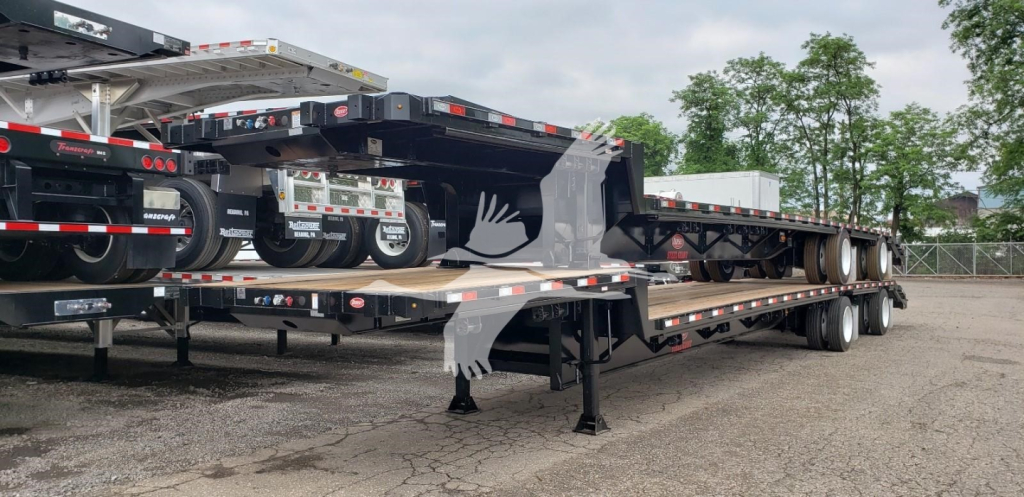
Selling a used 2020 dorsey trailer? List your used 2020 dorsey trailer for sale and reach thousands of commercial buyers.
Used 2020 Dorsey Trailers
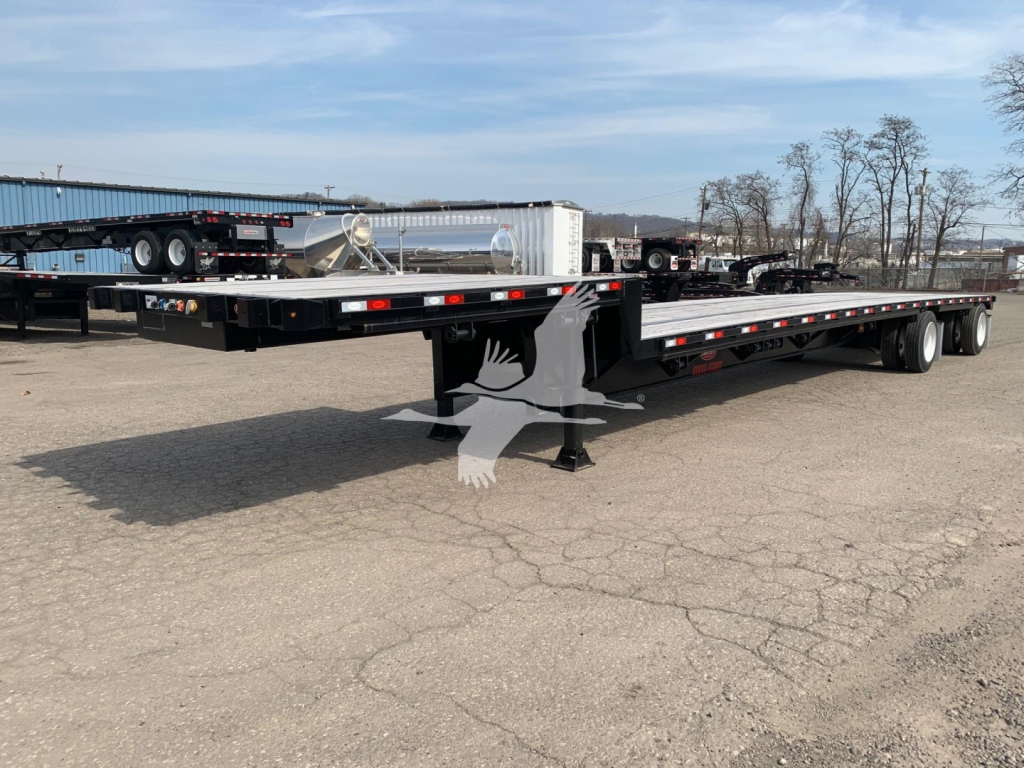
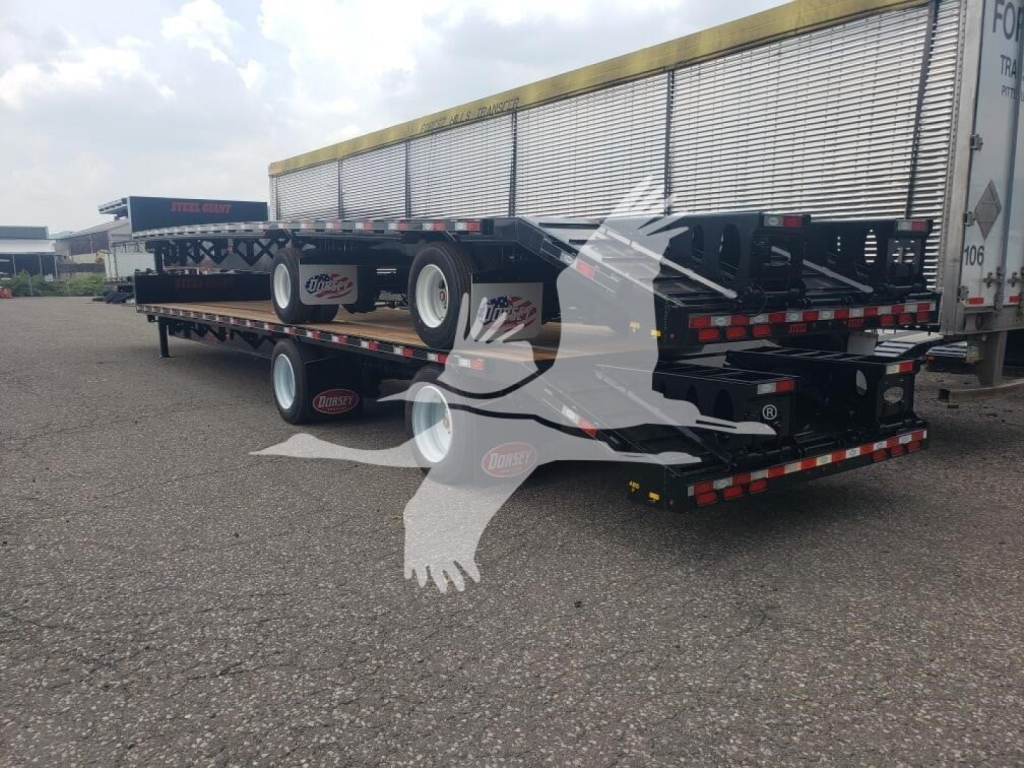
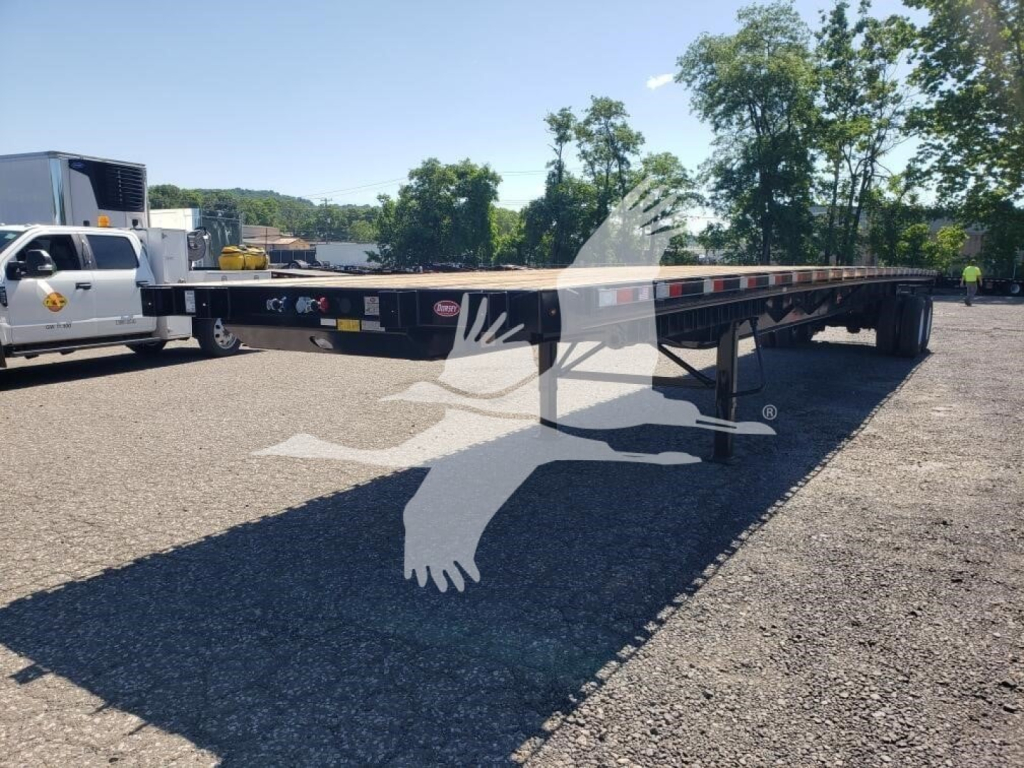
The main buying decision usually comes down to deck construction, weight, and securement setup. Steel flatbeds tend to offer durability and a lower acquisition cost, but they usually weigh more than combo or aluminum flats, which matters if payload is a priority. Common features on Dorsey trailers in this class include Apitong flooring, roadside winch tracks, sliding winches, chain tie-downs, pipe spools, and 30-inch kingpin settings. Buyers hauling coil, steel, or dense freight should look closely at crossmember spacing, coil package equipment, side rail condition, and the presence of stub crossmembers or reinforced deck sections. If the work is more general commodity freight, winch count, floor condition, and tandem slide function may matter more than specialized options.
Running gear deserves close attention on any used 2020 Dorsey trailer. Many units use spring ride or air ride suspensions from established suppliers such as Hutchens or Hendrickson, with sliding tandem settings that help with bridge law compliance and axle spread requirements. Tire size is often 295/75R22.5 or 11R22.5 depending on the build, and landing gear is commonly a two-speed Jost style setup. Buyers should inspect suspension hangers, bushings, brake life, wheel-end condition, floor wear around forklift traffic areas, and any signs of frame or rail repairs. On flatbeds, it also pays to confirm the condition of winch tracks, rub rails, light wiring, and mud flap brackets because those wear points affect both uptime and DOT readiness.
For buyers comparing used 2020 Dorsey trailers across multiple listings, the best value is rarely just the lowest price. Empty weight, deck length, suspension type, securement package, and maintenance history will determine how well the trailer fits the freight lane. A 48-foot steel flatbed may be ideal for regional building products or steel service work, while a 53-foot model can offer more flexibility for longer freight and mixed commodity loading. Dorsey trailers are generally favored by buyers who want a conventional flatbed with simple, familiar construction that can be repaired economically and kept working hard.
Frequently Asked Questions about Used 2020 Dorsey Trailers
What are the most common specs on a used 2020 Dorsey trailer?
Used 2020 Dorsey trailers in the flatbed category are commonly built in 48-foot or 53-foot lengths with a 102-inch overall width, tandem axles, and an 80,000 lb GVWR. Many have steel construction, 30-inch kingpin settings, sliding tandems, two-speed landing gear, and standard flatbed securement equipment such as winch tracks, sliding winches, pipe spools, and Apitong wood floors. Exact configurations vary, so buyers should compare deck type, suspension, and empty weight against the freight they plan to haul.
Is a 2020 Dorsey steel flatbed a good choice for heavy freight?
A 2020 Dorsey steel flatbed is often a strong fit for dense, demanding freight because steel construction is durable and generally holds up well in hard-use applications. It can be a good match for steel products, machinery, construction materials, and freight that puts repeated stress on the deck and side rails. The tradeoff is tare weight, since steel flats usually weigh more than combo or aluminum models, which can reduce legal payload on certain lanes.
What should I inspect first on a used 2020 Dorsey flatbed?
Start with structural condition and securement components. Buyers should inspect the main frame, crossmembers, side rails, floor wear, winch track integrity, and any evidence of repairs or cracking. After that, check tandem slide operation, suspension condition, brake wear, tires, wheel ends, lights, and landing gear. On a flatbed, deck condition and tie-down hardware matter just as much as running gear because damaged flooring or worn securement points can limit the trailer's usable value.
What is the difference between a Dorsey steel flatbed and a combo flatbed?
A Dorsey steel flatbed typically uses more steel throughout the trailer structure, which usually improves ruggedness but increases trailer weight. A combo flatbed uses a mix of steel and aluminum, often with aluminum side rails or floor components, to reduce tare weight while still retaining strength in key structural areas. Buyers focused on maximum payload often prefer combo designs, while buyers prioritizing simplicity and lower purchase cost may lean toward steel.
How do I choose between a 48-foot and 53-foot used 2020 Dorsey trailer?
The choice depends on freight profile, route requirements, and loading flexibility. A 48-foot flatbed is common in many traditional flatbed operations and can be easier to position for certain regional jobs or tighter delivery points. A 53-foot flatbed gives more deck space for longer freight and can improve versatility across mixed loads, but buyers should confirm that added length matches their freight mix and customer requirements. Empty weight, tandem placement, and state bridge considerations should be reviewed along with overall deck length.