
Used 2020 Dorsey Drop Deck Trailers For Sale
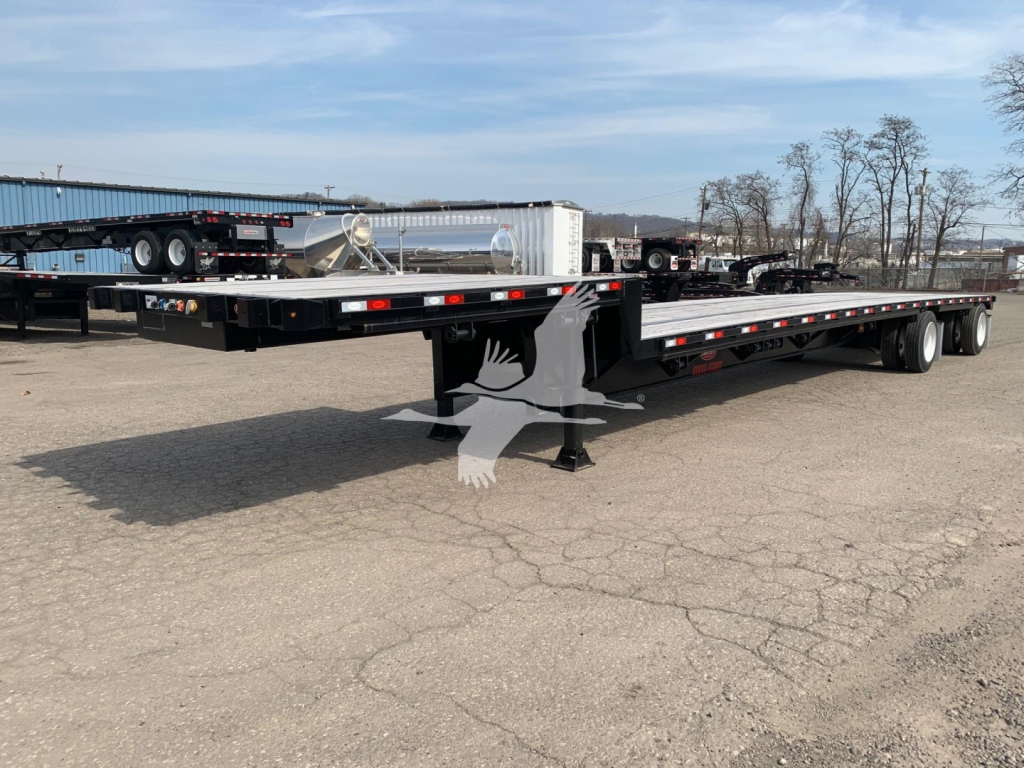
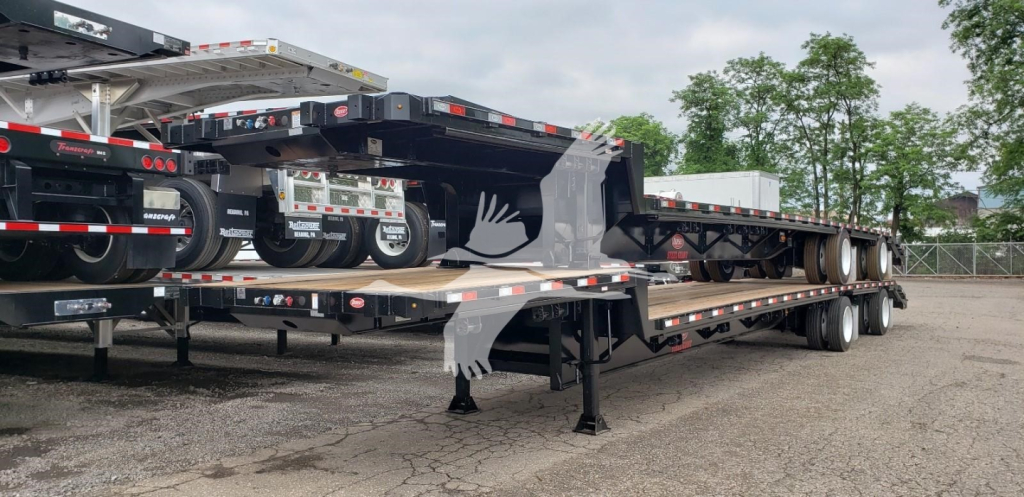
Shop the used 2020 Dorsey drop deck trailer category. Compare deck length, deck height, ramps, suspension, GVWR, and tie-down setup.
Selling a used 2020 dorsey drop deck trailer? List your used 2020 dorsey drop deck trailer for sale and reach thousands of commercial buyers.
Used 2020 Dorsey Drop Deck Trailers
On many 2020 Dorsey units, you will see steel frame construction with Apitong flooring, steel side rails, stake pockets, pipe spools, and roadside winch track with sliding winches. That combination is practical for carriers hauling mixed open-deck freight because it gives flexibility in securement. Crossmember spacing is worth checking closely, especially if the trailer will see concentrated loads such as forklifts, steel product, or compact equipment. A common tandem axle air ride setup with an 80,000-lb GVWR is typical in this class, and suspension details such as Hendrickson or Cush systems, suspension setting, and dump valve configuration can affect maneuverability, loading, and tire wear.
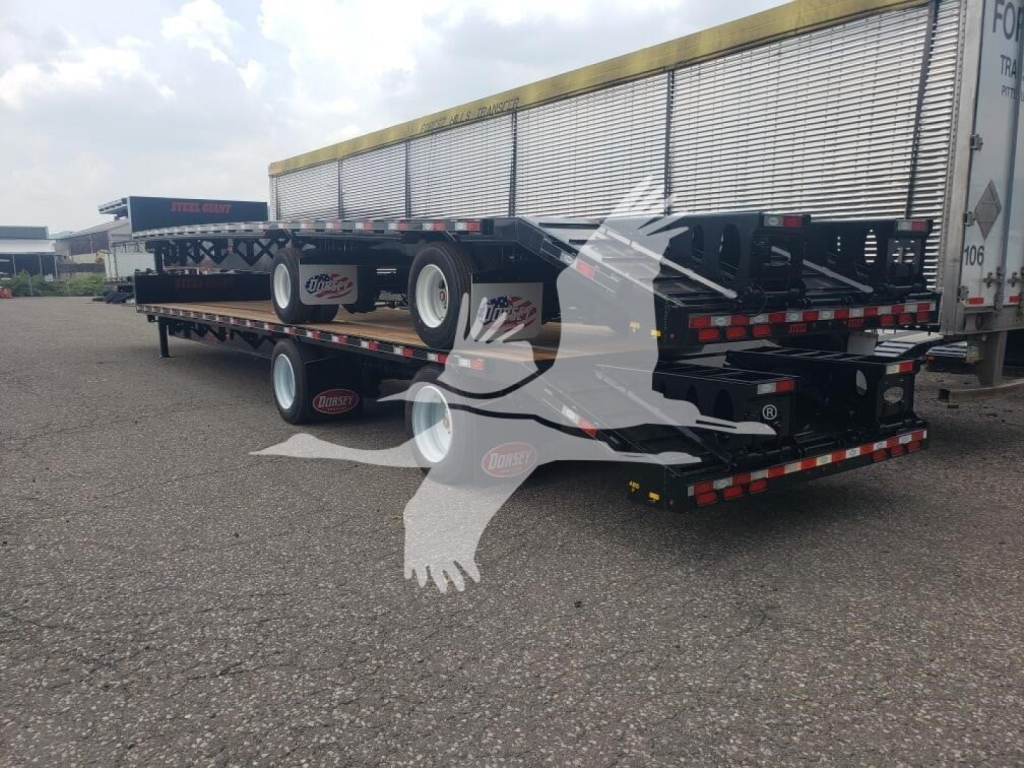
Some 2020 Dorsey drop deck trailers are standard straight deck models, while others are beavertail configurations with spring-assisted ramps. That distinction matters. A beavertail drop deck is better suited for loading small machines, lifts, or wheeled equipment without always needing dock access or separate ramps. A standard drop deck may offer a cleaner lower deck for freight that needs every inch of usable flat space. Buyers should also look at kingpin setting, landing gear condition, tire size, wheel material, brake life, and whether the trailer has steel or aluminum components in high-wear areas. A combo-style build can reduce trailer weight, but an all-steel configuration may make sense for tougher vocational use.
When evaluating a used 2020 model, pay attention to deck condition, floor fasteners, side rail wear, winch track damage, and any signs of overloading around the drop transition and rear frame. Check for suspension alignment issues, air ride leaks, corrosion around crossmembers, and repairs near ramps or beavertail sections if equipped. Dorsey has long been a recognized name in the open-deck market, so replacement parts and service familiarity are generally favorable. For many fleets and owner-operators, a 2020 Dorsey drop deck hits a useful middle ground between purchase cost, securement flexibility, and the ability to haul taller freight legally on standard routes.
Frequently Asked Questions about Used 2020 Dorsey Drop Deck Trailers
What is the typical deck layout on a 2020 Dorsey drop deck trailer?
Many 2020 Dorsey drop deck trailers are configured at 48 feet by 102 inches with an upper deck around 10 feet and a lower deck around 38 feet. Loaded lower deck height is often near 41 inches, which is one of the main reasons buyers choose a drop deck over a flatbed for taller freight.
What can a Dorsey drop deck trailer typically haul?
This trailer class is commonly used for machinery, palletized freight, steel, construction materials, crated equipment, and other loads that benefit from lower deck height. Beavertail versions with ramps are also useful for hauling forklifts, scissor lifts, and light equipment that can be driven onto the deck.
What specs matter most when comparing used 2020 Dorsey drop deck listings?
The most important specs are lower deck length, loaded deck height, axle count, suspension type, GVWR, kingpin setting, crossmember spacing, and tie-down equipment such as winch tracks, sliding winches, stake pockets, and pipe spools. Buyers should also verify flooring type, ramp setup if equipped, and current tire and brake condition.
Is a beavertail Dorsey drop deck better than a standard straight drop deck?
It depends on the freight mix. A beavertail with ramps is more convenient for self-loading equipment and wheeled machines, while a standard straight drop deck usually provides a cleaner lower deck for general commodity hauling. The right choice depends on how often the trailer needs to function like an equipment hauler versus a general open-deck trailer.
What should I inspect on a used 2020 Dorsey drop deck before buying?
Focus on the Apitong floor, side rails, winch track, stake pockets, landing gear, suspension, brakes, tires, and the structural areas around the neck, drop transition, and rear frame. On beavertail units, inspect ramp pivots, traction bars, and the tail structure for wear or repair history. Uneven tire wear, cracked welds, and deck damage can tell you a lot about how the trailer was loaded and maintained.