
Used Dorsey Drop Deck Trailers For Sale
Shop used Dorsey drop deck trailers with specs on deck length, beavertails, ramps, axle setups, GVWR, and load securement options.
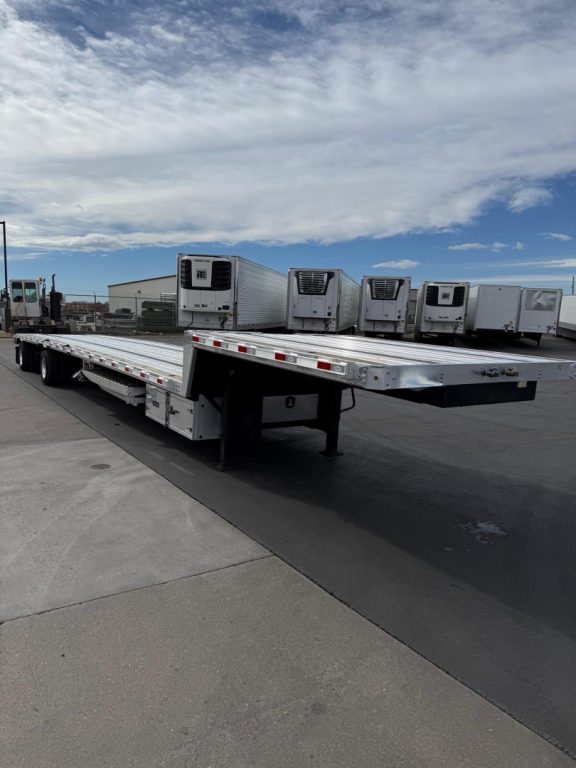
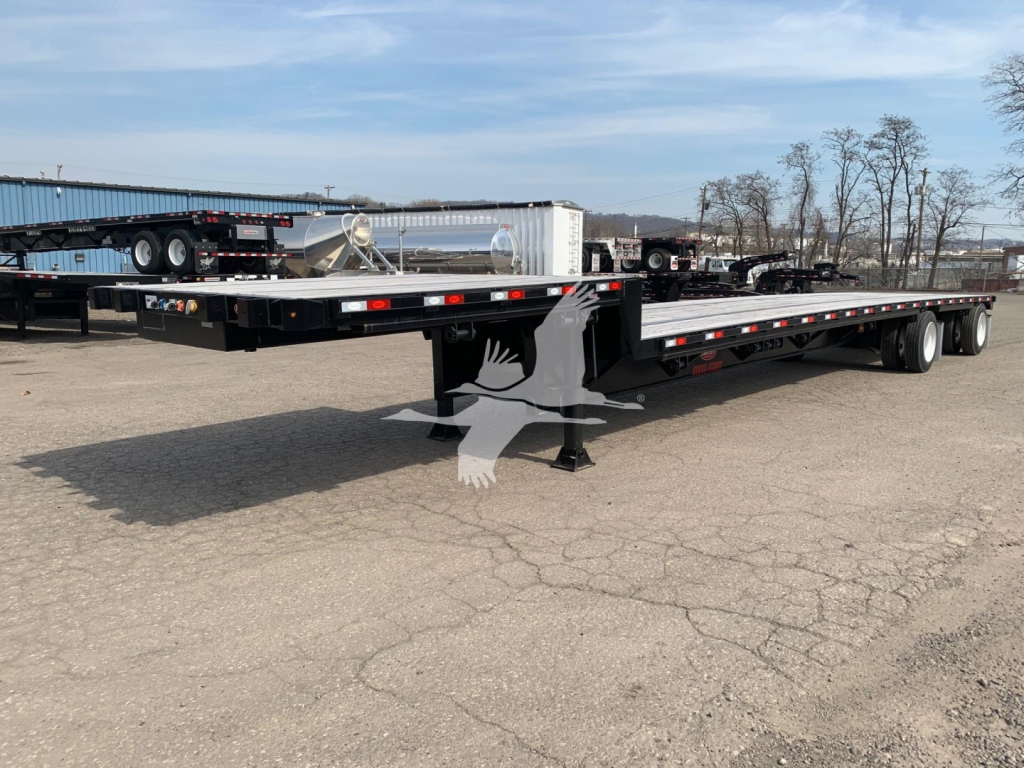
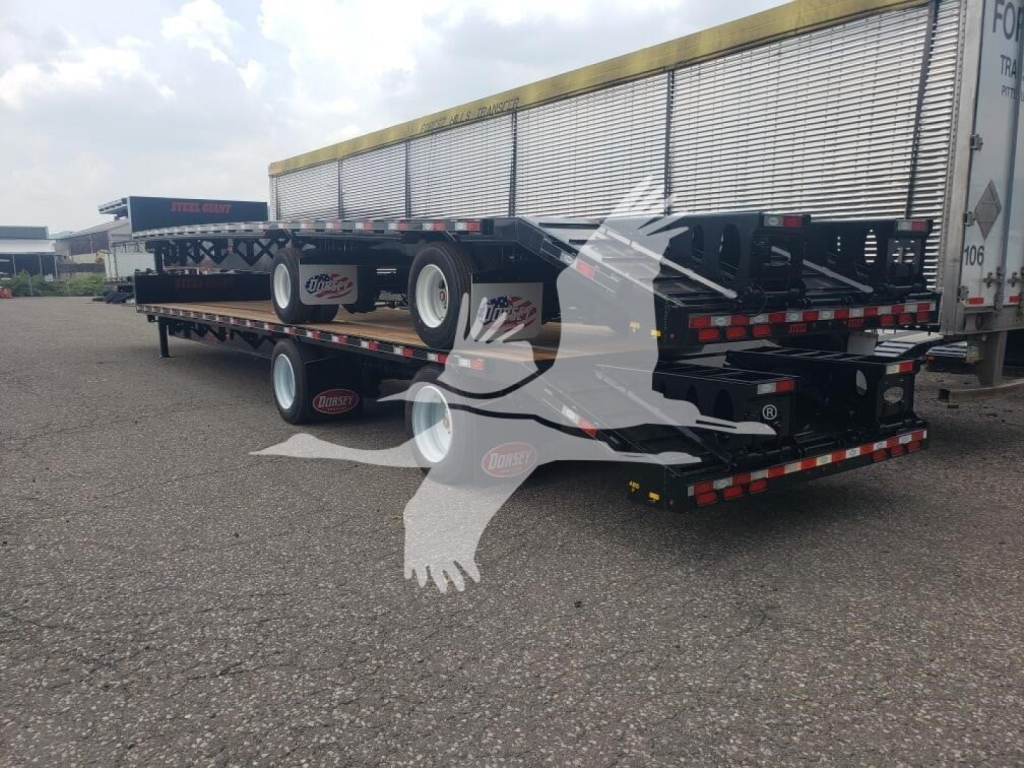
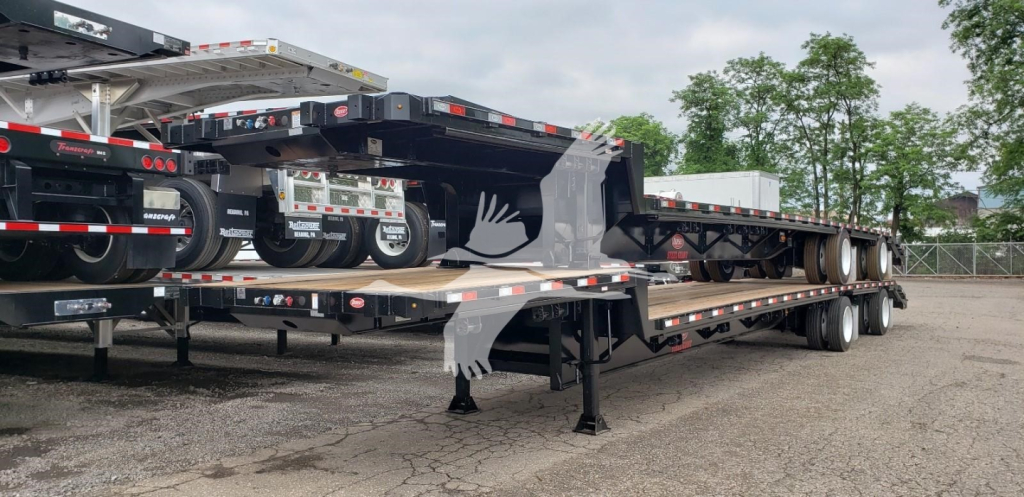
Selling a used dorsey drop deck trailer? List your used dorsey drop deck trailer for sale and reach thousands of commercial buyers.
Used Dorsey Drop Deck Trailers
The first buying decision is usually deck configuration. Common Dorsey drop deck trailers include 48-foot and 53-foot lengths, often with a 10-foot to 12-foot upper deck and a main deck in the mid-30-foot range. Main deck height is commonly around 37 to 41 inches, which can make a meaningful difference when you are chasing every inch of legal loaded height. Some units are straight drop decks, while others are beavertail drop decks with spring-assisted ramps for easier loading of forklifts, skid steers, scissor lifts, and other wheeled equipment. Combo construction is also common, using steel main beams with aluminum components to reduce empty weight while keeping strength where it counts.
Pay close attention to axle and suspension specs because they directly affect payload and lane flexibility. Many used Dorsey drop decks are tandem axle air ride trailers in the 80,000 GVWR class, often rated around 60,000 pounds in 10 feet. Heavier configurations also exist, including tri-axle models, lift axles, and 120,000 GVWR heavy-duty variants for concentrated loads. Suspension brands such as Ridewell and Hendrickson are common, and details like axle spacing, kingpin setting, dump valves, tire size, and crossmember spacing matter if you haul mixed freight or operate in states with stricter bridge and spread requirements. A buyer should also look at deck material and condition, especially Apitong flooring, side rail integrity, and wear around ramp hinges, beavertails, and the rear transition.
Load securement setup is where one used Dorsey drop deck can be much more useful than another. Stake pockets, pipe spools, sliding winches, winch tracks, nail strips, and heavy-duty side rails all add versatility for open deck freight. Toolboxes, aluminum wheels, scuff-resistant decking, and LED lighting packages can improve daily usability and lower upkeep. On used equipment, brake percentage, tire remaining tread, landing gear condition, fifth wheel plate wear, and any frame or deck repairs deserve a close inspection. If your freight mix includes equipment loading, a beavertail with traction bars and ramps can save time. If you are focused on maximizing payload, a lighter combo drop deck may be the better fit.
Frequently Asked Questions about Used Dorsey Drop Deck Trailers
What is the advantage of a Dorsey drop deck trailer compared with a flatbed?
A drop deck trailer, also known as a step deck trailer, has a raised upper deck and a lower main deck that allows taller freight to ride lower than it would on a flatbed. That extra height clearance is the main reason buyers choose this category. It is a strong fit for equipment, building materials, and palletized loads that need more legal load height without moving to a lowboy.
What specs matter most when buying a used Dorsey drop deck trailer?
Deck length, loaded deck height, axle configuration, suspension type, and weight rating should be at the top of the list. Buyers should also check kingpin setting, crossmember spacing, deck material, and securement equipment such as sliding winches, pipe spools, and stake pockets. On used trailers, ramp condition, flooring wear, brake life, tire condition, and signs of frame repairs are just as important as the published specs.
Are Dorsey beavertail drop deck trailers better for equipment hauling?
A beavertail drop deck is often the better choice if you regularly load wheeled or tracked equipment. The sloped rear section reduces loading angle, and spring-assisted ramps make loading more efficient in the field. That setup is especially useful for skid steers, small construction machines, forklifts, and other equipment that can be driven or winched onto the deck.
What are common axle and GVWR configurations on used Dorsey drop decks?
Many used Dorsey drop deck trailers are tandem axle air ride models rated around 80,000 GVWR, with load concentrations commonly listed around 60,000 pounds in 10 feet. Heavy-duty models can be tri-axle units with lift axles and much higher gross ratings, including 120,000 GVWR configurations. The right setup depends on your freight weight, axle laws in your operating region, and whether you need more bridge capacity or concentrated load capability.
Is a combo Dorsey drop deck trailer a good choice for general freight?
A combo trailer can be a very practical option for general open deck work because it blends steel strength in the main structure with aluminum components that reduce tare weight. That can improve payload while still holding up well under regular use. Buyers hauling mixed freight often prefer combo construction when they want a balance of durability, securement flexibility, and lower empty weight.