
Dorsey Trailers For Sale in Pennsylvania
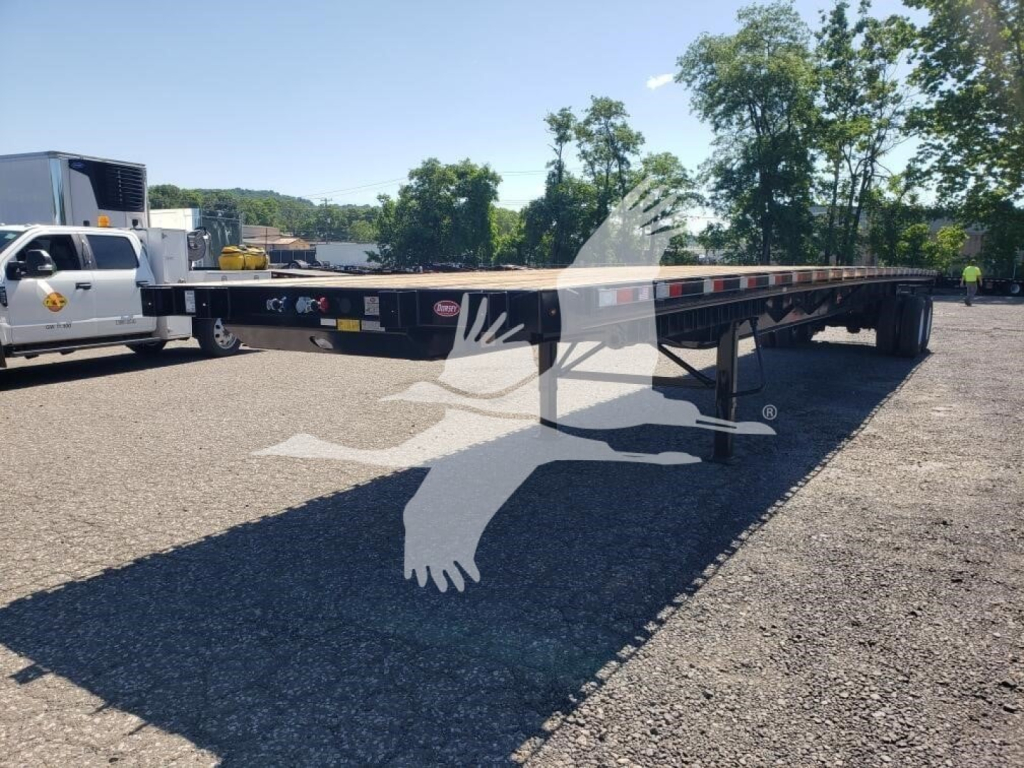
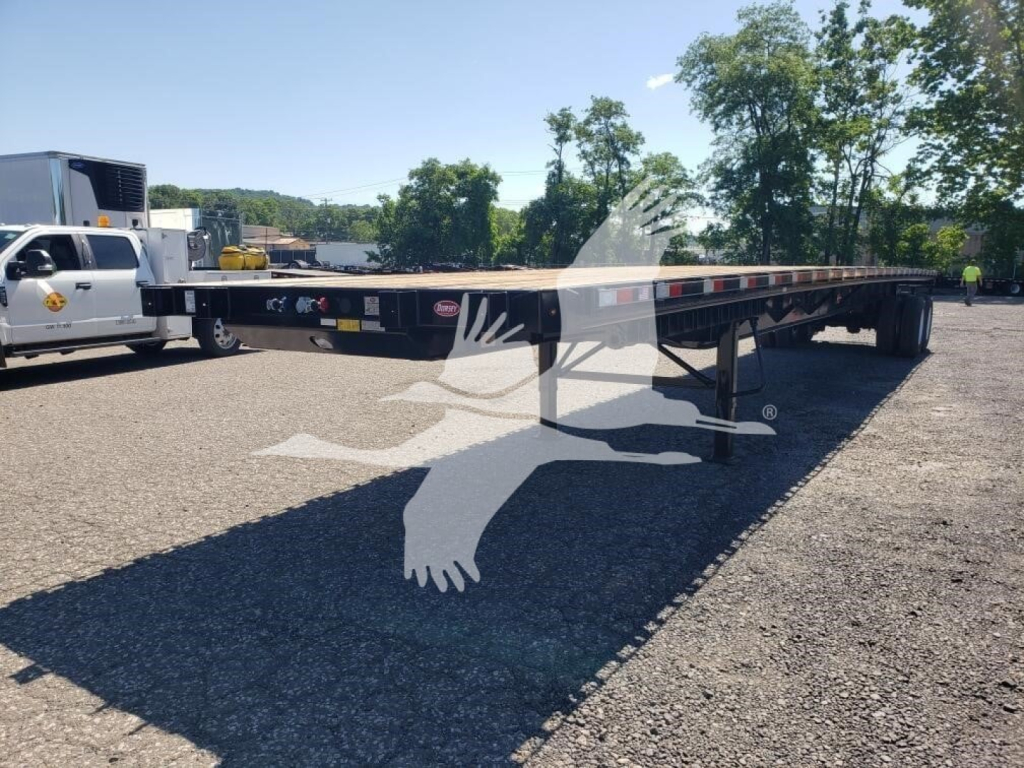
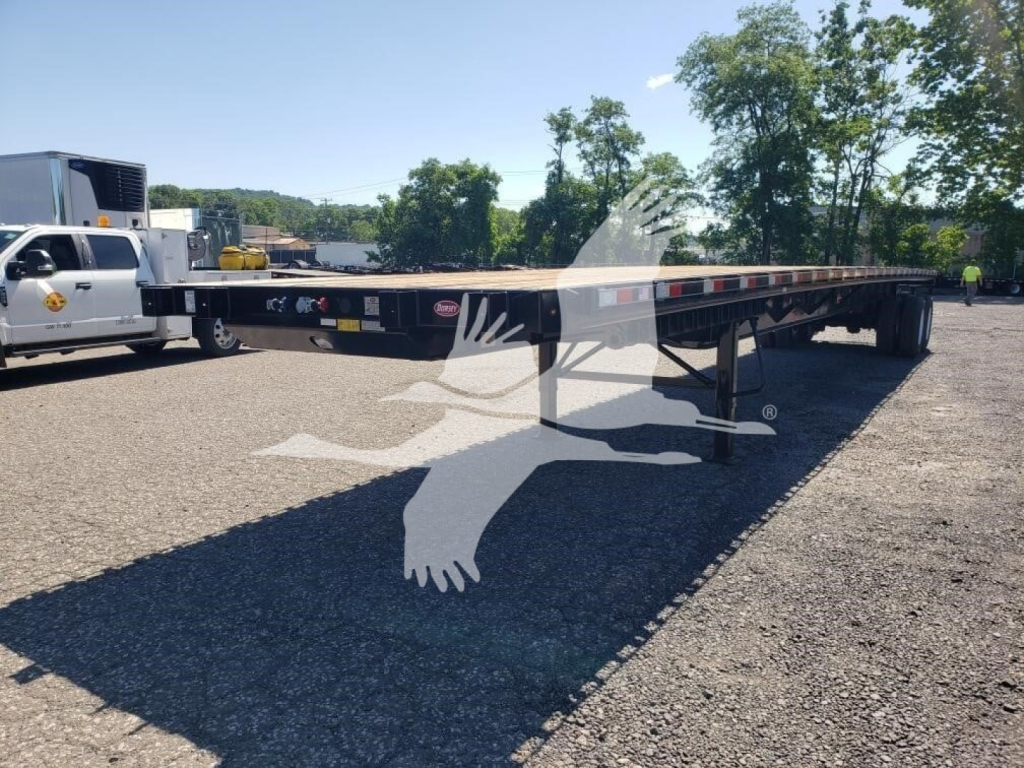
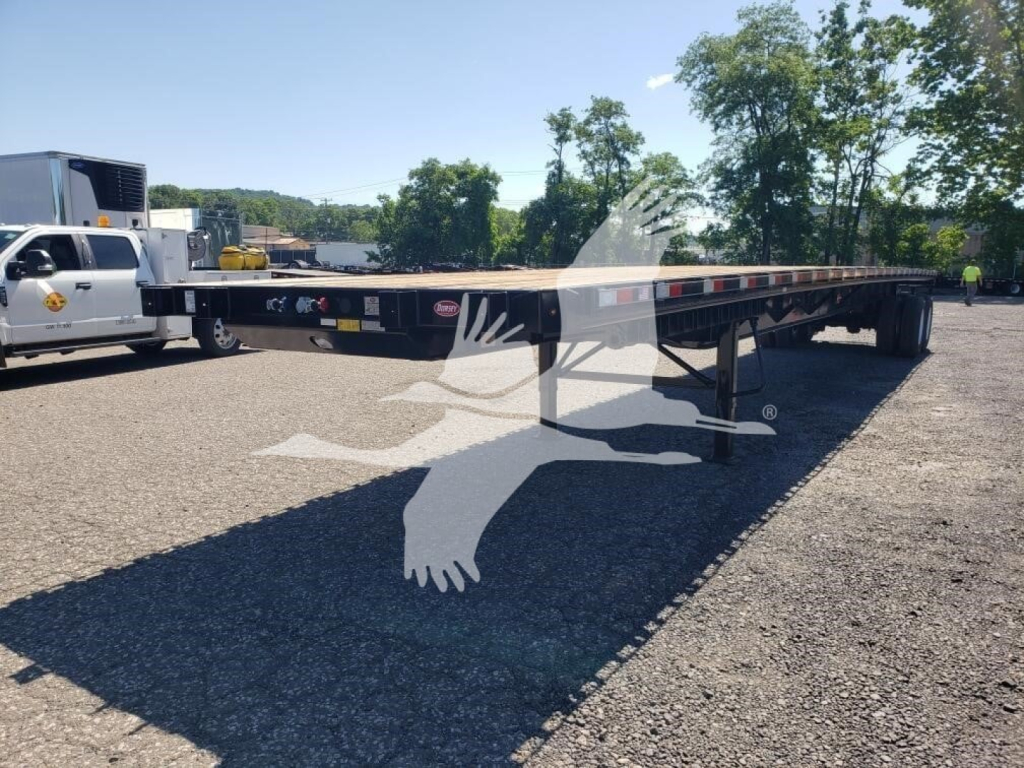
Shop Dorsey trailers for sale in Pennsylvania, including flatbed and drop deck models with steel construction, Apitong floors, air ride, and sliders.
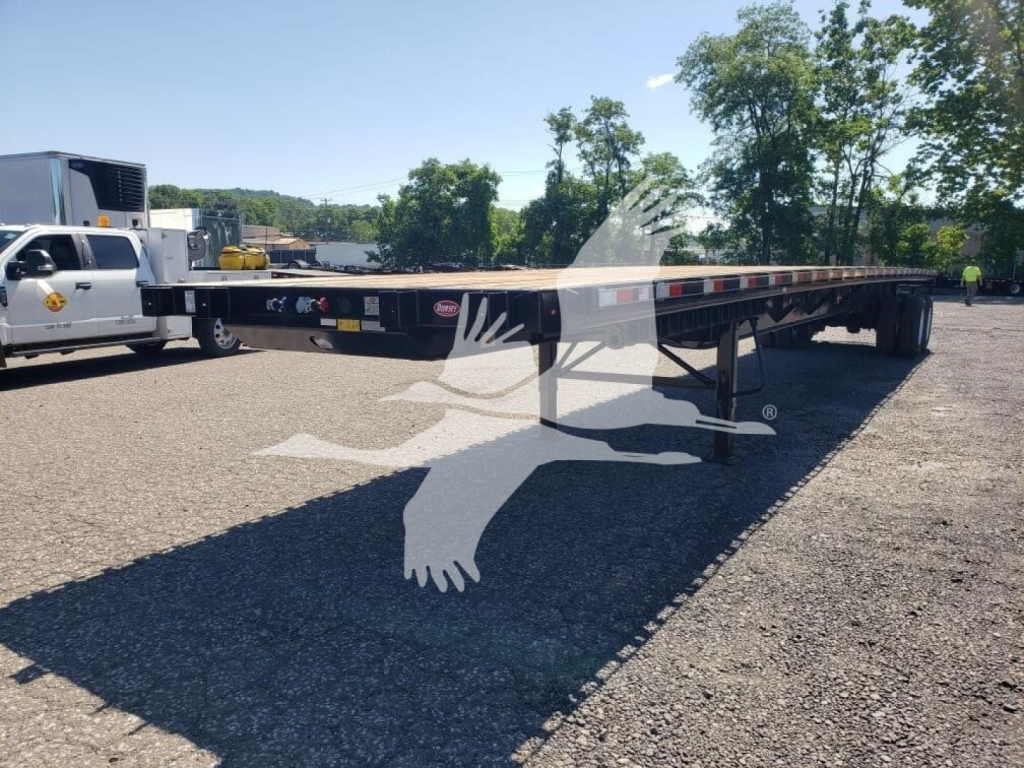
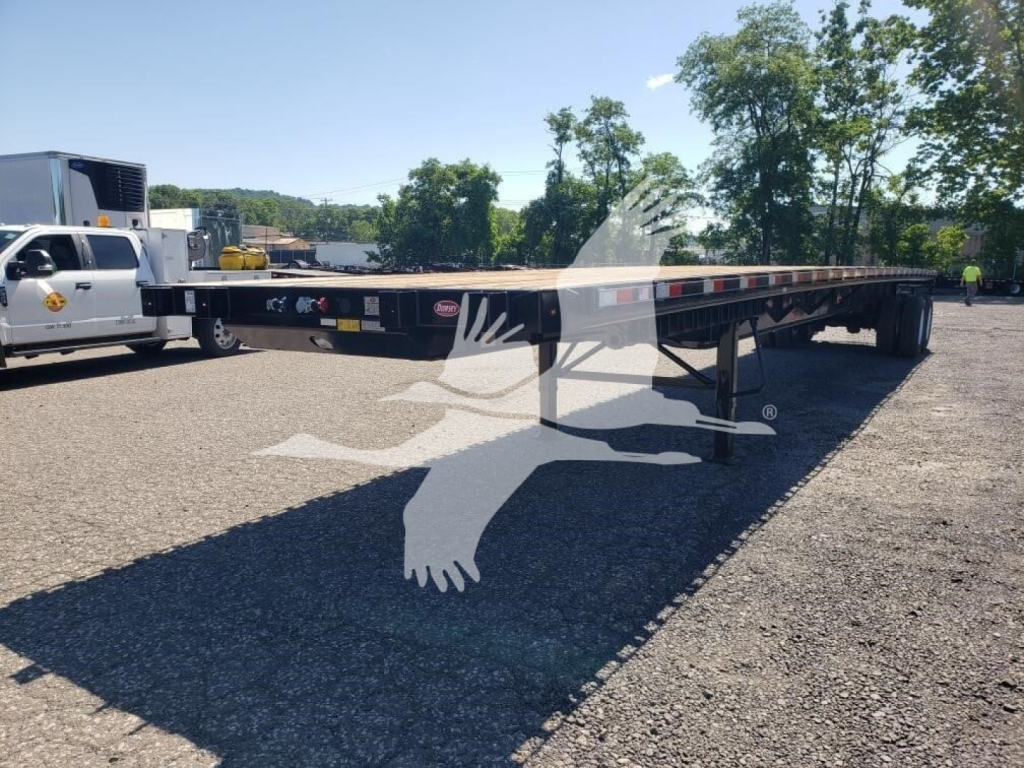
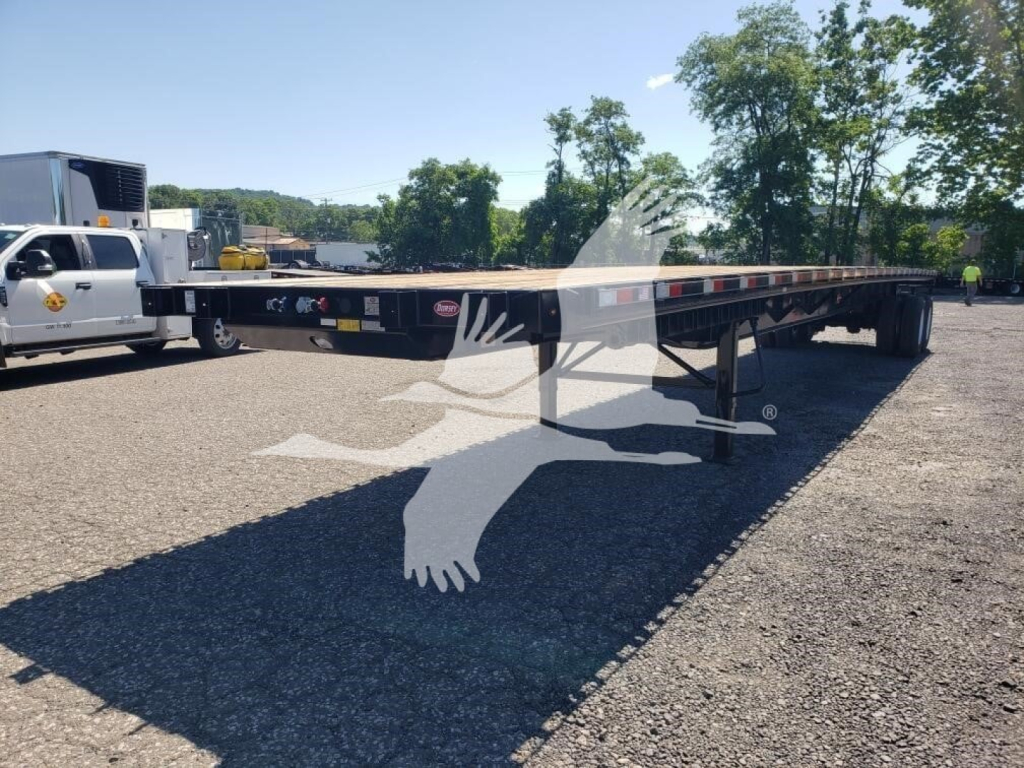
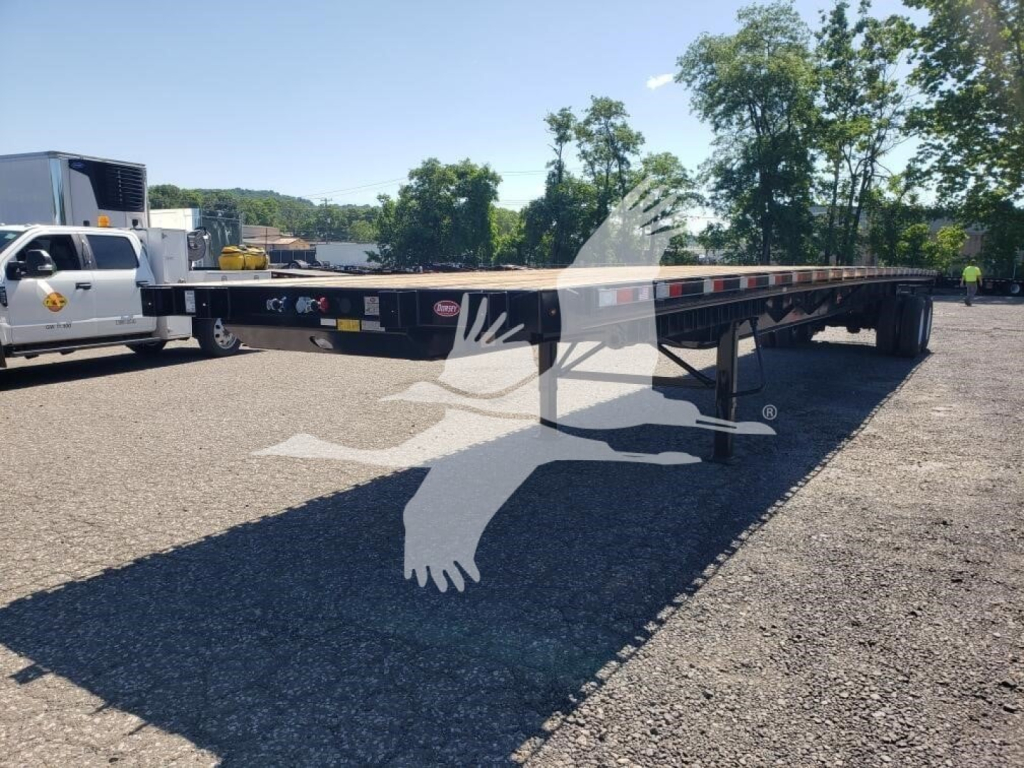
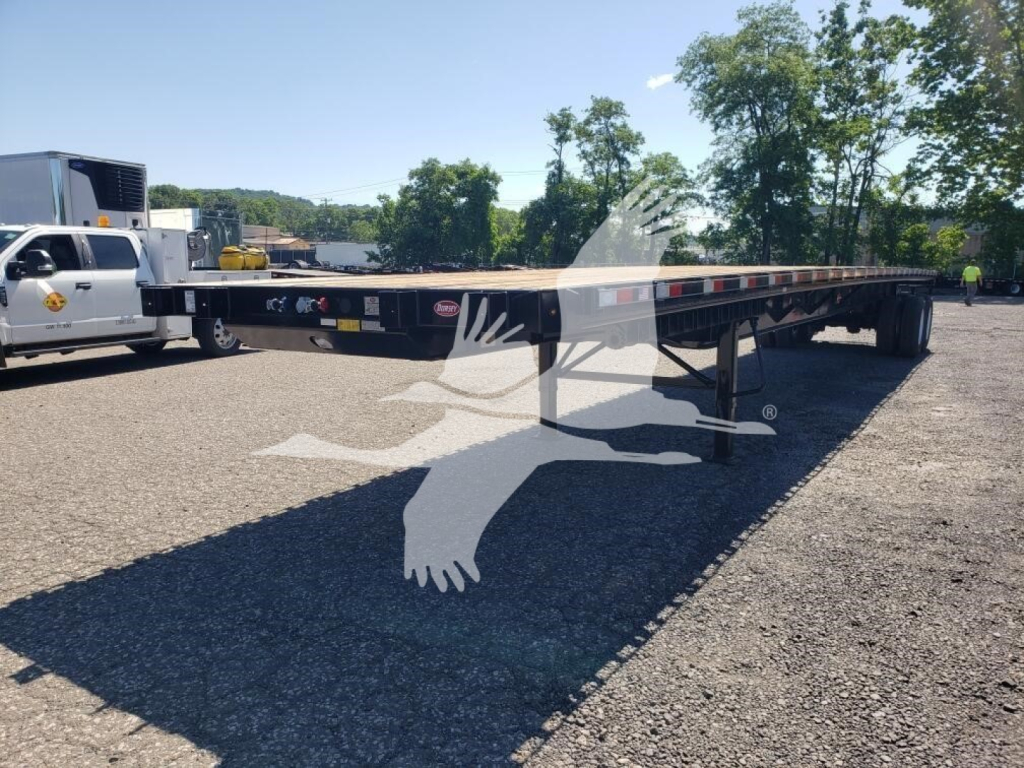
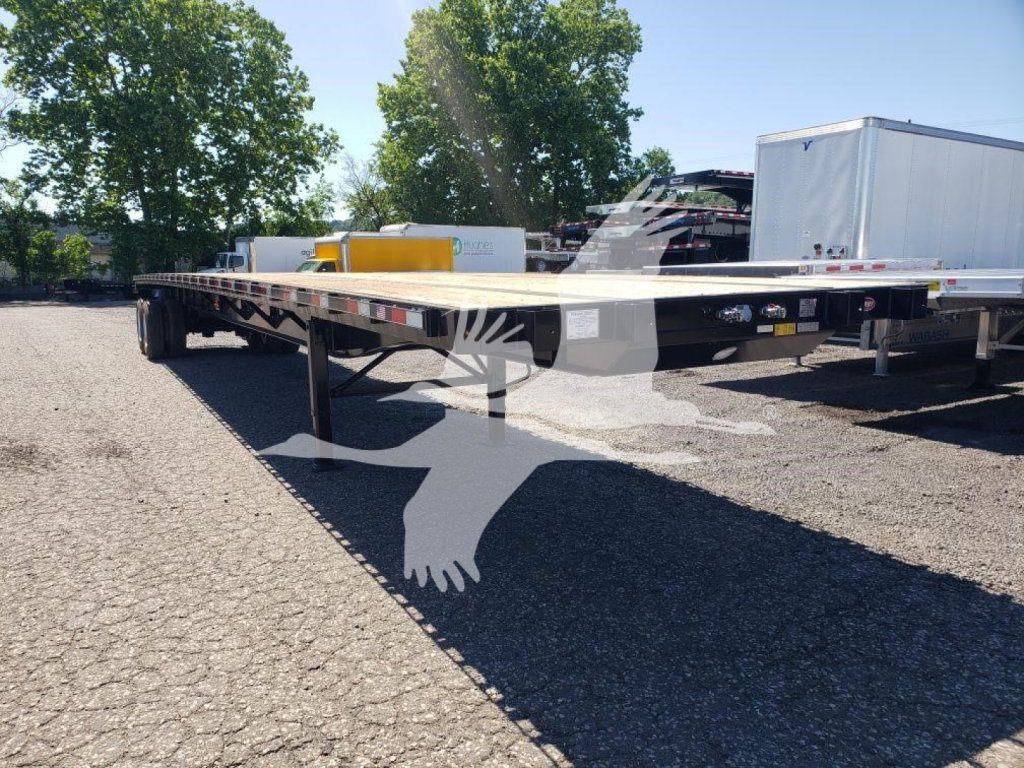
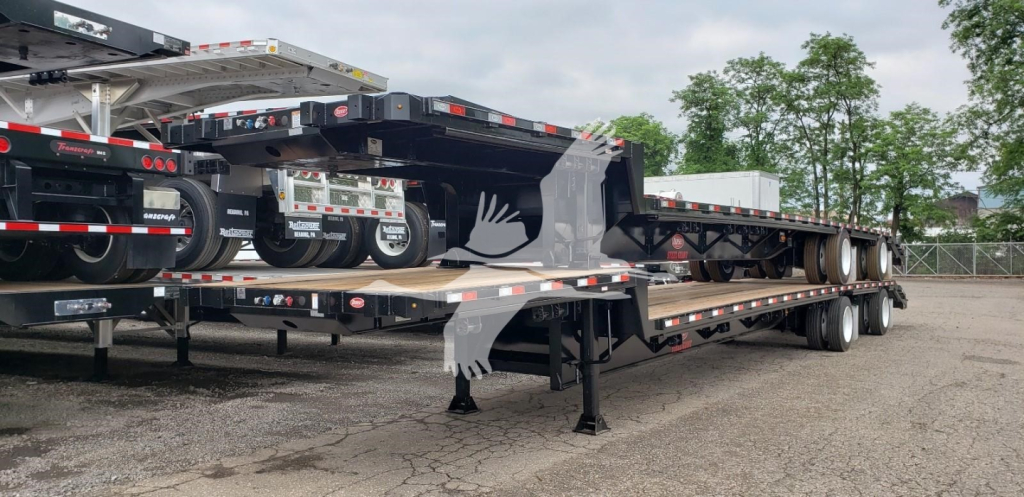
Showing 25 to 41 of 41 results
Have dorsey trailer to sell? List it here to reach thousands of buyers.
Dorsey Trailers in Pennsylvania
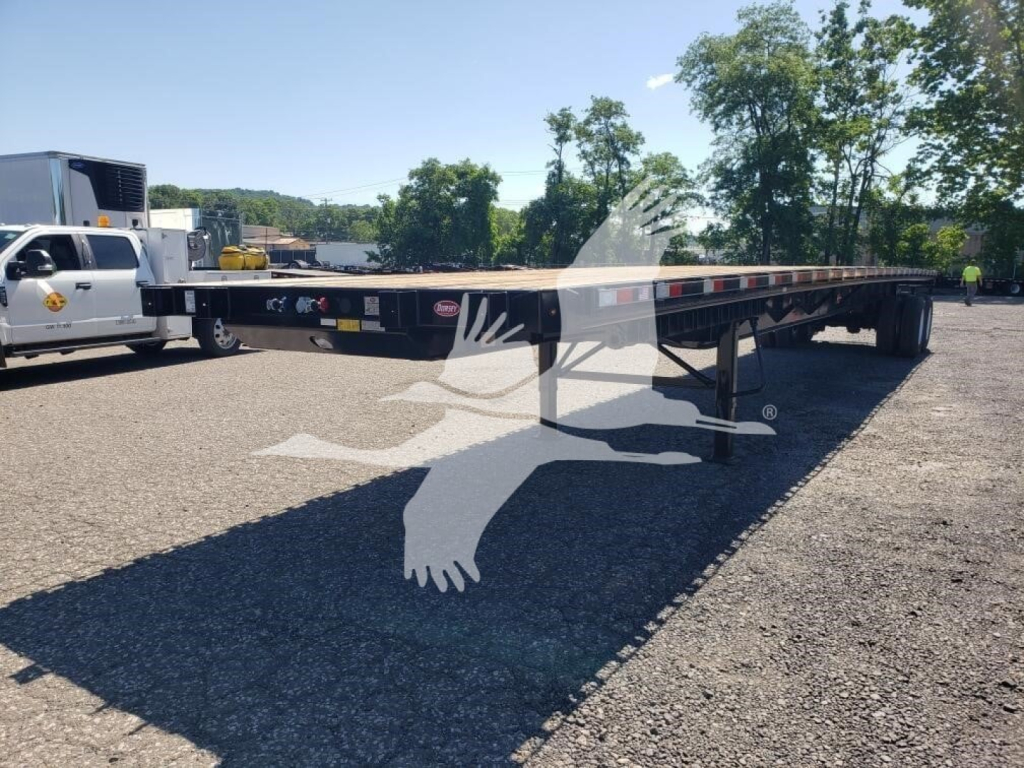
For many buyers, the key decision starts with trailer type. A Dorsey flatbed trailer is typically the right fit for palletized freight, lumber, pipe, coil racks, and general open-deck work where full deck length matters more than reduced deck height. Common lengths are 48 and 53 feet, often with steel construction, 1 1/8-inch Apitong flooring, full or roadside winch tracks, sliding winches, stake pockets, and double pipe spools. A Dorsey drop deck, also called a step deck trailer, adds lower deck height for taller freight that would be difficult to move legally on a standard flatbed. Beavertail configurations with spring-assisted ramps are especially useful for compact equipment, small machines, and wheeled units that need drive-on loading without moving into a full detach trailer.
The spec details on a Dorsey trailer deserve close attention because they directly affect payload, loading flexibility, and maintenance cost. Buyers should compare air ride versus spring ride suspension, sliding tandem versus fixed spread axle layouts, kingpin setting, crossmember spacing, and tire size. Air ride and Hendrickson-style suspension setups are often preferred for more delicate freight and better road manners, while spring ride can still make sense for rugged, repetitive applications. On flatbeds, details like 12-inch crossmember centers, structural channel side rails, Jost two-speed landing gear, steel wheels, and full-length winch tracks can make a real difference in daily use. On drop decks, look at loaded deck height, upper deck length, main deck length, ramp design, and whether the side rail will accept common flat hook securement methods.
Used Dorsey trailers can be attractive when the frame, floor, suspension, and slider system have been kept up, since these trailers are often built for hard service and straightforward repairs. Buyers in Pennsylvania should also watch for corrosion, floor condition, side rail wear, tandem slide operation, suspension bushing wear, and evidence of concentrated loading damage around crossmembers or rear impact areas. A newer Dorsey trailer may offer updated LED lighting, cleaner underframe condition, and lower immediate repair exposure, but the right choice still comes down to freight type, lane requirements, and how the trailer was spec'd from the start. If the work is general flatbed freight, a steel Dorsey with Apitong floor, sliding winches, and a slider tandem is a proven, easy-to-deploy setup. If the work includes taller freight or equipment, a Dorsey drop deck with beavertail and ramps can add more versatility without moving to a more specialized trailer class.
Frequently Asked Questions about Dorsey Trailers in Pennsylvania
What are Dorsey trailers most commonly used for?
Dorsey trailers are most commonly used in open-deck freight service, especially flatbed and drop deck applications. They are frequently spec'd for hauling steel, lumber, machinery, building products, pipe, and palletized freight that can be loaded from the side, top, or rear. Drop deck and beavertail versions are also well suited for taller freight and smaller equipment that benefits from lower deck height or ramp access.
What should I look for when buying a used Dorsey flatbed trailer?
Focus on the structural and wear items first. Inspect the frame, crossmembers, side rails, kingpin area, tandem slider, suspension components, landing gear, and floor condition. Check for rust scale, cracked welds, damaged winch track sections, bent rear members, and excessive wear from concentrated loads like steel coils or machinery. Also confirm that lights, brakes, tires, and sliding winches are serviceable, since those items affect immediate operating cost.
Is a Dorsey flatbed or Dorsey drop deck better for my operation?
A Dorsey flatbed is generally better for standard open-deck freight where full deck length and simple loading access are the priority. A Dorsey drop deck, also known as a step deck, is the better fit when freight height is the limiting factor because the lower main deck helps keep taller loads within legal height. If you move mixed freight and occasional equipment, a drop deck with beavertail and ramps can provide more flexibility than a standard flatbed.
What suspension and axle setups are common on Dorsey trailers?
Common Dorsey trailer setups include tandem axles with either sliding tandems, spread sliders, or fixed spread configurations depending on the trailer type and intended freight. Suspension is often either air ride or spring ride. Air ride is popular for ride quality and cargo protection, while spring ride remains a durable option for demanding applications. The right setup depends on bridge law compliance, maneuverability needs, cargo sensitivity, and how often the axle position needs to change.
Why is Apitong flooring common on Dorsey trailers?
Apitong is common because it offers a strong, durable wood deck surface that holds up well under repeated forklift traffic, chain securement, and rough loading conditions. It provides good wear resistance and is widely accepted in flatbed and drop deck service. Buyers still need to inspect for rot, delamination, excessive gouging, and loose fasteners, but a solid Apitong floor is a major advantage on an open-deck trailer.