
2020 Dorsey Trailers For Sale in Pennsylvania
Shop 2020 Dorsey trailers in Pennsylvania. Compare flatbed and drop deck specs, deck lengths, suspension types, weight ratings, and cargo setups.
Selling a 2020 dorsey trailer? List your 2020 dorsey trailer for sale and reach thousands of commercial buyers.
2020 Dorsey Trailers in Pennsylvania
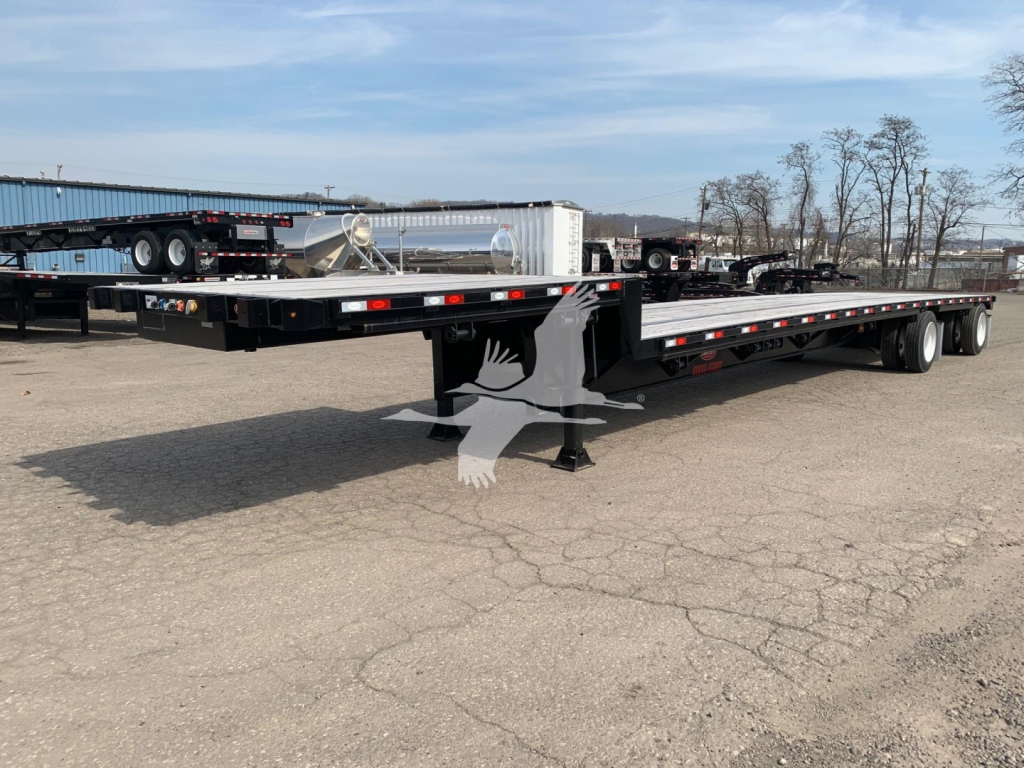
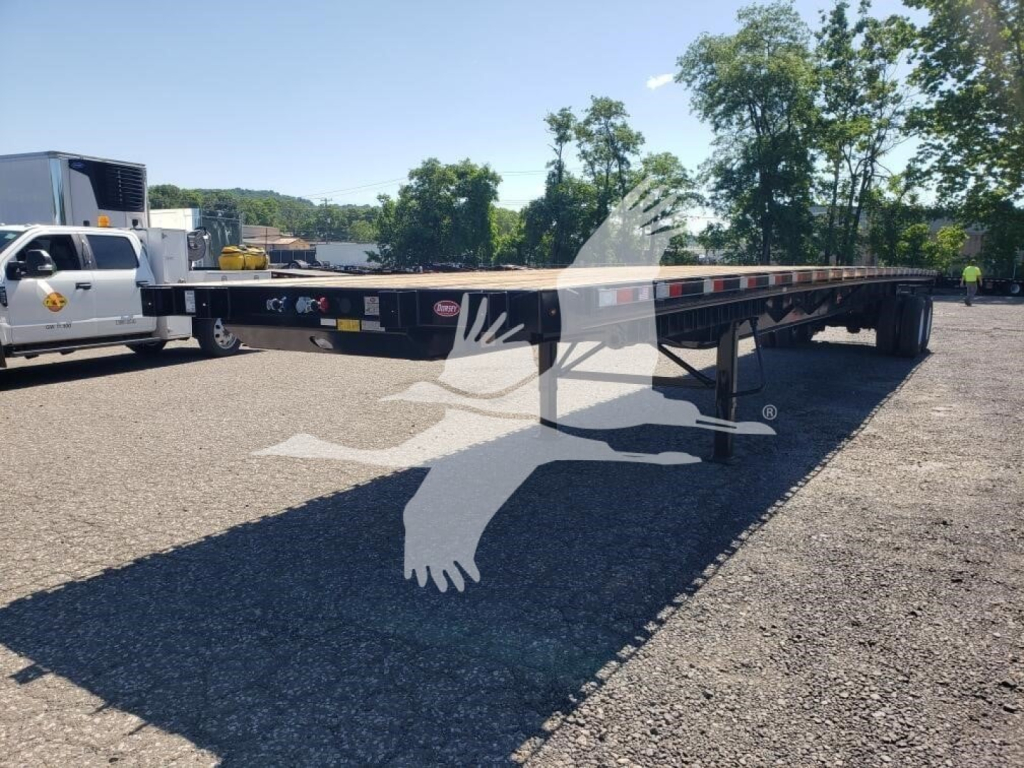
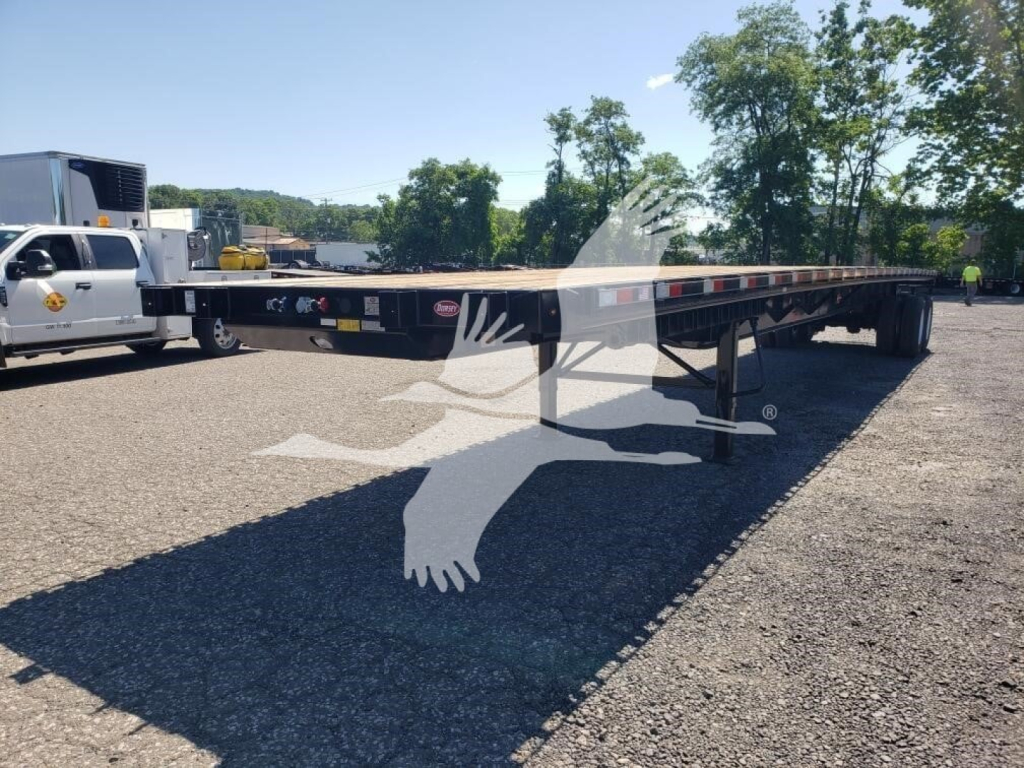
On Dorsey flatbeds from this era, buyers often compare 48-foot and 53-foot lengths, 102-inch width, Apitong flooring, kingpin setting, winch track layout, and tandem configuration. Common features in this class include double pipe spools, sliding winches, steel or galvanized structural components, and sliding tandem suspensions set around 49 inches. Spring ride is still common on workhorse flatbeds, while some drop deck and specialized applications use air ride for better load protection. Crossmember spacing matters more than many buyers think. Tighter centers generally help floor life and concentrated load performance, especially with forklifts, steel products, and repetitive dock or yard loading. Landing gear brand, hub style, tire size, and lighting harness quality also deserve attention because those details affect service intervals and roadside downtime.
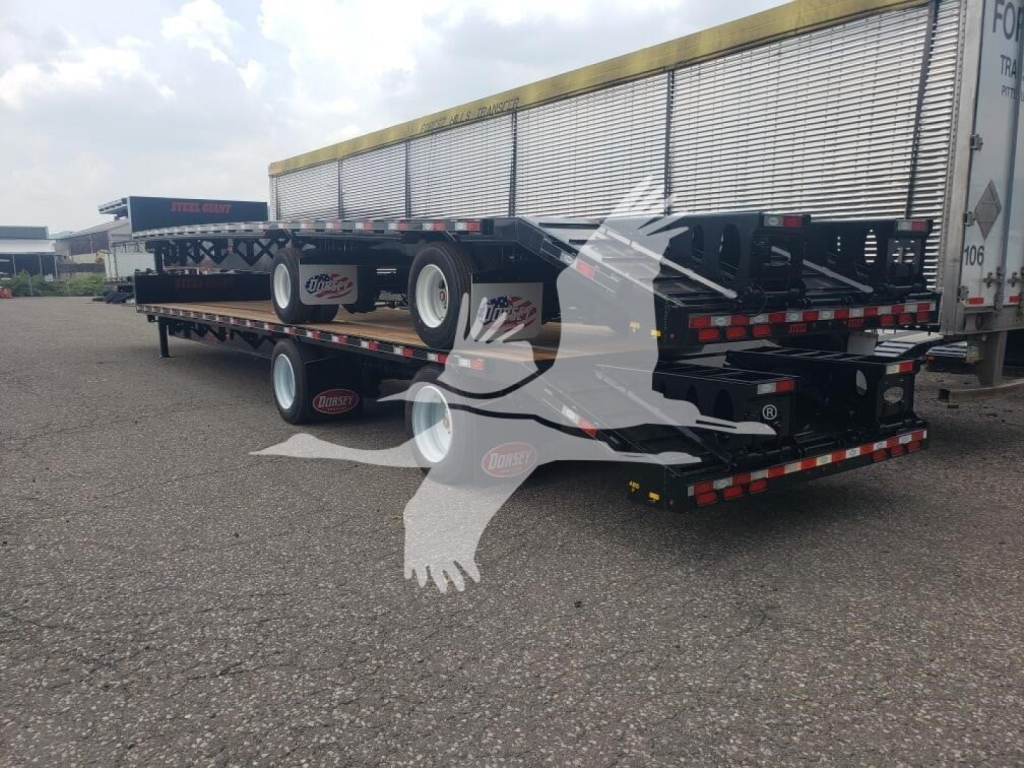
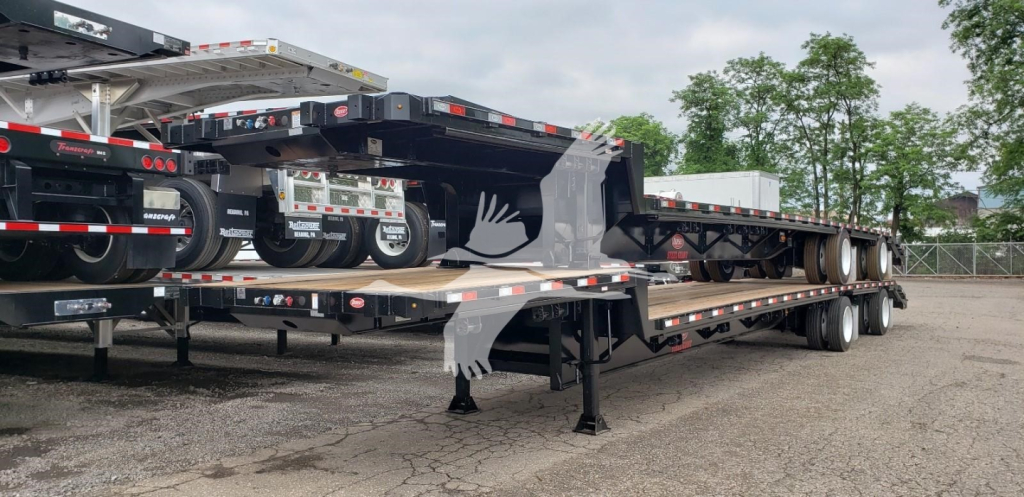
For drop decks and beavertail Dorsey trailers, focus on top deck length, main deck length, loaded deck height, ramp style, and suspension rating. A lower main deck can be the difference between moving a legal-height machine and needing permits or rerouting. Buyers hauling compact equipment, ag machines, or palletized freight with height restrictions often look closely at deck height in the low 40-inch range, while heavier specialized models may trade weight for capacity and lower deck geometry. Ramps, traction bars, D-rings, fabricated main beams, and swing clearance all matter if the trailer will see frequent equipment loading rather than pure freight duty. In Pennsylvania, road conditions, seasonal corrosion, and mixed rural-highway service also make frame condition, brake health, bushing wear, and coating quality worth a close inspection.
A used 2020 Dorsey trailer should be evaluated as a working asset, not just by make and model. Check floor condition around forklift traffic lanes, side rail wear from chains and straps, winch track straightness, suspension alignment, and signs of concentrated load stress near axle groups and transition points on step decks. Verify GVWR, distributed load rating such as 60,000 pounds in 10 feet where applicable, and match the trailer to the freight you actually haul most often. Buyers who get the most value out of a Dorsey usually start with cargo profile, securement method, and loading equipment, then narrow by deck length, ride type, and structural specification. That approach tells you more than paint, wheels, or cosmetic upgrades ever will.
Frequently Asked Questions about 2020 Dorsey Trailers in Pennsylvania
What types of 2020 Dorsey trailers are most common?
The most common 2020 Dorsey trailers on the used market are flatbeds and drop decks, including beavertail step deck configurations. Flatbeds are typically chosen for general open-deck freight such as steel, lumber, and building materials. Drop decks are preferred when freight height is a concern or when easier loading is needed for machinery and palletized cargo. The right choice depends on the dimensions, weight distribution, and loading method of your regular freight.
What should I inspect first on a used 2020 Dorsey trailer?
Start with the structural and wear components. Inspect the floor for rot, cracking, or forklift damage, especially on Apitong decks. Check crossmembers, main beams, side rails, and the area around the suspension hangers for repairs, bends, or corrosion. Then inspect the tandem slide, brakes, bushings, tires, hubs, lighting harness, and landing gear. On drop decks, pay extra attention to the transition area, ramp mounts, and beavertail structure because those sections see repeated loading stress.
Is spring ride or air ride better on a 2020 Dorsey trailer?
Neither is universally better. Spring ride is simple, durable, and common on flatbeds used in tougher service with dense freight. Air ride is often preferred when the cargo is more sensitive or when ride quality matters, such as machinery, packaged freight, or mixed loads. The better choice depends on the freight, route conditions, maintenance practices, and how much value you place on load protection versus simplicity and repair cost.
Why do deck height and kingpin setting matter on a Dorsey drop deck or flatbed?
Deck height directly affects legal load height, loading angle, and equipment compatibility. A lower deck can create more flexibility for taller cargo and reduce permit issues. Kingpin setting affects axle placement, bridge law compliance, and tractor-trailer weight distribution. These dimensions should be checked against the tractors in your fleet and the freight lanes you run, especially if bridge spacing, turning clearance, or customer dock conditions are recurring concerns.
Are galvanized components worth it on a Dorsey trailer in Pennsylvania?
Galvanized components can be a strong advantage in Pennsylvania because trailers often see road salt, moisture, and mixed seasonal use. Galvanized front and rear members, side rails, and crossmember structures can help reduce corrosion and extend service life, especially on trailers that spend time outdoors or run through winter conditions. They do not eliminate maintenance needs, but they can improve long-term durability and resale appeal compared with standard painted steel in the same application.