
New Dorsey Trailers For Sale in Pennsylvania
Shop new Dorsey trailers in Pennsylvania, including flatbed and drop deck models with Apitong floors, air ride suspension, and heavy-duty specs.
Learn more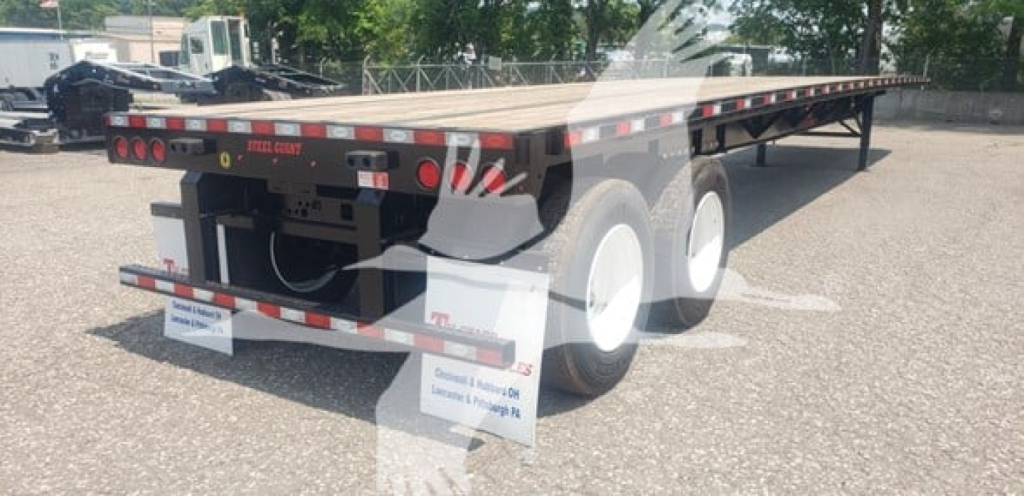
Showing 13 to 15 of 15 results
Have new dorsey trailer to sell? List it here to reach thousands of buyers.
About New Dorsey Trailers in Pennsylvania
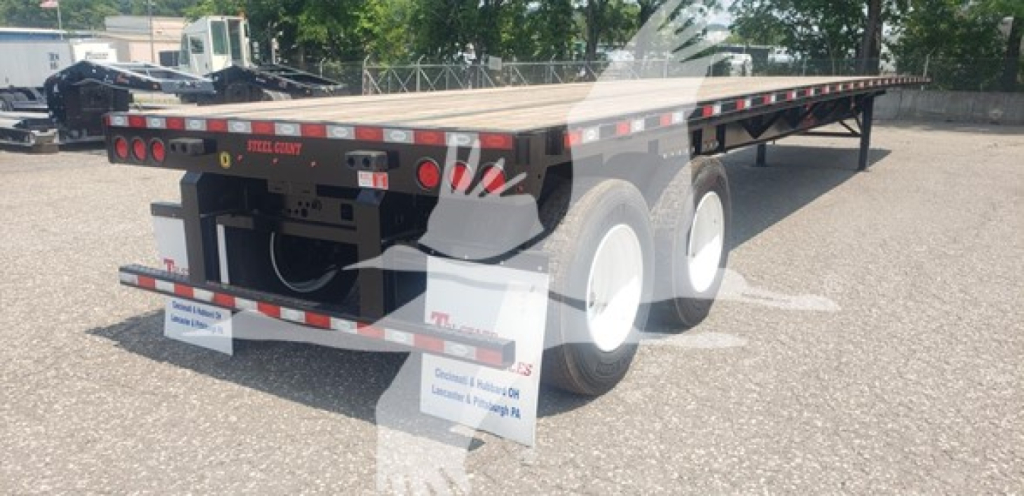
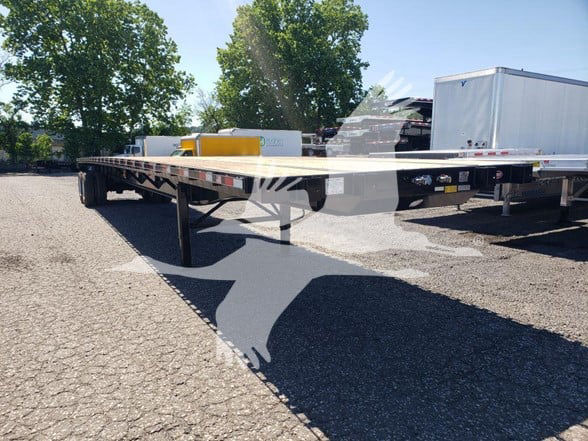
Spec details matter more than the badge once the application is clear. Common features on new Dorsey trailers include 1 1/8-inch Apitong flooring, steel front and rear members, double pipe spools, roadside winch tracks, and sliding winches for flexible tie-down points. On flatbeds, buyers should pay close attention to side rail design, crossmember spacing, and axle configuration because those directly affect securement options and long-term durability under concentrated loads. A 49-inch spread axle air ride setup is common on flatbeds and helps with ride quality, weight distribution, and compliance across different hauling conditions. On drop decks, deck length split, loaded deck height, beavertail design, and ramp construction are key factors if the trailer will handle forklifts, compact equipment, or wheeled machinery.
Pennsylvania operators also tend to value suspension and undercarriage specs because road conditions, seasonal weather, and mixed regional freight can punish a lightly built trailer. Hendrickson air ride suspension, Jost two-speed landing gear, steel wheels, and heavy-duty crossmember layouts are all worth comparing from listing to listing. Tire size can vary by trailer type, with standard 22.5-inch rubber more common on flatbeds and smaller 17.5-inch tires sometimes used on drop decks to help keep deck height down. Kingpin setting is another important detail, especially if the trailer will be matched to multiple tractors or needs to stay balanced with heavier point loads.
For buyers narrowing down new Dorsey flatbeds or drop decks, the best approach is to match the trailer to the freight first, then compare the securement package and running gear. Look closely at GVWR, concentrated load rating such as 60,000 pounds in 10 feet, crossmember spacing, ramp setup, and whether the side rail will accept the hooks and chains used in your operation. Small spec differences can make a major difference in loading speed, legal payload, and maintenance cost over the life of the trailer.
Frequently Asked Questions
What is the difference between a Dorsey flatbed trailer and a Dorsey drop deck trailer?
A Dorsey flatbed trailer has a full-height, continuous deck and is typically preferred for palletized freight, steel, lumber, and general open-deck hauling. A Dorsey drop deck trailer, also called a step deck, has an upper deck and a lower main deck that reduces loaded deck height. That lower height helps carriers haul taller freight legally without requiring an overheight permit in many applications. If the work includes machinery or taller crated loads, a drop deck often provides more flexibility.
Why does Apitong flooring matter on a new Dorsey trailer?
Apitong is a common hardwood trailer flooring choice because it handles repeated forklift traffic, concentrated freight weight, and general open-deck wear better than many lighter alternatives. On a new Dorsey trailer, a 1 1/8-inch Apitong floor is a strong indicator the trailer is spec'd for serious commercial use. Buyers should still compare floor thickness, crossmember spacing, and overall deck support together, because floor durability depends on the full deck structure and not just the wood itself.
What specs should I compare first on a new Dorsey flatbed in Pennsylvania?
Start with axle setup, suspension type, crossmember spacing, side rail design, kingpin setting, and concentrated load rating. In Pennsylvania, mixed highway and secondary-road use makes air ride suspension and a durable steel understructure especially important for long service life. Securement features such as winch tracks, sliding winches, pipe spools, and side rail compatibility with flat hooks or chain securement should also be checked closely, because they affect daily loading efficiency and the range of freight the trailer can handle.
Are spread axle Dorsey trailers a good choice for heavy freight?
A spread axle configuration can be a very good choice for heavy freight because it helps distribute weight and can improve load placement flexibility. Many buyers prefer a spread axle air ride trailer for steel, building materials, and other dense cargo because it offers a stable ride and strong load support. The tradeoff is tighter turning can increase tire scrub compared with a closed tandem, so fleets should consider route type, yard conditions, and maintenance priorities before choosing between the two.
What should I look for on a Dorsey beavertail or ramp-equipped drop deck?
Focus on loaded deck height, top deck length, main deck length, beavertail angle, ramp length, and ramp assist design. These specs determine how easily equipment can be loaded and whether low-clearance machines will transition cleanly from ground to deck. Buyers should also check tire size, because smaller tires are often used to keep deck height down, and review suspension setting and axle placement to make sure the trailer balances properly with the equipment it is expected to haul.