
Used Dolly Trailers For Sale in New York
Browse used dolly trailers for converter service, trailer repositioning, and doubles applications. Compare axle, brakes, fifth wheel, and condition.
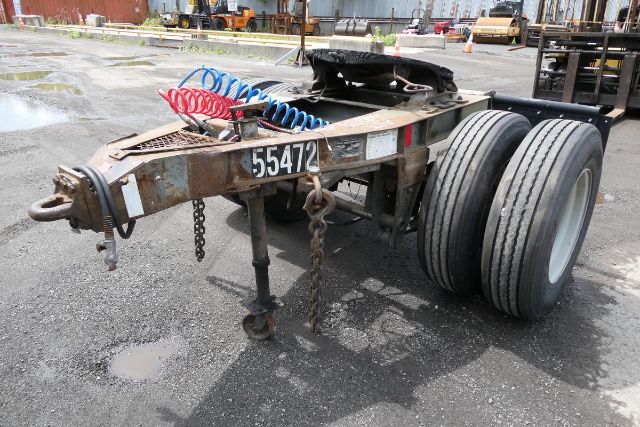
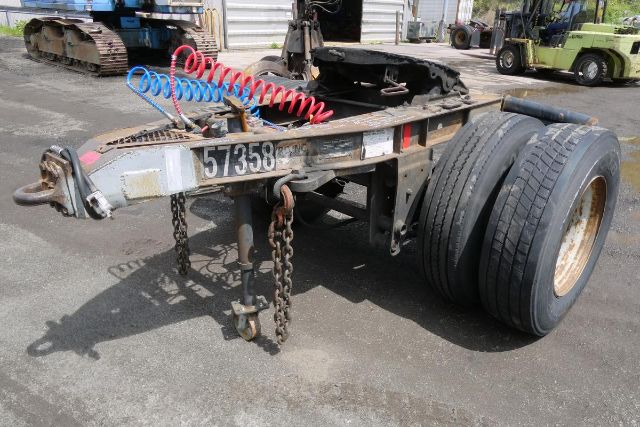
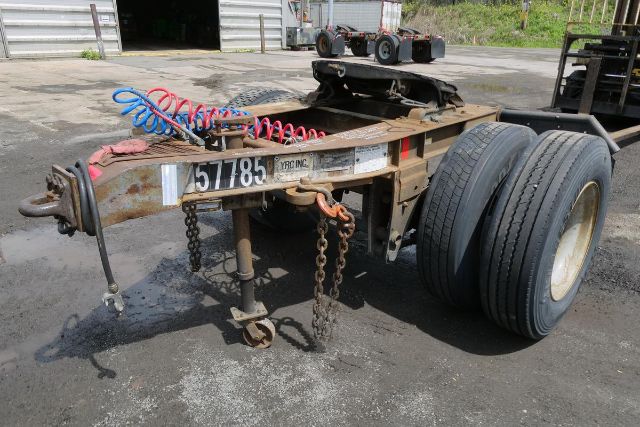
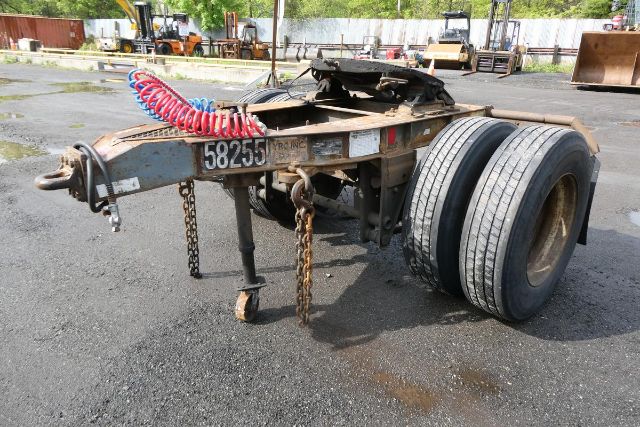
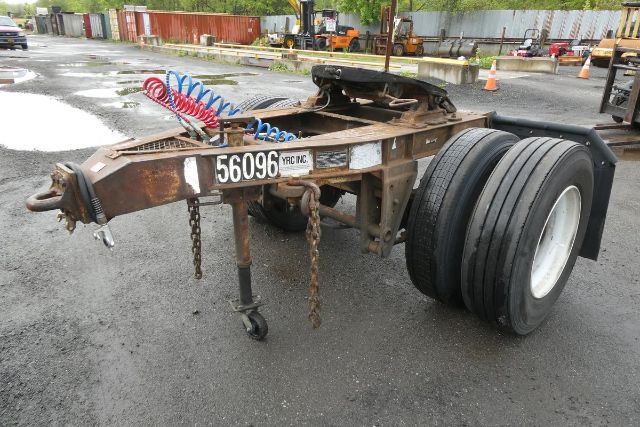
Selling a used dolly trailer? List your used dolly trailer for sale and reach thousands of commercial buyers.
Used Dolly Trailers in New York
Condition matters more on a used dolly than on many larger trailer types because the platform is compact and every major component does a lot of work. Pay close attention to spring suspension condition, brake chamber and slack adjuster wear, air line integrity, pintle eye or drawbar condition, fifth wheel plate wear, and frame rust around high-stress points. Tire size and wheel type should match the rest of your operation where possible, especially if you want easier parts stocking and roadside service support. On older dollies, it is also smart to inspect for corrosion, prior weld repairs, kingpin or coupling wear, and any signs of alignment issues that could affect tracking and tire life.
For New York buyers, registration, brake compliance, lighting, and overall roadworthiness should be part of the purchase decision from the start. Dolly trailers used in regional and terminal-based work often see frequent hook-and-drop cycles, tight turns, and weather exposure, so winter corrosion and airline condition deserve extra scrutiny. If the dolly will be used in doubles or converter service, confirm the unit matches your trailer spacing, coupling hardware, and brake system requirements. A simple, older steel dolly can still be a durable and cost-effective tool if the running gear, brake system, and coupling points are sound.
The best used dolly trailer is usually the one that fits your operating pattern with the fewest compromises. A fixed single-axle dolly is straightforward to maintain and well suited for basic converter duty, but buyers should compare deck height, fifth wheel position, suspension type, empty weight, and parts availability before making a decision. Fruehauf units remain familiar in the market, and older models are often valued for their simple construction and serviceable components. When comparing listings, focus less on paint and more on brake function, structural integrity, tire condition, and how easily the dolly can be integrated into your current trailer fleet.
Frequently Asked Questions about Used Dolly Trailers in New York
What is a dolly trailer used for?
A dolly trailer, often called a converter dolly, is used to connect one trailer to another trailer or to support and move a trailer in specific fleet applications. In doubles service, it provides the axle set, fifth wheel, and drawbar connection needed to tow a second trailer behind the lead trailer. Some operations also use dollies for trailer repositioning in terminal or yard environments, but the exact use depends on the dolly design and applicable regulations.
What should I inspect first on a used dolly trailer?
Start with the brake system, suspension, tires, frame, and coupling components. Air brakes should build and release properly, the suspension should not show broken leaves or severe wear, and the frame should be checked for rust, cracking, or poor repairs. Inspect the pintle eye or tow connection, fifth wheel plate, kingpin contact surfaces, lights, and air lines closely because these are the components that directly affect safe operation and compatibility with your trailers.
Are single-axle dolly trailers common?
Yes. Single-axle dolly trailers are common in many older and straightforward converter applications because they are lighter, simpler, and easier to maintain than more complex setups. A typical used single-axle dolly may have a steel frame, spring suspension, air brakes, and a stationary fifth wheel. The right choice depends on load requirements, trailer spacing, maneuverability needs, and the standards used in your fleet.
How important is fifth wheel style on a dolly trailer?
Fifth wheel style is critical because it affects trailer compatibility, articulation, maintenance, and how the dolly performs in service. Many used dollies in the market have a stationary fifth wheel, which is common on older units and can work well in established applications. Buyers should verify fifth wheel height, wear condition, locking function, and compatibility with the trailers they plan to move, especially if the dolly will be used regularly in doubles service.
What specifications matter most when comparing used dolly trailers?
The most important specifications are axle type, GVWR, suspension, brake system, tire and wheel size, overall dimensions, empty weight, and construction material. These specs determine how the dolly will track, what it can legally and safely handle, and how well it fits your existing fleet. In practice, many buyers also compare parts availability, common tire size, service history, and signs of structural wear because those factors have a direct effect on long-term operating cost.