
Dolly Trailers For Sale
Shop dolly trailers for converter and towing applications. Compare single-axle dolly specs, GVWR, brakes, suspension, tire size, and coupling setup.
Selling a dolly trailer? List your dolly trailer for sale and reach thousands of commercial buyers.
Dolly Trailers
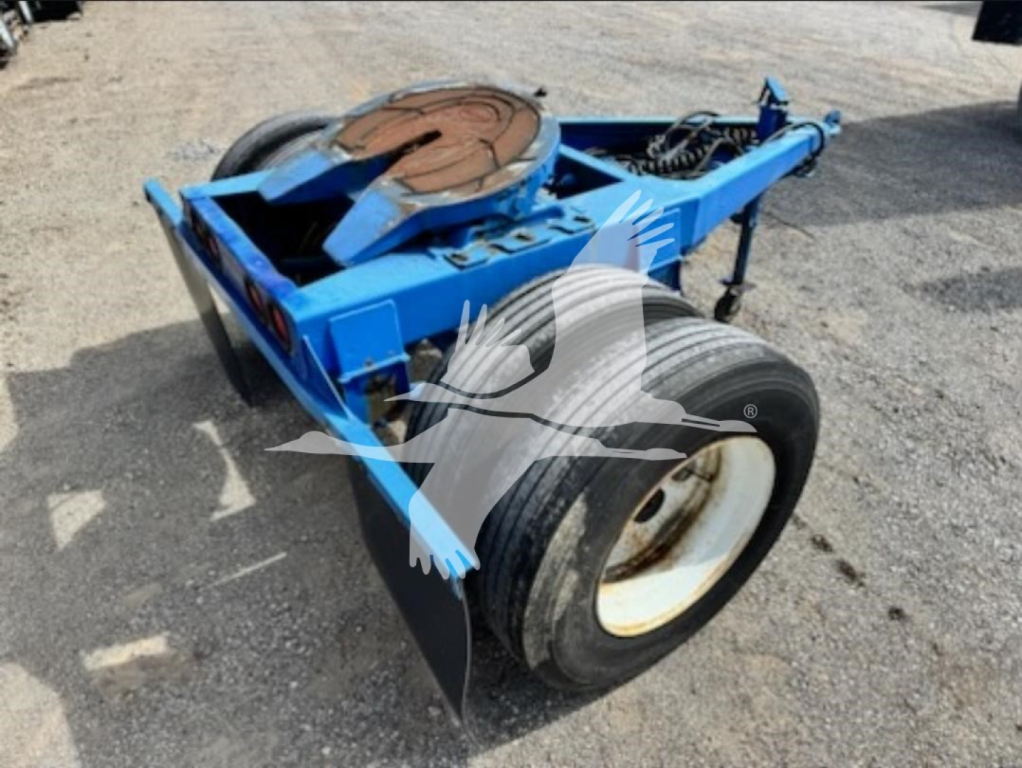
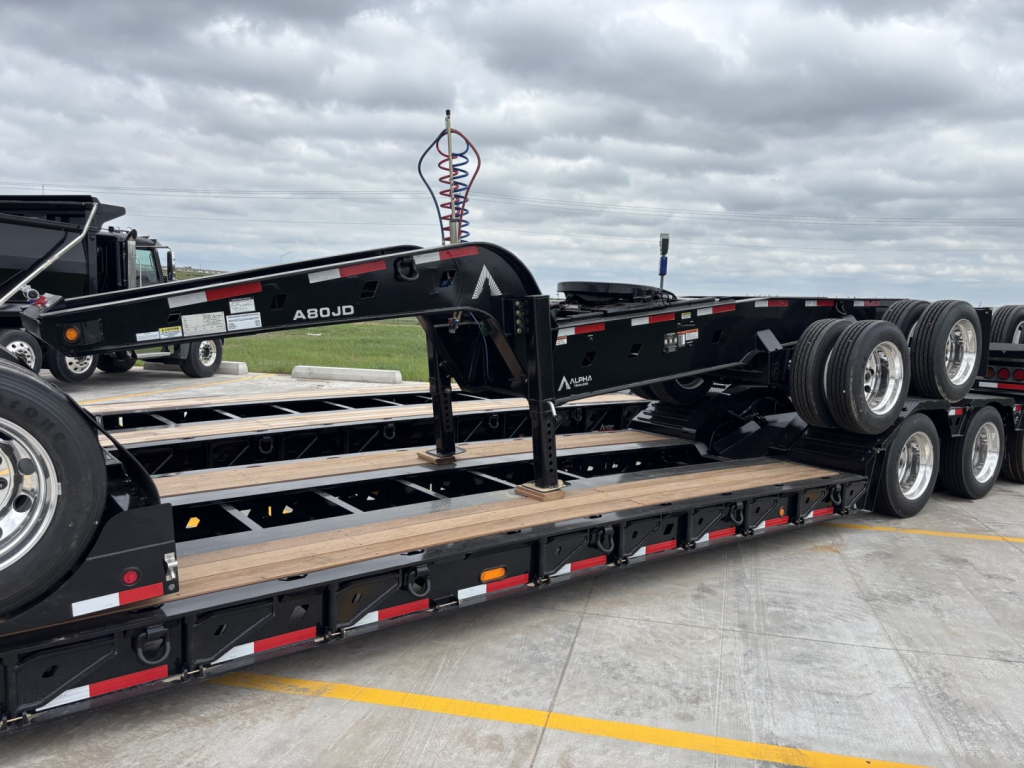
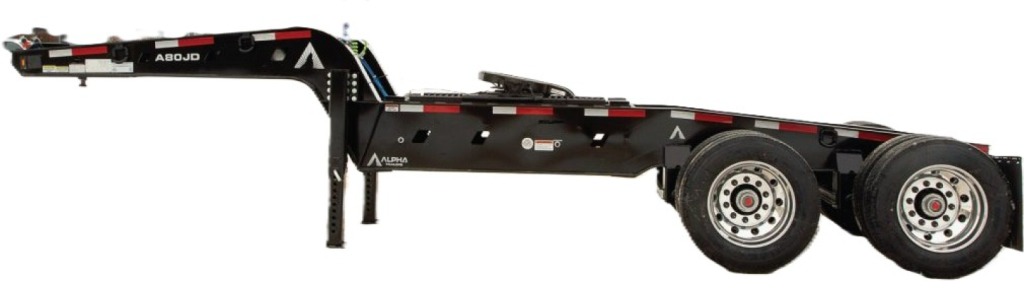
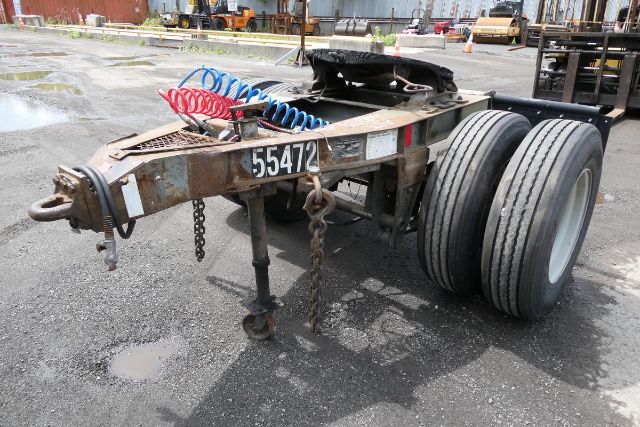
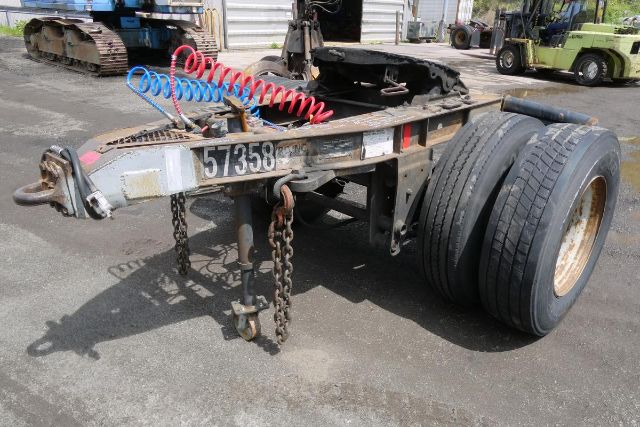
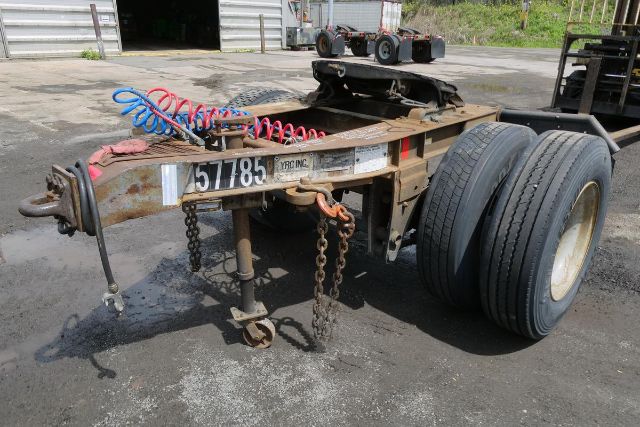
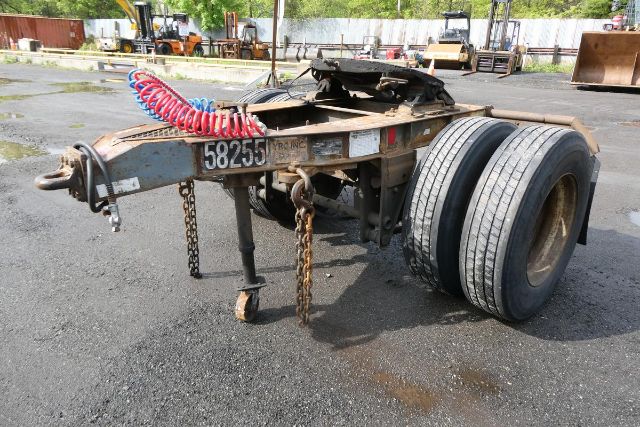
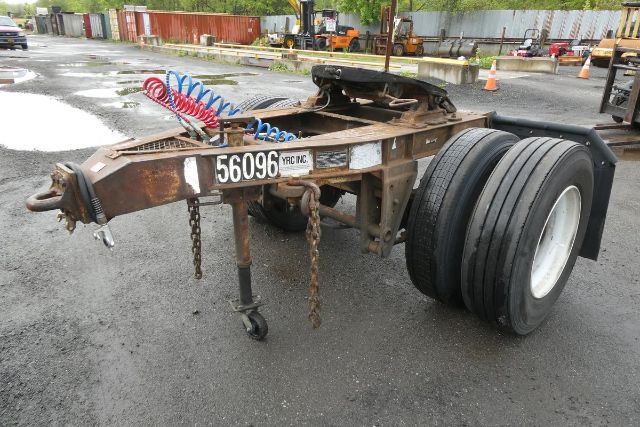
A typical single-axle dolly is compact, usually around 8 to 9 feet long, roughly 96 inches wide, and built from steel for durability and repairability. Common tire sizes include 275/80R22.5 and 295/75R22.5 on steel hub-piloted wheels. GVWR often lands around 20,000 pounds, though some heavier-rated units are available depending on axle, frame, and intended service. Fixed-axle dollies are common because they are straightforward and durable, but buyers should pay close attention to tracking characteristics, kingpin height compatibility, drawbar condition, brake chamber condition, slack adjusters, and the overall condition of the fifth wheel plate and locking jaws.
Used dolly trailers need a closer inspection than many buyers expect because wear shows up in the connection points first. Check the pintle eye for elongation, the drawbar for cracks or past weld repair, and the fifth wheel for excessive throat wear or poor lock engagement. Suspension condition matters too, especially on spring-ride dollies where worn bushings, broken leaves, and uneven ride height can affect tracking and tire wear. Air system integrity is critical on a dolly. Gladhands, hoses, valves, chambers, and emergency brake function all need to be correct if the dolly will be used in regular road service. Tires may look serviceable but age, matching tread depth, and sidewall condition matter on a unit that can scrub hard in terminal and city work.
The right dolly depends on where and how it will run. Linehaul doubles operations typically prioritize brake reliability, legal compliance, and compatibility with fleet trailer heights and coupler setups. Yard or occasional transfer work may put more emphasis on simplicity and low maintenance. Buyers should verify suspension type, axle rating, wheel-end spec, and parts support before purchase, especially on older Fruehauf, Pines, and similar legacy units still found in regional fleets. A well-matched dolly trailer can be a durable, low-complexity asset, but only if the coupling geometry, braking system, and structural condition fit the trailers and routes it is expected to handle.
Frequently Asked Questions about Dolly Trailers
What is a dolly trailer used for?
A dolly trailer, commonly called a converter dolly, is used to connect one semitrailer to another in a doubles combination. It adds an axle set, fifth wheel, drawbar, and brake system so the rear trailer can be towed safely behind the lead trailer. These units are most common in LTL, linehaul, and some regional multi-trailer operations.
What should I inspect first on a used dolly trailer?
Start with the structural and coupling components. Inspect the drawbar, pintle eye, frame rails, and fifth wheel for cracks, worn metal, bad weld repairs, and poor lock function. Then check brake chambers, hoses, valves, slack adjusters, drums or rotors, suspension components, wheel seals, and tire condition. On older dollies, wear at the connection points often tells you more than paint or general appearance.
Are most dolly trailers single axle or tandem axle?
Many converter dollies in general freight service are single-axle units because they are lighter, simpler, and easier to maintain. Tandem-axle dollies are also used in some applications where load distribution, stability, or specific operational requirements call for them. The right choice depends on the trailer combination, legal requirements, axle ratings, and how the unit will be used in linehaul or regional service.
How important is fifth wheel height and compatibility on a dolly?
Fifth wheel height is critical because it affects trailer level, load transfer, tracking, and coupling safety. A dolly that sits too high or too low for the rear trailer can create poor trailer attitude, clearance issues, and abnormal tire or suspension wear. Buyers should compare the dolly fifth wheel height, kingpin setting, drawbar geometry, and air line reach with the trailers already in service.
Do dolly trailers usually have air brakes?
Yes, most road-going dolly trailers used in doubles service are equipped with air brakes. Proper brake operation is a major buying consideration because the dolly must integrate correctly with the combination's air system and emergency braking functions. Buyers should confirm air tank condition, hose routing, gladhand setup, brake adjustment, and compliance with current safety requirements before putting a used dolly into service.