
Dolly Trailers For Sale in New York
Browse dolly trailers for sale, including converter dollies with air brakes, single axles, and pintle hookups for multi-trailer operations.
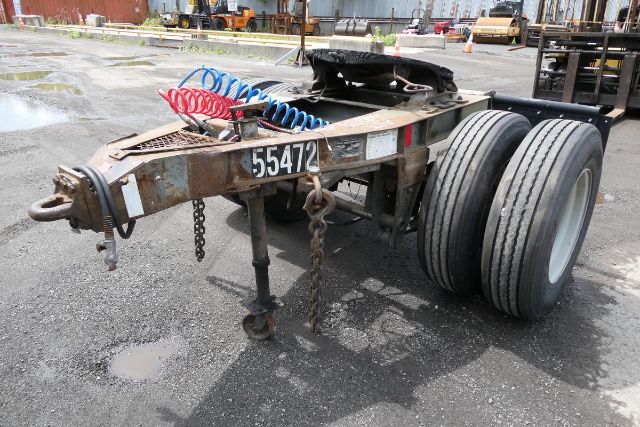
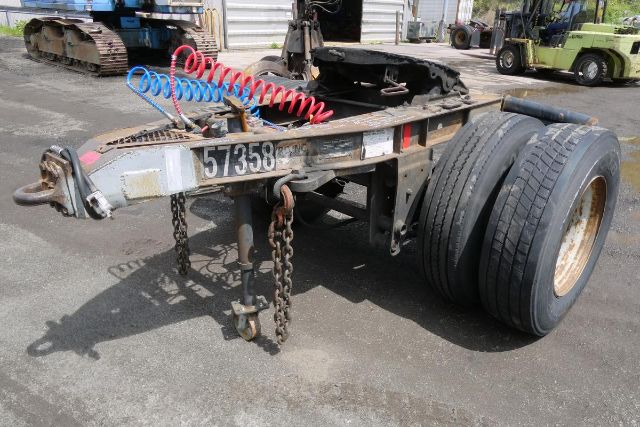
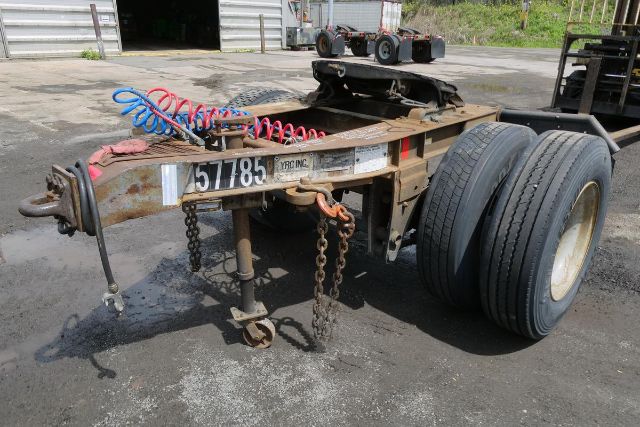
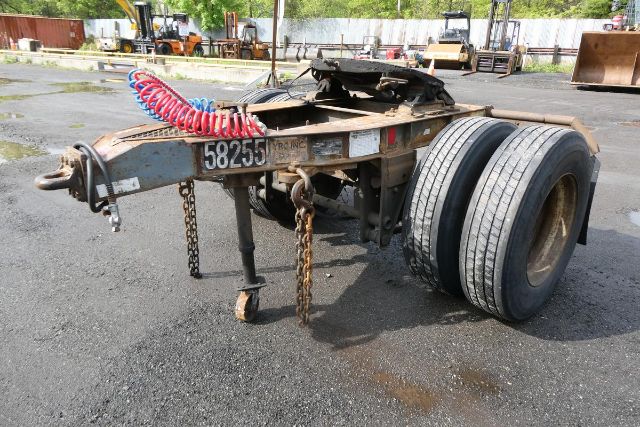
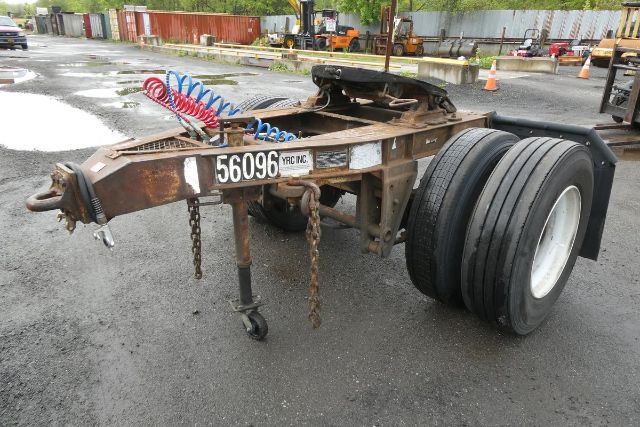
Selling a dolly trailer? List your dolly trailer for sale and reach thousands of commercial buyers.
Dolly Trailers in New York
A typical converter dolly is compact, usually around 8 to 9 feet long, about 96 inches wide, and built with a steel frame for durability. Common GVWR ratings are around 20,000 pounds, with empty weights often in the 2,800-pound range depending on frame design and components. Many use 22.5-inch rubber on steel hub-piloted wheels, which keeps replacement parts straightforward for fleets already standardized on trailer wheel ends. Fixed axle layouts are common and work well in linehaul applications where simplicity, lower maintenance, and predictable tracking matter more than specialized maneuverability.
Condition matters more on a dolly than many buyers expect because these units live hard lives in drop-and-hook operations. Check brake condition closely, along with slack adjusters, chambers, drums, bushings, spring packs, wheel seals, and air system integrity. On older dollies, inspect the pintle eye or drawbar connection area for elongation, cracking, or weld repairs, and look carefully at the fifth wheel plate, locking mechanism, and kingpin contact surfaces. Tire age, tread match, and frame straightness also deserve attention, especially in Northeast service where corrosion from road treatment can shorten component life. In New York, buyers should also confirm the dolly matches their operating environment, including bridge law considerations, state equipment requirements, and compatibility with the trailers already in the fleet.
The right dolly trailer is mainly a compatibility decision. It needs to match the trailer heights in your set, the air and electrical connections your fleet uses, and the weight profile of the loads you haul. A stationary fifth wheel is common for standard doubles work, while suspension choice affects ride quality and maintenance intervals. For fleets running terminal-to-terminal freight, parcel, LTL, or other linehaul operations, a well-matched dolly helps trailer tracking, brake performance, and hookup speed. Buyers focused on uptime usually favor simple, proven specs with readily available parts, especially on older Fruehauf-style units that remain common in regional and national doubles service.
Frequently Asked Questions about Dolly Trailers in New York
What is a dolly trailer used for?
A dolly trailer, usually called a converter dolly, is used to connect one trailer to another so a tractor can pull doubles. It provides the axle, suspension, brakes, drawbar, and fifth wheel needed to support the front of the second trailer. These units are common in LTL, parcel, and terminal-to-terminal freight operations where multi-trailer combinations improve linehaul efficiency.
What should I inspect first on a used converter dolly?
Start with the structural and safety items: frame rails, drawbar or pintle eye, fifth wheel plate, locking jaws, axle, brakes, and suspension. Then inspect wheel seals, hub condition, tire age, tread depth, air lines, gladhand connections, lights, and any visible weld repairs. On older steel dollies, corrosion around crossmembers, spring hangers, and brake mounting points can be just as important as tread or paint condition.
Are single-axle dolly trailers common?
Yes. Single-axle dollies are very common in standard doubles operations because they are lighter, simpler, and generally easier to maintain than more complex setups. Many fleets use single-axle converter dollies with spring ride suspension and air brakes for regional and linehaul service. The correct choice still depends on the trailer combination, freight type, and operating rules in the lanes where the equipment will run.
Why does fifth wheel style matter on a dolly trailer?
The fifth wheel on a dolly supports the front of the rear trailer, so its design affects hookup compatibility, trailer height relationship, and wear. A stationary fifth wheel is common on many converter dollies because it is durable and straightforward for standard fleet use. Buyers should confirm the fifth wheel height and condition match the trailers in their operation so the combination tracks correctly and avoids loading or clearance problems.
What specs matter most when comparing dolly trailers for sale?
The most important specs are GVWR, axle configuration, suspension type, brake system, tire and wheel size, fifth wheel style, and overall frame construction. Buyers should also look at dry weight, drawbar or pintle setup, and how easily replacement parts can be sourced. A dolly that matches existing fleet standards for tires, hubs, brake components, and air connections is usually easier and less expensive to keep in service.