
Used Dolly Trailers For Sale
Browse used dolly trailers, including converter dollies, with specs on axles, suspension, brakes, tires, fifth wheel setup, and GVWR.
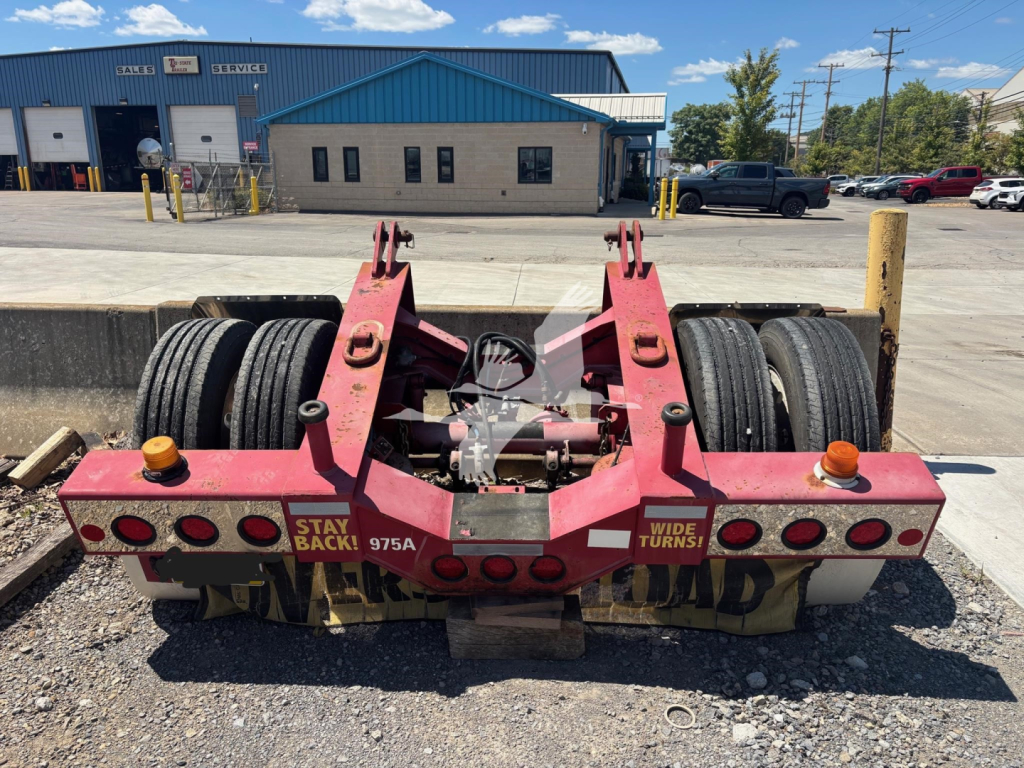
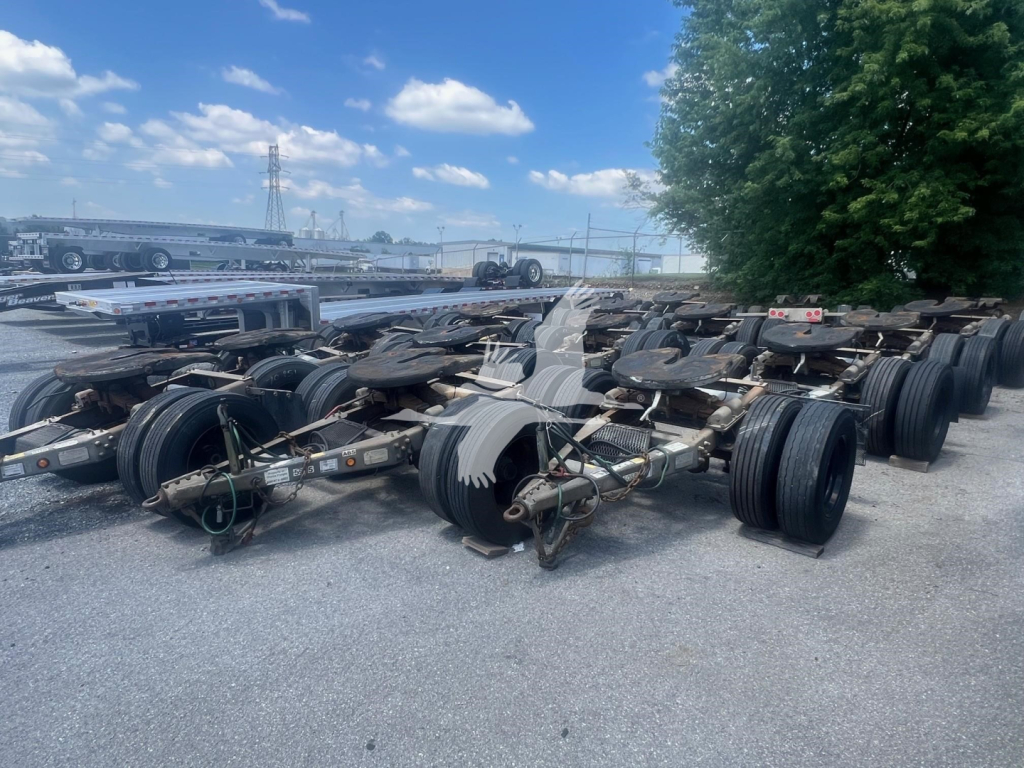
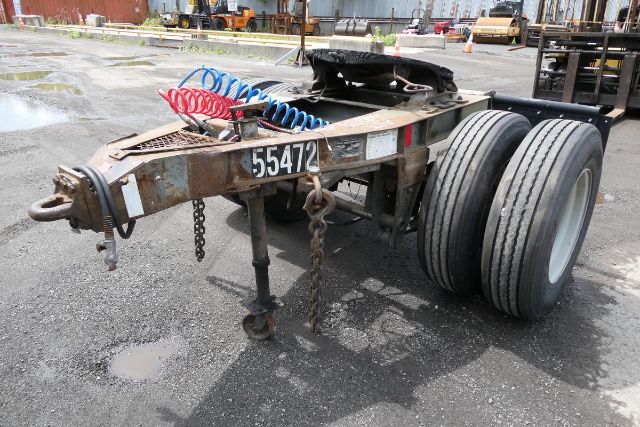
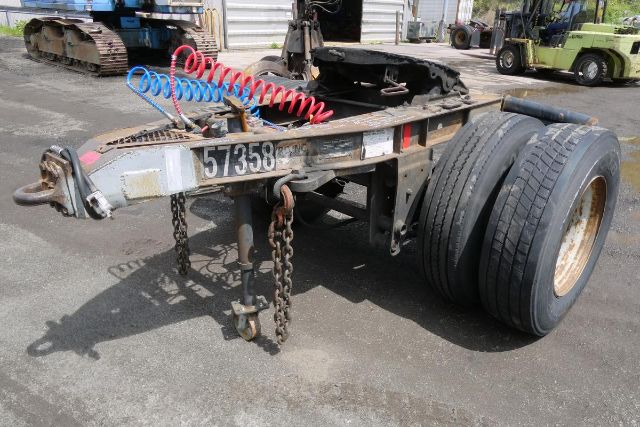
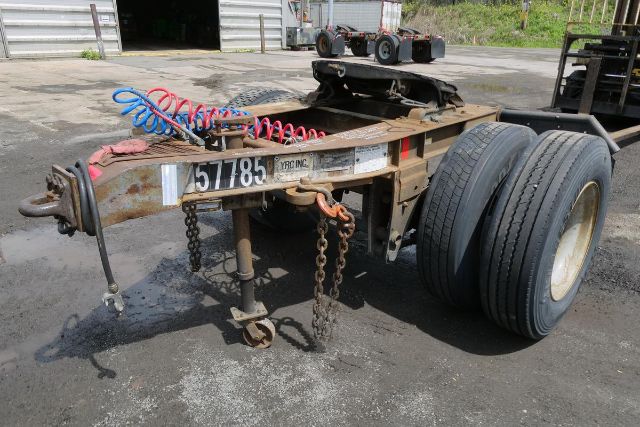
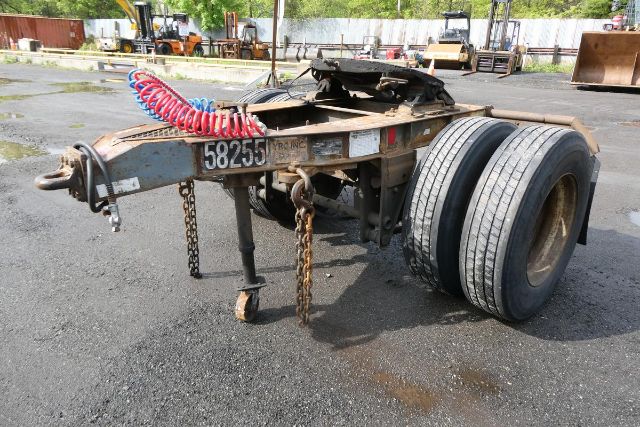
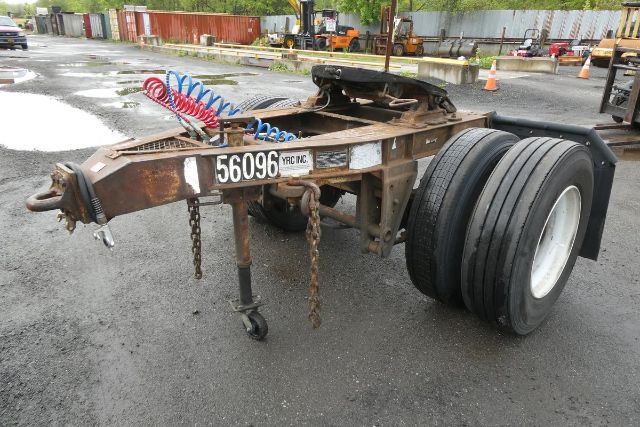
Selling a used dolly trailer? List your used dolly trailer for sale and reach thousands of commercial buyers.
Used Dolly Trailers
The details that matter most are the fifth wheel height, drawbar configuration, brake condition, and tire spec. A stationary fifth wheel is common on older and simple fleet setups, while other dollies may use steerable or self-tracking designs depending on application and state regulations. Buyers should confirm pintle eye condition, lunette ring wear, safety chain mounts, gladhand placement, and electrical connections because these are high-use contact points. On used dolly trailers, brake percentage and tire remaining are worth close attention since replacement costs add up quickly, especially if the unit needs chambers, slack adjusters, drums, or a full set of rubber to pass inspection.
Single-axle converter dollies are the standard choice for LTL, parcel, and linehaul operations running doubles. Spring suspension remains common because it is durable, simple to service, and familiar to most maintenance shops. Tire sizes such as 11R22.5, 275/80R22.5, and 295/75R22.5 are regularly seen, along with steel disc wheels. Frame construction is typically all steel, and many older Fruehauf and Eagle Rock units remain in service because the design is straightforward and parts support is still manageable through aftermarket brake, hub, and suspension suppliers.
When comparing used dolly trailers, focus on compatibility with the trailers already in your fleet. Kingpin height, pintle height, ABS configuration, axle track, and brake plumbing need to match your operating setup. Check for frame cracks around the fifth wheel plate, drawbar wear, suspension bushing fatigue, and corrosion in crossmembers or mounting points. A dolly trailer may be small, but it has a direct effect on tracking, stability, and legal compliance in doubles operation, so a clean inspection history and solid running gear are more important than cosmetics alone.
Frequently Asked Questions about Used Dolly Trailers
What is a dolly trailer used for?
A dolly trailer, usually called a converter dolly, is used to connect a second trailer behind a lead trailer in a doubles combination. It adds an axle, suspension, brakes, and a fifth wheel so the rear trailer can be coupled and towed safely. These units are common in LTL, parcel, and linehaul service where doubles are part of the operation.
What should I inspect first on a used converter dolly?
Start with the structural and running gear components. Check the fifth wheel plate, drawbar or tongue, lunette ring, pintle connection points, axle, suspension, hubs, and brake system for wear or damage. Tire condition, brake lining life, air leaks, wiring, and evidence of frame cracking around high-stress areas should be reviewed before cosmetic items.
Are most dolly trailers single axle?
Yes. Most converter dollies in general freight service are single-axle units. A single axle keeps weight and maintenance lower while meeting the needs of standard doubles operations. Buyers should still verify GVWR, axle rating, brake setup, and local operating requirements because configuration rules can vary by application and region.
What specs are most important when matching a dolly to my trailers?
The most important specs are fifth wheel height, pintle height, drawbar length and type, brake and air line configuration, electrical connections, tire size, and axle rating. Compatibility with your existing trailers matters because a mismatch can affect ride height, tracking, brake timing, and overall legal compliance in a doubles set.
Do older used dolly trailers still make sense for fleet service?
They can, if the frame, fifth wheel assembly, brake system, and suspension are still sound. Many older steel converter dollies remain workable because the design is simple and many service parts are available through common aftermarket channels. The key is condition, not just age, since a well-maintained older dolly can be more dependable than a newer unit with poor brake, tire, or structural history.