
2027 CTS Trailers For Sale
Shop 2027 CTS trailers for sale, including dump and hopper configurations with tandem axles, steel construction, and work-ready spec options.
Learn more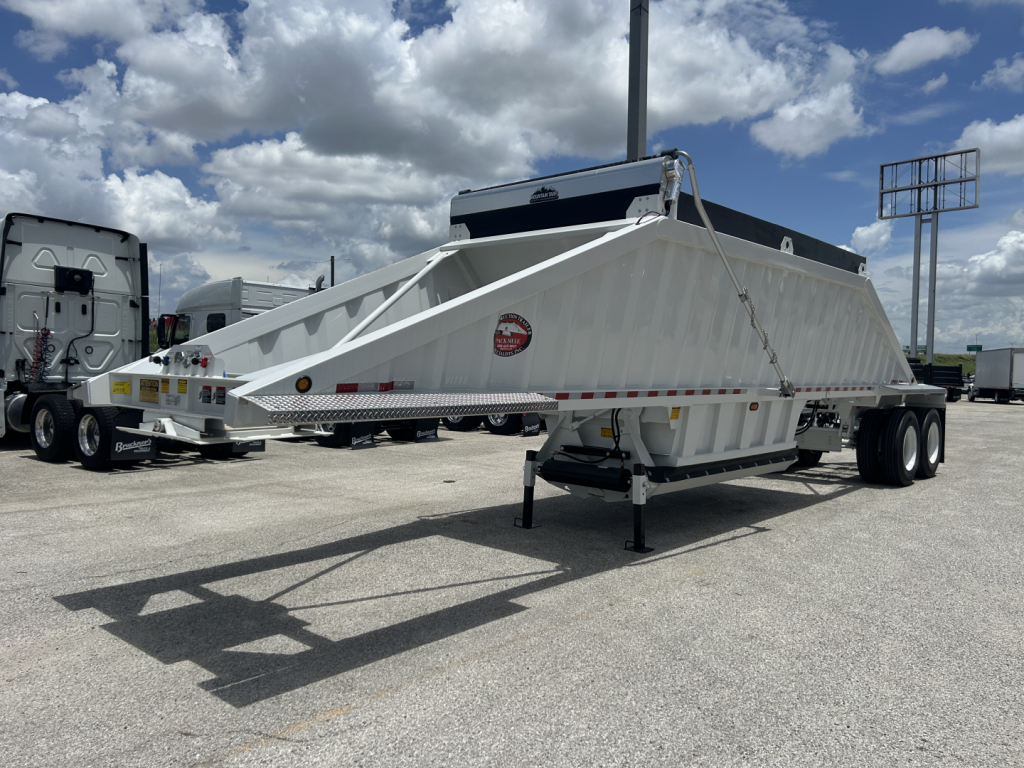
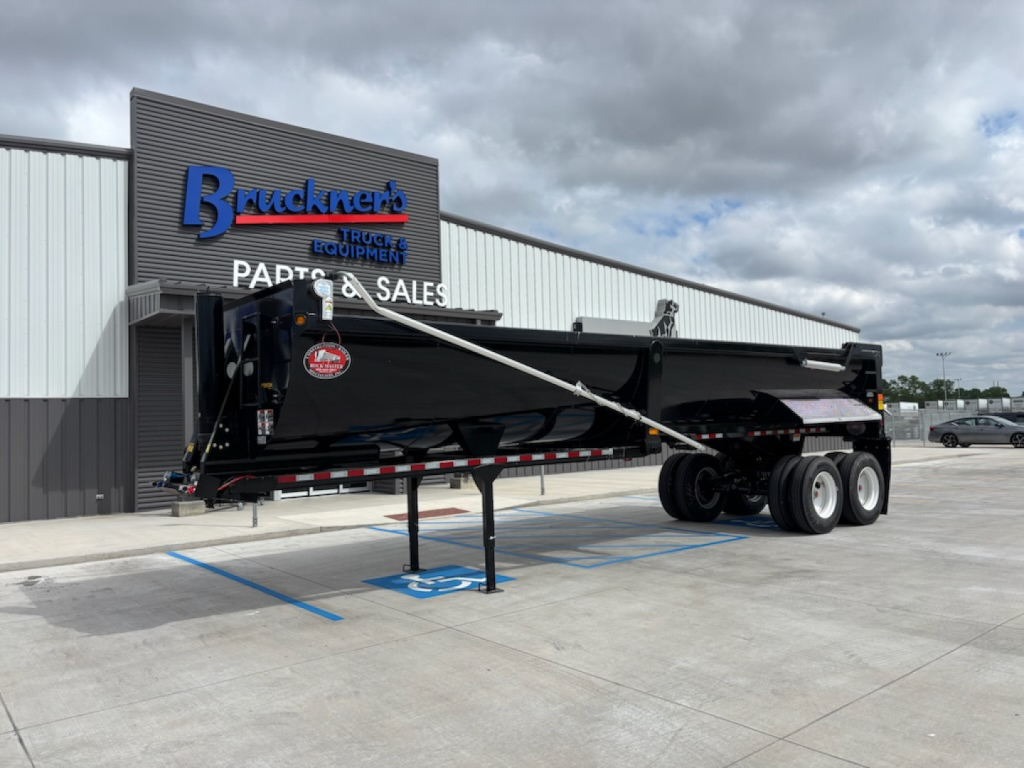
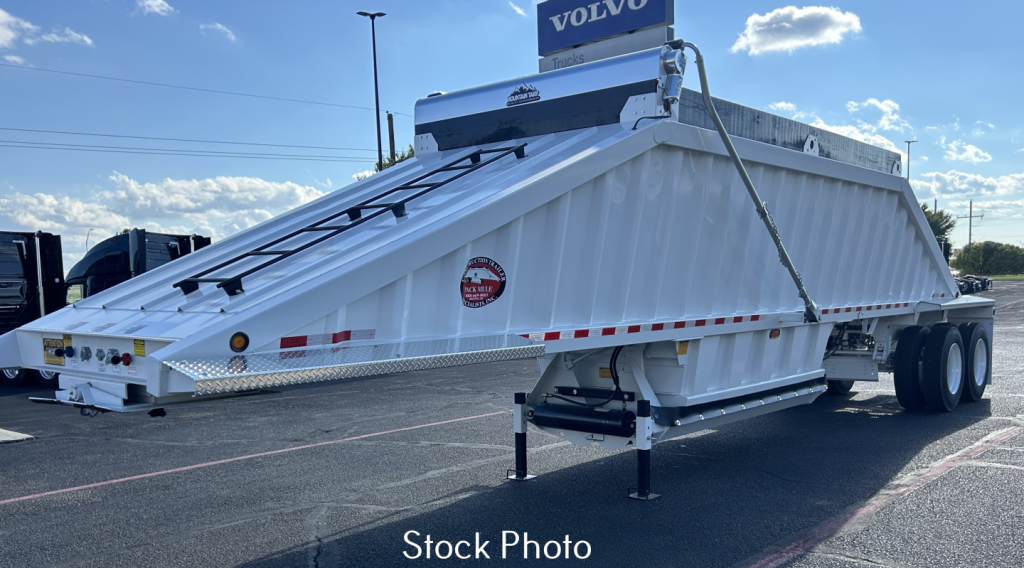
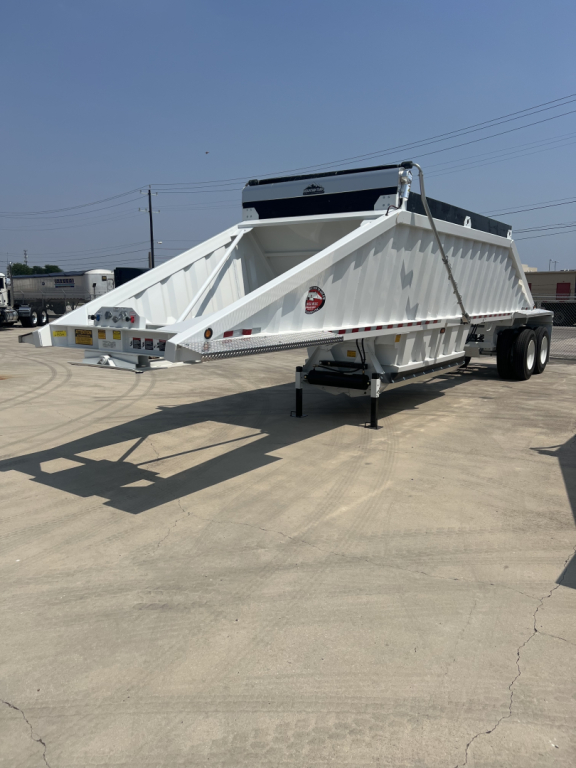
Showing 25 to 28 of 28 results
Have 2027 cts trailer to sell? List it here to reach thousands of buyers.
About 2027 CTS Trailers
For dump applications, CTS trailers commonly show up in 32-foot to 40-foot configurations with tandem axles, drum brakes, and steel construction. Popular setups include frameless half round tubs and end dump bodies with around 23.5 cubic yards of capacity, often paired with 10-inch boards, electric tarp systems, push blocks, windrow deflectors, and 60-gallon air tanks. Suspension choice matters. Air ride is typically preferred for improved ride quality, reduced shock transfer to the trailer and tractor, and better protection for roads and lighter material. Spring ride remains a proven option for fleets that want simplicity, lower upfront cost, and straightforward maintenance in rough service. Buyers should also look at gate configuration, including high-lift rear gates and manual or remote gate controls, especially if the trailer will handle asphalt millings, demolition debris, sand, or bulk construction material.
CTS hopper trailers are aimed at bulk commodity work where clean unloads, predictable weight distribution, and simple serviceability matter more than cosmetic extras. A typical grain hopper spec may include a 40-foot length, 96-inch width, tandem suspension, steel construction, 11R24.5 tires, and two hopper openings. For agricultural and feed hauling, tarp type, suspension rating, axle capacity, and wheel material deserve close review. Manual tarps may be standard on some builds, while electric tarp systems can save time during repeated load cycles. Steel construction is valued for toughness, but buyers should weigh tare weight against payload goals and local bridge-law considerations.
The strongest way to shop 2027 CTS trailers is by matching the trailer to the commodity and route profile. For regional dump work, look at suspension, body shape, liner condition, brake type, and tire size. For hopper service, focus on hopper count, trap operation, tarp setup, suspension spec, and signs of corrosion or floor wear. On either type, check axle alignment, kingpin and upper coupler condition, crossmember integrity, air system response, and evidence of hard loading around the rear frame and suspension hangers. A correctly spec'd CTS trailer can be a practical choice for fleets and owner-operators who need a straightforward vocational trailer with familiar components and no unnecessary complexity.
Frequently Asked Questions
What types of trailers are commonly sold as 2027 CTS trailers?
The most common 2027 CTS trailer listings tend to be vocational trailers such as steel dump trailers and, in some markets, hopper trailers for grain or other bulk commodities. Dump models are often tandem axle end dumps or frameless half round designs, while hopper models are typically set up for agricultural hauling with dual hopper discharge. The exact configuration matters more than the badge alone, so buyers should compare body design, suspension, axle rating, and intended material.
Is air ride or spring ride better on a CTS dump trailer?
Air ride usually offers a smoother ride, better protection for trailer structure and cargo, and improved handling on paved routes or mixed-use applications. Spring ride is simpler, generally less expensive, and well-suited for severe-duty use where fleets prioritize ruggedness and ease of repair. The better choice depends on haul road conditions, maintenance preferences, and the type of material being moved.
What should I inspect first on a used CTS dump or hopper trailer?
Start with structural condition. Check the frame rails, crossmembers, suspension hangers, hoist mounting areas on dump trailers, and the kingpin and upper coupler plate. Then inspect the tub or hopper body for cracks, floor wear, corrosion, previous weld repairs, and tailgate or trap-door operation. Finish with brakes, tires, wheel ends, air system leaks, and evidence of axle misalignment. Structural repairs and chronic alignment issues are usually more important than cosmetic wear.
Are CTS trailers typically steel or aluminum?
Many CTS vocational trailers in dump and hopper applications are built with steel bodies or substantial steel structure because steel holds up well in abrasive, high-impact service. Some trailers may include aluminum components such as outer wheels or fenders to reduce weight and resist corrosion. Buyers should confirm the body material, substructure, and wheel spec because these choices affect tare weight, repair methods, and long-term durability.
What capacity range should I expect from a CTS dump trailer?
Capacity varies by body length, side height, and body shape, but many tandem axle CTS dump trailers fall into a mid-20-cubic-yard range. A 40-foot dump trailer with boards may be spec'd around 23.5 cubic yards, while shorter half round trailers may be optimized more for dense materials and durability than maximum volume. Legal payload depends on axle spacing, suspension rating, tare weight, and state weight laws, so cubic yard capacity should never be the only number used to compare trailers.