
New Chassis Trailers For Sale
Have new chassis trailer to sell? List it here to reach thousands of buyers.
New Chassis Trailers
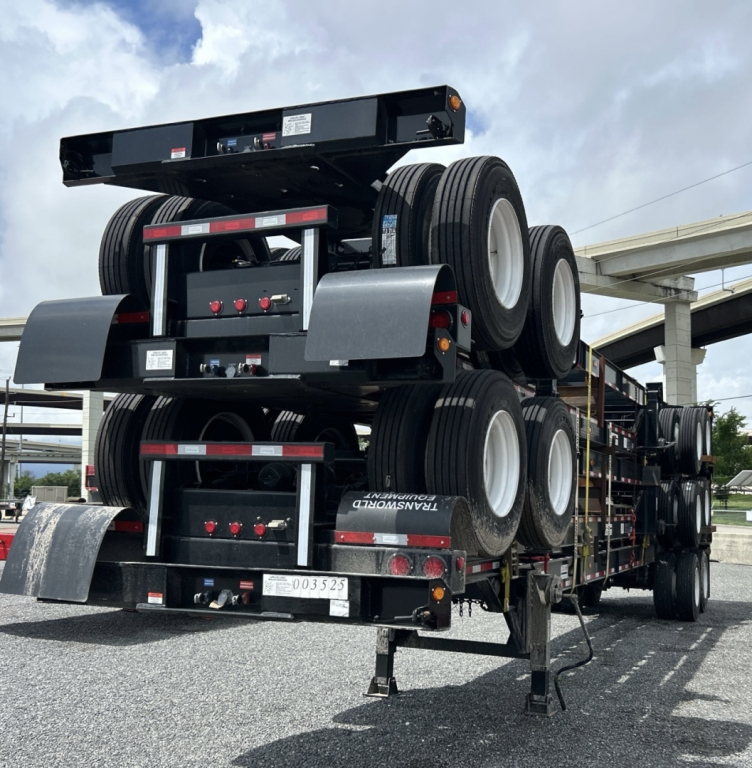
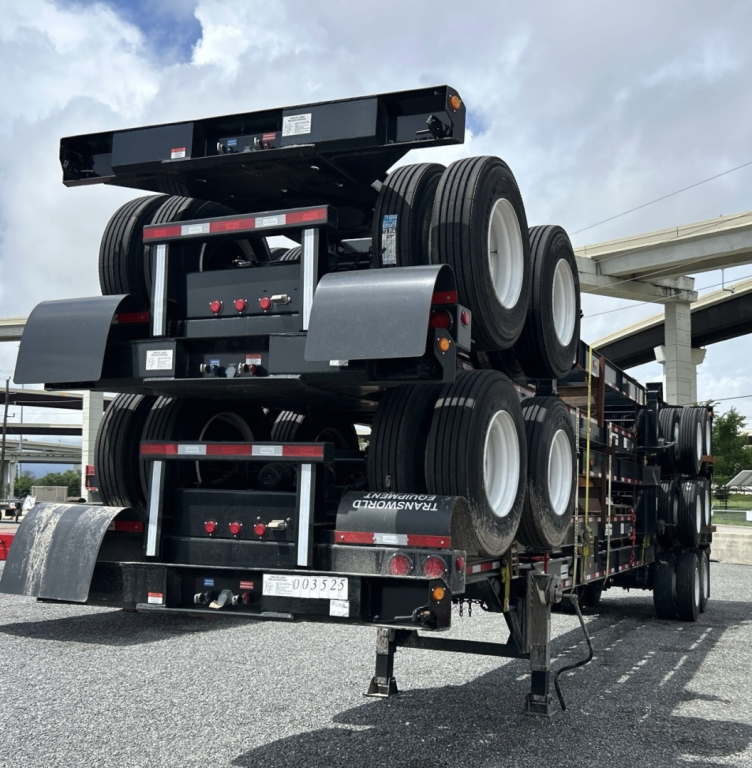
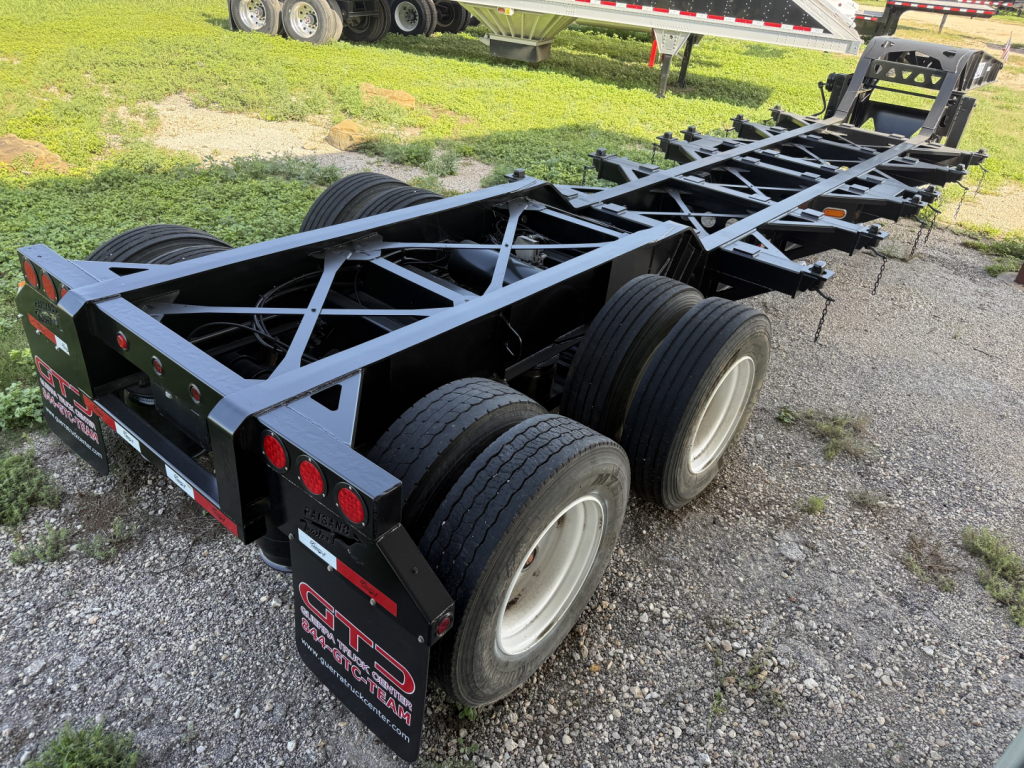
Frame construction and suspension choice tell you a lot about how a chassis will hold up in real service. Heavy-duty steel frames, often built with high-strength carbon steel, are typical on new chassis trailers intended for rough yard conditions and repeated container loading cycles. Spring suspension is common on cost-conscious intermodal chassis and can be a solid fit for shorter hauls and predictable lanes. Air ride is worth a close look when cargo protection, ride quality, and reduced shock transfer are priorities. On any new chassis, inspect crossmember design, rear bolster structure, landing gear rating, and the placement and protection of air and electrical lines.
Brake and lighting specs should be reviewed with the same care as the frame. Most new chassis trailers use air brakes and standard ABS, but fleet buyers often look for components that simplify maintenance across mixed trailer pools. LED lighting has become a preferred spec because it improves visibility and reduces electrical issues in high-use operations. Tire and wheel setup, axle rating, and hub configuration should match both your maintenance program and the container weights you expect to run. If the chassis will operate in port environments, corrosion resistance, wiring protection, and durable paint or coating systems can have a direct effect on service life.
A good chassis trailer is not just a platform for a box. It is a revenue tool built around turn time, uptime, and compliance. Buyers comparing new chassis trailers should focus on container size compatibility, suspension type, tare weight, kingpin location, axle spread, and the durability of the locking and support structure. For fleets handling local drayage, rail transfer, or dedicated container lanes, the right chassis spec can reduce maintenance cost, improve driver confidence, and keep freight moving with fewer interruptions.
Frequently Asked Questions about New Chassis Trailers
What is the difference between a chassis trailer and a regular flatbed trailer?
A chassis trailer is built specifically to carry shipping containers using standardized twist locks and container support points. A flatbed trailer is a general-purpose open deck trailer that carries freight secured by chains, straps, or tarps. Chassis trailers are optimized for intermodal work, drayage, and container transfer, while flatbeds are designed for palletized, oversized, or irregular loads that are not containerized.
How do I choose the right new chassis trailer for my operation?
Start with the container lengths and container types you handle most often. A 40-foot intermodal chassis is a common choice, but buyers should also verify axle spread, kingpin setting, tare weight, suspension type, and legal load distribution for the lanes they run. Port work, rail service, yard conditions, and expected payload all affect the best spec. A chassis that matches your freight profile and maintenance standards will usually perform better than simply choosing by price.
Is air ride or spring suspension better on a chassis trailer?
Neither is universally better. Spring suspension is simpler, widely used, and often less expensive to buy and maintain. Air ride can improve ride quality, reduce shock transfer, and offer advantages for sensitive cargo or rough operating conditions. The right choice depends on haul length, road conditions, cargo sensitivity, and how much emphasis your operation places on ride quality versus acquisition and maintenance cost.
What should I inspect on a new intermodal chassis before buying?
Focus on frame material, weld quality, twist lock design, landing gear strength, brake system components, axle ratings, lighting, and the routing of air and electrical lines. It is also smart to confirm ABS compliance, wheel-end spec, tire size, and any protective coatings used on the frame. For port and rail applications, durability at wear points and ease of maintenance are especially important because these trailers see repeated loading cycles and frequent maneuvering in tight environments.
What containers can a 40-foot chassis trailer carry?
A 40-foot chassis trailer is generally designed for standard 40-foot ISO containers, but exact compatibility depends on lock placement, bolster design, and weight distribution. Some operations also need to consider high-cube containers, refrigerated containers, or specialized equipment such as tank containers. Buyers should verify that the chassis geometry and ratings match the container types they intend to haul, not just the nominal container length.